
If you’re a backyard chicken keeper or just starting to consider raising hens, one of the most common questions is: “How long will my hen lay eggs?” Understanding your hen’s egg-laying abilities can be crucial in planning for fresh eggs and making informed decisions about feeding, breeding, and caring for your flock. The answer isn’t straightforward, as it depends on several factors, including breed, nutrition, environment, and health. Different breeds of hens have varying capacities to lay eggs throughout their lives. Some may peak early, while others will continue laying well into old age. In this article, we’ll explore the typical lifespan of a hen’s egg-laying ability and examine the key influences that affect her performance.
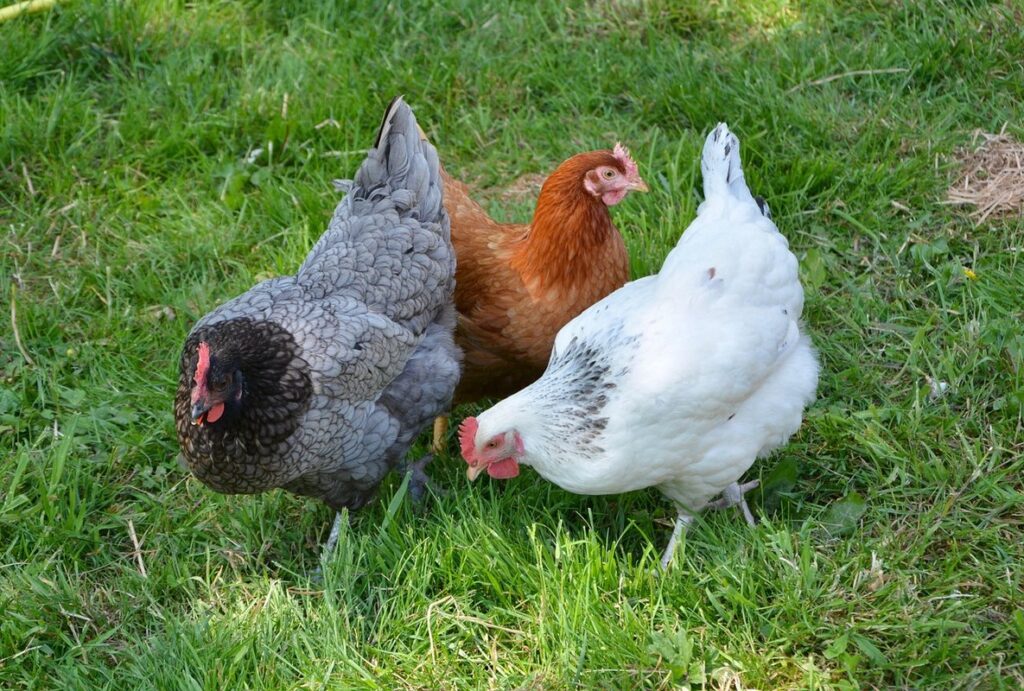
Understanding Chicken Breeding and Egg Laying
To predict how long a hen will lay eggs, it’s essential to understand the factors that influence egg production, such as breed and nutrition. Let’s dive into these key aspects together.
Factors Affecting Egg Laying Age
When it comes to determining when a hen will start laying eggs, several factors come into play. Breed and genetics are two of the most significant influencers on egg-laying age. For example, some breeds like Leghorns and Cornish hens are known for their early maturity and can begin laying at around 18-20 weeks, while others like Orpingtons may not start until they’re 24-26 weeks old.
Nutrition also plays a crucial role in egg-laying age. Hens need a balanced diet rich in protein to support the development of their reproductive system. A lack of essential nutrients can delay or even prevent egg production altogether. It’s essential to provide your flock with high-quality feed that meets their nutritional needs, and supplement with calcium and other minerals as needed.
Environmental factors like light exposure and climate also impact egg-laying age. Hens need around 14 hours of daylight to stimulate egg production, so if you’re keeping them indoors, ensure they have access to natural light or a suitable artificial lighting system. Additionally, extreme temperatures can affect their ability to lay eggs, so maintain a comfortable environment with adequate ventilation and cooling systems.
The quality of care your hen receives during her early stages also influences her egg-laying age. Proper health checks, vaccinations, and parasite control can help prevent issues that may delay or even stop egg production altogether. By understanding these factors and taking steps to support their development, you can help ensure your hens reach their full egg-laying potential.
Average Egg-Laying Ages by Breed
When it comes to understanding how long a hen will lay eggs, one crucial factor is the breed itself. Different breeds have varying average egg-laying ages, which can range from as young as 18 weeks to as old as 5 years or more.
For example, some prolific layers like Leghorns and Rhode Island Reds typically begin laying eggs at around 18-20 weeks of age and continue producing for about 4-5 years. On the other hand, larger breeds like Orpingtons and Plymouth Rock may not reach their full production potential until they’re around 2 years old and will continue to lay eggs for another 3-4 years.
Other breeds, such as Silkies and Polish, are known for their slower egg-laying pace, with some starting as late as 24 weeks of age. And then there are heritage breeds like the Ameraucana, which can start laying at a relatively young age but may only produce eggs for about 2-3 years.
It’s worth noting that individual hens within each breed can vary significantly in their egg-laying performance and lifespan, so it’s essential to consider these factors when selecting breeding stock or purchasing chicks.
The Impact of Nutrition on Egg Laying
When it comes to maintaining a healthy laying cycle, nutrition plays a crucial role in your hen’s overall well-being and egg production. Proper feeding habits can make all the difference in her longevity and productivity.
Essential Nutrients for Optimal Egg Production
To ensure that your hen lays eggs at optimal rates, it’s essential to provide her with a well-balanced diet rich in the necessary nutrients. Protein is one of the most critical components for egg production. Hens require about 15-20% protein in their diet to produce eggs efficiently. Include protein-rich foods like oats, wheat, and sunflower seeds in your hen’s feed.
Calcium is another essential nutrient that supports strong bone health and eggshell formation. A lack of calcium can lead to weak eggs and increased risk of breakage. Provide your hens with adequate calcium sources such as crushed oyster shells or dark leafy greens like kale and spinach.
Vitamins A, D, E, K, and B12 also play a crucial role in maintaining healthy egg production. Vitamin A promotes eye health, while vitamin D supports calcium absorption. Include foods rich in these vitamins, such as alfalfa hay, sweet potatoes, and fortified egg supplements in your hen’s diet. A balanced diet can increase egg laying by up to 30% compared to an unbalanced one.
Common Nutritional Deficiencies in Backyard Flocks
A well-balanced diet is crucial for maintaining a healthy and productive flock. However, nutritional deficiencies can impact egg laying, affecting both quantity and quality. One common issue is inadequate protein intake. Hens require about 16% protein in their diet to maintain strong muscles and support reproductive health. If their diet lacks sufficient protein, they may experience reduced egg production, weaker eggs, or even stop laying altogether.
Excessive phosphorus consumption is another concern. While phosphorus is essential for bone development, excessive amounts can lead to kidney damage and other health problems. A balanced feed should contain around 0.2-0.3% phosphorus; exceeding this threshold can have negative consequences. To avoid these issues, it’s essential to provide a nutrient-rich layer feed that meets the hens’ dietary needs.
When assessing your flock’s diet, consider their age and egg production stage. Pullets (young hens) may require different nutritional levels than older layers or breed-specific formulas.
Environmental Factors Affecting Egg Laying
When it comes to egg laying, hens are sensitive to their environment, and certain factors can significantly impact how long they’ll keep producing eggs. Let’s explore some of these environmental influences next.
Light Exposure and Photoperiodism
When it comes to egg laying, light exposure plays a significant role in regulating hens’ reproductive cycles. Photoperiodism, the response of an organism to daylight hours, is essential for egg production. Hens require around 14 hours of daylight to maintain optimal egg-laying performance.
If your hen is exposed to artificial lighting, it’s crucial to replicate a natural day-night cycle. Using LED grow lights or heat lamps can help simulate daylight hours, but be mindful of the intensity and duration of light exposure. A general rule of thumb is to provide 14-16 hours of bright light and 8-10 hours of dim red light.
Some egg farmers use this technique to extend egg laying in older hens. By manipulating lighting schedules, they can stimulate reproductive cycles, even in birds that might otherwise have reached the end of their laying life. In one study, researchers found that hens exposed to 16 hours of daylight produced significantly more eggs than those receiving only 12 hours.
To apply this knowledge at home, ensure your hen’s coop receives adequate natural light or use artificial lighting to supplement daylight hours. Monitor your hen’s response and adjust the lighting schedule as needed to optimize egg production.
Space and Stress Management for Healthy Egg Laying
Providing adequate space and managing stress are crucial for promoting healthy egg laying in backyard flocks. Hens need room to roam and engage in natural behaviors like foraging, scratching, and perching to maintain physical and mental well-being.
A general rule of thumb is to provide at least 4-5 square feet of space per hen inside the coop, and 8-10 square feet per hen in the run. However, this can vary depending on factors such as breed, age, and climate. For example, larger breeds or those living in hot climates may require more space.
To manage stress, it’s essential to provide a calm and safe environment for your hens. This includes reducing noise levels, providing adequate ventilation, and ensuring access to fresh water and feed. You can also try incorporating stress-reducing activities such as offering toys, creating enrichment programs, or introducing new birds to the flock slowly.
Remember, happy and healthy hens are more likely to lay eggs consistently and efficiently. By prioritizing space and stress management, you’ll be well on your way to supporting a thriving backyard flock.
Managing Egg Laying Over Time
As you’ve learned how long your hen will lay eggs, now it’s time to consider how her egg-laying habits might change over time, from young adulthood to old age.
Cycles of Peak and Decline
Many backyard chicken keepers are surprised to discover that their hens’ egg-laying abilities don’t remain consistent over time. In fact, most chickens experience a natural cycle of peak and decline in egg production. This pattern is influenced by a combination of factors, including genetics, nutrition, health, and age.
As hens mature, they typically reach their peak egg-laying years between 1-3 years old. During this period, they may produce around 280-300 eggs per year, depending on breed and individual characteristics. However, as they approach middle age (around 4-5 years), egg production gradually declines due to reduced hormone levels and changes in reproductive cycles.
Factors such as diet quality, stress levels, and health issues can also impact a hen’s ability to produce eggs over time. For instance, hens that don’t receive adequate nutrients or experience chronic stress may see a decline in egg production earlier than expected. On the other hand, providing a balanced diet, plenty of exercise, and regular health checks can help maintain egg-laying performance for longer.
It’s essential to recognize these natural patterns to make informed decisions about your flock’s care and management. By understanding how age affects egg production, you can plan ahead for potential changes in your hens’ behavior and adjust their living conditions accordingly.
Strategies for Extending Production Life
When it comes to extending a hen’s productive life and getting as many eggs as possible from her, it’s essential to adopt some smart strategies. One of the most effective ways is to provide supplements that support her overall health and fertility.
You can start by adding calcium-rich foods such as oyster shells or crushed eggshells to her diet. This will help strengthen her bones and maintain eggshell quality. Another option is to offer dark leafy greens like kale or spinach, which are rich in iron and other essential nutrients.
Adjusting your hen’s feeding schedule can also make a big difference. Instead of giving her three meals a day, try switching to a two-meal plan with an afternoon snack. This will give her a chance to digest food properly and reduce the risk of overeating.
By implementing these simple changes, you can extend your hen’s productive life by 1-2 years and enjoy more eggs from her for a longer period.
Egg Laying and Breeding Considerations
When it comes to raising chickens for eggs, understanding their reproductive cycle is crucial. This section will delve into egg-laying patterns, breeding considerations, and factors that affect a hen’s productivity.
Selecting Hens for Fertility and Egg Quality
When selecting hens for fertility and egg quality, it’s essential to focus on characteristics that will yield optimal results. For instance, egg-laying breeds like Leghorns are known for their high fertility rates, with some studies suggesting they can produce up to 95% fertile eggs. On the other hand, smaller breeds like Bantams may have lower fertility due to genetic factors.
Other desirable traits include a hen’s age and overall health. A healthy hen is more likely to lay fertile eggs and maintain high egg quality throughout her life. For example, research has shown that hens between 18-24 months old tend to produce higher-quality eggs than those under or over this range.
Additionally, genetic selection can play a significant role in determining fertility and egg quality. Breeders often look for characteristics like compact bone structure, well-developed ovaries, and strong beak shape when selecting hens for breeding purposes.
Managing Flock Health to Support Egg Production
As you strive to maximize egg production from your hens, it’s essential to prioritize their health. A healthy flock is crucial for maintaining optimal egg laying, and neglecting their well-being can lead to reduced productivity, increased losses, and even farm closures.
Regular vaccinations are a must to protect against common diseases such as Newcastle disease, infectious bronchitis, and fowl pox. It’s also vital to implement biosecurity measures, like isolating new birds for 30 days before integrating them into the main flock. This helps prevent the introduction of pathogens that can decimate your flock.
Additionally, keeping a close eye out for signs of illness is crucial. Monitor your hens’ behavior, appetite, and droppings regularly to catch any health issues early on. Implementing a robust record-keeping system will help you track the effectiveness of your vaccination program and identify potential problem areas.
By prioritizing flock health, you can ensure that your hens remain productive for longer, leading to increased egg production and overall farm efficiency.
Common Misconceptions About Hen Egg Laying
When it comes to egg-laying hens, there are a few common misconceptions that can cause confusion and misinformation. Let’s debunk some of these myths about hen egg production.
Separating Fact from Fiction
Many people believe that hens can only lay eggs for a year or two before their production declines. However, this is a common misconception that couldn’t be further from the truth. In reality, most breeds of laying hens will continue to produce eggs throughout their lives, albeit at a slower rate.
Some chicken enthusiasts might argue that older hens are less productive due to health issues or decreased fertility. While it’s true that hens may experience some decline in egg production as they age, this can often be attributed to factors such as nutrition, environment, and overall health rather than their age itself.
Proper care and management can help maintain a hen’s reproductive health well into her golden years. For example, providing a balanced diet rich in calcium and vitamins, ensuring access to fresh water and adequate space for exercise, and minimizing stress through careful breeding and flock dynamics can all contribute to extended egg-laying periods.
In reality, some hens have been known to lay eggs continuously until they reach the ripe old age of 5-7 years.
Real-Life Examples and Expert Insights
When it comes to determining how long a hen will lay eggs, real-life examples and expert insights can be incredibly helpful. Let’s take the case of a 3-year-old Leghorn hen named Luna. Her owner noticed that she started laying fewer eggs per week around her fourth year of age. This is not unusual, as hens typically begin to slow down their egg production between 4-5 years old.
According to Dr. Temple Grandin, an expert in animal behavior and welfare, “Hens will naturally start to decline in egg production after about 3-4 years.” She suggests that this is due to a combination of factors, including the hen’s genetic makeup, nutrition, and overall health.
To give you a better idea of what to expect from your own hens, consider the following general guidelines:
* A healthy hen will lay around 280-300 eggs per year.
* Most commercial breeds will start to decline in egg production between 4-5 years old.
* Free-range or pasture-raised hens may live longer and produce eggs for up to 6-7 years.
By understanding what to expect from your hens’ egg-laying abilities, you can better plan for their care and ensure they receive the best possible nutrition and living conditions.
Frequently Asked Questions
What are the first signs that my hen’s egg-laying age is approaching its end?
As hens approach the end of their egg-laying cycle, they may start to produce fewer eggs or exhibit changes in egg quality. Keep an eye out for reduced egg production, irregular egg-laying patterns, and signs of stress or discomfort.
Can I extend my hen’s egg-laying age through better nutrition or management?
Yes, providing a balanced diet rich in essential nutrients, managing stress levels, and ensuring optimal living conditions can help support your hen’s overall health and potentially prolong her egg-laying cycle. Consult with a poultry expert to develop a tailored plan for your flock.
How do I determine the best breed for my backyard flock based on egg-laying needs?
When selecting breeds, consider factors like egg size, production rate, and lifespan. Leghorns are ideal for those seeking high-volume production, while slower-maturing breeds like Orpingtons may be better suited for smaller flocks or those prioritizing gentle laying hens.
Can stress impact my hen’s egg-laying performance?
Yes, stress can significantly affect a hen’s ability to produce eggs. Factors contributing to stress include overcrowding, inadequate light exposure, and poor nutrition. Identify potential sources of stress in your flock and implement strategies to mitigate their effects, such as increasing space or adjusting feeding schedules.
What are some common mistakes to avoid when managing my hens’ egg-laying age?
Avoid over-relying on a single breed or nutritional strategy, as this can lead to decreased production and increased susceptibility to disease. Regularly monitor your flock’s health and adjust management practices accordingly to ensure optimal egg production throughout their lifespan.