
Have you ever wondered about the fascinating process that occurs when a chicken fertilizes an egg? It’s a remarkable journey, from the initial meeting of sperm and egg to the development of a fully formed chick. But did you know that there’s more to this process than meets the eye? Many people have misconceptions about what happens inside an egg as it develops into a chicken. This article will take you on a tour of the amazing science behind chicken embryonic development, from fertilization to hatching. We’ll delve into the intricate anatomy of a chicken embryo and separate fact from fiction, giving you a deeper understanding of this incredible process. By the end of this article, you’ll have a newfound appreciation for the miracle of life inside an egg.
Understanding the Basics of Embryonic Development
To truly grasp the chicken and egg conundrum, it’s essential to understand the fundamental process of embryonic development, where a fertilized cell transforms into a fully formed chick. This complex process is what we’ll delve into next.
The Structure of an Egg
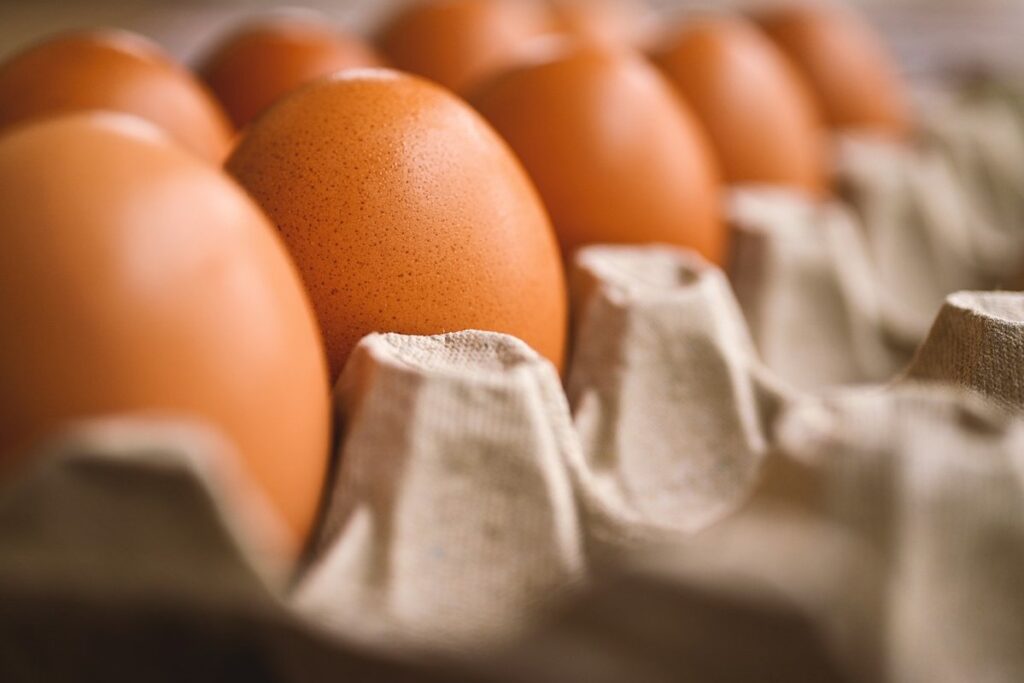
An egg is often considered one of the most mysterious and fascinating objects in nature. Its unique structure is essential for the development of a chicken embryo. Let’s take a closer look at its components: the shell, membrane, and contents.
The outer layer of an egg is its hardshell, which provides protection and support to the delicate contents inside. Underneath the shell lies the cuticle or bloom, a waxy coating that prevents bacteria from entering. Next comes the inner membrane, which is semi-permeable and helps control gas exchange between the egg’s interior and exterior.
Inside the egg, you’ll find the albumen (or egg white), a clear liquid surrounding the yolk. The yolk itself contains most of the nutrients and fat needed for embryonic development. The vitelline membrane separates the yolk from the albumen. When an egg is fertile, it will begin to develop into a chicken embryo after incubation.
The intricate balance between these components ensures that the egg provides optimal conditions for the growth and development of a healthy chick. By understanding the structure and function of each part, we can appreciate the incredible complexity and beauty of this remarkable biological system.
Fertilization and Implantation
When it comes to understanding how an egg is formed, fertilization and implantation are two crucial processes that occur within a hen’s reproductive system. Fertilization begins with the release of sperm from the rooster’s cloaca during mating. This sperm then travels through the oviduct of the hen, where it meets the waiting egg cells.
The yolk of the egg is actually released by the hen in response to hormonal changes, and it takes about 24 hours for the entire egg cell to form. Meanwhile, a small number of sperm manage to penetrate the outer layer of the egg white, called the zona pellucida. The most successful sperm then fuses with the egg cell, resulting in fertilization.
After fertilization, the zygote – the fertilized egg – begins to travel down the oviduct towards the hen’s vent. Here, it implants into the lining of the uterus, much like a human embryo does. The implantation process takes several hours and involves the zygote burrowing into the uterine wall for nourishment. As the fertilized egg develops further, it absorbs nutrients from the hen’s bloodstream and begins to grow in size.
Early Embryonic Development
As we delve into the intricacies of embryonic development, let’s first explore the early stages that take place before an egg is even laid by the mother hen. This process begins with cleavage, where the fertilized cell undergoes multiple divisions without significant growth. The resulting cells are compact and tightly packed, eventually forming a morula.
At this stage, the morula consists of around 16-32 cells, which begin to differentiate into distinct layers. As development continues, the morula transforms into a blastocyst – a fluid-filled cavity surrounded by two distinct cell populations: the inner cell mass (which will give rise to the embryo) and the trophoblast (which will form the placenta).
These early stages of embryonic development occur entirely within the egg, relying on the nutrients and energy provided by the yolk for growth. It’s remarkable to think that just a few days after fertilization, an intricate process is underway that will ultimately give rise to a fully formed chick.
The Development of Feathers and Organs
Let’s dive into how chickens developed their distinctive feathers and internal organs, a crucial part of understanding embryonic development. We’ll explore what makes each of these characteristics unique.
Prenatal Feather Growth
As we explore the development of feathers and organs in chickens, let’s take a closer look at prenatal feather growth. This fascinating process occurs within the egg itself, where the embryo undergoes remarkable transformations to grow fully formed feathers by hatching time.
Formation of Feathers from Dermal Tissue:
Feather formation begins when dermal tissue, which will eventually give rise to feathers, starts to differentiate around day 18-20 of incubation. This process is triggered by the production of feather-inducing signals, which stimulate the growth of specific cells called feather buds. As these buds develop, they begin to form a hard, keratin-based structure that we recognize as a feather.
It’s essential to note that chickens have fully formed feathers at hatching because their embryonic development allows for this advanced growth. In fact, studies have shown that by day 21-22 of incubation, the chick has already developed its first set of primary flight feathers. This remarkable feat is possible due to the intricate balance between genetic factors and environmental cues within the egg, allowing the embryo to accelerate feather growth during the final stages of development.
This accelerated growth ensures that chickens are fully equipped with their first coat of feathers at hatching time, providing them with essential protection and insulation as they take their first steps outside the egg.
Organ Formation and Maturation
As we delve into the internal development of the chicken embryo, it’s fascinating to see how organs like the heart, lungs, and digestive system start to form. These critical organs begin to develop around 5-6 days after fertilization, during a stage called organogenesis. The heart starts as a simple tube-like structure but quickly develops into four chambers, just like those found in adult chickens.
The development of the respiratory system is equally impressive. By day 8, the lungs have started to inflate and deflate, preparing for the first breaths taken after hatching. Meanwhile, the digestive system begins to take shape around the same time, with the formation of the yolk sac and the liver. As these organs mature, they start to produce essential enzymes and hormones necessary for growth.
As you can see, it’s not just about waiting for 21 days for the egg to hatch; it’s a complex process that involves intricate development of vital organs within the embryo. This remarkable process continues until around day 18, when the organs reach nearly adult-like function.
Chicken Embryos Inside Eggs: Anatomical Details
Let’s take a closer look at the tiny structures that make up a developing chicken embryo inside its egg. From the yolk sac to the embryonic membranes, it’s a complex and fascinating process.
External Anatomy
As you carefully crack open a chicken egg and peer inside, you’ll notice the tiny but vital external features of a developing chick. At about 6-8 days into incubation, you can start to see the beginnings of these critical components that will eventually help our feathered friend thrive outside the egg.
At this early stage, the embryo’s beak is still just a small bump on its head, but it’s already starting to take shape. The beak, which is made of keratin – the same protein that makes up human hair and nails – will continue to grow and harden over the coming days. As you watch, the beak will begin to take on its characteristic shape and size.
By around 10-12 days into incubation, you’ll notice tiny claws starting to emerge from the embryo’s developing wings and feet. These small nubs will eventually grow into sharp, curved talons that will help the chick grasp and climb once it hatches. The delicate feathers that cover the chick’s body are also beginning to take shape during this period, with soft downy fluff replacing the earlier translucent skin.
As the days go by, these external features continue to develop at a remarkable pace. By 16-18 days into incubation, you’ll notice fully formed claws and a beak that is now hard and keratinized. The feathers are also more prominent, with longer, coarser quills emerging from the downy layer.
Internal Anatomy
As we delve into the world of chicken embryos inside eggs, let’s take a closer look at their internal anatomy. The heart is one of the first organs to form, pumping blood through a network of tiny vessels around day 3-4 after fertilization. This cardiovascular system gradually develops and becomes more complex as the embryo grows.
By around day 7, the lungs start to develop, forming small buds that eventually branch out into the gas-exchanging structures we see in adult chickens. The digestive system also begins to take shape during this period, with the liver producing bile and the pancreas secreting enzymes to break down nutrients.
The brain and nervous system are among the last major organs to form, but they quickly become functional as the embryo develops. Sensory receptors start to appear around day 7-8, allowing the embryo to respond to external stimuli. By day 20, most major organs have formed, and the chicken embryo is on its way to hatching.
The rate at which these organs mature depends on factors like temperature, nutrient availability, and genetic predisposition, but understanding their development can provide valuable insights into the delicate balance required for successful chick growth.
The Timing of Hatching: When Do Chickens Really Hatch?
One of the most commonly asked questions by backyard chicken enthusiasts and farmers is when, exactly, chickens take their first breath inside an egg. Let’s explore this fascinating process together.
Fetal Development vs. Embryonic Development
When it comes to understanding the hatching process of chickens, it’s essential to grasp the fundamental differences between fetal development in mammals and embryonic development in birds. In mammals, such as humans, a fetus undergoes rapid growth and differentiation during gestation, eventually leading to birth. This process is characterized by the development of complex organs and tissues.
In contrast, embryonic development in birds like chickens is a unique process where the embryo develops from a single cell into a complex organism outside of the mother’s body. This process begins when the fertilized egg, or zygote, undergoes several cell divisions to form a blastoderm – a cluster of cells that will eventually give rise to various tissues and organs.
Understanding this distinction is crucial when studying hatching as it highlights the remarkable adaptability of birds in developing outside of their mother’s body. By appreciating these differences, you can better comprehend the intricate mechanisms at play during the hatching process. This knowledge can also inform strategies for optimizing egg incubation conditions to promote healthy chick development and successful hatch rates.
Pre-Hatching Stages
As we explore the timing of hatching, it’s essential to understand the pre-hatching stages that occur before a chicken finally emerges from its egg. These stages are crucial for the chick’s development and survival.
About 21 days into incubation, the embryo begins to prepare for life outside the egg. The first sign of this preparation is the formation of the beak, which starts to break through the eggshell. This process is called pipping, where the chick makes small holes in the shell with its strong beak and then expands these holes until it can escape.
As pipping begins, the embryo also starts to absorb nutrients from the yolk sac, which was the primary source of nutrition up until this point. The chick’s heart rate increases, and it begins to move around the egg, getting ready for the final push out.
Just before hatching, you may notice the chick making loud pip-pip-pip sounds or vibrating its beak against the shell. This is a sign that it’s almost ready to break free. As you watch your chick’s progress, remember not to intervene – let nature take its course and allow the chick to emerge on its own.
Debunking Common Misconceptions About Chickens Inside Eggs
One of the most enduring myths surrounding chicken and egg is that chickens can actually lay eggs containing fully formed chicks, but what’s really going on here? Let’s set the record straight.
Separating Fact from Fiction
One of the most enduring misconceptions about chickens inside eggs is that they are fully formed birds ready to hatch at a moment’s notice. However, this simply isn’t true. Chickens take approximately 21 days to develop inside an egg, but they don’t have fully formed wings or legs until closer to hatching time.
Let’s examine the idea that chickens can peck their way out of the egg. This notion is likely born from observations of chick hatchlings using their beaks to pip (or crack) through the shell as part of the normal hatching process. However, this doesn’t mean they’re capable of breaking free completely without any assistance.
Another common myth circulating online and offline claims that chickens inside eggs can swallow their own feet or even eat their way out of the eggshell. This claim has no basis in reality; chick embryos develop within a protective membrane called the amnion, which shields them from the yolk sac and keeps food sources separate from the embryo itself.
To put these misconceptions to rest once and for all, consider this: chickens don’t possess any biological tools or features that would allow them to break out of an eggshell without assistance. Their tiny beaks are only capable of making small openings in the shell as a part of normal development.
The process of hatching is complex and involves several critical stages where chicks need help from others – usually their mother hen, but sometimes humans can step in during breeding programs or when raising chickens for meat. By understanding these realities behind chick growth inside eggs, we’re not only separating fact from fiction but also gaining a deeper appreciation for the intricate biology at work here.
The Evolutionary Significance of Chicken Embryos Inside Eggs
At its core, understanding chicken embryos inside eggs is crucial to grasping the incredible evolutionary journey that has shaped these fascinating creatures over millions of years. Let’s dive into the science behind it.
Adaptive Advantages
As we explore the evolutionary significance of chicken embryos inside eggs, it’s essential to consider the adaptive advantages this reproductive strategy has provided birds like chickens. The development of embryos within eggs allows for a unique set of benefits that have contributed significantly to their success.
One of the primary advantages is the ability to control environmental factors. By encapsulating the embryo in an egg, parents can regulate temperature, humidity, and even provide essential nutrients. This level of control enables chicks to develop under optimal conditions, increasing their chances of survival. In environments with unpredictable weather patterns or scarce resources, this strategy becomes even more crucial.
In arid regions, for instance, eggs provide a protected space where embryos can develop without the risks associated with open-nesting. This is particularly evident in desert-dwelling bird species that have adapted to lay eggs in underground burrows or other sheltered locations. By adopting this reproductive strategy, birds like chickens have been able to thrive in various ecosystems, ultimately contributing to their evolutionary success.
Comparison with Other Vertebrates
When we compare the reproductive strategies of chickens with other vertebrates, several unique features become apparent. Unlike mammals, which give birth to live young after a relatively short gestation period, chicken embryos develop inside eggs that are incubated outside the mother’s body. This process is more similar to reptiles, such as snakes and lizards, but with some key differences.
One notable feature of chicken development is the formation of a protective layer around the embryo, called the amnion, which helps regulate the internal environment and prevent water loss. In contrast, fish reproduce through internal fertilization, releasing eggs into the water that are then fertilized externally by sperm. This external fertilization process reduces the level of control over embryonic development.
Interestingly, the chicken’s reproductive strategy also allows for a more complex communication between mother and embryo. The eggshell membrane contains various hormones and proteins that regulate the growth and development of the embryo during incubation. This intricate exchange highlights the remarkable adaptability of the chicken’s reproductive system, which has evolved to optimize survival rates in a wide range of environments.
Frequently Asked Questions
How do I apply the understanding of embryonic development to improve chicken farming practices?
By grasping the intricacies of chicken embryonic development, you can optimize your breeding programs, improving hatch rates and overall chick health. For instance, understanding the critical periods for organ formation can help you make data-driven decisions about feeding schedules and nutrition plans.
What are some common misconceptions about chicken embryos that this article aims to debunk?
The article addresses myths surrounding fetal development versus embryonic development, prenatal feather growth, and the timing of hatching. One such misconception is that chickens inside eggs don’t develop feathers until after hatching, when in fact, they do start developing them prenatally.
Can I use the information from this article to educate others about chicken embryonic development?
Yes! The science behind chicken embryonic development is fascinating and deserves to be shared with others. By understanding and explaining it clearly, you can help dispel misconceptions and promote a deeper appreciation for the natural world.