
As any chicken keeper knows, keeping your flock warm and healthy throughout the year can be a challenge. But did you know that selecting the right heat bulbs for your coop is crucial to ensure their comfort and safety? With different breeds, ages, and climates to consider, it’s easy to get overwhelmed by the options available. In this article, we’ll break down the key factors to consider when choosing heat bulbs for your chicken coop, including infrared and ceramic options that are perfect for different needs. We’ll also cover expert tips on placement, size, and monitoring temperature to keep your chickens happy and healthy all year round. By the end of this post, you’ll be equipped with the knowledge to make informed decisions about heat bulb installation in your coop.
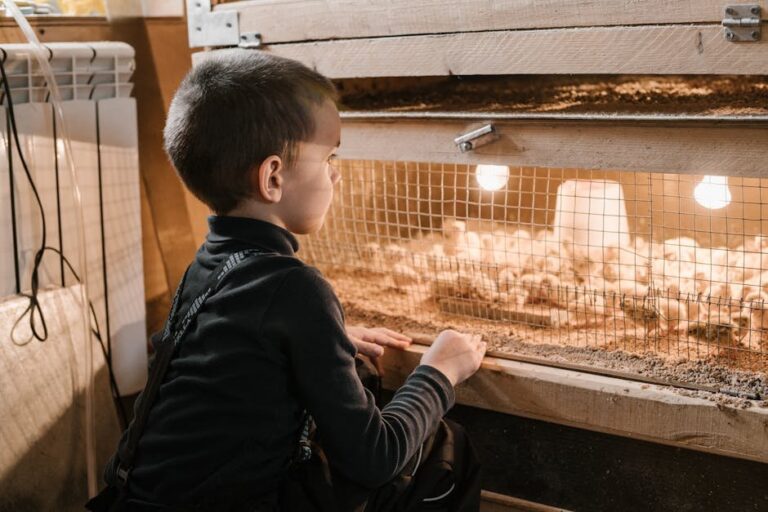
Understanding Chicken Lighting Needs
Now that you know why heat bulbs are essential for your chickens, let’s dive into understanding their lighting needs to ensure you choose the right bulb. Proper lighting helps regulate their internal clock and overall health.
Types of Light for Chickens: Daylight vs. Artificial
Light is essential for chickens, and just like us, they need both natural daylight and artificial lighting to stay healthy. In fact, a study by the University of California found that adequate light exposure can increase egg production by up to 10%. So, let’s dive into the importance of light for your flock.
Chickens require at least 14 hours of natural daylight per day, which is why it’s essential to provide them with an escape-proof run or coop that allows natural sunlight. However, during winter months when daylight hours are shorter, artificial lighting can be used to supplement this. You can use LED bulbs specifically designed for chicken coops, which emit a broad spectrum of light and promote healthy growth.
When choosing artificial lighting, consider the color temperature (measured in Kelvin) – warm white lights (2700-3000K) mimic natural daylight and are ideal for chickens. Aim to provide 1-2 watts of artificial lighting per square foot of coop space. By striking a balance between natural and artificial light, you can ensure your chickens stay happy, healthy, and productive throughout the year.
Factors Affecting Chicken Lighting Requirements
When it comes to choosing heat bulbs for your chickens, understanding their lighting needs is crucial. But did you know that various factors can affect a chicken’s lighting requirements? Let’s dive into the key factors that influence a chicken’s need for light.
Age plays a significant role in determining a chicken’s lighting needs. Baby chicks require more intense lighting than adult hens, as it helps them regulate their circadian rhythms and grow strong bones. As they mature, their lighting needs decrease. For example, if you’re raising broiler chickens, which are typically slaughtered at around 6-8 weeks old, they’ll need more light in the first few weeks of life.
Breed is another critical factor to consider. Some chicken breeds, like Leghorns and Cornish Cross, are naturally more active and require more lighting than others, such as Orpingtons or Plymouth Rock. Climate and season also impact a chicken’s lighting needs. In areas with limited natural light during winter months, chickens may need supplemental lighting to maintain their health and productivity.
When selecting heat bulbs for your flock, consider these factors to ensure you’re providing the right amount of light for their specific needs. This will not only improve their overall health but also help them thrive in their environment.
Heat Bulb Options for Chickens
When it comes to choosing heat bulbs for your flock, you’ll want to consider the various types of bulbs available and what each one can offer in terms of warmth and safety.
Infrared Heat Bulbs: Benefits and Drawbacks
Infrared heat bulbs are an excellent option to consider when it comes to warming your flock. One of the main benefits is their ability to warm chickens efficiently, without wasting energy on heating up the air around them. Unlike traditional heat lamps that emit visible light and heat up the surrounding environment, infrared heat bulbs only radiate warmth in the form of infrared rays, which are absorbed by the chickens’ bodies.
This focused approach not only reduces heat loss but also allows for more even temperature distribution within the coop. As a result, you can achieve the same level of warmth with significantly less energy consumption compared to other types of heat lamps. Furthermore, infrared bulbs are generally safer as they don’t produce any radiant heat or light that could potentially stress your chickens.
When using infrared heat bulbs, it’s essential to ensure proper ventilation in the coop to prevent the buildup of moisture and CO2. A well-ventilated environment will not only keep your flock comfortable but also reduce the risk of respiratory problems associated with poor air quality.
Ceramic Heat Bulbs: A Popular Choice
Ceramic heat bulbs have become a popular choice among chicken keepers due to their impressive durability and cost-effectiveness. In commercial settings, they are often used because of these benefits. One of the main advantages is that ceramic bulbs are resistant to vibrations and can withstand harsh temperatures without degrading.
This makes them perfect for coops with high-traffic areas or where chickens may peck at the bulb. Ceramic heat bulbs also tend to last longer than other types, reducing the need for frequent replacements and saving you money in the long run.
When choosing a ceramic heat bulb, look for one that’s specifically designed for chicken coops. These bulbs usually have a lower wattage output, around 60-100 watts, which is sufficient for small to medium-sized flocks. Remember to always follow the manufacturer’s guidelines for temperature control and ensure proper ventilation in your coop to prevent overheating.
Some ceramic heat bulb models even come with built-in thermostats or timers, making it easier to regulate temperatures and maintain a comfortable environment for your chickens. By choosing a high-quality ceramic heat bulb, you can provide a safe and healthy space for your flock while keeping costs under control.
Safety Precautions When Using Heat Bulbs
When using heat bulbs for your chickens, it’s crucial to take some extra precautions to avoid any accidents or injuries. This includes being mindful of the bulb’s temperature and handling.
Preventing Burns and Fires
When using heat bulbs to warm your chicken coop, safety should be your top priority. Burns and fires can occur due to various reasons such as malfunctioning bulbs, improper installation, or neglecting regular maintenance. A single incident can lead to devastating consequences for both you and your flock.
Malfunctioning heat bulbs can overheat and catch fire, causing irreparable damage to your coop. This is often due to a manufacturing defect or a worn-out bulb that’s past its expiration date. To prevent such incidents, ensure that you purchase high-quality heat bulbs from reputable manufacturers. Regularly inspect the bulbs for signs of wear and tear, replacing them every six months as recommended by the manufacturer.
Improper installation can also lead to burns and fires. For example, placing a heat bulb too close to flammable materials or bedding can cause it to overheat and ignite nearby combustible objects. Always follow the manufacturer’s instructions when installing a new heat bulb, ensuring that you maintain a safe distance from any potential fire hazards.
Regular maintenance is also crucial in preventing burns and fires. Clean up any debris or dust that may accumulate around the heat bulbs, as these can easily ignite if not removed promptly. Furthermore, ensure that your coop has adequate ventilation to prevent the buildup of carbon monoxide gas, which can be deadly for chickens.
To minimize risks, keep a fire extinguisher nearby and conduct regular safety checks on your heat bulbs and coop. By taking these precautions seriously, you’ll be able to create a safe environment for your flock to thrive in.
Installation and Maintenance Tips
Now that you’ve chosen the right heat bulb for your flock, it’s time to learn how to safely install and maintain it to keep your chickens cozy and healthy. Proper installation is crucial.
Correct Placement of Heat Bulbs
When placing heat bulbs in the coop, it’s essential to ensure even warmth distribution and prevent overheating zones. This can be achieved by strategically locating the bulbs throughout the enclosure.
To begin with, consider the size of your coop. Larger coops require more heat bulbs to maintain a comfortable temperature. Aim for one bulb per 2-3 square feet of space to guarantee adequate coverage. For example, if you have a 10×12 foot coop, you’ll need at least three heat bulbs placed throughout.
When positioning the bulbs, look for areas where your chickens tend to congregate, such as nesting boxes or feeding stations. These hotspots require more heat to keep your birds comfortable. Place the bulbs about 2-3 feet off the ground to prevent overheating, which can lead to stress and discomfort in your flock.
Avoid clustering bulbs together, as this creates uneven warmth distribution and potentially hazardous conditions for your chickens. Instead, space them out at intervals of around 4-6 feet to promote an even temperature gradient throughout the coop.
To maintain optimal temperatures, ensure the bulbs are securely fastened to a sturdy fixture or metal bracket, keeping them at least 12 inches away from any combustible materials. Regularly inspect and adjust the bulb placement as your flock grows or coops undergo seasonal changes. By carefully positioning heat bulbs, you’ll create a safe and cozy environment for your chickens during the colder months.
Choosing the Right Size and Wattage
When it comes to selecting heat bulbs for your flock, determining the right size and wattage is crucial to ensure they stay warm and comfortable. Let’s dive into the specifics of what you need to consider.
Selecting the Ideal Bulb Size for Your Coop
When it comes to selecting the ideal bulb size for your coop, there are several factors to consider. The primary goal is to ensure that your chickens have a comfortable and safe temperature range within their enclosure. A good rule of thumb is to choose a heat bulb with a wattage that is proportional to the square footage of your coop.
A general guideline is to use 3-4 watts per square foot for smaller coops (less than 100 square feet) and 2-3 watts per square foot for larger coops. For example, if you have a 50-square-foot coop, you would need a heat bulb with a wattage of around 150-200 watts.
Another crucial factor is the size of your chickens. Brooder chickens, which are typically under six weeks old, require more heat than older birds. A good starting point is to use a heat lamp with a higher wattage (around 250-300 watts) for the first few weeks after hatching.
When choosing a bulb size, also consider the coop’s ventilation system and insulation. If your coop is well-insulated and has adequate ventilation, you can opt for a lower-wattage bulb to avoid overheating.
To give you a better idea, here are some general guidelines for common coop sizes:
* Small coops (less than 100 sq ft): 150-200 watts
* Medium coops (100-200 sq ft): 250-350 watts
* Large coops (over 200 sq ft): 400-600 watts
Remember that these are general guidelines, and the specific needs of your chickens may vary. Be sure to monitor their comfort level and adjust the heat accordingly.
Monitoring Chicken Temperature and Health
Regular temperature checks are crucial when using heat bulbs for your flock, so let’s talk about monitoring chicken temperature and health to ensure their well-being.
Using Thermometers to Track Temperatures
Monitoring temperature levels is crucial to maintaining a healthy environment for your chickens. You can’t choose the right heat bulbs without understanding what temperatures they need to thrive. Thermometers are an essential tool for tracking temperatures, and it’s surprising how many backyard chicken keepers don’t use them.
First, let’s discuss why monitoring temperature is important. Chickens have different tolerance levels for cold and hot temperatures. If the coop gets too cold, your chickens will lose heat quickly, leading to respiratory problems and reduced egg production. On the other hand, if it gets too hot, they’ll overheat, which can cause similar health issues.
When choosing a thermometer, look for one that’s specifically designed for indoor use and accurate up to at least 150°F (65°C). You should also consider digital thermometers with a display screen for easy reading. Avoid mercury thermometers as they’re not as accurate and can be hazardous if broken.
To get the most out of your thermometer, place it in a well-ventilated area of the coop, ideally near the heat source. This will give you an accurate reading of the air temperature. You should also check the temperature at different levels within the coop, such as on the roosting bars or at the floor level.
Most importantly, keep a record of your temperature readings to monitor any fluctuations and make necessary adjustments to your heat bulb usage. This is especially crucial during extreme weather conditions when temperatures can drop rapidly in the morning or rise quickly during hot summer days.
By tracking temperature levels with a thermometer, you’ll be able to identify areas where you need to improve ventilation, insulation, or adjust the heat bulb’s wattage to maintain a comfortable environment for your chickens.
Frequently Asked Questions (FAQs)
We’ve anticipated some common questions you might have about heat bulbs for chickens, so here are our answers to get you started. If you still need more guidance, feel free to ask!
Addressing Common Concerns About Heat Bulbs for Chickens
As you consider using heat bulbs to warm your coop, you might have some concerns about their impact on energy consumption and ventilation. We’ve addressed these common questions below.
One of the main worries people have is that heat bulbs will increase their energy bills. While it’s true that running a heat bulb can add to your electricity costs, there are ways to minimize this expense. For instance, look for bulbs with low wattage requirements – around 100-150 watts per bird is sufficient. You should also consider using thermostatically controlled heat bulbs, which will automatically switch off when the temperature reaches a certain level.
Another concern is ventilation. It’s essential to ensure good airflow in your coop to prevent ammonia buildup and moisture accumulation. To balance warmth with ventilation, position your heat bulb so that it blows warm air directly onto the birds, rather than just heating up the space. You can also increase ventilation by opening windows or installing a vent system.
Some people are concerned about the potential fire hazards associated with heat bulbs. However, most modern heat bulbs are designed with safety features such as automatic shut-off and thermal protection. Still, it’s crucial to follow the manufacturer’s instructions carefully and keep an eye on your bulb’s condition.
In terms of overall health, some worry that relying on heat bulbs will make their birds dependent on artificial warmth. While it’s true that chickens can adapt quickly to new conditions, using a heat bulb is only necessary during extreme cold snaps or when introducing new birds to the flock. By providing adequate ventilation and using low-wattage bulbs, you can minimize any potential negative effects.
By being aware of these common concerns and taking steps to address them, you can safely and effectively use heat bulbs to keep your chickens warm and healthy.
Frequently Asked Questions
Can I use heat bulbs with existing coop insulation?
Yes, you can definitely use heat bulbs with existing coop insulation. However, consider upgrading your insulation to ensure it’s adequate for your flock’s needs. Proper insulation will help retain the warmth generated by the heat bulb and reduce energy consumption.
What’s the ideal temperature range for my chicken coop during winter?
The ideal temperature range varies depending on your region and climate. As a general rule of thumb, maintain a minimum of 40°F (4°C) to 50°F (10°C) in colder climates and 60°F (15°C) to 70°F (21°C) in milder regions. Use thermometers to monitor the temperature and adjust accordingly.
How often should I replace heat bulbs for my chicken coop?
Replace heat bulbs every 6-12 months, or sooner if they show signs of wear. Regular replacement will ensure optimal performance and safety for your flock. Also, keep an eye on wattage output as it may decrease over time, affecting the bulb’s effectiveness.
Can I use a single heat bulb to warm my entire coop?
It’s recommended to use multiple heat bulbs strategically placed throughout the coop to maintain even temperature distribution. This will also reduce the risk of hotspots and ensure your chickens stay comfortable and safe.
What are some common signs that my heat bulb installation is malfunctioning?
Monitor for unusual odors, excessive moisture, or visible damage around the bulb. If you notice any of these issues, inspect the installation immediately and address any problems promptly to prevent fires or other safety hazards.