
Are you thinking of adding some new feathered friends to your family, but not sure where to start? The buff duck breed is definitely worth considering. With their rich history and unique characteristics, it’s no wonder why these ducks have captured the hearts of many backyard farmers and waterfowl enthusiasts alike. But what exactly makes them so special? In this comprehensive guide, we’ll delve into the world of buff ducks, exploring their temperament, physical traits, and care requirements in detail. You’ll learn about their origins, how to identify them, and what it takes to keep them happy and healthy in your own backyard. Whether you’re a seasoned duck breeder or just starting out, this article will provide you with everything you need to know about the beloved buff duck breed.
History and Origins
The buff duck breed has its roots in ancient times, with evidence suggesting it was first bred in Europe over 2,000 years ago. Let’s dive into its fascinating history.
Early Development
The origins of the buff duck breed can be traced back to Europe, where it was developed from various other duck breeds. It’s believed that the modern buff duck emerged from crosses between the Muscovy and Pekin ducks, with the introduction of the latter bringing a distinct yellowish-brown plumage to the mix.
In the early 20th century, European breeders began selectively breeding these ducks for their unique coloration and desirable characteristics. One such breeder was the renowned English poultry expert, George Bertram, who in the 1920s is said to have developed the ‘Golden Buff’ line – a precursor to today’s buff duck breed.
Breeders recognized the potential of this new strain and began refining it through meticulous breeding programs. Over time, they successfully introduced desirable traits such as friendly temperament, high egg production, and robust health, making the buff duck an increasingly popular choice among backyard farmers and enthusiasts alike.
19th-Century Breeding
During the 19th century, European breeders embarked on a mission to establish the buff duck as a distinct breed with desirable characteristics. One of the primary objectives was to create a bird that excelled in both temperament and plumage.
To achieve this goal, breeders made deliberate breeding decisions, focusing on birds with striking golden-brown feathers, known for their vibrant coloration. They crossed the Khaki Campbell and Rouen duck breeds, among others, to introduce the sought-after buff coloring. This selective breeding process led to the development of a more compact and robust bird.
As a result of these efforts, the 19th-century breeders succeeded in creating a distinct breed with excellent foraging abilities and high egg production rates. The buff ducks developed during this period laid between 280-300 eggs per year, making them an attractive choice for commercial duck farming operations.
Modern Development
As we delve into the history of the buff duck breed, it’s essential to acknowledge its evolution over time. In recent decades, the modern buff duck has continued to adapt and refine its characteristics. The breed’s popularity among waterfowl enthusiasts has led to a surge in demand for high-quality breeding stock.
To meet this demand, many breeders have focused on selecting birds with desirable traits such as exceptional egg-laying capabilities, robust health, and striking plumage. As a result, modern buff ducks are now recognized for their impressive fertility rates, producing an average of 200-250 eggs per year. Their vibrant yellow feathers have also become a hallmark of the breed, making them a sought-after addition to backyard flocks.
In terms of its global presence, the buff duck has spread far beyond its European roots. Today, you can find reputable breeders and enthusiasts in countries such as the United States, Canada, Australia, and South Africa. Whether you’re an experienced breeder or just starting out, understanding the modern development of this breed will help you make informed decisions when selecting birds for your own flock.
Physical Characteristics
The buff duck breed is easily recognizable by its unique physical features, which set it apart from other waterfowl. Let’s take a closer look at their distinctive markings and build.
Feather Patterns
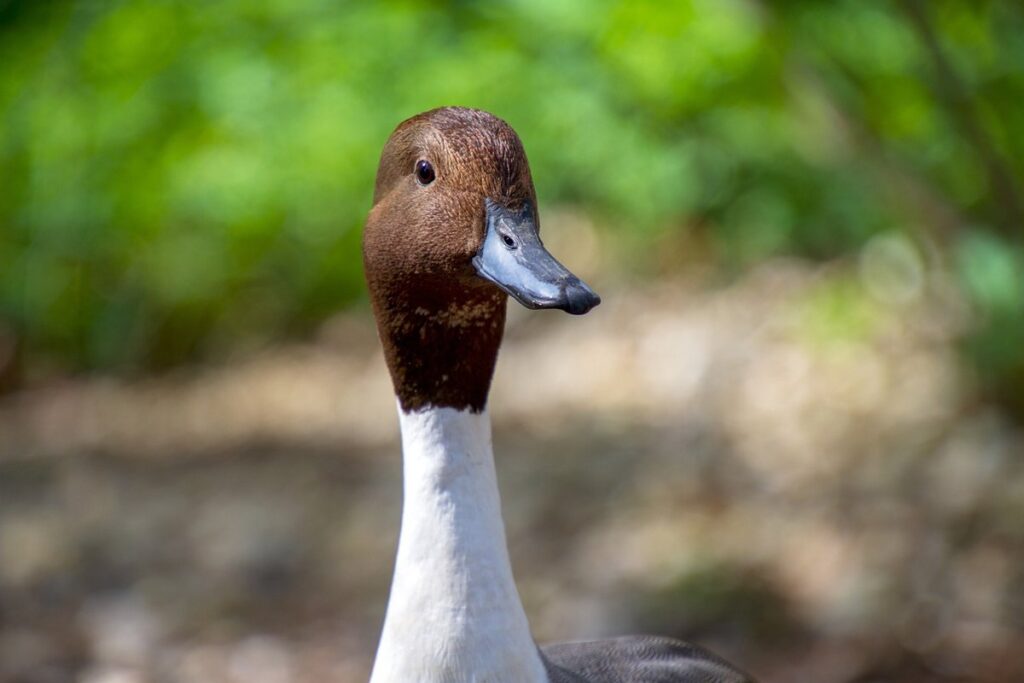
Buff ducks are renowned for their stunning feather patterns, which add to their unique charm and beauty. These birds sport various shades of gold and brown, making each individual uniquely identifiable. The most common feather pattern found on buff ducks is the “buff” or golden-brown plumage with white markings on the head, neck, and wings.
Some buff ducks may also display a “speckled” pattern, where small dark spots are scattered over their golden-brown feathers. This adds to the bird’s visual appeal and makes them stand out in any waterfowl gathering. Another variation is the “brassy” feather pattern, characterized by a more orange-toned gold color with subtle brown undertones.
When identifying the feather pattern of your buff duck, consider the overall hue, the intensity of the colors, and the distribution of markings on their plumage. This will help you determine whether your bird belongs to a specific type or variation within the breed. By recognizing these patterns, you can better appreciate the individual characteristics that make each buff duck unique.
Plumage Variations
When it comes to the buff duck breed, one of its most distinctive and appealing features is its plumage variations. These differences in coloration and pattern can add a unique touch to your backyard flock, making each bird stand out from the rest.
Firstly, let’s talk about solid-colored buffs. As the name suggests, these ducks have a uniform coat color with no white or other markings. They’re often described as having a ‘golden’ or ‘caramel’ hue, which is where they get their buff name. Solid-colored buffs are known for their vibrant plumage and can be found in various shades of brown, from light honey to dark chocolate.
On the other hand, pied buffs have white feathers scattered over their body, often with patches on the breast, wings, or head. This variation creates a beautiful contrast between the white and colored areas, making each bird look like it’s been painted by an artist. Other variations include the lavender buff, which has a soft pinkish hue, and the buff harlequin, which features a mix of colors in a mottled pattern.
No matter which plumage variation you choose, remember that every duck is unique, so don’t be afraid to get creative with your breeding or selection.
Size and Build
Buff ducks are medium-sized birds that possess a unique build and physical characteristics. On average, they weigh between 2-3 pounds (0.9-1.4 kg) and measure around 18-20 inches (45-50 cm) in length. This size enables them to be agile and nimble in the water, making them excellent swimmers.
One of the most notable physical traits of buff ducks is their broad chests and sturdy legs, which allow them to forage efficiently on land. Their wings are also strong and well-feathered, enabling them to take short flights when necessary. Buff ducks have a compact body shape that makes them easy to handle and care for.
Their feathers are another distinguishing feature – soft, fluffy, and water-repellent, with a beautiful golden-brown coloration. This unique coat helps protect them from the elements and adds to their charm. Overall, buff ducks are well-proportioned birds that exude a sense of confidence and health.
Temperament and Behavior
When it comes to owning a buff duck, understanding their temperament and behavior is crucial for building a strong bond and ensuring a happy household. Let’s dive into what you can expect from this friendly breed.
Temperament Overview
When it comes to temperament, buff ducks are renowned for their friendly and docile nature. They are often described as gentle giants, making them an excellent choice for families with children or for those who want a low-maintenance pet. One of the most notable characteristics of buff ducks is their ability to bond strongly with humans. They are known to form close relationships with their owners and can even become quite demanding if they don’t receive attention promptly.
Buff ducks are also highly social animals that thrive on interaction. They love to be around people and will often follow you around the yard or house, looking for treats or simply wanting to be near you. However, it’s essential to remember that buff ducks are still waterfowl and have a natural instinct to roam freely. Make sure to provide them with enough space to exercise and engage in their natural behaviors.
In terms of handling, buff ducks are generally quite docile and can be picked up or handled easily. They may take some time to warm up to new people, but once they feel comfortable around you, they will often nuzzle or lean against your hand for attention. With proper care and socialization, buff ducks can make wonderful pets that bring joy and companionship to any household.
Social Structure
Buff ducks are highly social birds that naturally thrive in flocks. Understanding their social structure is crucial for keeping them happy and healthy. In a group setting, buff ducks establish a pecking order, which may seem intimidating at first, but it’s actually a natural process.
The pecking order is determined by dominance and submission behaviors. The dominant duck will assert its position through aggressive displays such as loud quacking, flapping of wings, or even chasing the subordinate birds. However, this doesn’t mean you should intervene or try to break up the hierarchy. In fact, allowing your buff ducks to establish their own pecking order can help prevent stress and aggression.
To encourage social interaction among your buff duck flock, provide a spacious enclosure with plenty of room for movement and exploration. Introduce new birds gradually to avoid any potential conflicts. With time, patience, and proper management, you’ll be able to observe the fascinating dynamics of your buff ducks’ social structure in action.
Handling and Training
When it comes to handling and training buff ducks, it’s essential to establish trust and respect from an early age. Start by gently picking them up, making sure to support their wings and tail, and get them accustomed to being handled regularly. This will help them become more confident and less prone to flight.
As they grow, introduce short sessions of positive reinforcement training, using treats and praise to encourage desired behaviors such as coming when called or walking on a leash. Be patient and consistent, as buff ducks can be strong-willed at times.
When training for specific tasks like fetching or herding, use clear and concise commands, and reward them with high-value treats and praise upon successful completion of the task. With time and practice, your buff duck will learn to respond reliably, making them a valuable companion on farms, parks, or in backyard settings.
Remember to always handle and interact with your buff ducks gently and carefully, as their friendly nature can sometimes make them unaware of their own strength.
Care and Management
To keep your buff duck happy and healthy, proper care and management are essential. We’ll walk you through the must-know tips on feeding, housing, and general upkeep for this charming breed.
Housing Requirements
When it comes to housing requirements for buff ducks, providing a safe and comfortable living space is essential. A duck house or enclosure should have several key features to meet their needs. First and foremost, the structure must be predator-proof, as buff ducks can be vulnerable to foxes, coyotes, and other predators.
A secure entrance that allows easy access for the owners but keeps unwanted visitors out is a must-have feature. The enclosure should also provide adequate ventilation to prevent ammonia buildup from the droppings and maintain a clean environment. A roof or canopy to protect the ducks from harsh weather conditions like heavy rain, strong winds, and direct sunlight is also necessary.
Consider adding perches and roosting bars for the buff ducks to climb up and settle at night. This will help them get some exercise and give owners an opportunity to inspect their health daily. The enclosure should be large enough to accommodate a swimming area where buff ducks can paddle around freely.
Diet and Nutrition
A well-balanced diet is essential for maintaining good health in buff ducks. These birds are omnivores and require a varied diet that includes grains, proteins, and vegetables.
When it comes to feeding buff ducks, you should provide them with a mix of commercial duck pellets as the main staple, supplemented with fruits and vegetables daily. Leafy greens like kale and spinach, as well as carrots and sweet potatoes, are excellent additions to their diet. You can also offer them small amounts of meat, such as mealworms or crickets, for added protein.
It’s essential to provide fresh water at all times, and ensure that the duck’s living environment is clean and free from disease-causing pathogens. A good rule of thumb is to feed buff ducks 1/4 pound of commercial pellets per day for every 5 pounds of body weight. For example, a 10-pound buff duck would require 2 pounds of pellets daily.
You should also avoid overfeeding your buff ducks, as this can lead to obesity and other health issues. Stick to the recommended feeding guidelines and adjust according to individual needs based on factors such as age, sex, and activity level.
Health Considerations
As a buff duck owner, it’s essential to be aware of the potential health issues that can affect your feathered friends. While they are generally hardy birds, they can be susceptible to certain problems if not properly cared for.
One common issue that affects buff ducks is respiratory disease, caused by bacteria such as Pasteurella and E. coli. This can lead to symptoms like wheezing, coughing, and labored breathing. To prevent respiratory issues, make sure your duck has a clean and well-ventilated living space, and provide regular dust baths to help loosen debris from their feathers.
Another potential problem is feather pecking, which can cause stress and discomfort for your buff duck. This behavior is often caused by boredom or lack of stimulation, so ensure your duck has plenty of toys and activities to keep them engaged.
Regular veterinary check-ups are also crucial in maintaining the health of your buff ducks. Keep an eye out for any changes in their behavior, appetite, or physical condition, and consult a veterinarian if you notice anything unusual. By taking proactive steps to prevent these issues, you can help ensure your buff duck lives a long and healthy life.
Showing and Breeding
If you’re interested in showing off your buff duck’s unique characteristics, or planning to breed them, understanding their specific needs is crucial. This section will cover key considerations for successful shows and breeding programs.
Breed Standards
When it comes to showing buff ducks, understanding the breed standards is crucial. The American Poultry Association (APA) and the American Bantam Association (ABA) are two prominent organizations that establish the guidelines for buff duck breeders and exhibitors.
According to the APA, a buff duck’s physical characteristics include a broad, flat beak; a medium-length neck; and a compact, muscular body. The feathers should be smooth, glossy, and well-laced with white on the breast, belly, and flanks. The APA also emphasizes that buff ducks should have a calm demeanor, making them well-suited for exhibition.
Judges evaluating buff ducks look for conformation to these breed standards, as well as overall appearance, movement, and temperament. In order to prepare your buff duck for showing, focus on maintaining its health, cleanliness, and proper care. Make sure to provide regular exercise and a balanced diet to promote optimal growth and feathering. Additionally, practice handling and grooming techniques with your bird regularly.
When selecting a breed standard or preparing for an exhibition, consider the following:
* A broad beak is essential for efficient feeding
* A compact body indicates good breeding stock
* Calm demeanor makes handling easier and safer
Breeding Programs
Participating in or starting a breeding program for buff ducks can be a rewarding experience, allowing you to contribute to the preservation and improvement of this unique breed. To begin, research existing breeding programs or clubs dedicated to the buff duck breed. These organizations often share knowledge, resources, and expertise that can aid new breeders.
Consider joining a reputable club or organization to gain access to experienced breeders, networking opportunities, and valuable resources. Many clubs also offer mentorship programs, where more seasoned breeders can guide you through the process of selecting breeding stock, managing health issues, and developing a successful breeding strategy.
When starting your own program, select healthy, genetically diverse birds that meet the breed standard. This will ensure a strong foundation for your program’s success. Regularly health-check your birds, maintain accurate records, and stay up-to-date on best practices in duck breeding and genetics to maximize your chances of producing high-quality offspring.
Tips for Beginners
When venturing into the world of buff duck breeding, it’s essential to approach with caution and patience. Novice breeders often underestimate the intricacies involved, which can lead to frustration and disappointment. To avoid this, begin by researching local regulations regarding backyard breeding and ensure compliance.
Gather reliable resources on duck care, health, and behavior to get a comprehensive understanding of their needs. This will help you create a suitable environment for your buff ducks. Start with one pair or a small group to gauge the responsibility involved in caring for these birds.
Observe and learn from experienced breeders or join online communities to gain valuable insights. It’s also crucial to understand that buff ducks require a specific diet, exercise routine, and health checks to thrive. Begin by consulting reputable breed clubs or organizations for guidance on best practices and tips tailored specifically to the buff duck breed.
Developing patience and persistence will ultimately be key to successfully breeding and raising healthy buff ducks.
Conclusion
As you’ve reached the end of our comprehensive guide, let’s summarize the key takeaways and reflect on what we’ve learned about the buff duck breed.
Recap of Key Points
As you’ve reached the end of this comprehensive guide on the buff duck breed, let’s take a moment to recap the key points covered so far. We hope that by now, you have a deeper understanding and appreciation for these beautiful birds.
Firstly, we discussed the origins and history of the buff duck breed, which dates back to the early 20th century in England. You learned about the breed’s unique characteristics, such as its striking golden-brown plumage and friendly temperament.
We also explored the physical attributes of the buff duck, including its weight range, egg-laying capacity, and feather quality. Additionally, we touched on the importance of proper nutrition and care for maintaining optimal health and well-being in buff ducks.
Furthermore, you gained insights into breeding and raising buff ducks, including tips on selecting healthy parents, managing brood sizes, and providing a suitable environment for growth and development.
We also discussed the unique characteristics that make buff ducks an excellent choice for backyard duck keepers. From their friendly demeanor to their adaptability in different environments, buff ducks are perfect for families or individuals looking to start a small-scale poultry operation.
Some key takeaways from this guide include:
• Buff ducks are relatively low-maintenance compared to other breeds
• Regular exercise and social interaction can help prevent behavioral issues
• A balanced diet that includes a mix of grains, proteins, and fruits is essential for optimal health
• Breeding and raising buff ducks requires patience, dedication, and proper knowledge of poultry management
We hope this comprehensive guide has equipped you with the necessary information to confidently raise and care for your buff duck. Remember to always consult local regulations and experts in your area for specific advice tailored to your region. Happy duck-keeping!
Frequently Asked Questions
Can I raise buff ducks if I live in a small space, like an apartment?
Yes, you can still keep buff ducks as pets even with limited space, provided you have access to a small pond or a container pool. However, it’s essential to check local regulations and ensure that your housing setup meets their needs for exercise and movement.
How do I introduce new buff ducklings to my existing flock?
Introducing new ducklings to an existing flock can be challenging, but with patience and proper planning, you can minimize stress on both old and young birds. Start by keeping the new ducklings separate for a few days before introducing them, allowing your current flock to get accustomed to their presence.
What are some common health issues affecting buff ducks?
Buff ducks can be prone to respiratory problems, especially if they’re not kept in clean living conditions or are exposed to cold temperatures. Regular vaccinations, a balanced diet, and proper housing will go a long way in preventing these issues from arising.
Can I breed my own buff ducks for showing or sale?
To breed your own buff ducks, you’ll need to understand the process of selecting breeding stock, ensuring genetic diversity, and meeting breed standards. Familiarize yourself with local regulations and consult experienced breeders before starting a breeding program.
How do I protect my buff duck flock from predators like foxes or raccoons?
Protecting your backyard ducks requires vigilance, especially when it comes to predators like foxes or raccoons. Use fencing that extends at least 3 feet underground to prevent digging and consider investing in an automatic door system for secure access.