
When it comes to wild turkeys, many of us think we know them pretty well. But did you know that there are some remarkable differences between male and female wild turkeys? From their appearance to their behavior, these distinctions can greatly impact their breeding habits, mating rituals, and even the population dynamics as a whole. In this article, we’ll delve into the fascinating world of wild turkey males and females, exploring how they differ in terms of habitat, size, plumage, and more. We’ll also examine what these differences mean for their interactions with each other during breeding season, and how they affect the overall health and sustainability of wild turkey populations. By the end of this article, you’ll have a newfound appreciation for these incredible birds and their complex social dynamics.
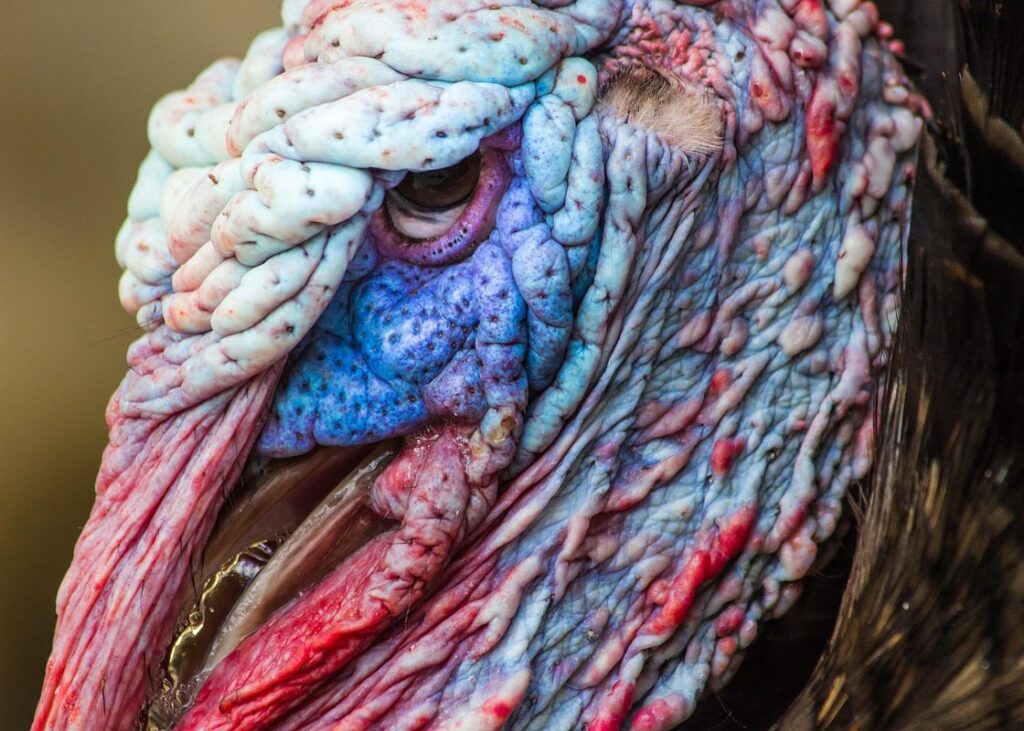
Physical Characteristics of Males and Females
One key way to tell these birds apart is by their physical characteristics, which can be quite distinct between males and females. Let’s take a closer look at what sets them apart.
Plumage and Feathers
When it comes to identifying male and female wild turkeys, their plumage and feathers play a significant role. One of the most noticeable differences is the iridescent sheen on the males’ feathers, particularly during mating season. This vibrant display is often accompanied by a more elaborate arrangement of long tail feathers, which can reach up to 2 feet in length. In contrast, females have shorter tail feathers and lack the same level of sheen.
Males also tend to have longer breast feathers than females, with some species sporting coppery-red or bronze-colored feathers on their chests. These distinctive features serve as a visual signal for potential mates during courtship rituals. When observing wild turkeys in their natural habitat, keep an eye out for these key differences. By paying attention to the length and arrangement of tail feathers, as well as the sheen and coloration of breast feathers, you’ll be able to accurately identify males from females.
Size and Weight
When it comes to physical size and weight, wild turkey males and females exhibit notable differences that are essential to recognize. Males typically weigh between 16-24 pounds (7.3-10.9 kg), with an average height of about 36 inches (91 cm) at the shoulder. Their wingspan can reach up to 4 feet (1.2 meters) or more, showcasing their impressive stature.
In contrast, females are generally smaller and lighter, weighing between 8-14 pounds (3.6-6.3 kg), with an average height of about 28 inches (71 cm) at the shoulder. Their wingspan is slightly shorter as well, typically reaching up to 2.5 feet (76 cm).
To put these differences into perspective, consider this: a male wild turkey’s body mass index (BMI) is often more similar to that of a domesticated turkey, indicating their larger size and weight. This distinction in physical characteristics can be attributed to various factors, including nutrition, genetics, and environmental influences.
These differences are crucial for identifying the sex of a wild turkey, particularly during mating seasons or when observing them in the wild. By recognizing these distinctions, you’ll become more effective at tracking and studying these magnificent birds.
Beak Shape and Color
One of the most distinctive physical characteristics between wild turkey males and females is their beaks. The shape, size, and coloration of a wild turkey’s beak can give you valuable clues about its sex.
The male wild turkey has a more prominent beak than the female, with a wider, shallower curve that resembles a rounded triangle. This is because males use their beaks to engage in fierce displays during courtship, known as “spreading” or “fanning.” These displays involve fluffing out their feathers and spreading their tail feathers while strutting around potential mates.
In contrast, the female wild turkey has a more slender, slightly upturned beak. While not as large as the male’s, her beak is still well-suited for its various uses, such as foraging for food and communicating with other turkeys.
When observing wild turkeys in the wild, look for these differences to determine whether you’re seeing a male or female. Keep in mind that young males (called “jakes”) may have smaller, more delicate beaks that resemble those of females, but this is usually not a reliable indicator of sex until they reach maturity.
Behavior and Habitat of Males and Females
One of the most fascinating aspects of wild turkey behavior is how males and females differ in their daily habits, which we’ll explore next by examining their unique habitats and behaviors. Let’s take a closer look at these differences.
Breeding and Mating Rituals
During breeding season, wild turkey males engage in elaborate mating rituals to showcase their strength and attract potential mates. These displays can be intense and entertaining for observers, but also serve a crucial purpose in the turkeys’ reproductive cycle.
Males will often perform strutting displays, raising their wings and fanning out their tails to create a vibrant display of color. They may also engage in loud calling, drumming on trees with their feet, or even engaging in mock battles with other males. These behaviors signal to females that they are strong, healthy, and worthy mates.
Females, while not as overtly aggressive, play an active role in selecting their mate. They will often observe multiple males’ displays before choosing the one they deem most impressive. In fact, research has shown that females tend to prefer males with more vibrant plumage and robust strutting displays. By paying attention to these subtle cues, you can increase your chances of spotting a successful mating pair in the wild.
Roosting and Nesting Habits
When it comes to roosting habits, wild turkey males and females exhibit distinct behaviors. During migration seasons, both males and females will often roost together in large groups, usually on the ground, but can also be seen in trees if available. However, non-breeding season roosts tend to differ between the sexes. Males typically roost alone or with other males, while females often stay in small family groups.
Nesting behavior is another area where wild turkeys display sex-specific differences. Female wild turkeys are responsible for building and maintaining nests, which are usually located on or near the ground, often hidden from predators by vegetation. They gather materials such as leaves, grasses, and pine needles to construct the nest. The female will lay an average of 10-12 eggs per clutch, and she’ll incubate them for about 28 days before they hatch.
In terms of nesting material preferences, research has shown that females tend to favor areas with dense vegetation for their nests. This is likely due to the need for concealment from predators and protection from harsh weather conditions.
Foraging and Feeding Patterns
When it comes to foraging and feeding patterns, wild turkey males and females exhibit distinct strategies that are shaped by their nutritional needs and environmental pressures. While both sexes share a similar diet consisting mainly of plants, grasses, and insects, there are notable differences in their feeding habits.
Males tend to focus on high-protein food sources such as insects, particularly grubs and caterpillars, which are abundant in fields and meadows. They also engage in “gobbling” behavior, where they gather in small groups to feed on ripe fruits and seeds. This social aspect of male foraging is often accompanied by displays of dominance and courtship behaviors.
In contrast, female wild turkeys tend to favor more nutrient-dense foods like nuts, berries, and leafy greens. Their diet is often characterized by a higher intake of vegetation, particularly during breeding and nesting periods when energy requirements are high. Females also exhibit a more solitary feeding behavior, often foraging alone or in small family groups.
Understanding these differences can help hunters and wildlife enthusiasts appreciate the unique adaptations of wild turkey males and females. By recognizing their distinct foraging strategies, you can better anticipate their movements and adjust your approach accordingly.
Courtship and Mating Display in Males
When it comes to attracting a mate, male wild turkeys have some impressive tricks up their sleeves, from strutting their stuff to engaging in competitive displays. Let’s take a closer look at what makes them so appealing.
Strutting and Fanning
When it comes to attracting females, male wild turkeys have developed some impressive courtship displays. One of the most iconic and recognizable behaviors is strutting, where males puff out their chests, spread their tails, and vibrate their feathers to create a mesmerizing display. This visual spectacle signals dominance and quality as a mate, making it more likely for females to choose him over other suitors.
But that’s not all – male wild turkeys also use fanning as part of their courtship ritual. By spreading their tail feathers wide apart, they expose the bright blue and red skin underneath, creating a stunning visual display. This behavior is often accompanied by loud gobbling sounds, which help to advertise the male’s presence and attract females from afar.
When observing strutting and fanning in action, it’s not uncommon to see multiple males competing for the attention of a single female. In these situations, the most dominant male will often take center stage, using his impressive courtship display to outshine his rivals.
Gobbling and Other Vocalizations
When a male wild turkey is searching for a mate, he’ll often use his unique vocalizations to convey essential information about himself. One of the most recognizable sounds associated with wild turkeys is their gobble, which serves as a primary means of communication during courtship. By listening to the tone, pitch, and frequency of a male’s gobble, females can gauge his fitness, age, and territorial ownership.
A mature male’s deep, resonant gobble signals that he has established dominance over his territory, while younger males will produce higher-pitched calls that may be less effective at attracting females. In addition to the gobble, wild turkey males also use a series of whistles, chirps, and grunts to convey their status. For example, a male will often respond to a female’s call with a softer, more melodic whistle, indicating his willingness to engage in courtship.
If you’re trying to attract wild turkeys for hunting or observation purposes, understanding the nuances of their vocalizations can be incredibly valuable. By mimicking a mature male’s gobble or using calls that signal dominance, you may be able to draw females into your area and observe some fascinating behavior up close.
Female Wild Turkey Behavior and Reproduction
When it comes to female wild turkeys, their behavior and reproductive habits are just as fascinating as those of their male counterparts. Let’s take a closer look at how they navigate nesting, mating, and motherhood.
Incubation and Nesting Duties
During the incubation and nesting periods, female wild turkeys take on significant responsibilities to ensure the survival of their young. One of their primary duties is brooding, which involves keeping the eggs warm and safe from harm. To do this, they will often balance sitting on the nest with periodic foraging excursions to gather food and water.
Female wild turkeys are skilled at managing their time during these critical periods. They will usually return to the nest after a short interval of foraging, carefully checking the surrounding area for potential threats before settling back into brooding position. This delicate balance between tending to her young and obtaining necessary sustenance allows them to successfully incubate eggs and ultimately raise healthy chicks.
In addition to these tasks, females also need to be vigilant about predator avoidance. They will often shift positions on the nest or move it slightly to create a new vantage point, ensuring they can see potential threats from multiple angles. By doing so, they significantly reduce the risk of predation and successfully protect their young until they are old enough to fend for themselves.
Mother-Offspring Interaction
In wild turkey populations, mother-offspring interaction plays a crucial role in the survival and success of young turkeys. Female wild turkeys take on a significant amount of responsibility for caring for their chicks, and this interaction is essential for their development.
One of the most important aspects of mother-offspring interaction is feeding behavior. Female wild turkeys will lead their chicks to food sources, teaching them what to eat and how to forage effectively. This guidance helps young turkeys learn essential survival skills, such as recognizing edible plants and avoiding toxic substances.
Grooming is another vital component of mother-offspring interaction. Female wild turkeys will often preen their chicks’ feathers, helping to keep them clean and free from debris. This behavior also serves as a way for the female to bond with her young and create a sense of trust.
When it comes to predator warning behaviors, female wild turkeys are vigilant and will sound alarm calls to alert other turkeys in the area of potential threats. This early warning system helps protect not only the mother’s own chicks but also other turkeys that may be nearby.
Habitat Selection and Use by Males and Females
When it comes to habitat selection, wild turkey males and females have distinct preferences that often overlap in certain regions. Let’s dive into how they choose where to live and forage.
Vegetation Preferences
When it comes to vegetation preferences, male and female wild turkeys have distinct differences. Females tend to prefer denser vegetation such as shrubs and young trees, particularly those with leaves that provide good cover from predators. In contrast, males often prefer more open areas like fields and meadows where they can forage for food and engage in courtship displays.
One key difference is the type of plants used for shelter and protection. Females will often use thorny or spiny vegetation to shield themselves and their young from potential threats. On the other hand, males tend to use taller vegetation like cattails and sunflowers to stalk their mates during the breeding season. In terms of food, both sexes prefer plants rich in protein such as insects, seeds, and fruits.
For example, in a woodland area, females might use dense shrubs along streams for cover, while males would venture out into adjacent fields to forage for grains and seeds. Understanding these differences is crucial for hunters, wildlife enthusiasts, and conservationists to appreciate the unique needs of male and female wild turkeys in their natural habitats.
Water Sources and Drinking Behavior
When it comes to water sources and drinking behavior, males and females of the wild turkey species exhibit some notable differences. Males tend to have a more extensive home range, which often includes multiple watering holes and sources of fresh water. In contrast, females typically focus on smaller, more localized areas with access to reliable water sources.
This difference in water source selection is largely driven by the males’ mating and territorial behaviors. As they establish their dominance and compete for mates, males need to ensure that potential breeding grounds have adequate water supply. Females, on the other hand, prioritize the needs of their young, often selecting areas with abundant food and water sources to support their growth.
Access to clean water is a critical factor in wild turkey population dynamics. Studies have shown that poor water quality or scarcity can lead to reduced reproduction rates and increased mortality among both males and females. As such, it’s essential for wildlife managers and conservationists to prioritize the protection and restoration of natural water sources within wild turkey habitats. By doing so, they can help maintain healthy populations and ensure the long-term survival of these iconic birds.
Conservation Implications and Management Strategies
As you continue to learn about these incredible birds, it’s essential to understand how conservation efforts can impact wild turkey populations and what strategies land managers use to maintain healthy habitats.
Population Dynamics and Density
When it comes to managing wild turkey populations for sustainable hunting practices, understanding the differences between males and females is crucial. Males tend to be more aggressive during breeding season, which can lead to increased mortality rates among both sexes. This, in turn, affects population dynamics and density.
Research has shown that a balanced sex ratio is essential for maintaining healthy wild turkey populations. When there are too many males, it can lead to a decline in population growth due to increased competition for mates and resources. Conversely, an excess of females can result in overpopulation, putting pressure on habitat quality and ultimately leading to decreased survival rates.
To manage wild turkey populations effectively, game managers must consider the sex ratio when implementing hunting regulations. This may involve setting bag limits or seasons specifically targeting males during breeding season. By taking these differences into account, hunters and conservationists can work together to ensure sustainable wild turkey populations for future generations.
Habitat Restoration and Enhancement
When it comes to conserving wild turkey populations, understanding their unique habitat preferences and needs is crucial. Males and females have different requirements, which can inform habitat restoration efforts to support healthy populations.
Males tend to prefer larger areas with diverse habitats, including forests, fields, and wetlands. They require more space for foraging, roosting, and breeding. In contrast, females focus on smaller, more fragmented areas with abundant food sources, such as seeds, fruits, and insects. They also need protection from predators and human disturbance.
To support both sexes, habitat restoration efforts should prioritize creating a mosaic of habitats that cater to their diverse needs. This can be achieved by restoring and connecting woodlands, meadows, and wetlands. For example, planting native vegetation and incorporating features like food plots, water sources, and shelter belts can provide the necessary resources for both males and females.
By understanding the distinct habitat requirements of wild turkey males and females, conservationists can develop targeted management strategies to promote population health and stability.
Frequently Asked Questions
How can I identify a wild turkey male versus female if I’m not familiar with their physical characteristics?
When observing wild turkeys, pay attention to the length of their tail feathers. Males have longer, more elaborate tail feathers that can reach up to 2 feet in length, while females have shorter and less elaborate tails. Additionally, males often display an iridescent sheen on their feathers during mating season.
Do wild turkey males and females live together year-round, or do they separate after breeding season?
Wild turkey males will typically disperse from the female’s territory after the breeding season, allowing her to focus on incubating eggs and caring for young. However, some males may remain in the area and interact with females during subsequent breeding seasons.
Can I attract wild turkeys to my backyard or property for observation, even if they’re not native to the area?
While it’s possible to create a wildlife-friendly environment that attracts wild turkeys, it’s essential to check local regulations regarding non-native species. In some areas, introducing non-native wildlife can have unintended consequences on ecosystem balance and local biodiversity.
What are some common challenges I might face when observing or studying wild turkey behavior in the wild?
Be cautious of your own impact on the environment; avoid disturbing roosting sites or nesting areas, as this can disrupt the birds’ natural behavior. Additionally, be mindful of predators such as coyotes, foxes, and hawks that may prey on wild turkeys.
Can I participate in conservation efforts for wild turkey populations, or are these initiatives typically led by professionals?
Yes, there are various ways to contribute to wild turkey conservation, including habitat restoration projects, wildlife-friendly gardening practices, and supporting organizations dedicated to protecting local ecosystems. Even small actions can have a positive impact on the long-term health of wild turkey populations.