
Quail bird eggs are often overlooked, but these tiny superfoods pack a big punch when it comes to nutrition and benefits. Not only are they rich in protein and iron, but they also contain vitamins A, D, and E, making them an excellent addition to your diet. If you’re looking for ways to boost your energy, improve your skin health, or even support your overall well-being, quail bird eggs might just be the solution. In this ultimate guide, we’ll delve into the world of quail bird eggs, covering their nutritional benefits, care and maintenance, and even some creative ways to incorporate them into your skincare routine. From baking and cooking to DIY face masks and scrubs, get ready to discover the versatility and potential of these tiny eggs.
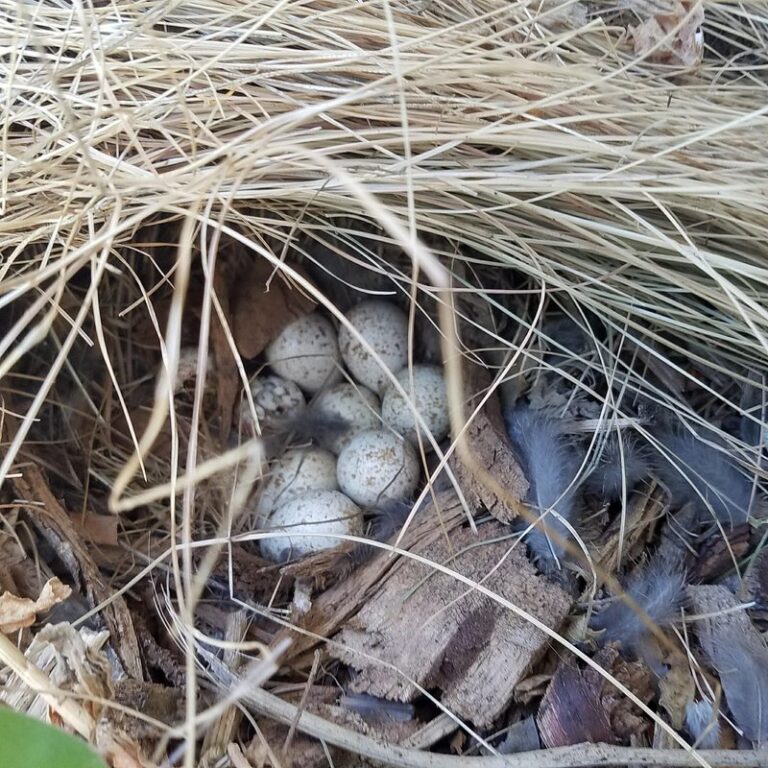
What are Quail Bird Eggs?
Let’s start with the basics: quail bird eggs are tiny, delicate orbs that pack a big punch when it comes to nutrition and versatility in cooking.
Origins and History of Quail Egg Consumption
Quail eggs have been savored as a delicacy for centuries across various cultures. In ancient Japan, quail eggs were considered a luxury item and were often served at special occasions such as weddings and tea ceremonies. The Japanese prized quail eggs for their unique flavor and texture, which was said to be superior to chicken eggs.
In China, quail eggs have been consumed for over 2,000 years and are still considered a staple in many southern provinces. They are often pickled or boiled and served as a side dish or used as an ingredient in stir-fries. Chinese cooks value quail eggs for their compact size and rich flavor, which is said to be more intense than chicken eggs.
In India, quail eggs are considered a popular street food and are often sold by vendors at markets and on the streets. They are typically boiled or fried and served with spices or chutneys. In the United States, quail eggs have gained popularity in recent years due to their perceived health benefits and unique flavor profile.
Quail eggs have been a part of many cultures for centuries, each contributing its own unique twist and culinary traditions. Whether boiled, pickled, or fried, quail eggs continue to captivate foodies around the world with their versatility and delicate taste.
Nutritional Value of Quail Eggs
Quail eggs are not only a delicacy but also offer an impressive nutritional profile. A single quail egg contains about 1.8 grams of protein, making it an excellent source for those looking to boost their protein intake without consuming large amounts of calories.
In terms of fat content, quail eggs contain around 5.4 grams per yolk and 0.6 grams per white, which is significantly lower than chicken eggs. This makes them a great option for individuals watching their weight or managing cholesterol levels.
Quail eggs are also rich in essential vitamins and minerals such as vitamin D, B12, iron, and selenium. Vitamin D plays a crucial role in bone health, while B12 helps maintain the nervous system. Iron supports red blood cell production, and selenium acts as an antioxidant to protect against cell damage.
When choosing quail eggs for their nutritional value, it’s essential to opt for pasture-raised or free-range birds. These birds are fed a more natural diet that includes insects, seeds, and grasses, which enhances the nutritional content of their eggs. Consider adding quail eggs to your diet for a nutrient-rich snack or as an addition to salads and smoothies.
Benefits and Uses of Quail Bird Eggs
Quail bird eggs are a culinary delight, offering a wealth of benefits for cooking and baking, from rich flavor to versatile applications. Let’s explore their many uses and advantages in more detail.
Cooking and Recipes
When it comes to cooking with quail eggs, the possibilities are endless. These tiny eggs may be small, but they pack a big punch in terms of flavor and nutrition. One popular way to use quail eggs is in salads, where their delicate flavor and soft texture add a luxurious touch. Try adding sliced quail eggs on top of a bed of mixed greens for a protein-packed salad that’s perfect for a quick lunch.
Quail eggs also shine in stir-fries, where they can be cooked quickly with your favorite vegetables and seasonings. Simply crack the eggs into a hot wok or skillet, cook until set, then serve over rice or noodles. Another creative way to use quail eggs is in baked goods, such as cakes, muffins, and scones. The yolks add richness and moisture to these treats, making them perfect for special occasions.
Some of our favorite quail egg recipes include a quiche Lorraine made with caramelized onions and fresh thyme, and a simple breakfast frittata filled with spinach, mushrooms, and quail eggs. Experiment with different seasonings and ingredients to find your own unique uses for these versatile little eggs.
Cosmetics and Skincare Applications
Quail bird eggs are increasingly being incorporated into cosmetics and skincare products due to their numerous benefits for the skin. Rich in protein, vitamins, and minerals, quail egg whites can help reduce wrinkles and fine lines by tightening the skin’s texture. The high concentration of vitamin E in quail eggs also makes them a valuable ingredient in anti-aging creams.
In addition, quail egg yolks are rich in fatty acids that nourish and moisturize the skin, reducing dryness and flakiness. They can be used as a face mask or added to skincare products to provide intense hydration. Some beauty enthusiasts even use quail eggs as an alternative to chemical-based peels to gently exfoliate and brighten their complexion.
When using quail eggs in cosmetics and skincare applications, it’s essential to note that they should not come into direct contact with the eyes. Also, if you have sensitive skin, start with a small patch test before incorporating them into your routine. Overall, quail bird eggs offer a natural and effective way to enhance your skincare regimen, promoting healthier and more radiant-looking skin.
Raising Quail Birds for Egg Production
If you’re looking to start a quail egg production, learning how to raise healthy and happy quails is essential, as it directly impacts their egg-laying abilities. We’ll cover the basics of raising quail birds for successful egg production.
Setting Up a Quail Farm or Coop
When setting up a quail farm or coop for egg production, it’s essential to create an optimal environment that promotes the health and well-being of your birds. Start by choosing a suitable location with adequate ventilation, natural light, and protection from harsh weather conditions.
For housing, consider building or purchasing a coop specifically designed for quails. The recommended space per bird is around 1-2 square feet, depending on breed and age. Ensure the coop has easy access for cleaning and maintenance. You can also repurpose an old shed, barn, or even a backyard enclosure.
Proper feeding and nutrition are critical to maintaining healthy quail birds. Provide high-quality commercial quail feed as the main staple, supplemented with fresh fruits, vegetables, and grains. Ensure access to clean water at all times.
Health considerations are also crucial. Implement a regular vaccination program, monitor bird health daily, and maintain accurate records. Consider consulting with local veterinarians experienced in quail care for guidance on disease prevention and treatment.
By following these practical tips, you’ll be well on your way to creating an optimal environment for raising happy, healthy quails that will reward you with plenty of eggs!
Breeding and Management Techniques
Breeding quail birds for egg production requires attention to detail and a deep understanding of their specific needs. A healthy flock is essential for optimal egg laying, so it’s crucial to implement best practices from the start. Begin by selecting high-quality breeding stock that is disease-free and well-suited to your local climate.
To ensure genetic diversity and reduce the risk of inbreeding, consider cross-breeding different strains. This not only increases fertility but also improves overall health and egg quality. Nutrition plays a critical role in quail health; provide a balanced diet rich in protein, calcium, and essential vitamins. Fresh water should always be available, and ensure adequate ventilation to prevent respiratory issues.
Quail flocks are highly social creatures and require regular interaction to maintain mental and physical well-being. Spend time with your birds daily, collecting eggs gently to avoid stressing them further. Establish a routine that includes regular cleaning of the coop and surrounding areas to minimize the risk of disease transmission. By adopting these breeding and management techniques, you’ll be well on your way to raising a thriving quail flock capable of producing high-quality eggs.
Health Benefits of Quail Bird Eggs
You’re probably wondering what all the fuss is about when it comes to quail bird eggs and their incredible health benefits, which we’ll dive into below. Let’s explore the advantages of incorporating these tiny powerhouses into your diet!
Allergy-Friendly Properties
Quail bird eggs are gaining popularity as an allergen-friendly alternative to chicken eggs. This is particularly significant for individuals with severe egg allergies who struggle to find suitable options for their daily protein intake.
One of the primary reasons quail eggs are considered a safer choice is their unique protein structure, which differs from that of chicken eggs. The proteins present in quail eggs, such as ovotransferrin and ovomucoid, have been shown to be less likely to trigger allergic reactions compared to their chicken egg counterparts.
Studies suggest that individuals with severe egg allergies can tolerate small amounts of quail egg without experiencing any adverse effects. However, it’s essential to note that individual tolerance may vary greatly, and a healthcare professional’s guidance is always recommended before introducing quail eggs into your diet.
If you’re considering using quail eggs as an allergen-friendly option, start with a small amount (about 1-2 grams) and monitor for any signs of allergic reactions. With proper handling and preparation, quail eggs can be a valuable addition to the diets of individuals living with egg allergies.
Antioxidant-Rich Composition
Quail eggs are renowned for their exceptional nutritional profile, and one of the key factors contributing to their health benefits is their high antioxidant content. Antioxidants play a crucial role in protecting cells from damage caused by free radicals, which can lead to chronic diseases such as cancer, heart disease, and neurodegenerative disorders. The high antioxidant levels in quail eggs are due to their rich composition of vitamins A, C, and E, as well as minerals like selenium and zinc.
Consuming quail eggs can potentially mitigate oxidative stress and inflammation in the body, which can lead to various health issues. For instance, vitamin C in quail eggs has been shown to enhance collagen production, promoting healthy skin and connective tissue. Additionally, the antioxidant properties of quail egg yolks may help reduce the risk of age-related macular degeneration.
If you’re looking to incorporate more antioxidants into your diet, consider adding quail eggs to your breakfast or snack routine. You can also use them as an ingredient in homemade salad dressings and marinades to boost their nutritional value.
Where to Buy Quail Bird Eggs and How Much They Cost
If you’re eager to get your hands on quail bird eggs, we’ll walk you through where to buy them online and in-store, along with their price points.
Online Retailers and Farmers Markets
When it comes to purchasing quail bird eggs, you have two primary options: online marketplaces and local farmers markets. Online retailers often offer a wide selection of quail egg varieties, including Marans, Blue Bearded, and others. Websites like Amazon, eBay, and specialty food stores may carry quail eggs in bulk or by the dozen.
For a more hands-on experience, consider visiting your local farmers market. Many vendors specialize in selling fresh farm-to-table products, including eggs from their own backyard flocks. This option allows you to support small-scale farming and get eggs that are truly fresh. To find farmers markets near you, check online directories or social media groups focused on local food.
Before making a purchase, ensure the vendor is reputable and provides proper handling and storage of the eggs. Some questions to ask include: What breed of quail are these eggs from? How often do they collect eggs from their flocks? Are the eggs washed or sterilized? By choosing wisely, you can enjoy high-quality quail bird eggs for your culinary adventures.
Factors Affecting Price: Quality, Availability, and Seasonality
When it comes to buying quail bird eggs, several factors come into play that can significantly affect their price. One of the primary considerations is quality. Freshness and cleanliness are crucial when it comes to egg quality, with top-tier producers often charging more for their products due to the extra care taken during the laying process.
Availability also plays a significant role in determining quail egg prices. Regions with high demand but limited supply tend to have higher prices, while areas where eggs are readily available might offer lower costs. For instance, if you live in an urban area and need to import quail eggs from another region, be prepared for higher prices due to transportation costs.
Lastly, seasonality can impact the price of quail eggs. Egg production tends to peak during spring and summer months when quails are more active, resulting in lower prices due to increased supply. In contrast, winter months often see a decrease in egg availability, causing prices to rise. Understanding these market fluctuations will help you make informed purchasing decisions and avoid overpaying for subpar eggs or those that are out of season.
Conclusion and Future Outlook for Quail Bird Eggs
As we conclude our comprehensive guide to quail bird eggs, it’s clear that these tiny marvels are packed with nutritional value, versatility, and charm. With their delicate flavor and rich texture, quail bird eggs are an excellent addition to any dish, from salads to pasta sauces. As you’ve learned throughout this guide, proper care is essential for maintaining the health and well-being of your quail birds, which in turn will ensure a steady supply of high-quality eggs.
By incorporating quail bird eggs into your cooking routine, you’ll not only be enjoying a new culinary experience but also taking advantage of their impressive nutritional profile. As the demand for alternative protein sources continues to grow, it’s exciting to think about the potential future outlook for quail bird eggs – from increased accessibility to innovative recipes and products.
Frequently Asked Questions
Can I use quail bird eggs as a substitute for chicken eggs in all recipes?
No, while quail eggs can be used in baking and cooking, they have a stronger flavor and denser texture than chicken eggs. It’s best to start with small substitutions and adjust the recipe accordingly, as excessive quail egg usage can alter the final product.
How long do quail bird eggs remain fresh after harvesting?
Quail eggs typically remain fresh for 7-10 days when stored in a cool, dry place. Refrigeration can extend their shelf life up to 2 weeks. It’s essential to handle and store quail eggs carefully to maintain their quality and prevent spoilage.
Can I grow my own quail birds for egg production?
Yes, raising quails for egg production is feasible with proper care and management. Quails require a balanced diet, clean living conditions, and regular health checks. Research local regulations and consult with experienced quail breeders to ensure successful breeding and management techniques.
Are there any specific considerations when using quail bird eggs in cosmetics and skincare applications?
Yes, quail eggs are rich in antioxidants and may be beneficial for skin health. However, it’s crucial to note that the high sulfur content can cause skin irritation or allergic reactions in some individuals. Conduct a patch test before incorporating quail egg products into your skincare routine.
How do I incorporate quail bird eggs into my existing cooking repertoire without overwhelming my recipes?
Start by substituting one or two quail eggs for chicken eggs in a favorite recipe and adjust seasoning accordingly. Experiment with small batches to find the perfect balance of flavors, as over-reliance on quail eggs can alter dish character.