
If you’re considering adding some new feathered friends to your backyard flock, you might want to consider Red Sex Link chickens. These birds have become a popular choice among chicken enthusiasts due to their friendly nature and impressive egg-laying abilities. But what makes them so special? And how can you ensure they thrive in your care?
In this article, we’ll delve into the world of Red Sex Link chickens, exploring their origins, characteristics, and needs. We’ll also provide expert tips on how to maximize their egg production, from providing the right nutrition to creating a safe and happy living environment. Whether you’re a seasoned chicken owner or just starting out, our comprehensive guide will help you get the most out of your Red Sex Link flock.
Introduction to Red Sex Link Chickens
Red sex link chickens are one of the most popular breeds for backyard flocks, known for their friendly and docile nature. In this section, we’ll explore what makes them such a great choice for beginners and experienced chicken keepers alike.
Origin and History of the Breed
The Red Sex Link chicken breed has its roots in the 1940s and 1950s, when poultry farmers in the United States began cross-breeding different strains of chickens to create a bird that was both hardy and prolific. The goal was to produce a chicken that could thrive in a variety of environments and meet the demands of commercial egg production.
Through selective breeding, the Red Sex Link emerged as a distinct breed, characterized by its distinctive red-brown plumage and unique sex-linked traits. One of the key innovations behind the Red Sex Link was the use of cross-breeding to link sex determination with egg production. This meant that farmers could identify female chicks at hatch, which made it easier to determine which birds would be most suitable for egg-laying purposes.
The development of the Red Sex Link chicken marked a significant turning point in commercial poultry production, as it provided farmers with a reliable and efficient means of producing high-quality eggs on a large scale. Today, the Red Sex Link remains one of the most popular breeds among backyard flock owners and commercial farmers alike, prized for its excellent egg-laying abilities and hardy constitution.
Characteristics of Red Sex Link Chickens
When it comes to identifying Red Sex Link chickens, their physical characteristics are one of the most telling signs. These birds have a distinctive appearance that sets them apart from other breeds. In terms of size and weight, Red Sex Links typically range between 4-6 pounds for females and 5-7 pounds for males. They’re relatively compact in size, making them ideal for backyard flocks or small-scale egg producers.
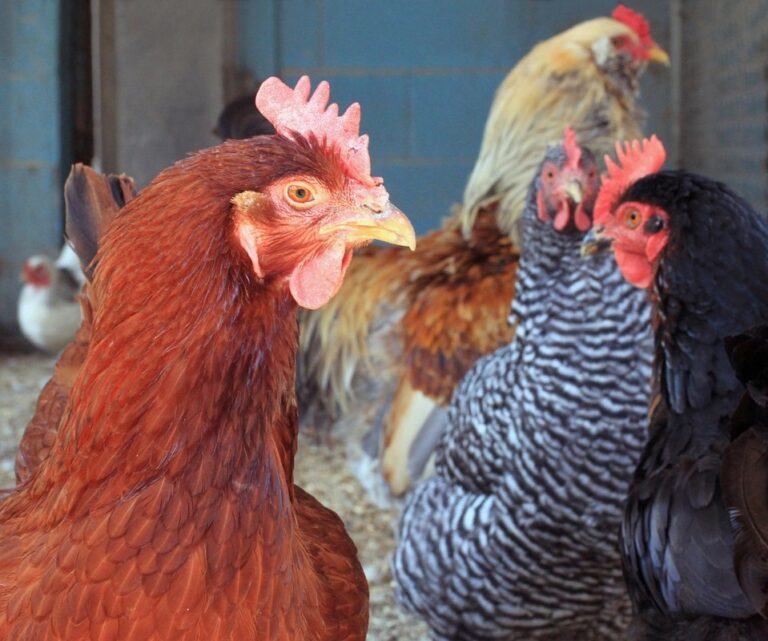
One of the most notable characteristics of Red Sex Link chickens is their vibrant red plumage, which often features black hackles and white undertones. Their feathers are typically short and smooth to the touch, with a glossy sheen that catches the light. As they mature, males will develop a more pronounced red coloration on their faces and legs.
When inspecting your flock, look for these distinctive characteristics: the bright red comb, black tail feathers, and white undertones in the wings. By paying attention to these physical traits, you can accurately identify Red Sex Link chickens within your flock.
Advantages of Keeping Red Sex Link Chickens
If you’re considering bringing home Red Sex Link chickens, it’s essential to know the advantages of keeping them as pets or for egg production. One significant benefit is their exceptional egg-laying capacity. On average, a healthy Red Sex Link hen can lay up to 300 large brown eggs per year, making them an excellent choice for backyard farmers and enthusiasts.
Their temperament is another aspect that sets them apart from other breeds. Red Sex Links are known for being friendly, docile, and easy-going. They make great pets for families with children, as they’re gentle and curious, but not too flighty or aggressive. Their calm nature also makes them an excellent choice for small farms or homesteads where space is limited.
Overall, the advantages of keeping Red Sex Link chickens far outweigh their drawbacks. With their impressive egg production and affectionate personalities, it’s no wonder why they’re a popular choice among chicken enthusiasts. If you’re looking to start your own backyard flock or expand your existing one, Red Sex Links are definitely worth considering.
Breeding and Raising Red Sex Link Chickens
When it comes to raising healthy, thriving Red Sex Link chickens, breeding and raising them from a young age is crucial for long-term success. Let’s take a closer look at this essential process.
Understanding the Genetics Behind Red Sex Link Chickens
When it comes to understanding Red Sex Link chickens, genetics plays a crucial role in their development. These birds owe their distinct characteristics to a specific combination of genes that determine their sex and appearance.
Sex-linkage is the key factor behind the creation of Red Sex Link chickens. This means that the sex of the bird is linked to a specific gene on one of its sex chromosomes. In this case, the gene that determines coloration is located on the Z chromosome, which is present in both males and females but is active only in males.
The recessive nature of the “sex-linked” genes also contributes to the development of Red Sex Link chickens. Recessive genes are those that will be expressed if an individual has two copies (one from each parent) of a particular gene. In the case of Red Sex Link chickens, one parent must carry a dominant gene for red coloration, while the other parent must carry the recessive gene.
This unique combination of sex-linked and recessive genes results in chicks that are either male or female based on their genetic makeup, rather than their physical appearance at hatch. This makes it possible to identify the sex of Red Sex Link chickens as early as 24 hours after hatching.
Choosing the Right Breeders and Hatcheries
When selecting breeders or hatcheries for your Red Sex Link chicks, it’s essential to do your research and choose reputable sources. A good starting point is to check online reviews and testimonials from other customers who have purchased chicks from the same breeder or hatchery. Look for red flags such as poor health conditions, late shipments, or unresponsive customer service.
You can also join poultry-keeping communities or forums to ask for recommendations from experienced breeders. They often share their experiences with different suppliers and can guide you towards reputable ones. Some popular resources include the American Poultry Association (APA) and the National Poultry Improvement Plan (NPIP), which provide a directory of licensed hatcheries.
Before making a purchase, verify the breeder’s or hatchery’s NPIP certification, health guarantees, and vaccination programs. A reputable supplier will also be transparent about their breeding practices, genetics, and chick production methods. Be cautious of suppliers that promise unusually high yields, as this may indicate poor breeding practices. By doing your research and choosing a reputable source, you can increase the chances of getting healthy Red Sex Link chicks for your flock.
Raising Red Sex Link Chicks: Tips and Best Practices
When it comes to raising Red Sex Link chicks, proper nutrition is crucial for their growth and development. Start with a high-quality starter feed that’s formulated specifically for young chickens. This will provide them with the essential nutrients they need to grow strong and healthy.
Provide access to fresh water at all times, and make sure the feeder and waterer are easily accessible to prevent competition and stress. A general rule of thumb is to offer 1/4 pound of feed per chick per day, divided into 3-4 meals. This will help prevent overeating and associated health issues.
Housing should be warm and draft-free, with adequate ventilation to keep the air clean. Aim for a temperature range of 90-100°F (32-38°C) during the first week, gradually reducing it by 5°F (3°C) each subsequent week until it reaches ambient temperatures. Red Sex Link chicks are relatively quiet, but they still need plenty of space to move around and exercise.
Monitor their health closely, watching for signs of illness such as labored breathing, lethargy, or changes in droppings. Keep your chicks separated from older birds to prevent disease transmission, and maintain strict hygiene practices when handling them.
Health Considerations for Red Sex Link Chickens
When raising red sex link chickens, it’s essential to be aware of their specific health considerations, such as disease susceptibility and nutritional requirements. Let’s dive into these important factors.
Common Health Issues Affecting Red Sex Link Chickens
Red Sex Link chickens are generally a hardy and resilient breed, but like all living creatures, they can be prone to certain health issues. As a responsible owner, it’s essential to be aware of the common health problems that can affect your flock.
One of the most significant health concerns for Red Sex Links is respiratory issues. This can be due to factors such as dust, mold, or bacterial infections. Symptoms may include labored breathing, coughing, and lethargy. To prevent respiratory problems, ensure good ventilation in your coop, keep it clean, and provide plenty of fresh water.
Internal parasites are another common issue affecting Red Sex Link chickens. These can be caused by ingesting contaminated food or water, as well as through contact with infected birds. Look out for signs such as weight loss, lethargy, and changes in droppings. Regularly deworm your flock, use clean feeders and watering systems, and keep the coop free of clutter to minimize the risk.
By being aware of these potential health issues and taking preventative measures, you can help ensure the well-being of your Red Sex Link chickens. Regular monitoring and veterinary check-ups are also crucial in maintaining their health.
Preventative Measures to Keep Your Flock Healthy
Maintaining a healthy flock of Red Sex Link chickens requires proactive strategies to prevent diseases and parasites. Vaccinations are an essential preventative measure to protect your flock from common chicken illnesses such as Newcastle disease and Infectious Bronchitis. Consult with a veterinarian to determine the best vaccination schedule for your birds.
Parasite control is another critical aspect of keeping your flock healthy. Regularly inspect your chickens for signs of mites, lice, and fleas, and use appropriate treatments if necessary. Keeping your coop clean and free from debris will also help prevent parasite infestations.
Biosecurity practices are vital in preventing the spread of diseases within your flock. This includes isolating new birds before introducing them to your existing flock, washing hands thoroughly after handling chickens, and disinfecting equipment regularly. For example, consider using a foot bath station with a broad-spectrum disinfectant at the coop entrance.
Remember, a healthy flock starts with a clean environment and responsible management practices. Regularly monitoring your birds’ health and behavior will also help you catch any potential issues early on.
Nutrition and Diet for Red Sex Link Chickens
To keep your Red Sex Link chickens healthy and thriving, it’s essential to provide them with a balanced diet that meets their specific nutritional needs. A well-planned nutrition plan can boost egg production and overall health.
Understanding the Nutritional Needs of Red Sex Link Chickens
When it comes to feeding your Red Sex Link chickens, understanding their nutritional needs is crucial for optimal health and production. As a responsible chicken keeper, you want to ensure that your flock receives the right balance of nutrients to prevent deficiencies and promote overall well-being.
Let’s start with protein – a critical component of every chicken’s diet. Red Sex Links require about 16-18% protein in their feed, which is slightly higher than other breeds. This means they need a high-quality layer feed or a mix of grains, legumes, and insects to meet this demand. A good rule of thumb is to provide about 2-3 pounds of feed per bird daily.
Calcium is also essential for Red Sex Links, particularly during egg production when their bones are constantly being remodeled. You can supplement with crushed oyster shells or dark leafy greens like kale and spinach. As a general guideline, aim for about 1 tablespoon of calcium powder per pound of feed daily.
Vitamin supplements are equally important to support overall health. Consider adding multivitamins or specific supplements like vitamin A and D3 to prevent deficiencies.
Sample Feed Plans and Recipes for Red Sex Link Chickens
When it comes to feeding your Red Sex Link chickens, providing them with a balanced and nutritious diet is crucial for their health and well-being. As they are a cross between Rhode Island Reds and Barred Rocks, their feed plan should reflect the nutritional needs of both breeds.
Here’s an example feed plan tailored to Red Sex Link chickens:
* Starter phase (0-8 weeks): 18% protein layer feed with calcium and phosphorus
* Grower phase (8-16 weeks): 16% protein grower feed with vitamins and minerals
* Laying phase (16+ weeks): 14% protein layer feed with calcium and phosphorus
To create a homemade recipe, you can mix together:
* 1 pound of cracked corn
* 0.5 pounds of oats
* 0.25 pounds of sunflower seeds
* 0.25 pounds of dried mealworms (optional)
* 1 cup of fresh fruits and vegetables daily (e.g., apples, carrots, kale)
Remember to provide fresh water at all times and adjust the feed plan according to your chickens’ individual needs and preferences. Consult with a veterinarian or poultry expert if you’re unsure about any aspect of their diet.
Egg Production and Quality
When it comes to raising Red Sex Link chickens, understanding their egg production and quality is crucial for any backyard chicken keeper. Let’s dive into what you can expect from these prolific layers.
Maximizing Egg Laying Potential in Red Sex Link Chickens
To maximize egg laying potential in Red Sex Link chickens, it’s essential to focus on nutrition, management, and breed selection. A balanced diet rich in calcium, protein, and vitamins is crucial for optimal egg production. Provide a layer feed that meets the chicken’s nutritional needs, supplemented with oyster shells or crushed eggshells to ensure adequate calcium intake.
Proper management also plays a significant role. Ensure your flock has access to clean water at all times, and provide enough space for movement and exercise. Aim for around 5-6 square feet per bird indoors, and ideally more if possible outdoors.
In terms of breed selection, not all Red Sex Link chickens are created equal. Look for breeds with high egg production potential, such as the Ross 308 or the Aviagen Ranger. These breeds have been bred specifically for their ability to produce large numbers of eggs, making them an excellent choice for commercial producers or backyard enthusiasts.
To give you a better idea, consider this: a study by the University of Arkansas found that Red Sex Link hens fed a diet rich in calcium and protein produced 300-320 eggs per year. By focusing on nutrition, management, and breed selection, you can help your flock reach its full egg laying potential.
Factors Affecting Egg Quality in Red Sex Link Chickens
When it comes to egg quality, Red Sex Link chickens are no exception. Several factors can influence the eggs they produce, and understanding these elements is crucial for breeders and farmers who want to optimize their flock’s performance.
One of the most significant factors affecting egg quality is feed quality. A balanced diet rich in essential nutrients is vital for laying hens. Nutrients like calcium, protein, and vitamins play a crucial role in maintaining strong eggshell production and overall reproductive health. Choose high-quality feed that meets your flock’s nutritional needs to produce healthy eggs.
Breeding also has an impact on egg quality. Selecting breeds with desirable traits such as fertility, hatchability, and growth rates can improve the overall performance of your flock. Research reputable breeders who prioritize genetic selection for these factors to ensure you’re getting high-quality birds.
Environmental conditions, including temperature, humidity, and light exposure, also affect egg quality. Ensure that your coop provides a comfortable environment with adequate ventilation, lighting, and temperature control. A clean and well-maintained coop is essential for preventing health issues and maintaining optimal reproductive performance.
By paying attention to these factors, you can improve the overall quality of eggs produced by your Red Sex Link chickens.
Conclusion: Tips for Raising Happy and Healthy Red Sex Link Chickens
Now that you’ve learned all about these wonderful birds, it’s time to put your new knowledge into practice. Here are some valuable tips to help you raise happy and healthy Red Sex Links.
Recap of Key Takeaways
As we wrap up this comprehensive guide to Red Sex Link chickens, let’s take a moment to recap the key takeaways for raising happy and healthy flocks. To ensure you’re providing the best possible care for your feathered friends, remember that these birds thrive on a balanced diet rich in protein, fiber, and essential nutrients.
When it comes to nutrition, provide a starter feed with 18-20% protein content for chicks until they reach eight weeks of age. Gradually transition them to layer feed (16% protein) as they mature. Supplement their diet with fruits, vegetables, and calcium-rich foods to support strong bone growth and overall well-being.
Proper housing is also crucial. Ensure your coop provides adequate ventilation, insulation, and protection from predators. Allocate about 3-4 square feet per bird inside the coop, and provide an additional 8-10 square feet of outdoor space for exercise and foraging.
Maintain a strict biosecurity protocol to prevent disease outbreaks, such as washing hands frequently, disinfecting equipment, and isolating new birds for 30 days before integrating them into your flock. Monitor your birds regularly for signs of illness or stress, and seek veterinary care promptly if you notice any unusual behavior.
Lastly, don’t underestimate the importance of social interaction and enrichment activities. Provide toys, scratching posts, and perches to keep your Red Sex Links entertained and stimulated. With these key considerations in mind, you’ll be well on your way to raising happy, healthy, and productive Red Sex Link chicken flocks that will bring joy and eggs to your life for years to come.
Frequently Asked Questions
Can I keep Red Sex Link chickens indoors, or do they require outdoor space?
Yes, while Red Sex Link chickens are hardy birds that can thrive outdoors, it’s recommended to provide them with a safe and spacious enclosure. They need room to roam, exercise, and engage in natural behaviors like foraging and dust bathing. Consider building or purchasing a sturdy coop with adequate ventilation to ensure their health and well-being.
How do I know if my Red Sex Link chickens are getting the right nutrition?
Red Sex Link chickens require a balanced diet that includes protein-rich foods like layer feed, fruits, and vegetables. To ensure they’re receiving the necessary nutrients, consider consulting with a veterinarian or poultry expert to develop a customized feeding plan. You can also supplement their diet with nutritious treats like mealworms and sunflower seeds.
What are some common health issues affecting Red Sex Link chickens?
Red Sex Link chickens are generally hardy birds, but they can be susceptible to certain health issues like respiratory problems, parasites, and reproductive disorders. Regular monitoring of your flock’s health, maintaining good hygiene practices, and implementing preventative measures like vaccination programs can help minimize the risk of these issues.
Can I keep multiple breeds together with my Red Sex Link chickens?
While it’s possible to keep different breeds together, introducing new birds to an existing flock can be challenging. To avoid conflicts and stress, consider introducing new birds gradually, starting with a single bird from the same breed or a compatible breed that shares similar temperaments.
How do I know if my Red Sex Link chicken is laying eggs at its maximum potential?
Egg production in Red Sex Link chickens can vary depending on factors like nutrition, health, and living conditions. To maximize egg laying, ensure your birds are receiving adequate protein-rich foods, have access to fresh water and clean living space, and receive regular veterinary care. Monitor their egg-laying habits and adjust their diet or environment as needed to optimize production.