
If you’ve ever found yourself captivated by the adorable waddling of baby geese, you’re not alone. These little balls of fluff are an absolute delight to watch, and learning about them is just as enjoyable. But have you ever wondered what a young goose is called? The answer might surprise you! In this article, we’ll delve into the world of goslings – both domesticated and wild – and explore their unique physical characteristics, habits, and more. Whether you’re a seasoned bird enthusiast or just starting to learn about these fascinating creatures, this post will give you everything you need to know about young geese. From their earliest days as vulnerable chicks to their growth into strong and independent birds, we’ll cover it all – so let’s get started!
The Basics of Gosling Identification
Let’s dive into the basics of identifying young geese, also known as goslings, so you can confidently spot them on your next birdwatching adventure.
Defining Goslings and Gossy Terms
When it comes to young waterfowl, understanding the different terms can be confusing. Let’s start with the basics: what is a gosling? A gosling is a baby goose, typically born after an incubation period of about 28 days. As they grow and mature, they’ll eventually develop into adult geese.
But how do goslings differ from other terms like geese, ganders, and even gulls? While all these birds belong to the Anatidae family, they each have distinct characteristics. Geese are large waterfowl with a broad wingspan, known for their distinctive honking calls. Goslings, on the other hand, are much smaller and take several months to reach full growth.
Ganders, often confused with geese, refer specifically to male geese. They’re larger and more aggressive than females during mating season. As for gulls, they belong to a different family altogether (Laridae) and are characterized by their slender build and pointed wings. Knowing the difference between these terms can help you better understand and appreciate these amazing birds as they grow and develop.
Physical Characteristics of Goslings
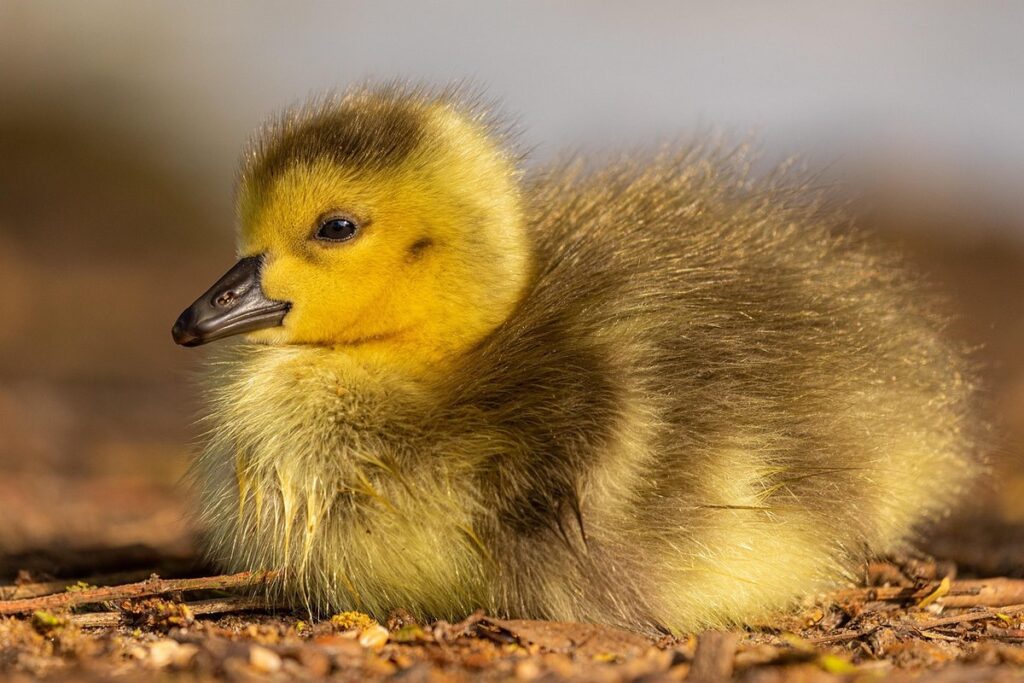
Goslings are adorable young geese that have some distinct physical characteristics that set them apart from adult geese. One of the most noticeable differences is their size. Goslings are much smaller than adult geese, typically weighing between 1-3 pounds (0.5-1.5 kg) and measuring around 12-18 inches (30-45 cm) in length. This small stature makes them look almost vulnerable, but don’t worry, they grow fast!
Another key feature of goslings is their plumage. Baby geese have a soft, fluffy down that’s usually a pale yellow or white color. As they grow and mature, this down will eventually give way to a more adult-like feathers, which are typically brown or gray in color. Keep an eye out for the distinctive black head and neck feathers, though – these are a hallmark of most goose species.
In terms of beak shape, goslings have a small, slightly rounded beak that’s perfect for pecking at grass seeds and other tiny foods. As they grow older, their beaks will become longer and more pointed, but this distinctive little nub is one way to identify a young goose in the first few weeks of life.
Types of Geese and Their Young
Let’s dive into the fascinating world of geese, where you’ll discover the different types of geese that exist and what their young ones are called.
Domesticated Geese and Goslings
When it comes to domesticated geese and their young, breeding and raising them is a process that requires attention to detail and a deep understanding of their needs. Domesticated geese are bred for various purposes, including egg production, meat, and companionship, which can lead to differences in their behavior and characteristics compared to wild geese.
Domesticated goslings are usually born in batches of 2-10 eggs, with the female laying an average of 30-40 eggs per year. Breeders often prioritize factors such as egg size, feather quality, and temperament when selecting parents for breeding programs. Goslings are normally weaned after about four weeks and start to develop their adult plumage by six months.
One unique aspect of domesticated geese is that they can form strong bonds with humans, particularly if hand-raised from an early age. This can make them excellent companion animals, but it also requires regular interaction and attention to prevent behavioral issues. For example, goslings require socialization and training from a young age to ensure they grow into well-adjusted adult geese.
If you’re considering breeding domesticated geese or bringing home a new gosling, research reputable breeders and understand the specific needs of your chosen breed. With proper care and attention, domesticated geese can make wonderful additions to your family.
Wild Geese and Their Goslings
Wild geese and their goslings inhabit a variety of environments, from marshes to grasslands. These waterfowl are known for their impressive migratory patterns, with some species traveling thousands of miles each year between breeding and wintering grounds. As they migrate, wild geese face numerous predators, including hawks, owls, foxes, and coyotes.
One notable aspect of wild goose behavior is their unique brooding habits. Female geese will often lead their goslings away from their breeding grounds to safer areas before beginning their migratory journey. This strategic move ensures the young birds’ survival as they adapt to changing environments and avoid potential threats.
When observing wild geese, it’s essential to maintain a safe distance. Approaching too closely can startle the birds, causing them to abandon their goslings or even attack in defense. By keeping a respectful distance, you can enjoy these magnificent creatures without disrupting their natural habits.
Naming Conventions for Young Geese
When it comes to naming conventions, geese have some unique and fun rules that will help you choose a name that’s just right for your young gosling. Let’s dive into some helpful tips and tricks!
Etymology and Origins of “Gosling”
The term “gosling” has its roots in Middle English, dating back to the 14th century. Derived from the Old English words “gōs,” meaning goose, and the suffix “-ling,” which was often used to form diminutive or young forms of nouns, “gosling” initially referred specifically to a young male goose.
However, over time, its usage evolved, and today it is commonly applied to any young goose, regardless of sex. This broadened definition can be attributed in part to the influence of early American writers, who used the term to describe young geese as a whole.
Literary works such as Robert Louis Stevenson’s “A Child’s Garden of Verses” (1885) feature instances where “gosling” is used interchangeably with other terms like “ganderling.” This fluidity in language usage reflects the complexities of word evolution and highlights how everyday language adapts to regional dialects, cultural influences, and personal preference.
Comparison with Other Bird Species
When it comes to naming conventions for young geese, it’s fascinating to see how other bird species handle their juvenile stages. Let’s take ducks and turkeys as examples. Young ducks are called ducklings, and they remain with their mother until they’re about 8-10 weeks old. During this time, the mother duck teaches them essential skills like swimming and foraging.
Turkeys, on the other hand, have a slightly different approach. Baby turkeys are called poults, and they leave the nest within 24 hours of hatching. The female turkey takes care of her poults until they’re about 4-6 weeks old. Interestingly, both ducklings and poults develop quickly during their juvenile stages, learning essential survival skills from their mothers.
In comparison, goslings – that’s what young geese are called – follow a similar pattern. They leave the nest after hatching and rely on their mother for protection and guidance until they’re old enough to fend for themselves. By understanding how other bird species handle their juvenile stages, we can appreciate the unique naming conventions used for young geese even more.
Goslings in Culture and Folklore
Goslings have a special place in many cultures, often symbolizing innocence and new life. Let’s explore some fascinating examples of gosling appearances in folklore and popular culture around the world.
Symbolism and Significance of Goslings
Goslings have been imbued with rich symbolism across various cultures, reflecting their unique characteristics and qualities. In many ancient mythologies, goslings are associated with rebirth and renewal, embodying the cyclical nature of life. This is evident in Greek mythology, where the goddess Gaia sends a gosling to be raised by the nymphs as an offering to Zeus.
In art, goslings have been depicted as gentle and innocent creatures, often representing purity and vulnerability. The famous artist John Constable’s painting “The Leaping Hare” features a family of goslings in the foreground, emphasizing their delicate nature. Similarly, in literature, authors like Beatrix Potter often use goslings to symbolize childhood innocence and curiosity.
In some cultures, goslings are also seen as harbingers of good fortune. For example, in ancient Egypt, goslings were considered sacred animals, associated with the goddess Isis. In modern times, many people keep goslings as pets or raise them on farms, valuing their friendly and social nature.
Whether in art, literature, or mythology, the symbolism of goslings serves as a reminder of their unique place in our cultural heritage. By embracing these symbolic meanings, we can gain a deeper appreciation for the importance of goslings in our lives.
Gosling-Related Holidays and Traditions
In many cultures around the world, goslings play a significant role in traditional celebrations and holidays. One of the most unique and fascinating examples is the annual Goose Festival held in various countries, often coinciding with springtime. During this festive period, communities come together to celebrate the arrival of new life, including adorable gosling hatchings. Visitors can enjoy live music, delicious local cuisine, and even participate in fun activities like gosling-themed crafts and games.
In some parts of Europe, “Gosling Day” is a cherished tradition where families and friends gather to admire and interact with newly hatched goslings. This special occasion often takes place on a designated day or weekend, allowing people to bond over their shared love for these charming creatures. To make the most of Gosling Day, consider visiting local farms or wildlife sanctuaries that offer gosling encounters. Be sure to respect and follow guidelines for interacting with the birds to ensure both human and animal safety.
In other parts of the world, goslings are celebrated through various festivals and events, such as the Dutch Goose Festival in Groningen, where visitors can witness traditional goose herding demonstrations and sample local delicacies like stamppot (mashed potatoes mixed with kale and sausage).
The Life Cycle of Geese: From Egg to Adult
Let’s take a step back and look at how geese grow from adorable goslings into strong, majestic adults. As we explore their life cycle, you’ll get a better understanding of what makes these birds so unique.
Incubation Period and Hatching
The incubation period for geese typically lasts around 28-30 days, although this can vary depending on factors such as breed and environmental conditions. During this time, the female goose will carefully balance the egg on her feet and under her body to maintain a consistent temperature of around 99-100°F (37-38°C). This precise control is crucial for proper development, and any deviations from this narrow temperature range can have negative effects.
As the days pass, you’ll start to notice changes in the egg’s appearance. The embryo inside will begin to develop feathers, beak, and claws, while also absorbing nutrients from the yolk sac. Around day 25-26, you may see a tiny beak poking out of the shell, signaling that hatching is imminent.
Once the chick breaks free from its shell, it’s essential to handle the new gosling gently but firmly to stimulate breathing and prevent suffocation. This delicate stage requires patience and attention, as the young goose will rely on its caregivers for warmth, food, and protection during its early days.
Gosling Growth and Development
As goslings begin to grow and develop, their transformation into adult geese is nothing short of remarkable. Within just a few weeks of hatching, they can grow up to 1-2 inches per day, with some species doubling in weight within the first month alone. This rapid growth is fueled by an insatiable appetite for food, as goslings need to consume up to 20% of their body weight in nutrients daily.
As they mature, goslings start to develop their characteristic goose features, including a more robust build, longer necks, and those unmistakable webbed feet. Their feathers also begin to take on the distinctive colors and patterns of their species, ranging from snow-white to dark brown. By around 12-14 weeks old, most goslings have reached about half their adult size and are almost indistinguishable from young adults.
By this stage, goslings should be foraging and eating on their own, but it’s essential to provide them with a well-balanced diet rich in nutrients to support their continued growth. As you watch your gosling grow and develop, remember that proper care and attention are crucial during these critical early stages of development.
Conservation Efforts for Geese and Their Young
Conservation efforts are crucial for protecting geese and their young, ensuring their habitats remain safe from harm and preserving the species’ delicate balance in our ecosystem. Let’s take a look at some of these vital initiatives.
Threats to Goose Populations
Goose populations worldwide are facing numerous threats that impact not only their numbers but also their habitats and behaviors. One of the primary concerns is habitat destruction, which can be caused by various human activities such as urbanization, agriculture, and infrastructure development. For instance, the expansion of cities and roads has led to the loss of natural habitats for geese, forcing them to adapt to new environments.
Another significant threat to goose populations is hunting, both legal and illegal. In some regions, geese are hunted for their meat, feathers, or eggs, while in others they are protected by laws and regulations. However, poaching remains a problem, particularly in areas with weak law enforcement. Climate change also poses a major threat to geese, as changing weather patterns and rising temperatures affect their migration routes, food sources, and breeding habits.
These threats not only impact goose populations but also have cascading effects on ecosystems and human communities that depend on them for resources or tourism revenue. By understanding these risks, we can better design conservation efforts that address the needs of both geese and humans.
Organizations Working to Protect Goslings
Several organizations around the world are working tirelessly to protect goslings and their habitats. The National Audubon Society, for instance, focuses on preserving natural habitats and supporting research initiatives that benefit geese and other bird species. They have implemented programs aimed at reducing human-wildlife conflicts, particularly in urban areas where geese often nest.
The International Crane Foundation is another organization dedicated to conserving geese and their habitats. They work closely with researchers to study gosling behavior and development, gathering valuable insights that inform conservation efforts. This research also helps policymakers create more effective regulations and strategies for protecting geese populations.
Supporting these organizations through donations or volunteering can make a significant difference in the lives of goslings. By doing so, you’ll be contributing to ongoing research, habitat preservation initiatives, and education programs aimed at promoting coexistence with geese. This collaboration between conservationists, researchers, and the public is crucial for protecting geese and their habitats.
Frequently Asked Questions
What are the key factors to consider when identifying a gosling in its early stages?
When spotting a young goose, look for features like downy feathers, large eyes, and a long neck. Goslings also tend to be more mobile than adult geese, so observe their behavior, such as waddling or following adults. Additionally, pay attention to the plumage patterns on the gosling’s back and tail.
Can I tell if a goose is domesticated or wild based solely on its age?
While it may be challenging to distinguish between domesticated and wild geese at birth, observe their behavior and habitat as they grow. Domesticated geese tend to be more docile and live in areas with human presence, whereas wild geese are often found in natural habitats with less interaction from humans.
How can I contribute to conservation efforts for goslings and their populations?
Support organizations dedicated to protecting goose populations, such as the International Crane Foundation or local wildlife sanctuaries. You can also participate in citizen science projects, volunteer for habitat restoration initiatives, or spread awareness about the importance of preserving waterfowl habitats.
What are some common mistakes people make when handling goslings, and how can I avoid them?
Be cautious not to imprint young geese by interacting with them too much or feeding them human food. Also, avoid touching their downy feathers as this can cause damage. If you must handle a gosling, use gloves to minimize the risk of transfer diseases.
Can goslings be kept as pets, and what are some essential considerations for raising one?
While it’s possible to raise a gosling from a young age, consider the long-term commitment and specialized care required for these birds. They need regular exercise, social interaction with other geese, and a suitable enclosure that meets their spatial needs. Additionally, ensure you have knowledge about proper feeding, vaccinations, and veterinary care.