
Let’s talk about hens and their incredible ability to lay eggs. You might wonder, “Can my hen still produce eggs after a year or two?” or “How can I encourage her to keep laying healthy eggs?” As it turns out, there are several factors that affect a hen’s egg-laying abilities, from her breed to her diet and living conditions.
In this article, we’ll dive into the world of backyard chicken keeping and explore how hens lay eggs. We’ll cover the different breeds known for their high egg production rates, the importance of nutrition in maintaining healthy laying habits, and environmental factors that can impact your flock’s overall productivity. By understanding these influences, you’ll be better equipped to promote happy and healthy laying birds, which means more fresh eggs for you and your family!
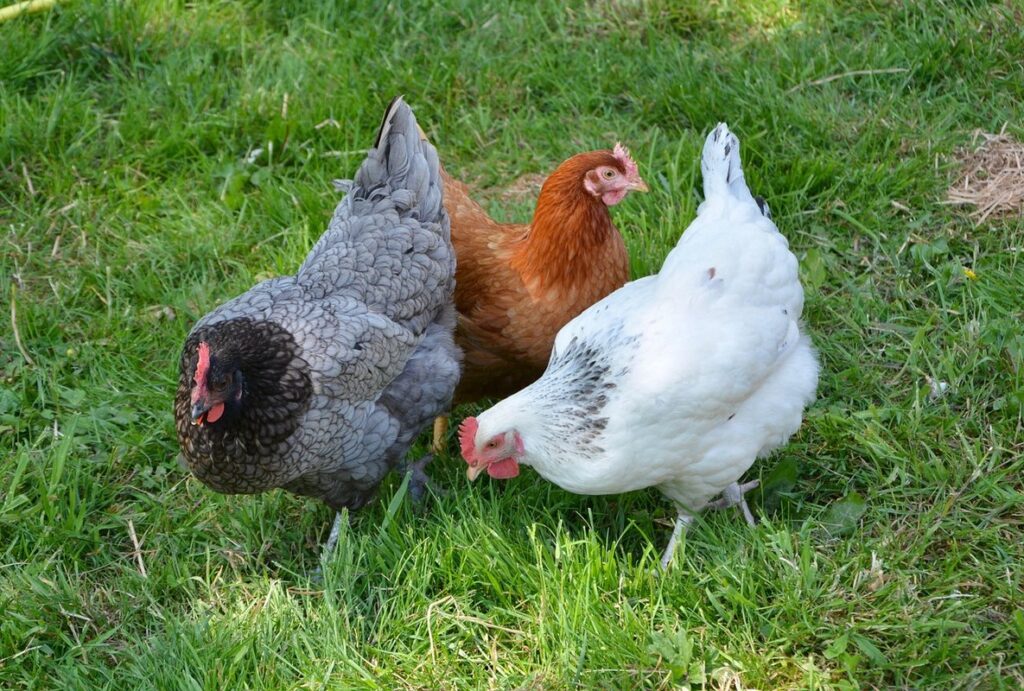
The Basics of Chicken Reproduction
To understand how hens lay eggs, it’s essential to grasp the fundamental biology behind chicken reproduction. Let’s dive into the basics and explore what makes a hen fertile.
Female Fertility and Ovulation
Female fertility and ovulation are crucial processes that enable hens to lay eggs. As we’ve discussed earlier, a hen’s reproductive system consists of the ovaries, oviducts, and vent, where egg formation takes place. However, have you ever wondered what triggers ovulation in female chickens? The answer lies in hormones.
In chickens, the pituitary gland releases follicle-stimulating hormone (FSH), which stimulates the growth of ovarian follicles containing yolks. As these follicles mature, they release an egg yolk into the oviduct, where it’s surrounded by albumen and shell membranes. The role of estrogen is also vital in regulating ovulation, as it helps stimulate the release of the egg from the follicle.
For a hen to be fertile, she must have regular access to a rooster during breeding season, allowing for successful fertilization of her eggs. Fertility can be affected by various factors, including age, nutrition, and health conditions. Ensuring optimal reproductive health through proper care, nutrition, and breeding practices will help increase fertility rates in your flock.
Egg Yolk Formation and Shell Development
Egg yolk formation and shell development are critical processes that determine the quality and quantity of eggs laid by hens. The process begins in the hen’s reproductive system, where a yolky substance is released from the ovaries into the oviduct. As it travels through the oviduct, it picks up nutrients and proteins that will help form the egg white and shell.
Nutrition plays a vital role in this process. A balanced diet rich in calcium, vitamins, and minerals ensures that the hen’s reproductive system has what it needs to produce high-quality eggs. For instance, if a hen is deficient in vitamin D3, her body may not be able to absorb calcium properly, leading to weak or brittle eggshells.
To support healthy egg production, provide your hens with access to fresh water and a nutritious diet that includes leafy greens, fruits, and grains. You can also supplement their feed with omega-3 fatty acids and probiotics to promote overall health and well-being.
Keep in mind that even with optimal nutrition, some hens may not lay eggs at all due to age or health issues. Regular monitoring of your flock’s health and egg production will help you identify any potential problems early on.
Factors Affecting Egg Laying
When it comes to egg laying, several factors can influence a hen’s ability and frequency of producing eggs. Let’s explore some of these key influences together.
Breed-Specific Characteristics
When it comes to egg laying, not all chickens are created equal. Different breeds have been developed over time for specific traits related to egg production, such as frequency, size, and quality. Some breeds, like Leghorns, are bred for their high egg-laying ability, producing up to 300 eggs per year. In contrast, breeds like Orpingtons are known for their large, brown eggs but lay fewer eggs overall.
For example, the Easter Egger breed is a cross between an Ameraucana or Araucana and another breed, resulting in blue or green eggs due to their genetic makeup. Some breeds, such as Marans and Barnevelders, produce dark, chocolate-brown eggs.
When choosing a breed for egg production, consider what traits are most important to you. If you’re looking for high volume, go with a Leghorn or other similar breed. If you prefer larger, more decorative eggs, an Orpington or Marans might be the way to go.
Nutrition and Health Implications
A hen’s ability to lay eggs regularly is heavily influenced by her diet and overall health. A well-balanced nutrition plan is essential for maintaining a healthy reproductive system, which enables a hen to produce eggs consistently.
Common nutritional deficiencies that can affect egg laying include calcium deficiency, protein imbalance, and vitamin D3 insufficiency. Calcium is crucial for building strong eggshells, while protein provides the necessary energy for producing eggs. A lack of vitamin D3 can lead to weaker bones and reduced fertility. Ensuring access to a balanced feed that meets these nutritional needs is vital.
In addition to diet, other health factors such as age, stress levels, and environmental conditions also play a significant role in determining egg production. For example, hens over six months old are generally considered prime layers, while those under this age may not be laying eggs consistently yet. Factors like parasites, diseases, and inadequate nesting boxes can also hinder egg production.
To encourage healthy egg laying, provide your hen with high-quality feed that includes essential nutrients and minerals. Ensure access to clean water, fresh air, and a stress-free environment. Regular health checks and monitoring of your flock’s overall well-being will help identify any potential issues early on.
Chicken Age and Egg Laying
Understanding how age affects a hen’s egg-laying abilities is crucial, as it can vary significantly depending on factors such as breed and individual characteristics. Let’s dive into the details of chicken age and its impact on egg production.
Growth Stages and Puberty
As chickens grow and develop, they go through several distinct stages that ultimately lead to reproductive maturity. Understanding these growth stages is crucial for predicting when a hen will start laying eggs.
Chickens typically reach their first growth stage at around 1-2 weeks of age, known as the brooder phase. During this time, they require warmth, nutrition, and proper care to ensure they develop strong immune systems. As they enter the pullet growth stage (around 4-6 months), chickens begin to show signs of femininity or masculinity, such as comb development and feather growth.
Reproductive maturity is usually achieved between 18-24 weeks for most breeds, although some may take longer. For example, Leghorns typically reach maturity at around 16-17 weeks, while heavier breeds like Orpingtons can take up to 26 weeks or more. Keep in mind that sex also plays a role – roosters will begin crowing and developing sperm at an earlier age than hens.
It’s essential to note that individual development rates may vary depending on factors such as nutrition, environment, and genetics.
Decline in Egg Production with Age
As hens age, their egg production typically begins to decline. This decrease can be quite noticeable, especially after the first year of laying. On average, a healthy hen will start to produce fewer eggs around 2-3 years of age, with some breeds experiencing this decline earlier than others.
One key factor contributing to this decrease is the natural aging process. Hens’ reproductive systems, like those in other animals, have a limited lifespan. As their bodies mature and wear down over time, they’re less capable of producing eggs at optimal levels.
Another reason for the decline in egg production with age is related to nutrition and lifestyle factors. Older hens may not be getting the nutrients they need to maintain healthy egg-laying habits. This can be due to a variety of reasons, including changes in their diet or reduced access to fresh water and sunlight.
In general, it’s common for hens to experience a 10-20% decrease in egg production by the time they reach 3 years old. However, this number can vary depending on breed, genetics, and individual health factors. If you’re experiencing a significant decline in your hen’s egg production, it may be worth consulting with a veterinarian to rule out any underlying health issues.
Environmental Factors Affecting Egg Laying
Environmental factors such as lighting, temperature, and humidity play a significant role in determining how many eggs your hen will lay. We’ll explore these crucial elements next.
Light Exposure and Photoperiod
Light exposure plays a crucial role in regulating a hen’s reproductive cycle, and it has a direct impact on egg laying. Hens are photoperiod-sensitive, meaning they respond to the length of daylight hours by adjusting their hormonal cycles. This is why egg production typically decreases during winter months when days are shorter.
To encourage consistent egg laying, you can manipulate lighting schedules to simulate longer days. This can be achieved using artificial lighting, such as LED lights or fluorescent lamps, in your hen’s coop. Research has shown that a 14-16 hour photoperiod is ideal for stimulating egg production. However, be cautious not to overdo it, as excessive light exposure can lead to stress and decreased egg quality.
For example, if you’re located near the equator where days are long, you may need to reduce lighting hours to prevent hens from producing eggs continuously. Conversely, in areas with limited daylight during winter months, supplementing with artificial light can make a significant difference. Experiment with different lighting schedules to find what works best for your flock.
Temperature and Humidity Impacts
When it comes to maintaining a healthy and thriving flock, understanding the impact of environmental factors on egg laying is crucial. Temperature and humidity levels in the chicken coop or run can significantly influence a hen’s ability to lay eggs regularly.
Extreme temperatures, whether hot or cold, can stress hens and reduce their egg-laying performance. For example, hens can become heat-stressed when temperatures rise above 85°F (30°C), leading to decreased egg production. Similarly, temperatures below 40°F (4°C) can also impact egg laying, as hens may not be able to regulate their body temperature properly.
Humidity levels are equally important, with ideal ranges between 50-60%. When humidity is too high, it can lead to respiratory issues and reduce egg production, while low humidity can cause dryness in the coop and affect the quality of eggs. To mitigate these effects, ensure good ventilation in your coop and consider adding misting systems or fans to regulate temperature and humidity levels.
By paying attention to temperature and humidity fluctuations, you can create a more comfortable environment for your hens to thrive in, which ultimately benefits their egg-laying performance.
Managing Egg Production for Homeowners
As a homeowner considering raising backyard chickens, you’ll want to know how to manage their egg production effectively to ensure a steady supply of fresh eggs. This involves understanding individual hen needs and characteristics.
Tips for Encouraging Healthy Laying Habits
Maintaining a healthy flock is crucial to encouraging regular egg laying. One of the most significant factors influencing egg production is nutrition. Ensure your hens have access to a balanced diet that includes essential vitamins and minerals, such as calcium, vitamin D3, and omega-3 fatty acids. A diet rich in these nutrients will promote strong bone health, reducing the likelihood of egg binding or other reproductive issues.
Another crucial aspect of healthy laying habits is providing adequate space for exercise and stress reduction. Backyard chickens need room to roam and engage in natural behaviors like pecking, scratching, and dust bathing. Aim for at least 2-4 square feet of floor space per hen inside the coop and a secure fenced area for outdoor access.
Regular health checks are also vital in identifying potential issues before they become major problems. Monitor your hens’ behavior, appetite, and egg production regularly. Look out for signs of stress, such as excessive scratching or vocalization, which can impact egg laying. By prioritizing flock health and providing a nurturing environment, you’ll be well on your way to encouraging healthy laying habits in your backyard chickens.
Understanding and Addressing Common Issues
As you start to collect eggs from your backyard flock, you may encounter some irregularities. Egg production can be affected by a variety of factors, and it’s essential to understand these common issues to ensure the health and productivity of your hens.
One common issue is irregularity in egg laying, also known as “off-peak” or “intermittent” laying. This occurs when a hen lays eggs at intervals that are not consistent with her usual frequency. It may be caused by changes in light exposure, diet, or stress levels. For example, hens typically lay eggs in the morning, but if they’re exposed to artificial lighting or unusual feeding schedules, their egg-laying cycles can become disrupted.
To address irregularity in egg laying, ensure that your flock has a consistent and balanced diet, adequate exercise, and exposure to natural light. Provide your hens with enough space to roam and engage in activities such as foraging and scratching. Regular monitoring of egg production will help you identify any potential issues early on, enabling you to make necessary adjustments.
If the issue persists or if your hen stops laying eggs altogether, it’s likely due to a more serious health problem. Consult a veterinarian experienced in poultry care to rule out any underlying medical conditions that may require attention.
Frequently Asked Questions
How can I tell if my hen is fertile?
A hen’s fertility can be determined by observing her reproductive behavior, such as nesting and egg laying habits. If your hen is healthy and laying eggs regularly, it’s likely she’s fertile. However, if you’re concerned about her fertility or have issues with egg production, consult a veterinarian for professional advice.
Can I encourage my older hen to lay more eggs?
While hens typically decline in egg production around 2-3 years of age, some breeds may continue laying eggs well into their teens. To encourage your older hen to lay more eggs, ensure she’s receiving adequate nutrition, regular light exposure, and proper health care.
What happens if my hen’s living conditions are affected by extreme temperatures?
Extreme temperatures can significantly impact a hen’s egg-laying abilities. If it’s too hot or cold, her body may divert energy from laying eggs to maintaining internal temperature, leading to reduced production. Provide your flock with adequate shelter and ventilation to mitigate the effects of temperature fluctuations.
Can I breed my hens for better egg production?
While some breeds are naturally more productive than others, breeding your own chickens requires specialized knowledge and resources. If you’re interested in improving egg production through selective breeding, research the process thoroughly and consider consulting a poultry expert or veterinarian for guidance.
How do I know if my hen’s health issues are affecting her egg-laying abilities?
Monitor your hen’s overall health by observing her behavior, droppings, and physical condition. If you notice any unusual symptoms or changes in her egg-laying habits, consult a veterinarian to rule out underlying health issues that may be impacting her fertility or productivity.