
If you’re considering adding variety to your protein repertoire or simply looking for a sustainable alternative to traditional meats, duck meat is definitely worth exploring. Not only is it a nutrient-rich option, packed with vitamins and minerals like niacin, vitamin B6, and selenium, but it’s also incredibly versatile in the kitchen. From roasted duck breasts to savory stir-fries, the culinary possibilities are endless. But duck meat offers more than just flavor – it also boasts several health benefits, including reduced inflammation and improved cardiovascular health. In this comprehensive guide, we’ll delve into the nutritional profile of duck meat, explore its cultural significance around the world, discuss sustainable sourcing practices, and provide expert advice on cooking methods to bring out its full flavor potential.
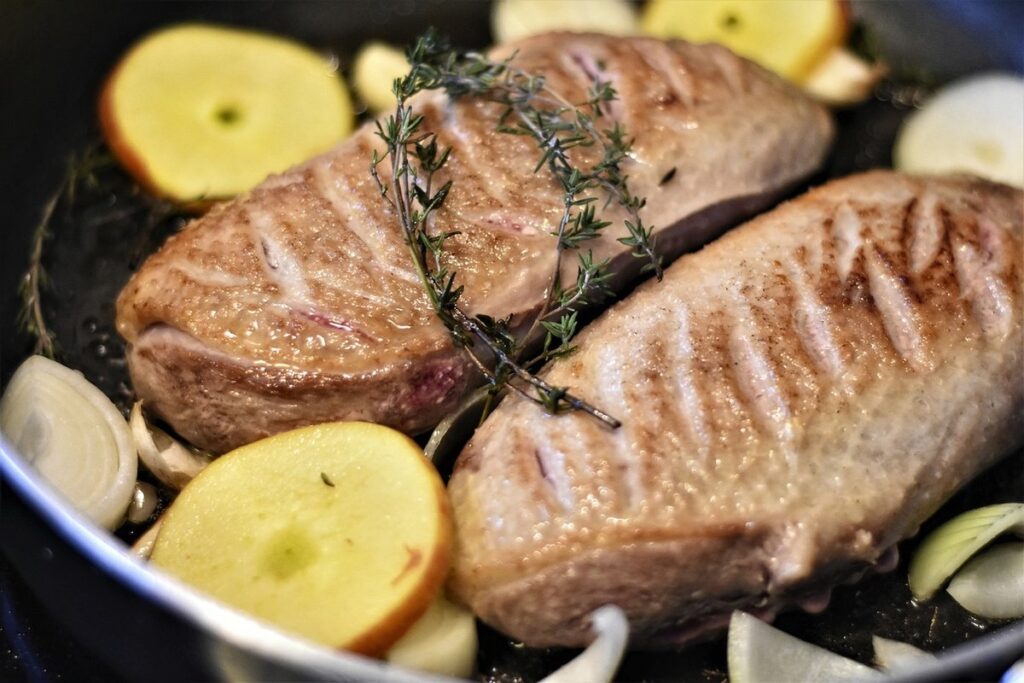
Nutritional Profile of Duck Meat
When it comes to duck meat, understanding its nutritional value is crucial for incorporating it into a balanced diet. Let’s take a closer look at the macronutrients and micronutrients found in duck meat.
High Protein Content
Duck meat is an excellent source of protein, making it an ideal choice for those looking to boost their muscle growth and maintenance. A 3-ounce serving of cooked duck breast contains about 23 grams of protein, which is comparable to other popular protein-rich meats like chicken and beef.
To put this into perspective, the recommended daily intake of protein varies based on factors such as age, sex, and weight. Generally, the National Academy of Medicine recommends that adults consume around 0.8 grams of protein per kilogram of body weight per day. Assuming a 154-pound (70 kg) individual, they would need to consume approximately 56 grams of protein daily.
To maximize your protein intake from duck meat, consider the following tips: cook it without added oils or fats; use a marinade that’s high in acid like vinegar or citrus juice to help break down the proteins; and aim for leaner cuts such as breast or tenderloin. With its high protein content and versatility in cooking methods, duck meat is an excellent addition to any health-conscious diet.
Rich in Iron and Other Essential Minerals
Duck meat is not only a delicacy but also a powerhouse of essential minerals. One of its standout nutritional benefits is its richness in iron, an element crucial for the production of hemoglobin and preventing anemia. In fact, duck breast has been found to contain approximately 3-4 milligrams of iron per 100 grams, which is significantly higher than chicken or beef.
The importance of iron cannot be overstated. Iron deficiency affects millions worldwide, leading to fatigue, weakness, and impaired cognitive function. Duck meat’s high iron content makes it an excellent addition to a balanced diet, especially for individuals with iron-deficiency anemia. To maximize the benefits, cook duck breast using low heat to avoid destroying the iron-rich compounds.
When choosing duck meat, opt for organic or pasture-raised options to ensure higher mineral retention. Also, consume duck in moderation as part of a balanced meal that includes other iron sources like beans, lentils, and fortified cereals.
Cooking Methods and Preparation
When it comes to cooking duck, you’ve got a variety of methods at your disposal, from pan-searing to braising and beyond. In this section, we’ll explore some popular techniques to bring out its rich flavor.
Grilling and Roasting Techniques
When it comes to cooking duck meat, grilling and roasting are two of the most popular techniques that bring out its rich flavors and tender texture. To achieve a perfect crust on grilled duck, start by preheating your grill to medium-high heat (around 400°F). Pat the skin dry with paper towels to prevent steaming instead of searing.
For a crispy exterior and juicy interior, ensure the internal temperature reaches at least 165°F for breast meat and 180°F for thigh meat. To check doneness, insert an instant-read thermometer into the thickest part of the meat, avoiding any bones or fat.
Roasting duck is another great option, especially when you want to retain its moisture. Preheat your oven to 425°F (220°C) and season the duck with salt, pepper, and your choice of herbs and spices. Place the duck on a roasting pan breast side up and roast for about 20 minutes per pound, or until it reaches the desired internal temperature.
Some key considerations when roasting duck include making sure it’s at room temperature before cooking to promote even browning, using a meat thermometer to avoid overcooking, and letting the duck rest for 10-15 minutes after cooking to redistribute juices.
Braising and Stewing for Tender Results
When it comes to cooking duck, slow-cooking methods like braising and stewing are ideal for achieving tender results. By submerging the meat in liquid, you can break down the connective tissues, making the duck incredibly tender and juicy.
One of the key benefits of slow-cooking duck is that it enhances the flavor profile. As the liquid cooks with the duck, it infuses the meat with rich, savory flavors that are hard to achieve through other cooking methods. For example, braising a duck leg in red wine and stock can result in a fall-off-the-bone tender piece of meat that’s packed with depth of flavor.
To get started, choose a heavy pot or Dutch oven that can handle low heat for an extended period. Add some aromatics like onions, carrots, and celery to the bottom of the pan, followed by the duck pieces and your chosen liquid. Bring the mixture to a simmer, then reduce the heat to low and let it cook for 2-3 hours, or until the meat is tender and falls apart easily.
Remember to use a rich, flavorful liquid as the base of your braise or stew, such as stock or wine. This will help to extract the flavors from the duck and create a delicious sauce that you can serve alongside the cooked meat.
Health Benefits of Duck Meat
Duck meat is not only a delicious addition to your culinary repertoire, but it also offers numerous health benefits that make it a great choice for a balanced diet. Let’s explore some of its most significant advantages.
Low in Saturated Fat
One of the most significant advantages of duck meat is its relatively low saturated fat content compared to other meats. A 3-ounce serving of cooked duck breast contains approximately 4 grams of saturated fat, which is significantly lower than chicken breast (6 grams) and beef (10 grams). This characteristic makes duck an attractive option for health-conscious individuals seeking to incorporate more protein into their diets without compromising on nutritional quality.
The implications of this finding are far-reaching. For instance, consuming duck meat can help lower cholesterol levels by reducing the amount of saturated fat in your diet. Moreover, with its leaner profile, duck is a great choice for those following a weight management plan or adhering to specific dietary restrictions such as low-carb or keto diets.
When choosing duck meat, look for options that are labeled as “boneless” or “breast-only,” as these tend to be lower in fat. Additionally, consider cooking methods that promote even fat distribution and retention, such as roasting or grilling, rather than pan-frying which can lead to excessive oil absorption.
Rich in Conjugated Linoleic Acid (CLA)
Duck meat is a rich source of Conjugated Linoleic Acid (CLA), a potent anti-inflammatory compound that has garnered significant attention for its potential health benefits. CLA is an omega-6 fatty acid, found primarily in animal products, particularly in grass-fed beef and lamb, but duck meat also happens to be one of the richest sources.
The potential health benefits of CLA are numerous, starting with its potent anti-inflammatory properties. Studies have shown that CLA can reduce inflammation and improve symptoms associated with conditions such as arthritis, asthma, and allergies. Additionally, some research suggests that CLA may play a role in weight management by increasing muscle mass while decreasing body fat.
If you’re looking to incorporate duck meat into your diet for its CLA content, consider opting for grass-fed or pasture-raised varieties. These types of duck farming practices typically result in higher levels of CLA in the final product. You can then use this nutrient-rich meat as a substitute for beef or lamb in your favorite recipes, such as stir-fries or stews.
Cultural Significance and Traditional Dishes
Duck meat has a rich history of being celebrated around the world, from Chinese Peking duck to French confit de canard, each dish offering a unique cultural twist. Let’s explore these iconic dishes in more detail.
Global Cuisine: A Look at Duck-Based Traditions
Duck meat is a staple ingredient in many cultures around the world, each with its own unique traditions and cooking techniques. In China, for example, Peking duck is a beloved dish that’s been perfected over centuries. The bird is first brined to enhance its natural flavors, then roasted to crispy perfection before being served with steamed pancakes and scallions.
In France, duck is often used in classic dishes like confit de canard, where it’s slow-cooked in its own fat until tender and juicy. This rich, unctuous meat is a staple of rural French cuisine and is often served on special occasions.
In Southeast Asia, particularly in Thailand and Vietnam, duck is commonly used in spicy stir-fries and soups. The bird’s high fat content makes it ideal for slow-cooking, which breaks down the connective tissues and infuses the meat with complex flavors.
Whether you’re cooking Chinese-style Peking duck or Thai-style green curry with duck, the key to success lies in the technique rather than the recipe itself. By mastering basic techniques like brining, roasting, and stir-frying, you can unlock a world of flavor and culinary possibilities when working with duck meat.
Historical Significance in European and Asian Cuisines
Duck meat has been a staple in many cultures around the world for centuries. In Europe and Asia, its rich flavor and versatility have given rise to a diverse array of traditional dishes that reflect the unique histories and traditions of these regions.
In Europe, duck-based cuisine can be traced back to medieval times when ducks were a common source of protein among peasants. Today, countries like France, the UK, and Italy are renowned for their exquisite duck recipes. The French, in particular, have perfected the art of cooking duck with classic dishes like confit de canard (slow-cooked duck leg) and magret de canard (grilled duck breast). Meanwhile, in the UK, roasted duck is a popular centerpiece for family gatherings during special occasions.
In Asia, particularly in China and Korea, duck has long been considered a delicacy. Chinese cuisine boasts an array of dishes featuring roasted or steamed ducks, such as Peking duck and roast duck with pancakes. Korean recipes often incorporate duck into spicy stews and soups. To experience the authentic flavors of these regional specialties, it’s essential to try cooking duck using traditional techniques.
Environmental Impact and Sourcing
When it comes to indulging in duck meat, we want to make sure our love for it doesn’t harm the planet. Let’s take a closer look at how duck farming impacts the environment and where your duck meat comes from.
Sustainable Farming Practices for Raising Ducks
When it comes to raising ducks for meat, many farmers are turning to sustainable farming practices that prioritize animal welfare and environmental stewardship. Organic farming is a great option, as it avoids the use of synthetic pesticides, fertilizers, and genetically modified organisms (GMOs) that can harm both humans and the environment.
One popular method of organic duck farming is free-range systems, where ducks have access to the outdoors and can forage for food and exercise naturally. This approach not only promotes animal health but also reduces the need for antibiotics and other chemicals commonly used in intensive duck farming. For example, a study by the Organic Trade Association found that organic farms tend to use 45% less energy than conventional farms.
If you’re considering raising ducks on your own farm, here are some practical tips: start with a diverse breed selection to ensure genetic resilience; provide a balanced diet that includes a mix of grains and forage; and implement rotational grazing to maintain soil health. By adopting these sustainable practices, not only will you be producing high-quality duck meat, but also contributing to a healthier environment for future generations.
Understanding the Role of Duck Meat in Food Systems
Duck meat plays a significant role in local food systems as a protein source. In many communities, duck farming and consumption are deeply ingrained cultural practices that provide sustenance for families while also contributing to the economy. As such, understanding the importance of duck meat within these systems is crucial.
When sourced locally, duck meat often has a lower carbon footprint compared to imported meats. This is because local farmers typically use more sustainable practices, reducing transportation-related emissions and supporting regional food security. Moreover, duck farming can be an effective way for small-scale producers to generate income, especially in rural areas where other job opportunities may be scarce.
In addition to its economic benefits, duck meat also offers a unique opportunity for food system diversification. By incorporating ducks into their production systems, farmers can improve crop rotation and soil health, while also providing a complementary source of protein for consumers. This diversity helps mitigate the risks associated with monoculture farming practices and supports more resilient local food systems.
Tips for Selecting and Storing Duck Meat
When it comes to incorporating duck meat into your meals, selecting and storing it properly is crucial to ensure freshness and quality. Learn how to pick out the best cuts and store them safely at home.
Choosing the Right Cut for Your Needs
When it comes to selecting the right cut of duck meat for your needs, there are several factors to consider. The most suitable cut will largely depend on your preferred cooking method and personal taste preferences.
For those who prefer tender and leaner meat, breast cuts such as boneless duck breasts or Peking-style breast fillets are excellent choices. These cuts are ideal for grilling, roasting, or sautéing, making them perfect for those who enjoy quick and easy meals.
On the other hand, if you’re looking for a heartier and more indulgent option, consider using the legs or thighs of duck meat. These cuts have more connective tissue, which breaks down beautifully when slow-cooked in stews or braises. This makes them ideal for those who enjoy long-simmered meals.
Some other popular cuts include wings and confit-style leg pieces. Wings are perfect for snacking or appetizers, while confit-style legs offer a rich, fall-apart texture that’s sure to impress.
Ultimately, choosing the right cut of duck meat comes down to your individual needs and preferences. By considering these factors and selecting the most suitable cut, you can unlock the full potential of this versatile ingredient.
Proper Storage and Handling Techniques
When storing duck meat, it’s essential to follow proper techniques to maintain its quality and ensure food safety. First, make sure you store it at a consistent refrigerator temperature of 40°F (4°C) or below. Wrap the meat tightly in plastic wrap or aluminum foil to prevent moisture from accumulating and causing spoilage.
For longer storage periods, consider freezing the duck meat. Remove any excess packaging and place the meat in an airtight container or freezer bag to prevent freezer burn. When thawing frozen duck, do so in the refrigerator or cold water, never at room temperature.
When handling duck meat, always wash your hands thoroughly before and after touching it. Use separate cutting boards and utensils for raw poultry to avoid cross-contamination with other foods. Additionally, make sure your kitchen is clean and sanitized regularly to prevent bacterial growth.
Remember, proper storage and handling are crucial in maintaining the quality of your duck meat and ensuring food safety. By following these simple steps, you can enjoy your duck meat dishes while minimizing the risk of spoilage or contamination.
Frequently Asked Questions
Can I feed duck meat to my family with food allergies?
No, it’s essential to consider any dietary restrictions before introducing duck meat into your meals. Some people may be allergic or intolerant to certain proteins found in duck meat. If you’re planning to serve duck meat to a family member with allergies, consult with a healthcare professional or registered dietitian for guidance on safe preparation and consumption.
How do I store duck meat to preserve its nutritional value?
To maintain the high protein content and essential minerals in duck meat, it’s crucial to store it properly. Keep duck meat refrigerated at 40°F (4°C) or below, and consume within a day or two of purchase. When freezing, use airtight containers or freezer bags to prevent moisture and other contaminants from affecting its nutritional value.
Can I cook duck meat using the same methods as chicken or beef?
While duck meat can be cooked in various ways, it’s best to avoid overcooking, which can make it dry and tough. For optimal flavor and texture, consider techniques like braising or stewing for tender results. These methods help retain moisture and infuse flavors into the meat.
Is duck meat suitable for a low-carb diet?
Yes, duck meat is an excellent choice for those following a low-carb diet due to its high protein content and relatively low carbohydrate levels. A 3-ounce serving of cooked duck breast contains approximately 0 grams of carbs, making it an ideal option for those monitoring their carb intake.
Can I substitute duck meat with other protein sources in recipes?
While you can experiment with substituting duck meat with other protein sources, keep in mind that its unique flavor profile and texture may not be replicated exactly. Consider the flavor intensity and cooking requirements of the dish when making substitutions to ensure the best results.