
Heavy breed chickens are a popular choice among backyard flock owners, and for good reason. Not only do they provide an abundance of fresh eggs, but they also bring unique personalities to the farm. However, with their larger size comes specific needs that require careful consideration. From choosing the right breed to managing their health and housing requirements, heavy breed chickens demand attention to detail.
If you’re thinking of adding these majestic birds to your flock or already have them in residence, this guide is for you. We’ll delve into the characteristics of popular heavy breeds, discuss health considerations, and provide expert advice on housing and breeding. By the end of our comprehensive guide, you’ll be equipped with the knowledge needed to raise happy, healthy heavy breed chickens that will thrive under your care. Whether you’re a seasoned farmer or just starting out, we’ve got you covered.
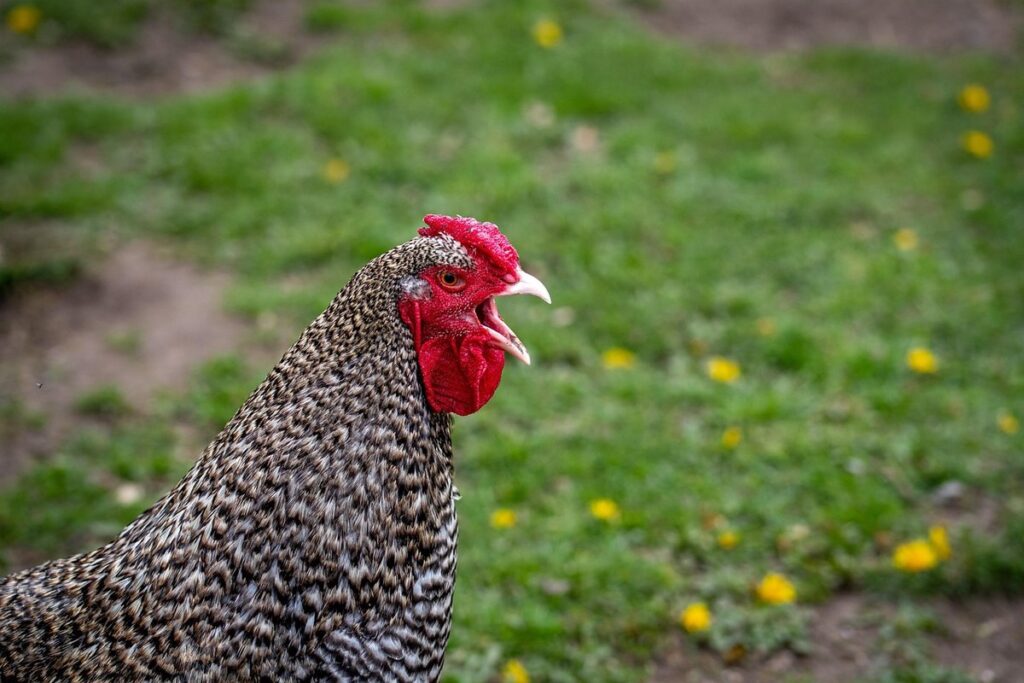
Choosing the Right Heavy Breed for Your Flock
When selecting a heavy breed chicken, there are several factors to consider, including size, temperament, and egg-laying abilities, which can greatly impact your flock’s dynamics.
Characteristics of Popular Heavy Breeds
When it comes to heavy breed chickens, some popular options stand out from the rest due to their unique characteristics. Orpingtons, for example, are a favorite among backyard flock owners thanks to their gentle nature and impressive size. On average, an adult Orpington can weigh in at around 9-11 pounds (4-5 kg), making them one of the heavier breeds you’ll find.
Another popular heavy breed is the Sussex, which boasts a robust build and friendly temperament. Sussex hens are known for their high egg production, laying an average of 200-220 eggs per year. In comparison, Plymouth Rock chickens weigh slightly less than Orpingtons but still pack a punch in terms of size and egg-laying abilities. They can lay around 200 eggs annually and have a reputation for being friendly and docile.
When choosing a heavy breed, it’s essential to consider the space you have available in your backyard as well as your desired level of interaction with your flock. If you’re new to chicken-keeping or live in a smaller area, an Orpington or Plymouth Rock might be a better fit due to their relatively easy-going nature and moderate egg production.
Considerations for Selecting a Healthy Heavy Breed
When selecting healthy heavy breed chickens, it’s essential to prioritize their overall well-being. This is crucial not only for the bird’s quality of life but also for your own peace of mind as a responsible flock owner.
First and foremost, research reputable breeders or hatcheries. Look for those that specialize in heavy breeds and have positive reviews from other customers. A trustworthy breeder will be transparent about their birds’ lineage, health clearances, and breeding practices. Check if they provide documentation on the bird’s heritage, egg production, and any known genetic issues.
When inspecting potential purchases, look for signs of good health, such as shiny feathers, bright eyes, and a strong stance. Check for any visible injuries or parasites. Avoid birds that seem lethargic, have labored breathing, or appear to be avoiding interaction with others.
Additionally, consider factors like egg size, growth rate, and temperament when choosing your flock’s new additions. This will help you select birds that meet your specific needs and preferences. By taking the time to carefully evaluate potential purchases, you’ll increase the chances of bringing home happy, healthy heavy breed chickens for your farm or backyard flock.
Factors Affecting Growth Rates in Heavy Breeds
When it comes to heavy breed chickens, growth rates can be influenced by several key factors. Genetics play a significant role, with some breeds naturally growing faster than others due to their selective breeding history. For example, the Jersey Giant and Brahma are known for their rapid growth rate, while breeds like the Orpington and Plymouth Rock take a bit longer to mature.
Nutrition is another critical factor in determining growth rates in heavy breed chickens. A balanced diet that includes protein-rich feed, along with adequate access to fresh water and calcium supplements, can significantly impact growth. However, overfeeding can lead to obesity and other health issues, so it’s essential to monitor your flock’s consumption and adjust their diet accordingly.
Management practices also play a crucial role in influencing growth rates. Providing enough space for your birds to move around, ensuring proper ventilation, and maintaining a clean coop are all vital components of promoting healthy growth. Regular monitoring of temperature, humidity, and lighting can also help identify potential issues that may impact growth.
Health Considerations for Heavy Breed Chickens
When raising heavy breed chickens, it’s essential to consider their unique health needs due to their larger size and potential susceptibility to certain health issues. We’ll explore these special considerations in more detail below.
Common Health Issues in Heavy Breeds
As a heavy breed chicken owner, it’s essential to be aware of the common health issues that can affect your flock. Unfortunately, these magnificent birds are prone to several health problems due to their size and conformation.
Obesity is one of the most significant concerns for heavy breeds. Their large bodies can easily lead to weight gain if not managed properly. Regular exercise, a balanced diet, and monitoring food intake can help prevent obesity-related issues. A study by the University of Kentucky showed that chickens on a restricted feeding program had significantly lower mortality rates compared to those with free-choice feeding.
Joint problems are another common issue in heavy breeds. Their large size puts excessive strain on their joints, leading to conditions like osteoarthritis and bumblefoot. Providing a comfortable living space with adequate perches and maintaining a clean environment can help reduce the risk of joint-related problems. Regular veterinary check-ups can also identify any issues early on.
Respiratory diseases are another concern for heavy breeds due to their large size and compact bodies, which can lead to respiratory complications. Maintaining good ventilation in your coop and providing regular dust baths can help keep your flock healthy.
Nutritional Needs of Heavy Breeds
As you work with heavy breed chickens, it’s essential to understand their unique nutritional needs. Unlike lighter breeds, heavy breeds require a more balanced diet to prevent chronic health issues. A diet that’s deficient in essential nutrients can lead to problems such as obesity, kidney stones, and even organ failure.
To ensure your heavy breed chickens receive the necessary nutrients, consider the following: provide a high-quality commercial feed as the main staple of their diet. Supplement with fresh fruits and vegetables daily, but avoid overfeeding as this can exacerbate weight issues. Also, make sure to include calcium-rich foods like crushed oyster shells or dark leafy greens in their diet to prevent skeletal issues.
Keep an eye out for signs of nutrient deficiencies, such as lethargy, pale combs, or thinning feathers. Regularly consult with a veterinarian to determine the best diet plan for your flock based on age, sex, and health status. By meeting the nutritional needs of your heavy breed chickens, you can help prevent chronic health issues and promote overall well-being in your flock.
Managing Obesity in Heavy Breed Chickens
As you work with heavy breed chickens, one of the most significant health considerations is obesity. These breeds are naturally larger than light breeds, and their appetites can quickly lead to weight gain if not managed properly. To prevent obesity, it’s essential to monitor your flock’s weight regularly.
Start by weighing your chickens at least once a month, using a scale specifically designed for poultry. This will help you identify any changes in their weight over time. You can also look out for physical signs of obesity, such as a rounded appearance, especially around the abdomen and breast area.
To make dietary adjustments, consider reducing the amount of treats you offer your chickens or switching to lower-calorie options. You can also provide more exercise opportunities by letting them free-range in secure areas or creating a simple obstacle course in their coop.
Housing and Environment Considerations for Heavy Breeds
When it comes to heavy breeds, providing a suitable environment is crucial, so let’s talk about housing and environment considerations to ensure your flock thrives.
Providing Adequate Space for Heavy Breeds
When it comes to housing heavy breed chickens, one of the most crucial considerations is providing them with sufficient space to move around comfortably. Unlike lighter breeds, heavy breeds require more room to roam and exercise, which can be a challenge for backyard flock owners.
A good rule of thumb is to allocate at least 4-5 square feet per bird inside the coop, and a minimum of 8-10 square feet in the run or outdoor enclosure. However, if you have a large heavy breed like an Orpington or Plymouth Rock, you may want to consider providing even more space – up to 12 square feet per bird.
When designing your coop, think about the layout and how it will affect your birds’ movement and comfort. For example, make sure there’s enough room for them to spread their wings and turn around easily without feeling cramped. Consider a larger door opening that allows for easy access in and out of the coop, as well as adequate ventilation to prevent overheating.
In addition to providing physical space, don’t forget about vertical space! Heavy breeds love to roost, so make sure your coop has sturdy perches that can support their weight.
Environmental Factors Affecting Heavy Breeds
When it comes to heavy breed chickens, environmental factors can have a significant impact on their health and well-being. Temperature is one of the most critical environmental factors that need consideration, especially during extreme weather conditions. Heavy breeds are more prone to heat stress due to their larger size, which makes them more susceptible to heat-related illnesses.
As a general rule of thumb, it’s essential to provide heavy breeds with plenty of shade and ventilation in hot weather. You can achieve this by setting up a shaded area or installing overhead ventilation systems that allow for airflow. In cold climates, on the other hand, providing adequate insulation and maintaining a warm environment is crucial to keep them comfortable.
Humidity levels also play a significant role in affecting heavy breeds’ health. High humidity can lead to respiratory issues, while low humidity may cause dehydration. Regularly monitoring temperature and humidity levels will help you take necessary precautions to prevent any potential health risks.
Light exposure is another essential aspect of environmental consideration for heavy breeds. They require adequate light to maintain their circadian rhythms and overall health. Ensure they have access to natural sunlight or provide supplemental lighting, especially during winter months when daylight hours are shorter.
Biosecurity Measures for Heavy Breed Flocks
Protecting your heavy breed flock from disease transmission is crucial to maintaining their health and well-being. A robust biosecurity plan should be a top priority for all chicken keepers. Here are some essential measures you can take to safeguard your flock:
When introducing new birds to the flock, quarantine them for at least 30 days before integrating them into the main group. This allows any potential diseases to manifest and be identified early on. Make sure to clean and disinfect their enclosures thoroughly during this period.
Regular cleaning and disinfection of coops and equipment is also vital in preventing disease transmission. Use a solution of one part white vinegar to nine parts water to sanitize surfaces, and replace bedding materials regularly to minimize the risk of bacterial growth. Ensure all visitors wash their hands before handling birds or entering enclosures.
Implementing a closed flock system can also help prevent external diseases from entering your flock. This involves not allowing new birds into the main group unless absolutely necessary and keeping the flock isolated from other poultry operations.
Breeding and Raising Heavy Breed Chickens
When it comes to raising heavy breed chickens, one of the most crucial aspects is understanding how to successfully breed and raise these magnificent birds from day-old chicks to adulthood. In this section, we’ll explore the ins and outs of doing just that.
Breeding Strategies for Heavy Breeds
When breeding heavy breeds of chickens, it’s essential to consider selection methods and genetic factors to produce healthy, robust offspring. One crucial step is selecting parents that exhibit desirable traits such as size, feather quality, and egg-laying ability. You’ll want to choose birds with impressive growth rates, strong bone structure, and dense plumage.
Genetic considerations are also vital when breeding heavy breeds. Be aware of potential health issues associated with large breeds, such as joint problems and respiratory difficulties. Some popular breeds, like Orpingtons and Brahma, can be prone to certain health concerns. Make sure you’re selecting birds that have a clean bill of health from reputable breeders.
In terms of selection methods, you may want to consider using pedigree charts or genetic testing to identify the best breeding pairs. This will help you make informed decisions about which parents to use for each breeding cycle.
Incubation and Brooding Techniques for Heavy Breeds
When it comes to incubating and brooding heavy breed eggs and chicks, there are specific techniques you should follow to ensure their health and success. First, choose the right incubator that can handle the weight of larger eggs and maintain consistent humidity levels.
For successful incubation, maintain a temperature range between 99°F and 100°F for the first 24-26 days, then reduce it to around 98°F until day 28. Humidity should be set at 50-60% during the first 18 days, followed by a slight decrease to 40-50%.
When brooding chicks, provide adequate ventilation and heat. A heat source with a temperature range of 90-100°F is suitable for the first week. As they grow, you can gradually reduce the temperature to around 70-80°F.
It’s also essential to monitor your chicks’ behavior and adjust the brooder as needed. Keep an eye out for signs of stress or discomfort, such as huddling together or avoiding the heat source. By following these guidelines and being attentive to their needs, you can help heavy breed chicks develop strong immune systems and grow into robust birds.
Rearing Heavy Breed Chicks to Maturity
Rearing heavy breed chicks to maturity requires careful attention to their nutritional needs, health management, and environmental considerations. When it comes to nutrition, these young birds need a high-energy starter feed that includes the right balance of proteins, carbohydrates, and minerals. You should also provide fresh water at all times, as dehydration can be particularly detrimental to growing chicks.
In terms of health management, watch for signs of stress, disease, or parasites in your flock. Monitor their behavior, appetite, and droppings regularly, and take prompt action if you notice any unusual symptoms. Vaccinations are usually not necessary unless you’re planning to breed from these birds, but consult with a veterinarian to determine the best course of action.
Provide a safe and comfortable environment by ensuring adequate space (at least 0.1 square meters per chick) and maintaining good ventilation. Keep their coop clean and dry, and provide a starter ration that includes grit to help them digest food more efficiently. As they grow, gradually introduce new foods like leafy greens and fruits to promote healthy growth and development.
Benefits and Challenges of Keeping Heavy Breed Chickens
Now that you’ve chosen your heavy breed chicken, let’s dive into the benefits and challenges of keeping these beautiful birds as pets in your backyard. You’ll want to consider their unique needs and traits.
Advantages of Raising Heavy Breeds
Raising heavy breeds can be incredibly rewarding, especially for backyard chicken keepers who are looking to maximize their egg-laying capacity and meat production potential. One of the most significant advantages of raising heavy breeds is their impressive egg-laying abilities. On average, a mature heavy breed hen will lay around 200-250 large eggs per year, which can be a game-changer for families or small-scale farmers who rely on their flock for fresh eggs.
In addition to their impressive egg-laying capacity, heavy breeds are also highly sought after for their meat production potential. Many popular heavy breed varieties, such as the Plymouth Rock and the Brahma, are prized for their rich flavor and tender texture. Whether you’re raising your chickens for personal consumption or looking to sell your products at a local market, having a flock of heavy breeds can be a valuable asset.
Some notable examples include the Jersey Giant, which is known for its massive size and impressive egg-laying abilities, laying up to 300 eggs per year, while also growing to an impressive weight of up to 17 pounds. This makes it an ideal choice for small-scale farmers or backyard chicken keepers who are looking to maximize their meat production potential.
Common Challenges Faced by Heavy Breed Keepers
As a heavy breed keeper, you may encounter unique challenges that require extra attention and care. One of the primary concerns is managing the size of your birds. Heavy breeds can grow up to 5-6 pounds, making them more prone to obesity if not monitored properly. Regular exercise and a balanced diet are essential to maintain their weight and overall health.
Health issues are another significant challenge faced by heavy breed keepers. Due to their larger size, they’re more susceptible to respiratory problems, joint issues, and certain diseases like gout and bumblefoot. To mitigate these risks, make sure your birds have enough space to move around freely, provide adequate ventilation in their coop, and clean their living areas regularly.
Additionally, heavy breeds may be more prone to molting issues due to their larger size, which can lead to stress and further health problems if not addressed promptly. Monitor your bird’s molting patterns closely, provide them with a balanced diet rich in calcium, and ensure they have access to plenty of fresh water at all times.
Tips for Successful Management of Heavy Breeds
Managing heavy breed chickens requires a thoughtful and strategic approach to ensure their health, growth, and productivity. To maintain flock health, it’s essential to provide ample space for movement, as overcrowding can lead to stress and disease susceptibility. Allocate at least 4-5 square feet of space per bird in the coop and 8-10 square feet in the run.
Promoting healthy growth involves a balanced diet that meets their nutritional needs. Heavy breeds require more feed due to their size, so adjust feeding schedules accordingly. A good rule of thumb is to provide 1/2 pound of layer pellets or starter crumbles per bird per day for the first few months. Monitor growth rates and adjust as needed.
To optimize productivity, focus on breeding pairs that are genetically sound and have a proven track record of fertility. Keep an eye out for stressors such as extreme weather conditions, predators, and disease outbreaks. With proper management, heavy breed chickens can thrive and provide a bountiful harvest of eggs or meat.
Frequently Asked Questions
What are the signs of obesity in heavy breed chickens, and how can I prevent it?
Obesity is a significant concern for heavy breed chicken keepers. Signs include lethargy, labored breathing, and difficulty walking. To prevent obesity, ensure your birds have adequate space to move around (at least 2-4 square feet per bird), provide a balanced diet with regular exercise opportunities, and monitor their weight regularly.
Can I raise heavy breed chickens in small backyards, or do they require extensive outdoor space?
While heavy breeds need room to roam, you can still raise them in small backyards. However, consider providing a secure, escape-proof enclosure (at least 8-10 square feet per bird) with adequate ventilation and shade. This will help prevent stress-related health issues.
How often should I collect eggs from my heavy breed hens, and what’s the best way to store them?
Collect eggs daily to maintain hygiene and ensure optimal freshness. Store them in a cool, dry place (around 40°F/4°C) with adequate ventilation. Consider labeling eggs by date for easy tracking.
What are some common health issues affecting heavy breed chickens, and how can I prevent them?
Common health issues include respiratory problems, frostbite, and egg-binding. To prevent these conditions, ensure your birds have access to clean water, provide a balanced diet, maintain a healthy weight through regular exercise, and monitor their overall health closely.
How do I introduce new heavy breed chickens to my existing flock without stressing the birds or causing conflicts?
Introducing new birds requires careful planning. Start by keeping them separate for a few days to allow them to get familiar with each other’s scents and sounds. Then, gradually integrate them into the main coop under close supervision. Monitor their behavior and intervene if necessary to prevent conflicts.