
When it comes to adding charm to your backyard flock, Orpington chickens are often a top choice. But have you ever wondered about their temperament? These lovable birds are known for their friendly and docile nature, making them a great fit for families with children or for those who want a low-maintenance pet. However, like any breed, Orpingtons can exhibit unique personality traits that may require special attention. Whether you’re a seasoned chicken keeper or just starting out, understanding the temperament of your Orpingtons is crucial in creating a harmonious and thriving flock. In this article, we’ll delve into the charming nature of Orpington chickens, explore how breeding and socialization impact their personality, and provide tips on managing temperament-related issues to ensure a happy and healthy flock.
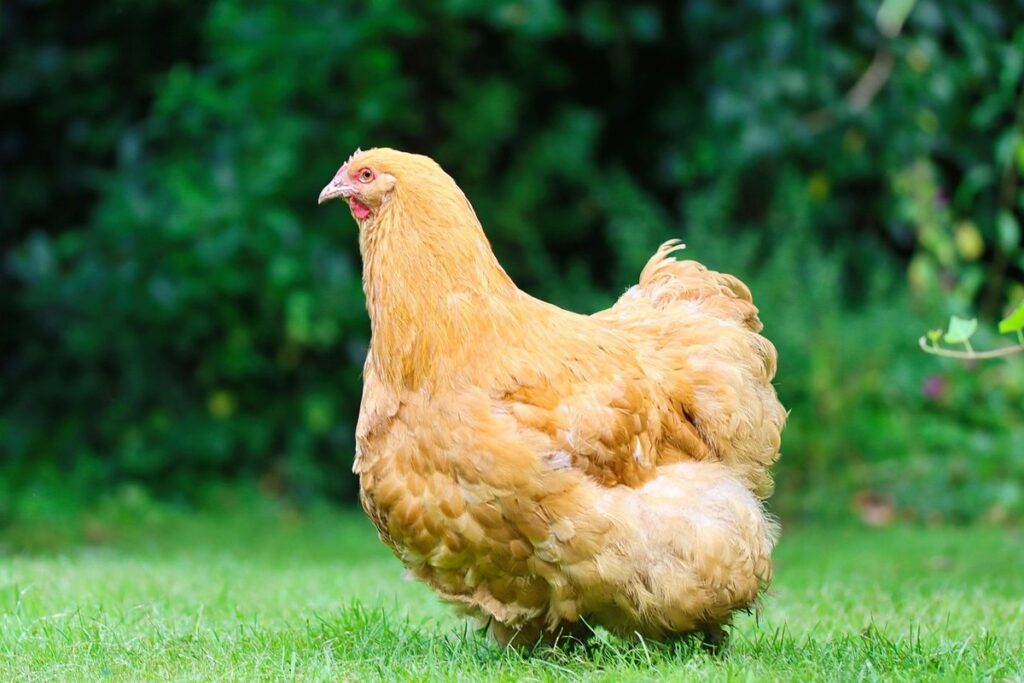
Introduction to Orpington Chickens
Orpington chickens are known for their gentle nature and friendly disposition, making them a great choice for backyard flocks. Let’s take a closer look at what makes these birds so lovable and laid-back.
Brief History of Orpington Breeds
Orpington chickens have a rich history dating back to the late 19th century. Developed by William Cook in England, this breed was created with the intention of producing a chicken that combined the desirable traits of other popular breeds at that time, such as the Sussex and the Cochin.
Cook’s efforts led to the creation of three distinct varieties: the Light Orpington, the Medium Orpington, and the Heavy Orpington. The Heavy Orpington was designed to be one of the largest chicken breeds available at the time, with hens weighing up to 14 pounds. This size and gentle nature made them ideal for show purposes.
By the early 20th century, the Orpington breed had gained immense popularity worldwide due in part to their friendly temperament and high egg-laying abilities. The first Orpington chicken was exhibited at the Royal Agricultural Show in England in 1894, marking the beginning of a long history as one of the most beloved breeds among backyard farmers and commercial producers alike.
Their widespread adoption can be attributed to their hardiness, adaptability, and impressive production capabilities.
Why Choose Orpingtons for Your Flock?
If you’re considering adding Orpington chickens to your flock, there are many compelling reasons why they make an excellent choice. One of the primary advantages of keeping Orpingtons is their exceptional temperament. These gentle giants are renowned for being calm and docile, making them a great fit for families with children or beginners in backyard chicken-keeping.
Orpingtons are also prolific egg-layers, producing an average of 200-220 brown eggs per year. This makes them an attractive choice for those seeking a reliable source of fresh eggs without sacrificing quality or flavor. Their adaptability to different environments is another significant benefit. Orpingtons thrive in various climates and can be easily integrated into existing flocks.
Their friendly nature also means they tend to get along well with other birds, making them an excellent addition to any flock. When choosing breeds for your backyard chicken-keeping endeavors, consider the following: assess your available space, climate, and desired egg production level. If you’re looking for a low-maintenance, high-reward bird, Orpingtons are an ideal choice.
Understanding Orpington Temperament
When it comes to their temperament, Orpingtons are known for being friendly and docile, making them a great fit for families and first-time chicken keepers. They’re easy-going birds that thrive on gentle care and handling.
Friendliness and Docility
One of the most endearing qualities of Orpington chickens is their exceptionally friendly and docile nature. This trait makes them an ideal choice for backyard flocks and families with children. When interacting with humans, Orpingtons are often described as “lap chickens” due to their affectionate and gentle disposition.
Their friendly nature allows them to easily integrate into existing flocks, making them a great addition to any chicken-keeping community. However, it’s essential to socialize your Orpington from an early age to ensure they become confident and calm in the presence of other animals. Start by introducing them to new chickens gradually, allowing them to become familiar with each other’s scents, sounds, and visual cues.
When interacting with other animals in the flock, Orpingtons tend to be tolerant and non-aggressive. They will often curiously explore their surroundings without becoming aggressive or defensive. This docile nature makes them an excellent choice for households with dogs, cats, or other small pets. To foster a harmonious coexistence, provide separate areas for your animals to rest, eat, and engage in activities, ensuring each species has its own space.
As you get to know your Orpington’s personality, you’ll notice they often seek attention from family members and visitors. They might even follow their owners around the yard or perch on their shoulders, much like a loyal companion. To encourage this friendly behavior, spend quality time with your Orpingtons, engaging in activities that promote bonding and trust.
By recognizing and nurturing your Orpington’s friendly and docile nature, you’ll create a more enjoyable and enriching experience for both you and your feathered friends.
Noise Levels and Vocalizations
When it comes to noise levels, Orpingtons are often misunderstood as being excessively loud. While they do vocalize, their squawking is generally more of a conversation starter than a nuisance. On average, a healthy adult Orpington will make around 15-20 sounds per day, which may seem like a lot but is relatively low compared to some other breeds.
If you live in an urban area and are concerned about noise complaints from neighbors, it’s worth noting that Orpingtons tend to be more active during daylight hours. Providing them with adequate space to roam and exercise can help reduce vocalization, as they’ll be less inclined to make excessive noise when their physical needs are met.
To minimize potential issues, consider the following:
* Provide a safe and spacious enclosure where your Orpingtons can move freely.
* Ensure they have access to fresh air and natural light during the day.
* Engage with them regularly through positive reinforcement training, which can help reduce stress-induced vocalization.
* Be prepared for some noise, especially in the morning and evening when social activity peaks.
Temperament Variations Among Individuals
While Orpingtons are known for their gentle and docile nature, it’s essential to recognize that every individual chicken has its unique temperament. Just like humans, no two Orpingtons are alike, despite sharing the same breed characteristics.
As you get to know your Orpington flock, you’ll likely notice distinct personalities emerging. Some may be more laid-back and easy-going, while others might be more energetic and demanding of attention. For instance, some Orpingtons might be incredibly curious, always pecking around every nook and cranny, whereas others might prefer to stick to familiar routines.
To make the most of your Orpington’s individuality, it’s crucial to observe their behavior, body language, and interactions with you and other flock members. This will help you tailor your care and attention to each bird’s specific needs. By acknowledging and adapting to these temperament variations, you’ll build stronger bonds with your Orpingtons and create a harmonious, happy environment for all.
This understanding also helps when introducing new chickens to the flock or integrating them into your family as pets.
Breeding and Genetics Influencing Orpington Temperament
When it comes to understanding your Orpington’s temperament, breeding and genetics play a significant role, shaping their personality traits from a young age. Let’s dive into how these factors influence their behavior.
Genetic Factors Shaping Temperament
Genetic factors play a significant role in shaping an Orpington’s temperament. Dominant traits are those that will be expressed if an individual has one copy of the dominant gene, while recessive genes require two copies to be expressed. When breeding Orpingtons, it’s essential to understand how these genetic factors interact to produce a bird with a desired temperament.
For example, if you want to breed for calmness, you’ll need to select birds that are homozygous for the calm gene (having two copies of the same gene). If one parent has only one copy of this gene, it won’t be passed on to the offspring. On the other hand, if a bird inherits one copy of the dominant aggressive gene, it will express aggression even with just one copy.
To breed Orpingtons with a desired temperament, you’ll need to understand the genetic makeup of your birds and make informed breeding decisions. This may involve genetic testing or simply understanding how different breeds interact in terms of their genetics. By doing so, you can create a flock with a balanced and harmonious temperament that’s beneficial for both the birds and their owners.
Selective Breeding for Desired Traits
Selective breeding has played a significant role in shaping the Orpington breed’s overall temperament and personality. Breeders have prioritized desired characteristics such as docility, gentleness, and affectionateness to make them an ideal choice for family farms and backyards. By selecting for these traits, breeders have inadvertently created a breed that is known for its calm demeanor and gentle nature.
Orpingtons’ docile temperament makes them an excellent choice for families with children, as they are less likely to peck or scratch at little ones. Breeders also prioritize the birds’ ability to adapt to different environments and climates, making them a versatile option for farmers and homesteaders alike. By selecting for these desirable traits, breeders have created a breed that excels in its ability to thrive in various conditions.
It’s essential to note that while selective breeding has contributed to the Orpington’s temperament, it is also crucial to consider individual bird personalities when raising them. With proper socialization and care, any Orpington can become a loving and loyal companion.
Socialization and Training Impacts on Temperament
Understanding the impact of socialization and training on Orpington chickens’ temperament is crucial for building a harmonious flock and a happy backyard chicken keeper. We’ll explore how these factors shape their behavior and personality.
The Importance of Early Socialization
As you begin raising your new Orpington chicks, it’s essential to prioritize early socialization. This critical period, which typically spans from one to 16 weeks of age, is when they learn to interact with their environment and develop friendly behaviors towards humans. During this time, imprinting occurs – a process where the chick bonds with its caregiver, forming a lifelong attachment.
Socialization during this period can significantly impact an Orpington’s future behavior. A well-socialized chicken is more likely to be calm, confident, and affectionate around people. On the other hand, neglecting socialization can result in fearfulness or aggression towards humans. To encourage friendly imprinting, engage your chicks with gentle handling, regular interaction, and a variety of experiences – such as exposure to different sights, sounds, and textures.
By doing so, you’ll set the foundation for a well-adjusted adult Orpington that’s not only pleasant to be around but also easier to manage.
Positive Reinforcement Training Techniques
When it comes to training your Orpington chicken, positive reinforcement techniques are an excellent choice for shaping desired behaviors. Clicker training is a particularly effective method that uses a distinct sound to mark the exact moment when your chicken performs the desired action. By associating this sound with rewards such as treats or praise, you can create a strong connection between good behavior and its consequences.
Reward systems also play a crucial role in positive reinforcement training. Offering your Orpington chicken a reward immediately after it performs the desired behavior helps reinforce that action. For example, if you’re trying to teach your Orpington to walk on a leash, rewarding it with a treat as soon as it steps onto the leash can be an effective way to encourage this behavior.
Patience-based techniques also work well in conjunction with positive reinforcement methods. Since Orpingtons are known for their gentle nature and willingness to please, they respond well to patient training. Give your Orpington time to learn new behaviors at its own pace, and remember that consistency is key when it comes to reinforcing desired actions.
Managing Temperament-Related Issues
Dealing with temperament-related issues can be frustrating and overwhelming, but understanding how to manage them can make a big difference in your Orpington chicken’s happiness and behavior.
Addressing Aggression or Fearfulness
If you notice aggression, fearfulness, or other temperament-related issues in your Orpington flock or individual birds, it’s essential to address these behaviors promptly. Aggression can manifest as pecking, hissing, or even attacking other chickens, while fearfulness may lead to hiding, refusal to come out of the coop, or excessive stress.
To identify aggression or fearfulness, observe your birds’ behavior and body language. Watch for signs like raised hackles, puffed-out chests, or an aggressive posture. Fearful birds might cower, lower their heads, or freeze when approached.
If you suspect aggression or fearfulness in one of your Orpingtons, try these strategies:
* Separate the aggressive bird from the flock to prevent further stress and potential harm.
* Introduce new birds slowly and under close supervision to minimize conflicts.
* Offer plenty of space, perches, and enrichment activities to reduce competition and stress.
* Provide a safe, quiet area for fearful birds to retreat to when needed.
Remember that consistency and patience are key. With time and proper management, you can help your Orpingtons develop a harmonious flock dynamic and address temperament-related issues effectively.
Environmental Adjustments to Support Temperament Needs
When it comes to supporting the temperament needs of Orpingtons, making some key environmental adjustments can make all the difference. One crucial aspect is providing adequate space for these birds to roam and exercise. A spacious coop with enough room to move around and stretch their wings is essential for maintaining a healthy weight and reducing stress.
In addition to physical space, mental stimulation is also vital for Orpingtons. Engage your flock’s minds by offering puzzle toys filled with treats or creating foraging areas where they can search for hidden goodies. This mental activity will help prevent boredom and destructive behavior.
It’s also essential to consider the exercise routine of your Orpingtons. Regular walks outside, supervised free-ranging, or even just playing with them in a secure run can provide ample opportunity for physical activity. A well-exercised Orpington is a happy one!
When designing your coop or enclosure, remember that a simple and clean environment will greatly contribute to your birds’ overall temperament and behavior. Keep their living space organized, free from clutter, and maintain a stable temperature range between 40°F and 80°F (4°C and 27°C). By making these environmental adjustments, you’ll be providing a nurturing environment for your Orpingtons to thrive in.
Conclusion: Embracing the Joy of Orpington Chickens
In conclusion, understanding the temperament and personality traits of Orpington chickens has been a delightful journey. As you’ve learned, these gentle giants are perfect for families with children or for those who want a low-maintenance pet that still brings immense joy. To truly appreciate their lovable nature, remember to spend quality time with them, handling them regularly from an early age. This will help them become trusting and affectionate companions.
By embracing the unique charm of Orpington chickens, you’ll be rewarded with endless entertainment and companionship. Don’t be surprised if they follow you around the yard or snuggle up beside you in the coop at night. With their calm demeanor and friendly disposition, it’s easy to see why many backyard chicken enthusiasts fall head over heels for these lovable birds.
As you embark on your Orpington-chicken-keeping adventure, keep an open mind and heart. Be prepared to laugh at their antics, offer plenty of treats and praise, and enjoy the simple pleasures of sharing your life with these wonderful creatures.
Frequently Asked Questions
Can I keep Orpingtons with other breeds of chickens without affecting their temperament?
Yes, Orpingtons are generally adaptable to mixed flocks, but it’s essential to introduce them slowly and under close supervision to prevent territorial behavior. Ensure that your existing flock is calm and well-established before introducing new birds, as this can help minimize stress and maintain a harmonious environment.
How do I identify and manage aggression or fearfulness in my Orpington chickens?
Identify the root cause of aggressive behavior by observing your birds’ interactions and looking for potential triggers. Gradually introduce positive reinforcement training techniques, such as treats and gentle handling, to build trust. For fearful birds, provide a safe space with familiar surroundings and minimize stressors.
Can I keep Orpingtons in small backyards or urban areas?
Yes, Orpingtons are relatively low-maintenance and can thrive in smaller spaces. However, ensure that your backyard provides sufficient shelter, ventilation, and sunlight to meet their needs. Consider a coop design with ample space for movement and perching.
How do I prevent behavioral issues related to genetics in my Orpington flock?
While breed-specific traits cannot be completely eliminated, selecting birds from reputable breeders who emphasize temperament can help minimize genetic predispositions. Regularly monitor your flock’s behavior and address any emerging issues through positive reinforcement training and environmental adjustments.
Are there specific nutritional requirements for maintaining a healthy and calm Orpington temperament?
Yes, providing a balanced diet rich in essential nutrients is crucial for supporting overall health and well-being, which can positively impact temperament. Ensure that your birds have access to fresh water, a varied diet of high-quality feed, and occasional treats that stimulate their natural behaviors.