
If you’re considering bringing home some new feathered friends, chances are you’ve heard great things about Blue Orpington chickens. But have you ever wondered what makes them so lovable and easy-going? Their temperament is truly one of their standout features, making them an excellent choice for backyard chicken keepers of all experience levels.
In this article, we’ll delve into the friendly and docile nature of Blue Orpingtons, exploring how to build trust with your flock and address common behavioral issues. We’ll also cover essential tips on ensuring optimal health in your birds, so you can enjoy their wonderful company for years to come. Whether you’re a seasoned chicken owner or just starting out, this guide will give you the inside scoop on what makes Blue Orpingtons such beloved backyard companions.
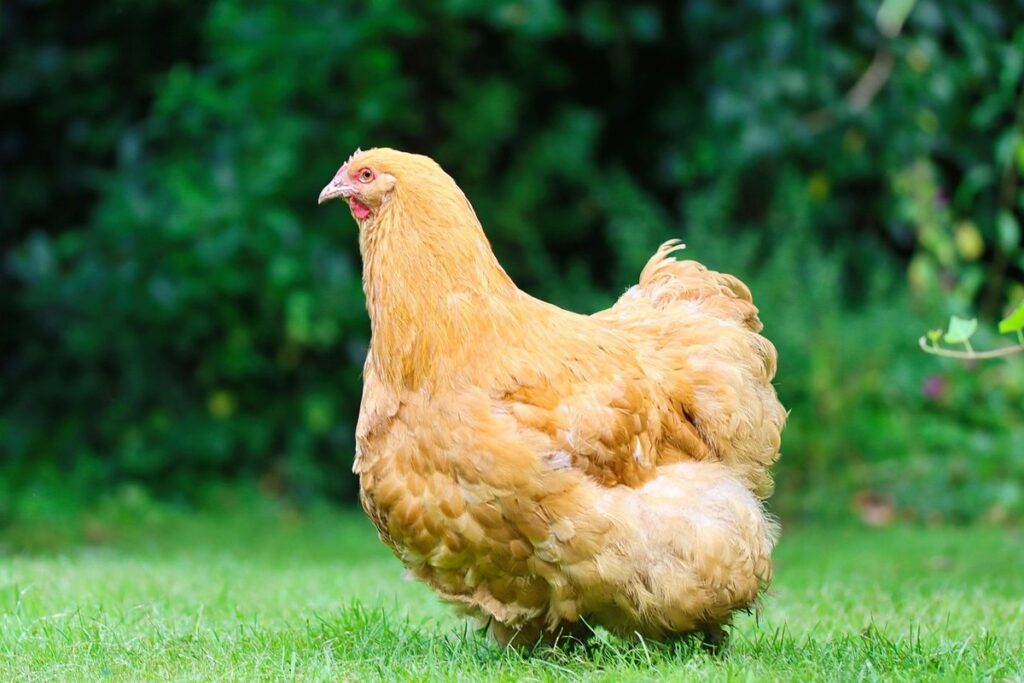
Introduction to Blue Orpington Chickens
Blue Orpington chickens are known for their gentle nature, making them an excellent choice for families and backyard chicken keepers who want friendly flock members. Let’s take a closer look at what makes this breed so endearing to many chicken enthusiasts.
Brief History and Origins of the Breed
The Blue Orpington chicken breed has its roots in England’s late 19th century, where farmers and breeders were experimenting with new varieties to create high-quality egg-laying birds. The Blue Orpington was one of the first dual-purpose breeds developed specifically for both egg production and meat quality.
This innovative breed was created by crossing various Orpington lines with other breeds, including the Araucana and Langshan, resulting in a unique blue-gray plumage. Initially, its primary purpose was to provide large, brown eggs and tender meat. By the early 20th century, the Blue Orpington had gained popularity among commercial poultry farmers due to its impressive egg-laying capacity – up to 200 brown eggs per year.
The breed’s versatility, gentle nature, and striking appearance quickly made it a favorite among backyard chicken keepers as well. Today, enthusiasts continue to appreciate the Blue Orpington for its rich history, calm demeanor, and exceptional egg production capabilities.
Physical Characteristics and Appearance
Blue Orpington chickens are a stunning breed, known for their striking blue-gray plumage and endearing appearance. One of the most distinctive features of this breed is their rich, even feather coloration, which can range from a pale blue to a deep slate gray. Their feathers are long and soft, with a subtle sheen that catches the light.
In terms of beak shape, Blue Orpingtons have a medium-sized beak that’s relatively straight and strong, well-suited for pecking at grain and scratching in the dirt. Their eyes are a bright, alert brown, always seeming to be taking in their surroundings with curiosity.
Physically, Blue Orpington chickens are a sturdy breed, built for comfort rather than speed. They have a medium-sized body type, with males weighing around 9-10 pounds (4-5 kg) and females weighing slightly less. Their compact frame makes them well-suited to smaller backyard flocks or even apartment living.
Overall, the physical characteristics of Blue Orpington chickens make them a delight to behold, with their attractive appearance only adding to their charm.
Temperament Traits: What to Expect from Your Blue Orpington
When it comes to your new flock, understanding the temperament of blue Orpingtons is crucial for a harmonious and happy home. Let’s dive into the key traits that’ll help you navigate their personality quirks.
Friendly and Docile Nature
Blue Orpington chickens are renowned for their exceptionally friendly and docile nature. They are generally easy-going, making them an excellent choice as pets for families with children or for first-time chicken keepers. One of the most notable characteristics of this breed is their gentleness towards humans. They tend to be quite affectionate and enjoy human interaction.
In fact, Blue Orpingtons have been known to follow their owners around the yard, seeking attention and pets. This friendly nature makes them a delight to care for and interact with. To encourage a strong bond between you and your Blue Orpington, make an effort to spend quality time with them daily, whether it’s through feeding, grooming, or simply cuddling.
When introducing new chickens to your flock, you’ll often find that Blue Orpingtons are the first to befriend newcomers. This is a testament to their calm and peaceful nature. However, as with any chicken breed, it’s essential to socialize them well from an early age to ensure they grow into confident and friendly adults.
Socialization with Humans and Other Chickens
Socializing with humans is crucial for Blue Orpingtons to develop confidence and calmness. This process begins at a young age, ideally when they’re around 2-3 weeks old. Introduce them to various textures, sounds, and smells to help them become desensitized to new stimuli.
As you handle your chicks regularly, make sure to provide a safe and comfortable environment. Start with short sessions, gradually increasing the duration as they grow more confident. You can also involve your family members in this process to ensure the birds interact with different people from an early age.
When socializing with other chickens, it’s essential to introduce them slowly and under controlled circumstances. Begin by keeping the birds separated but allowing them to see each other through a fence or screen. Once they seem comfortable with each other’s presence, you can start supervised interactions.
By following these steps, your Blue Orpingtons will develop into confident and calm individuals that thrive in the company of both humans and other chickens.
Building Trust and Bonding with Your Blue Orpington
Building trust with your Blue Orpington is key to a lifelong friendship, and it all starts with understanding their gentle nature and establishing a strong bond from an early age. By doing so, you’ll enjoy a lifetime of companionship with these lovable birds.
Establishing Routine and Boundaries
Establishing a routine that works well for both you and your Blue Orpington chickens is crucial for building trust and bonding with them. Start by setting regular feeding schedules to ensure they receive their nutrients on time. For example, feed them at the same time every morning and afternoon, so they learn to expect these times. Consistency also applies to coop cleaning – set aside a specific day each week to clean the coop, removing soiled bedding and replacing it with fresh material.
It’s equally important to allocate regular playtime for your chickens. Take them outside of their coop daily to let them exercise and explore their surroundings. This not only provides physical activity but also mental stimulation. Consider allocating time in the afternoon when they’re most energetic. Remember, a happy chicken is one that has had adequate physical and mental stimulation.
By incorporating these routines into your daily schedule, you’ll establish trust with your Blue Orpington chickens. They will learn to anticipate regular feeding times and enjoy their play sessions, creating a strong bond between you and your feathered friends.
Positive Reinforcement Training Methods
Positive reinforcement training is an effective way to build trust and strengthen your bond with your Blue Orpingtons. This approach focuses on rewarding desired behavior rather than punishing undesired actions. By doing so, you’ll encourage your birds to learn quickly and enthusiastically.
When using positive reinforcement techniques, start by identifying what motivates your Blue Orpingtons. For some, it might be treats like sunflower seeds or mealworms, while others may prefer praise or affection. Experiment with different rewards to find what works best for each bird.
Here are a few basic steps to get you started:
* Begin training sessions in a quiet area where your birds feel comfortable and focused.
* Use a clear and distinct voice when giving commands or making requests.
* Reward desired behavior immediately, so your Blue Orpingtons associate the action with the reward.
* Gradually increase the difficulty of tasks as your birds become more confident and skilled.
Remember to be patient and consistent when implementing positive reinforcement training methods. With time and practice, you’ll develop a strong bond with your Blue Orpingtons based on trust, respect, and mutual understanding.
Common Behavioral Issues in Blue Orpington Chickens
You might be wondering why your lovable Blue Orpington chicks are acting out, so let’s dive into some common behavioral issues and how to address them.
Feather Pecking and Picking
Feather pecking and picking are common behavioral issues observed in Blue Orpington chickens. These behaviors can be distressing to witness, but understanding the reasons behind them is key to preventing them. Feather pecking typically begins as a natural behavior in young chicks, where they use their strong beaks to remove loose or weak feathers from each other. However, when left unchecked, this behavior can escalate into aggressive pecking at adult birds’ feathers, leading to stress and even injury.
In Blue Orpingtons, feather pecking may be triggered by overcrowding, lack of stimulation, or inadequate nutrition. To prevent feather pecking, it’s essential to provide a spacious and well-ventilated coop with adequate perches and scratching posts. You should also ensure your birds have access to plenty of fresh vegetables and fruits to maintain their health and reduce stress.
In addition to feather pecking, Blue Orpingtons may also exhibit picking behavior, where they remove feathers from other birds’ bodies. This can be caused by boredom or a lack of adequate scratching materials. To combat this issue, provide a variety of toys and activities to keep your birds entertained, such as foraging games, puzzle feeders, and sand baths.
Stress-Related Behavior Changes
When it comes to understanding the behavior of Blue Orpington chickens, it’s essential to recognize that stressors can significantly impact their temperament and personality traits. Changes in environment, health issues, or other stressors can cause even the friendliest Blue Orpington to exhibit undesirable behaviors.
One common sign of stress is feather pecking, where your chicken starts to excessively pluck its own feathers or those of its flock members. This behavior can be a cry for attention or a result of boredom, so it’s crucial to provide enough space and enrichment activities. For example, adding toys, scratching posts, and dust baths can keep your Blue Orpingtons entertained and stimulated.
To identify potential causes of stress-related behavioral changes, monitor your chicken’s environment and behavior closely. Look out for signs such as lethargy, loss of appetite, or increased aggression. If you notice any of these symptoms, investigate the cause and take corrective action. For instance, if your Blue Orpington is experiencing heat stress, ensure it has access to cool water and shade.
Keep a close eye on your flock’s dynamics and intervene promptly if you notice any unusual behavior. By doing so, you can prevent long-term behavioral problems and promote a healthy, happy environment for your feathered friends.
Health Considerations and Longevity
When it comes to owning blue Orpington chickens, their health is a crucial aspect to consider alongside their temperament and personality traits. Let’s explore some key factors that can impact their longevity.
Average Lifespan of Blue Orpington Chickens
Blue Orpington chickens are known for their gentle nature and stunning appearance, but what about their lifespan? On average, a healthy Blue Orpington chicken can live between 8 to 12 years. However, with proper care and attention to health factors, some individuals have been known to reach up to 15 years or more.
Several factors can impact an individual Blue Orpington’s longevity. Genetics play a significant role, as well-bred birds are likely to be healthier than those from questionable stock. Nutrition is also crucial; a balanced diet rich in essential nutrients will help support optimal health throughout their life. Regular veterinary check-ups and vaccinations can also prevent common diseases that may shorten an individual’s lifespan.
To promote optimal health in your Blue Orpington flock, ensure they have access to clean water, nutritious feed, and ample space to roam. Consider incorporating activities like foraging and exercise into their daily routine to keep them stimulated and engaged. Regularly inspecting their living conditions and making adjustments as needed will also help maintain a healthy environment. By prioritizing these factors, you can expect your Blue Orpingtons to thrive well into old age.
Common Health Issues in Blue Orpingtons
Blue Orpingtons are generally a healthy breed, but like all chickens, they can be prone to certain health issues. One of the most common problems is respiratory issues, which can arise from dust, dry air, or viral infections. To prevent this, make sure their coop has good ventilation and keep an eye out for signs of illness such as coughing or labored breathing.
Obesity is another common issue in Blue Orpingtons, particularly if they’re overfed. A healthy diet and regular exercise can go a long way in maintaining a healthy weight. Consider feeding them a high-quality layer feed and supplementing with fresh fruits and vegetables to keep things interesting.
Nutritional deficiencies are also a concern for backyard flock owners. Ensuring they have access to a balanced diet that meets their needs is crucial. A lack of calcium, phosphorus, or other essential vitamins and minerals can lead to issues like brittle feathers, soft eggs, or even osteoporosis.
By paying attention to these potential health issues, you can take proactive steps in preventing or managing them. Regular check-ups with a veterinarian, maintaining a clean coop, and keeping your flock active through playtime will help ensure their overall well-being.
Tips for Integrating Blue Orpingtons into Your Flock
If you’re considering adding blue Orpingtons to your flock, making sure they integrate smoothly is crucial. Here are some tips for introducing them to your existing birds.
Introducing New Chickens to the Flock
Introducing new chickens to an existing flock can be a daunting task, but with patience and proper planning, you can ensure a smooth transition. When integrating Blue Orpingtons into your flock, it’s essential to consider their temperament and personality traits. These gentle giants are known for being friendly and docile, making them an excellent addition to most flocks.
Before bringing new chickens home, prepare a separate introduction area where they can get familiar with each other under close supervision. Start by introducing the Blue Orpingtons to each other in small groups, allowing them to become comfortable with their scent, sounds, and visual presence. Monitor their behavior closely for any signs of aggression or stress.
To minimize stress, introduce new birds during a time when your existing flock is most relaxed, such as after breakfast or before roosting. Once the introduction process begins, it’s crucial to ensure each bird has its own space and resources. Provide a balanced diet, fresh water, and adequate shelter for all chickens involved in the integration process.
As the new birds settle in, continue observing their behavior and make adjustments as needed. With time, patience, and proper care, your Blue Orpingtons will become an integral part of your flock, bringing joy and companionship to your backyard chicken-keeping experience.
Managing Dominance Hierarchies and Pecking Orders
When introducing new Blue Orpingtons to your flock, it’s not uncommon for dominance hierarchies and pecking orders to emerge. These social dynamics can be challenging to manage, but there are strategies you can implement to prevent or minimize their impact.
Firstly, it’s essential to introduce new birds gradually, allowing them to become familiar with each other’s presence, sounds, and scents before physical contact. This gradual introduction phase can take anywhere from a few days to a week, depending on your flock’s size and dynamics. During this time, make sure to provide separate feeding and watering areas to prevent competition.
Once the new birds are integrated, monitor their behavior closely for signs of stress or aggression. Be prepared to intervene if necessary by separating the birds temporarily or providing additional enrichment activities to distract them from each other. Remember that Blue Orpingtons are known for their friendly nature, but they still require a structured and predictable environment to thrive.
Frequently Asked Questions
Can Blue Orpingtons be used for breeding, or are they primarily egg layers?
Yes, Blue Orpingtons can be used for breeding as well as being excellent egg layers. Their gentle nature makes them suitable for backyard flocks of all experience levels, and their high fertility rate contributes to successful breeding programs.
How long does it take for a Blue Orpington to mature and start laying eggs?
It typically takes around 24-26 weeks (6-7 months) for a Blue Orpington hen to reach maturity and begin laying eggs. However, this can vary depending on factors such as nutrition, health, and individual growth rates.
What is the best way to handle stress-related behavior changes in my Blue Orpingtons?
To address stress-related behavior changes in your Blue Orpingtons, it’s essential to identify the underlying causes of stress. Provide a safe and comfortable environment by ensuring adequate space, nutritious feed, fresh water, and reducing competition for resources.
How often should I collect eggs from my Blue Orpington flock to encourage consistent laying?
Collecting eggs daily or every other day can help maintain consistent laying patterns in your Blue Orpingtons. This also allows you to monitor their health and detect any potential issues early on.
Can I integrate Blue Orpingtons with existing breeds, or should they be kept separate?
It’s often possible to integrate Blue Orpingtons with existing breeds, but it’s crucial to introduce them gradually and under close supervision. Be prepared for potential adjustments in pecking orders and ensure a safe environment for all birds involved.