
If you’re a backyard chicken keeper or commercial farmer, chances are you’ve encountered the frustrating problem of feather pecking in your flock. This behavior can lead to stress, injuries, and even death for your beloved chickens. But what’s causing them to peck at each other’s feathers in the first place? Is it something in their environment, their nutrition, or a health issue? As it turns out, preventing and addressing feather pecking requires a multi-faceted approach that takes into account everything from environmental enrichment to nutritional balance and overall health considerations. In this article, we’ll delve into effective ways to prevent and address feather pecking in chickens, providing you with practical solutions to help your flock thrive. From simple tweaks to more complex changes, we’ve got you covered.
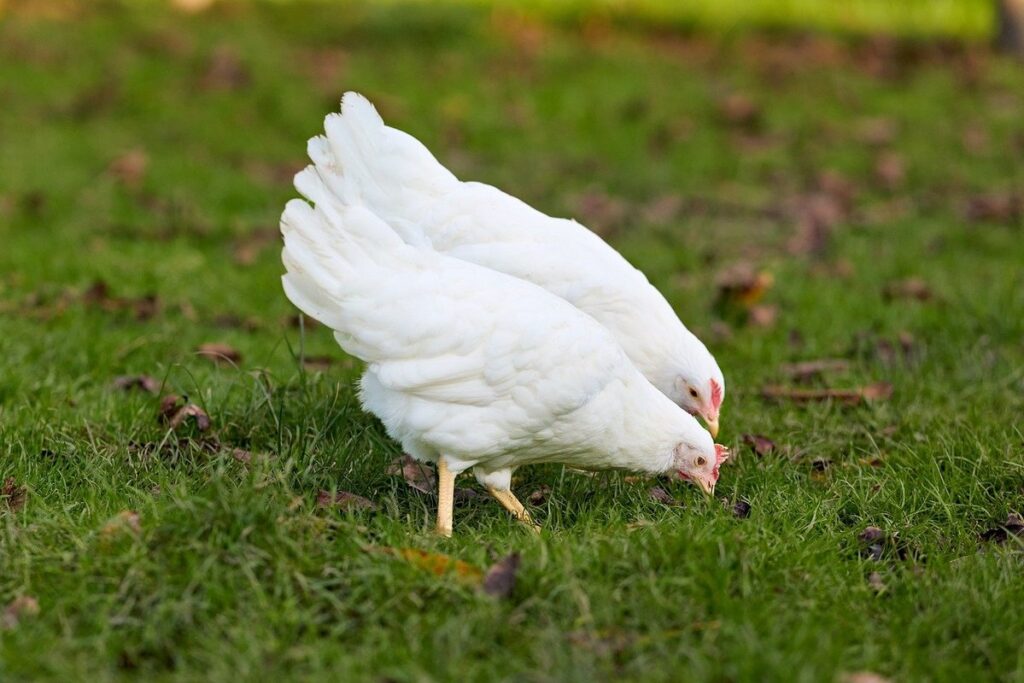
Understanding Feather Pecking Behavior
If you’re struggling to understand why your chickens are pecking at each other’s feathers, it’s essential to examine the underlying causes of this behavior. Let’s dive into the reasons behind feather pecking.
Causes of Feather Pecking in Chickens
Feather pecking behavior in chickens is often a symptom of an underlying issue rather than a standalone problem. One major contributor to feather pecking is stress, which can stem from various sources such as changes in the flock’s social dynamics, introduction of new birds, or even environmental factors like extreme temperatures.
Nutritional deficiencies are also a significant cause of feather pecking. A diet lacking essential vitamins and minerals like calcium, phosphorus, and zinc can lead to poor feather health and increased pecking behavior. For example, research has shown that chickens fed a low-calcium diet exhibit significantly higher levels of feather pecking compared to those with adequate calcium intake.
Boredom is another common cause of feather pecking in chickens. When birds are not provided with sufficient mental and physical stimulation, they may resort to abnormal behaviors like pecking at feathers to alleviate their pent-up energy. This can be mitigated by offering engaging activities such as foraging toys or scratching posts, which help channel their natural behavior into more constructive outlets.
By identifying the root causes of feather pecking, you can take targeted steps to address these issues and provide a healthier environment for your flock.
Signs and Symptoms of Feather Pecking
When observing birds exhibiting feather pecking behavior, it’s essential to recognize the physical signs and symptoms that indicate this problem. Birds may develop damaged feathers, which can appear frayed, torn, or missing altogether. These damages are often a result of repetitive pecking at their own or other birds’ plumage.
Wounds on the skin underneath damaged feathers are another common sign of feather pecking. If not treated promptly, these wounds can become infected and may cause long-term health issues for the bird.
Feather loss is also an indicator of feather pecking behavior. Birds may lose entire sections of their coat or develop bare patches due to excessive pecking. In some cases, feather pecking may lead to stress-induced molting, where birds shed large amounts of feathers in response to chronic stress and anxiety.
It’s crucial to monitor your flock closely for these signs and take prompt action if you notice any of them. Regular inspections can help you identify the root cause of feather pecking behavior and provide an opportunity to implement preventative measures or solutions before the problem escalates further.
Environmental Enrichment Strategies
To prevent chicken feather pecking, it’s essential to provide a stimulating environment that keeps your flock active and engaged through various enrichment strategies. We’ll explore these crucial methods next.
Reducing Stress through Enrichment Activities
Reducing stress in chickens is crucial to preventing feather pecking behavior. One effective way to reduce stress is through enrichment activities that mimic natural behaviors. Foraging toys are an excellent example of this. Fillable foraging toys, such as those filled with treats like oats or sunflower seeds, challenge the chicken’s beak and encourage exploration.
Scratching posts are another great option. Chickens have a strong instinct to scratch, which helps maintain their feet health. By providing scratching posts, you’re not only reducing stress but also keeping your chickens active and engaged. You can place the scratching posts in various locations around the coop or run to encourage your chickens to move around.
In addition to these activities, consider adding some interactive elements like puzzle toys that dispense treats when manipulated correctly. This mental stimulation will keep your chickens engaged for hours and reduce boredom. Remember, a happy and stimulated chicken is less likely to engage in feather pecking behavior.
Providing Aesthetic Appeal with Visual Stimulation
Providing visual stimulation is crucial in reducing feather pecking behavior among chickens. A lack of visual interest can lead to boredom and stress, which may trigger feather pecking as a coping mechanism. To combat this, you can enrich the coop environment with various decorations, colors, and textures that cater to your flock’s natural behaviors.
Add some visual variety by incorporating different shapes, sizes, and materials for perches, nesting boxes, and feeders. You can also hang plants or branches with leaves that sway gently in the breeze, providing a dynamic display of movement. Incorporate vibrant colors through bedding materials like straw or shavings, or add colorful nesting box liners to encourage exploration.
Incorporating textures is another aspect of visual stimulation. Offer different types of substrates for scratching and foraging, such as sand, wood shavings, or straw bales. You can also place a few large rocks or logs within the coop for the chickens to explore and scratch against.
By incorporating these elements, you’ll create a visually stimulating environment that satisfies your flock’s natural behaviors and reduces stress levels, ultimately helping to alleviate feather pecking issues.
Nutrition and Health Considerations
When it comes to preventing feather pecking, ensuring your flock’s nutritional needs are met is crucial. Proper nutrition can significantly impact their overall health and well-being.
Balancing Nutrients for Optimal Health
When it comes to preventing feather pecking in chickens, nutrition plays a vital role. A balanced diet is essential for maintaining healthy skin and feathers, which can help reduce the likelihood of pecking behavior.
Protein is a crucial nutrient that supports skin health and wound healing. Ensure your flock receives adequate protein from high-quality feed or supplements. The recommended daily intake of protein varies depending on age, breed, and level of production. A general rule of thumb is to provide 16-18% protein for laying hens.
Vitamins and minerals also play a significant role in maintaining healthy skin and feathers. Adequate levels of vitamin E, zinc, and omega-3 fatty acids are essential for optimal health. Vitamin E helps protect against oxidative stress, while zinc supports wound healing and tissue repair. Omega-3 fatty acids promote healthy skin and reduce inflammation.
To implement these nutrients into your flock’s diet, consider the following:
* Consult with a veterinarian or poultry nutritionist to develop a customized feeding plan.
* Choose high-quality feed that meets the nutritional requirements of your flock.
* Consider adding supplements, such as probiotics or vitamin E, to support digestive health and skin integrity.
Managing Health Issues through Regular Check-ups
Regular health checks are crucial to identify underlying health issues that may contribute to feather pecking behavior in chickens. A healthy flock is less likely to engage in destructive behaviors like pecking, which can lead to stress and further complications. When chickens are not feeling well, they may exhibit abnormal behavior, including excessive pecking.
As a chicken keeper, it’s essential to schedule regular check-ups with your veterinarian to monitor the health of your flock. Your vet can perform physical examinations, take vital signs, and run diagnostic tests to identify any underlying conditions that might be contributing to feather pecking. Some common health issues that may lead to feather pecking include respiratory problems, nutritional deficiencies, and parasites.
During regular check-ups, discuss with your veterinarian any concerns you have about your flock’s behavior or health. They can provide guidance on implementing preventative measures, such as maintaining a clean environment, providing balanced nutrition, and ensuring access to fresh water and adequate ventilation. By prioritizing the health of your flock through regular check-ups, you’ll be better equipped to address potential issues before they lead to feather pecking behavior.
Social Dynamics and Flock Management
When it comes to stopping feather pecking, understanding your flock’s social dynamics is crucial. This section will guide you through the essential principles of managing a harmonious coop environment.
Understanding the Impact of Dominance Hierarchies
Dominance hierarchies play a significant role in chicken behavior and can contribute to feather pecking. In a flock, chickens establish a social order with dominant birds at the top and submissive birds at the bottom. When this hierarchy is disrupted or unbalanced, it can lead to stress and anxiety among hens, causing them to redirect their aggression towards each other through feather pecking.
Recognizing signs of dominance hierarchies in your flock is crucial. Look for aggressive behaviors such as pecking, chasing, or preventing access to food and water. Identifying the dominant birds can also help you address potential issues. To manage flock dynamics, provide a balanced environment with adequate space, nutrition, and enrichment activities.
Strategies include introducing new birds gradually, separating aggressive birds, and providing multiple feeding stations to reduce competition. Rotating nesting boxes or perches can also disrupt existing hierarchies. By acknowledging the impact of dominance hierarchies and implementing proactive management techniques, you can minimize stress and prevent feather pecking in your flock.
Introducing New Birds Safely
When introducing new birds to an existing flock, it’s crucial to do so safely and minimally stress the birds. This is especially true for flocks plagued by feather pecking behavior, as added stress can exacerbate the issue.
To minimize competition and stress during introductions, consider a gradual and controlled process. Start by allowing the new birds to get accustomed to their surroundings before releasing them into the main flock. You can do this by housing them in a separate enclosure near the main coop for several days or weeks.
Once they seem comfortable with their environment, begin supervised interactions between the groups under close observation. Monitor body language and behavior closely; if signs of aggression arise, intervene promptly to prevent conflicts. Remember that every bird is unique, so tailor your introduction strategy accordingly.
By following these steps, you can reduce the risk of stress-related feather pecking behaviors when introducing new birds to an existing flock.
Reducing Feather Pecking through Training and Management
To effectively reduce feather pecking, it’s essential to implement a combination of training and management strategies tailored to your flock’s specific needs. Let’s dive into practical solutions for long-term behavioral change.
Positive Reinforcement Training Techniques
Positive reinforcement training techniques are an effective way to discourage feather pecking behavior in chickens. By focusing on desired behaviors and rewarding them, you can redirect your flock’s attention away from pecking at each other’s feathers. Start by identifying the specific behaviors you want to encourage, such as foraging or scratching.
To implement positive reinforcement training, begin by introducing a new activity or toy that stimulates the birds’ natural behavior. Reward them with treats or praise when they engage in this activity. For example, if you’re trying to get your chickens to forage more, scatter some scratch grain on the ground and reward them with a treat each time they pick up a piece.
Be consistent and patient, as it may take some time for your flock to adjust to these new behaviors. Gradually increase the difficulty level of activities or introduce new ones, always rewarding desired behavior. By doing so, you’ll be teaching your chickens that pecking at each other’s feathers is not a way to get attention or rewards, but rather engaging in positive activities is.
Avoid punishment or reprimanding feather pecking, as this can actually make the problem worse by creating anxiety and stress among your flock.
Effective Confinement Strategies
Effective confinement strategies can play a crucial role in reducing feather pecking behavior in chickens. By limiting access to feathers and reducing stress, you can create an environment that discourages this undesirable behavior.
To implement effective confinement, it’s essential to consider the space and layout of your coop. You can achieve this by using divider walls or individual compartments to section off areas where hens have access to food, water, and nesting boxes while preventing them from reaching each other’s feathers. For example, a simple divider wall can be used to separate large birds from smaller ones, reducing the likelihood of bullying and stress.
Another effective strategy is to limit access to areas where feather pecking tends to occur most, such as roosts or perches. You can do this by covering these areas with protective covers or rearranging the layout to make it harder for hens to access each other’s feathers.
Long-term Solutions and Preventative Measures
To truly get ahead of feather pecking, it’s essential to consider long-term solutions that address the underlying causes of this destructive behavior. Let’s explore some effective preventative measures together.
Creating a Sustainable Environment
Creating a sustainable environment that minimizes the risk of feather pecking is crucial for long-term success. This involves going beyond quick fixes and addressing the underlying causes of this behavior. One key aspect is providing enough space and enrichment activities for your flock.
Research suggests that flocks with adequate space (at least 4-5 square feet per bird) are less likely to engage in feather pecking. However, this alone may not be enough. Introducing objects that can be manipulated, such as toys or scratching posts, can help reduce boredom and stress. For example, hanging a rope toy from the ceiling or placing a wooden block with nails in it can keep your birds engaged.
It’s also essential to maintain a clean and well-ventilated coop. Regularly remove soiled bedding, provide fresh water and food, and ensure proper airflow to prevent ammonia buildup. This not only promotes overall health but also reduces stress caused by poor living conditions. By implementing these measures, you can create an environment that encourages positive behavior and minimizes the risk of feather pecking.
Ongoing Monitoring and Adaptation
Monitoring for feather pecking behavior is essential to ensure that implemented strategies are working effectively. Regular checks will help you identify early warning signs of stress and frustration among the flock. These may include increased vocalization, unusual posturing, or a drop in egg production.
Keep an eye out for specific behaviors like excessive preening, pacing, or staring at other birds. These can be indicative of underlying issues that need addressing. Take note of any changes in litter quality, feeding habits, or access to resources like light and water.
Adapt your strategies as needed based on the data you collect. This might mean adjusting feed formulations, rearranging nesting boxes, or introducing enrichment activities. Don’t be afraid to try new approaches or revisit old ones if results aren’t improving.
Consider implementing a “pecking profile” – tracking specific behaviors over time to identify trends and patterns. Use this information to inform future decisions and make adjustments to your long-term strategy. By staying vigilant and responsive, you can create an environment that reduces stress and promotes healthy feather pecking behavior in your flock.
Frequently Asked Questions
Can I expect to see immediate results after implementing the strategies outlined in this article?
Yes, some chicken keepers have reported a significant reduction in feather pecking behavior within weeks of introducing environmental enrichment activities and balancing nutrients for optimal health. However, it’s essential to remember that every flock is unique, and patience is key when addressing complex issues like feather pecking.
How do I prevent feather pecking from starting again after making changes?
To maintain a stress-free environment and reduce the risk of recurring feather pecking behavior, regular monitoring and adaptation are crucial. This includes ongoing assessment of your flock’s social dynamics, health, and nutritional needs, as well as continuous implementation of enrichment strategies that cater to their changing requirements.
What if I introduce new birds to my existing flock, but they’re still prone to feather pecking?
Introducing new birds can be a challenging process, especially when it comes to preventing feather pecking. To minimize stress and reduce the risk of aggressive behavior, ensure a gradual introduction period where new birds are kept separate from the existing flock for a few weeks before being integrated. Monitor their behavior closely during this time and take steps to address any emerging issues.
Can I use positive reinforcement training techniques with chickens that have already developed feather pecking habits?
While it’s more challenging to reverse established behaviors, positive reinforcement training can still be effective in modifying existing habits. Focus on introducing new, desirable behaviors alongside gentle, consistent reinforcement of desired actions, such as pecking at treats or engaging in enrichment activities.
What are some long-term strategies for maintaining a stress-free environment and preventing feather pecking?
Creating a sustainable environment that caters to the changing needs of your flock requires ongoing monitoring, adaptation, and attention to detail. This includes regular health check-ups, continuous implementation of environmental enrichment activities, and making adjustments as necessary to maintain optimal social dynamics and reduce stress triggers.