
As a new chick owner or breeder, there’s nothing more distressing than discovering your little fluffball has a pasty bottom. But don’t worry, you’re not alone! Pasty butt is a common issue in young chicks, but with the right knowledge and care, it can be easily treated and prevented. In this article, we’ll guide you through the causes of pasty butt, how to identify the symptoms, and what treatment options are available. We’ll also cover expert tips on how to prevent pasty butt from happening in the first place. Whether you’re a seasoned breeder or a new chick owner, our comprehensive guide will help you keep your babies happy and healthy. With these insider secrets, you’ll be well-equipped to tackle any pasty butt issues that may arise, so read on!
What is a Pasty Butt in Chicks?
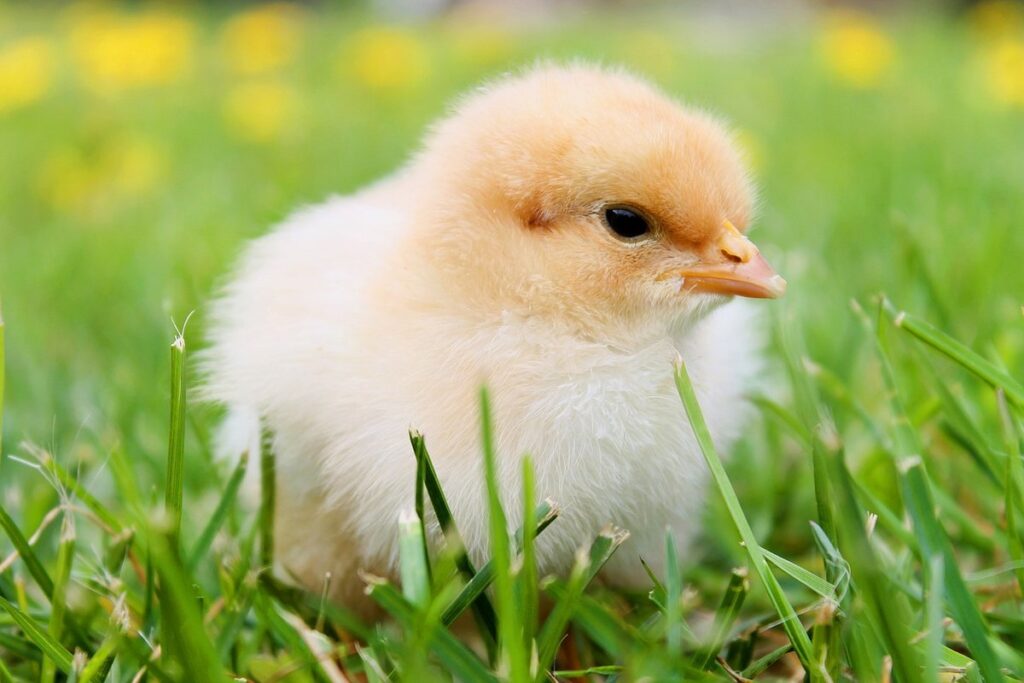
So, what exactly is a pasty butt in chicks? In simple terms, it’s when your chick’s droppings stick to their vent, causing a painful and potentially serious health issue.
Definition and Causes of Pasty Butt
A pasty butt is a common condition that affects many chicks, particularly those under 6 weeks old. It occurs when a chick’s droppings stick to its vent area due to moisture and dries out, forming a hard, dry, or sticky mass around the opening of the cloaca. This condition can be caused by a variety of factors, including diet, environment, and genetics.
Some common causes of pasty butt in chicks include inadequate heat, humidity, or ventilation in their brooder or coop. Chicks may also develop pasty butt if they are fed high-protein diets that cause them to produce harder droppings. Genetics can also play a role, as some breeds are more prone to pasty butt than others.
If left untreated, pasty butt can lead to serious health issues in chicks, including dehydration, bacterial infections, and even death. It’s essential for backyard chicken keepers to recognize the signs of pasty butt and take prompt action to prevent and treat this condition.
Recognizing the Signs of Pasty Butt
When you notice that your chick is exhibiting unusual droppings or behavior, it’s essential to recognize the signs of a pasty butt. One of the primary indicators is the appearance of sticky, dry, or clumped droppings around the vent area. These droppings can be greenish in color and have an unpleasant odor.
As a chick with a pasty butt struggles to eliminate waste properly, it can lead to a buildup of dried feces around the vent. This can cause discomfort and may even lead to the formation of painful cracks or sores. In severe cases, the dried droppings can also become embedded in the chick’s feathers, making it difficult for them to clean themselves.
Additionally, chicks with pasty butt issues often exhibit behavioral changes such as lethargy, loss of appetite, or reluctance to move around. If you notice any of these signs, gently inspect your chick’s vent area to check for dried droppings and consult a veterinarian for proper diagnosis and treatment.
Understanding the Risks Associated with Untreated Pasty Butt
Untreated pasty butt can lead to severe health issues, including impacted crops and digestive problems, making it crucial for chicks’ owners to take action.
If left unaddressed, these complications can be fatal, emphasizing the importance of prompt treatment.
Health Complications
Untreated pasty butt can lead to severe health complications that may ultimately affect your chick’s survival. One of the primary concerns is dehydration, which occurs when the dried fecal matter obstructs the vent and prevents water from being absorbed properly. This can cause electrolyte imbalances, leading to lethargy, loss of appetite, and even death.
Another critical issue associated with pasty butt is constipation, where impacted droppings can prevent normal bowel movements, causing discomfort and pain for your chick. If left untreated, this can lead to further complications such as peritonitis – a potentially fatal infection that occurs when bacteria from the fecal matter penetrate the intestinal wall.
Pasty butt also renders your chick more susceptible to disease, making it essential to treat this condition promptly. A compromised immune system can make your chick an easy target for diseases like respiratory issues and bacterial infections. Regular health checks, cleanliness, and proper care are crucial in preventing these complications and keeping your chicks safe and healthy.
Behavioral Effects
An untreated pasty butt can have far-reaching consequences that extend beyond just physical health. The discomfort and pain caused by a severely impacted vent can manifest as behavioral issues in chicks. One of the most noticeable signs is lethargy, where the chick becomes sluggish and withdrawn due to its inability to move around comfortably.
A lack of mobility can also lead to a decrease in appetite, causing the chick to lose interest in food altogether. This can be particularly worrying for new owners who may not recognize the symptoms as related to pasty butt. In extreme cases, chicks may even stop drinking water, leading to dehydration and further complications.
As an owner, it’s essential to monitor your chick’s behavior closely and look out for these warning signs. If you suspect that your chick has a pasty butt, it’s crucial to seek veterinary attention promptly. Early intervention can help prevent the development of behavioral issues and ensure a speedy recovery for your feathered friend.
Diagnosing Pasty Butt: What to Look for
A pasty butt can be a sign of dehydration, malnutrition, or respiratory issues in chicks, so it’s essential to recognize these warning signs early on. Knowing what to look for will help you provide prompt treatment.
Physical Examination
When examining a chick for pasty butt, it’s essential to follow a systematic approach. First, gently lift the chick and carefully separate its legs, taking note of any visible signs of debris or paste accumulation around the vent area. Next, inspect the vent opening, looking for any blockages, swelling, or redness that may indicate an infection.
During this examination, also check for any signs of discomfort or distress, such as straining, squawking, or lethargy. Observe the chick’s behavior and body language; if it shows reluctance to move or appears uninterested in its surroundings, it could be a sign of pasty butt.
Pay particular attention to the following signs: dryness around the vent, visible paste on the feathers or skin surrounding the vent area, and any unusual odors emanating from the chick. If you notice any of these indicators, it’s crucial to take immediate action to clear the blockage and prevent further complications. A thorough examination can help identify potential issues early on, allowing for prompt treatment and reducing the risk of complications.
Laboratory Testing (If Necessary)
If you’re experiencing a pasty butt in your chick and suspect it’s due to dehydration or impaction, laboratory testing may not be immediately necessary. However, there are cases where confirmatory tests can provide valuable insights. This is particularly true if the symptoms persist despite initial treatment or if other conditions like respiratory infections, vitamin deficiencies, or parasites are suspected.
In such instances, a veterinarian may recommend the following lab tests to rule out other causes of pasty butt or to guide further treatment: complete blood counts (CBC), serum biochemistry profiles, and fecal exams. These tests can help identify underlying health issues that might be contributing to the symptoms.
A CBC, for example, can reveal signs of anemia, infection, or inflammation. A serum biochemistry profile can indicate electrolyte imbalances or kidney problems. Meanwhile, a fecal exam can detect parasites like worms or protozoa that could be causing the chick’s digestive issues.
Consult with your veterinarian to determine if laboratory testing is necessary for your chick. They will assess the situation and recommend the best course of action based on their professional expertise.
Treatment Options for Pasty Butt
When it comes to treating a pasty butt, you’ll want to know your options beyond simply removing the dried droppings. We’re diving into some effective treatments to help your chick recover quickly and comfortably.
Manual Removal and Cleaning
Manual removal of pasty droppings from a chick’s vent area is a delicate process that requires gentle care and attention to detail. To begin, you’ll need to prepare a warm bath for the chick. Fill a container with lukewarm water, just enough to submerge the chick’s vent area. Gently place the chick in the water, making sure its head remains above the surface.
Use a clean, damp cloth or cotton ball to carefully remove any dried pasty droppings from the vent area. Be cautious not to push too hard, as this can cause further irritation and discomfort for the chick. Continue to gently wipe away the debris until the vent is clean and free of pasty residue.
Proper hygiene practices are essential during this process. Wash your hands thoroughly before and after handling the chick, and ensure all equipment and surfaces are sanitized to prevent the risk of infection. A pair of disposable gloves can also be used for added protection.
Dietary Changes and Supplements
When it comes to treating and preventing pasty butt in chicks, dietary changes can play a significant role. A well-balanced diet rich in fiber can help promote healthy digestion and regular bowel movements, reducing the likelihood of pasty butt occurring.
One key aspect is ensuring access to fresh water at all times. Dehydration can exacerbate the condition, making it more challenging for your chick’s body to process waste. Make sure their water is clean and easily accessible.
In terms of specific dietary changes, you may want to consider offering a mix of high-fiber foods such as leafy greens, fruits, and vegetables. Some great options include chopped apples, carrots, and sweet potatoes. These can be introduced gradually to prevent digestive upset.
Additionally, there are various supplements available that support healthy digestion and bowel movements in chicks. Probiotics, specifically designed for poultry, can help maintain a balanced gut microbiome and reduce the risk of pasty butt. Consult with your veterinarian before introducing any supplements to ensure they won’t interact with other medications or exacerbate underlying health conditions.
By incorporating these dietary changes and supplements into your chick’s daily routine, you can help prevent future occurrences of pasty butt and promote overall digestive health.
Prevention is Key: Maintaining Healthy Chicks
To keep your chicks healthy and prevent pasty butt from occurring in the first place, let’s dive into some essential tips for maintaining their overall well-being. This includes proper nutrition and hygiene practices.
Environmental Factors
Maintaining optimal environmental conditions is crucial to preventing pasty butt in chicks. Temperature plays a significant role, as young birds can easily get too hot and dry, causing the droppings to stick to their vents. Ensure that the brooder temperature is at least 90°F (32°C) for the first week and then gradually reduced by 5°F (3°C) each day until it reaches ambient temperature.
Humidity is also essential; chicks need a humid environment, especially in the first few days after hatching. You can achieve this by misting the brooder or using a humidifier. Aim for a humidity level of around 50-60%.
Access to clean water is equally important. Dehydration can lead to pasty butt, so make sure the chicks always have access to fresh, clean water. Change the water frequently and ensure that it’s not too cold or hot.
Additionally, good ventilation in the brooder is vital to prevent ammonia buildup from droppings, which can further exacerbate the issue of pasty butt.
Nutritional Considerations
A balanced diet is crucial in preventing pasty butt in chicks. When chicks eat nutrient-rich foods, their digestive system functions optimally, reducing the likelihood of droppings sticking to their vent area. Start by providing a high-quality starter feed that’s formulated for young chicks. This should be supplemented with fresh fruits and vegetables like leafy greens, carrots, and sweet potatoes.
In particular, fiber-rich foods like alfalfa hay, oats, or barley help support healthy digestion. You can also offer probiotics to promote gut health. For instance, you can mix a probiotic powder into their feed according to the manufacturer’s instructions.
Another aspect to consider is ensuring adequate access to fresh water. Dehydration can exacerbate pasty butt symptoms, so make sure your chicks always have a clean source of water nearby. By focusing on nutrition and hydration, you’ll be taking proactive steps towards preventing pasty butt in the first place.
Managing Pasty Butt: Tips for Breeders and Owners
As a breeder or owner, you want to know how to prevent pasty butt and treat it if it occurs. Here are some valuable tips on managing this common issue in chicks.
Early Detection and Intervention
Regular monitoring is crucial for early detection and intervention of pasty butt in chicks. As a breeder or owner, you should check your chicks daily for signs of pasty butt, which can be a life-threatening condition if left untreated. Look out for symptoms such as straining to pass droppings, being reluctant to move, or having wet or dirty vent feathers.
If you notice any of these signs, it’s essential to act quickly. First, gently remove any visible poop or debris from the vent area with a warm, damp cloth. Next, apply a lubricant specifically designed for chicks’ vents to help loosen and pass the droppings. You can also try soaking your chick in warm water to stimulate bowel movements.
In addition to these measures, it’s also vital to provide a clean and dry environment for your chicks. Ensure their living area is free from ammonia buildup, which can exacerbate pasty butt issues. By catching potential problems early on, you can prevent the condition from becoming severe and ensure the health and well-being of your young birds.
Creating a Healthy Flock Environment
Maintaining a clean and healthy environment is crucial to minimizing the risk of pasty butt in chicks. A dirty or unsanitary brooder can lead to stress, which can cause chicks to pass their droppings without moisture, resulting in stuck butts.
To create a healthy flock environment, start by ensuring adequate ventilation. Proper airflow helps to reduce ammonia levels and prevent the buildup of bacteria and viruses that can cause illness. You can achieve this by providing enough space for your chicks (about 1/4 square foot per bird) or by installing vents in your brooder.
Cleanliness is also essential. Remove soiled bedding daily, and replace it with fresh material. Disinfect all surfaces, feeding equipment, and waterers regularly using a pet-safe cleaner. This will help to break the life cycle of bacteria and other pathogens that can contribute to pasty butt.
Remember, chicks are naturally curious creatures, so always keep an eye on them to prevent accidents or injuries.
Frequently Asked Questions
Can I use warm water to clean my chick’s pasty butt, or should I stick to cool water?
Yes, it’s best to use lukewarm or cool water for cleaning your chick’s vent area, as hot water can cause irritation and discomfort. However, if the droppings are very dry and hard, you may need to gently use warm water in small amounts to loosen them.
How often should I monitor my chicks for signs of pasty butt after treatment?
Regular monitoring is crucial to ensure your chicks recover fully from pasty butt. After treatment, check your chicks’ vents daily for any signs of recurrence or new issues. Keep an eye out for changes in droppings consistency, color, or frequency.
What are some red flags I should look out for if my chick has a history of pasty butt?
If your chick has previously experienced pasty butt, be vigilant for recurring symptoms. Watch for increased stress levels, reduced appetite, lethargy, and any changes in droppings consistency or color. Early detection is key to preventing serious complications.
Can I use over-the-counter antibacterial ointments on my chick’s vent area?
No, it’s not recommended to use human OTC antibacterial ointments on your chick’s vent area without consulting a veterinarian first. These products can be toxic to chicks and may exacerbate the issue.
What are some essential supplements I should add to my chicks’ diet to prevent pasty butt?
Adding electrolyte-rich supplements, such as calcium or potassium, to your chicks’ diet can help maintain their digestive health and prevent pasty butt. However, always consult with a veterinarian before making any changes to your flock’s nutrition plan.