
Are you considering bringing home a new feathered friend to join your family? If so, you might be wondering about the gentle giants of the backyard flock: Cochins chickens. Known for their calm and intelligent nature, these lovable birds have been a favorite among chicken enthusiasts for centuries. But what makes them tick? Is their temperament right for first-time owners or busy families? In this article, we’ll delve into the history and characteristics of Cochins chickens, exploring both the pros and cons of keeping them as pets. We’ll also cover essential topics like health considerations, training, socialization, and more, so you can make an informed decision about whether these charming birds are right for your family.
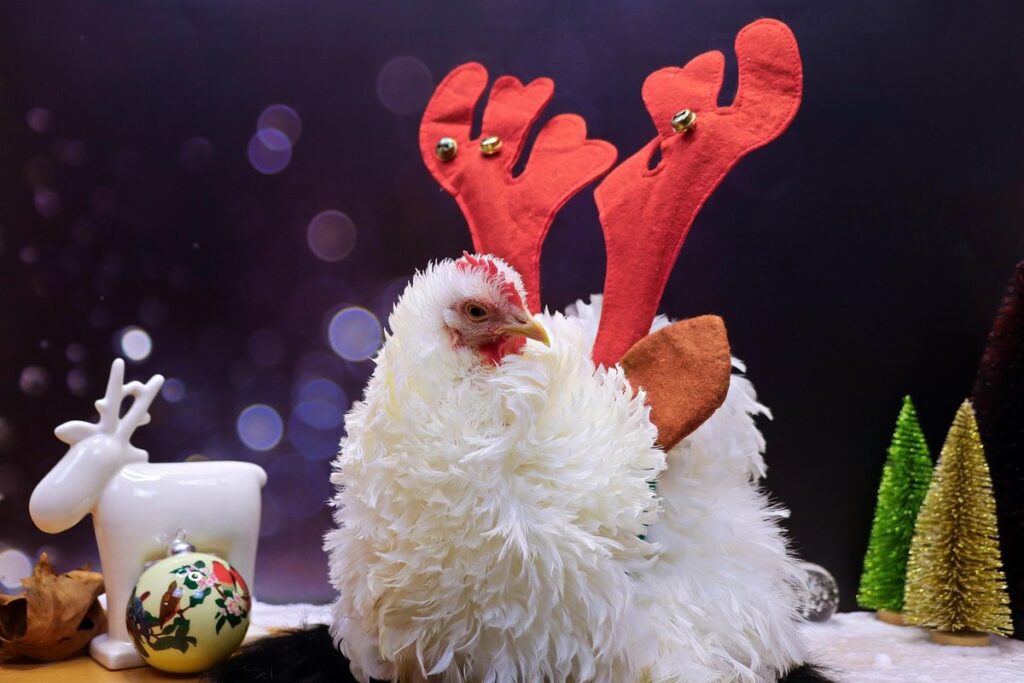
Origins and History of Cochins
Let’s delve into the fascinating origins and history of Cochins, one of the most beloved breeds known for their gentle nature. Their evolution will give us valuable insight into their temperament.
Origins in Ancient India
The origins of Cochins chickens date back to ancient India, where they were highly prized for their majestic size, stunning feathering, and gentle disposition. It’s no wonder that these birds have been a favorite among breeders and backyard flock owners for centuries.
In traditional Indian culture, Cochins were considered sacred animals, believed to possess spiritual significance and mystical powers. They were often given as gifts to royalty and nobility, symbolizing good fortune and prosperity. As you can imagine, being part of such an esteemed tradition would have instilled a sense of calmness and composure in these birds.
It’s likely that the breeders of ancient India selectively bred Cochins for their unique characteristics, intentionally nurturing their gentle nature to make them more desirable companions. By doing so, they inadvertently created one of the most affectionate and docile chicken breeds we know today.
Introduction to Cochins in Europe
Cochins chickens have a rich history that dates back to their introduction to Europe from Asia. Originating in the city of Cochín in southern India, these birds were highly prized for their unique characteristics and gentle nature. As European poultry enthusiasts began to take notice, they were brought over to the continent in the late 19th century.
Their exotic appearance, with plumage that can range from silver to gold to white, made them an instant hit among show bird fanciers. Breeders sought to perfect the breed, emphasizing the distinctive V-shaped beak and long, flowing feathers that Cochins are known for today. As a result of their popularity in Europe’s poultry shows, Cochins became one of the most recognizable breeds on the continent.
Today, European breeders continue to cultivate the unique traits that have made Cochins a favorite among chicken enthusiasts worldwide. By understanding the origins and evolution of this beloved breed, you can better appreciate the nuances that make them such delightful companions – and perhaps even learn how to bring out their best temperament in your own flock.
Temperament Characteristics
Cochins are known for their calm and gentle nature, but did you know that they also have some distinctive personality traits that set them apart from other breeds? Let’s explore these unique characteristics together.
Gentle Nature
Cochin chickens are renowned for their gentle nature, making them an excellent choice for families with children or individuals seeking a low-maintenance pet. One of the most distinctive characteristics of Cochins is their calm demeanor, which allows them to thrive in a variety of living situations.
Their docile temperament means they are less likely to fight or become aggressive, even when introduced to new environments or other birds. This makes them an ideal choice for families with children, as they can safely interact with the birds without worrying about being scratched or pecked.
Cochins also tend to be relatively quiet, which is a bonus for those who live in residential areas or prefer a peaceful environment. Additionally, their calm nature means they are less likely to escape or roam freely, reducing the risk of lost birds and the associated stress.
When introducing Cochins to your backyard, it’s essential to provide them with a safe and spacious area to roam. This can be achieved by creating a large enclosure or coop with adequate ventilation and protection from predators.
Intelligence and Trainability
Cochins are renowned for their exceptional intelligence and trainability, making them an excellent choice for experienced chicken keepers. These birds have been observed to possess a high level of cognitive ability, which enables them to learn and adapt quickly. With patience, consistency, and positive reinforcement, Cochins can be taught to perform various tasks, such as following commands and even walking on a leash.
One of the key benefits of training Cochins is their willingness to please their owners. They thrive on attention and interaction, making them highly responsive to commands and instructions. This trait makes them well-suited for agility training or even participating in dog-like activities, such as walking on a leash. To train your Cochin, start with simple tasks like coming when called or performing basic obedience commands.
It’s essential to remember that Cochins can be strong-willed at times, so consistency and clear communication are crucial. Provide a stimulating environment with plenty of opportunities for exercise, socialization, and mental stimulation to keep them engaged and motivated. With proper training and care, your Cochin will become a trusted companion and a valuable addition to your flock.
Pros and Cons of Keeping Cochins as Pets
Before deciding if a Cochin is right for you, let’s weigh the advantages and disadvantages of keeping these lovable birds as pets in your backyard flock.
Advantages: Unique Personality Traits and Low Maintenance
Cochins are known for their gentle and affectionate nature, making them an excellent choice as pets. One of the unique personality traits of Cochins is their calm demeanor, which allows them to thrive in small backyards or even apartments with minimal space. They are relatively low maintenance compared to other breeds, requiring less exercise and attention.
Their friendly and docile personalities also make them a great fit for families with children or for those who want a low-stress pet experience. In fact, Cochins have been known to form close bonds with their owners, following them around the yard and even enjoying being picked up and cuddled. With proper care and attention, Cochins can live up to 10-12 years, making them a long-term companion.
If you’re considering bringing a Cochin into your family, be prepared for a loyal friend that will bring joy and companionship to your life. Their laid-back nature also makes them an excellent choice for those new to chicken keeping or who have limited space to dedicate to their pets.
Disadvantages: Large Space Requirements and Health Issues
While Cochins can make wonderful pets due to their friendly and affectionate nature, it’s essential to consider the potential downsides of owning one. One significant disadvantage is their large space requirements. These birds are heavy and bulky, requiring a spacious coop with adequate room for movement. If you’re planning to keep your Cochin in a small backyard or apartment, you’ll need to ensure that there’s ample space for them to roam around comfortably. A general rule of thumb is to provide at least 2-3 square feet per bird inside the coop and 8-10 square feet outside.
Unfortunately, Cochins are also prone to certain health issues, which can be costly and time-consuming to manage. For instance, they’re predisposed to obesity, heart problems, and respiratory issues due to their compact body type and heavy bone structure. Regular exercise and a balanced diet can help mitigate these risks, but owners must remain vigilant in monitoring their bird’s health.
Additionally, Cochins are known to be prone to certain feather conditions such as leg and joint problems due to their size and weight. Keeping the coop clean and providing regular dust baths can also help reduce the risk of skin issues and mites.
Breeding and Raising Cochins
Breeding and raising Cochins can be a rewarding experience, especially when you know what to expect from their unique temperament. This is where proper care and handling come into play.
Selecting Healthy Breeders
When selecting healthy breeders for your Cochin flock, it’s essential to prioritize genetic diversity. This means choosing breeders who have a wide range of bloodlines and are not too closely related. You can research this by asking the breeder about their breeding program and seeking out multiple breeders with different lines.
Genetic diversity is crucial in maintaining the health and well-being of your Cochin flock. It helps to prevent the spread of diseases, reduces the likelihood of genetic disorders, and promotes overall resilience. Look for breeders who have a transparent approach to genetics and prioritize maintaining healthy, diverse flocks.
It’s also essential to inspect the breeding facility and assess the overall health and condition of the birds. A reputable breeder will be open to showing you their facilities and answering any questions you may have. Make sure to ask about vaccination records, parasite control measures, and other health protocols in place.
By selecting healthy breeders with diverse genetics, you can help ensure a robust and thriving Cochin flock. This, in turn, will contribute to the overall success of your breeding program and help you better understand Cochins’ temperament.
Caring for Young Chicks and Pullets
When it comes to raising young Cochins, providing proper care is crucial for their development and temperament. Nutrition plays a vital role in this process. As chicks, they require starter feed high in protein to support rapid growth. Introduce them to layer feed at around 18-20 weeks, gradually increasing the proportion of layer feed as you decrease the starter feed.
Ensure their environment is safe and stress-free. Provide enough space for exercise, fresh air, and dust-free areas for brooding. A temperature range of 90-100°F (32-38°C) is ideal during the first week, with a gradual reduction to around 70-80°F (21-27°C) by the fourth week.
Socialization is also essential for young Cochins. Expose them to various textures, sights, and sounds from an early age to prevent fearfulness later on. Handle them gently but regularly, encouraging interaction and trust. This will help develop their temperament into friendly, outgoing birds that are a joy to be around.
Health Considerations
When considering bringing cochins into your flock, it’s essential to think about their specific health needs and how they may impact your family’s well-being. This includes factors like dusting, droppings, and potential allergens.
Common Health Issues Affecting Cochins
As you work towards understanding the temperament of your Cochin chickens, it’s essential to consider their health. Unfortunately, these lovely birds are prone to certain common health issues that can impact their overall well-being and happiness.
One of the most significant concerns for Cochin owners is obesity. These gentle giants love food, and if not monitored closely, they can quickly become overweight. A diet high in protein and low in carbs, along with regular exercise, can help prevent this issue. Make sure to provide plenty of space for your Cochins to roam and engage in physical activity.
Respiratory problems are another health concern for Cochins. Their compact body type and heavy feathers make breathing difficult, especially during hot weather. Keep an eye on the temperature and humidity levels in their coop, and ensure good ventilation to prevent respiratory issues. Feather pecking is also a problem in Cochin flocks. To prevent this behavior, provide plenty of perches and toys for your birds to keep them occupied.
By being aware of these potential health issues and taking steps to prevent or manage them, you can help create a happy and healthy environment for your Cochins. Regular veterinary check-ups and monitoring their overall well-being will also ensure they live long, happy lives as part of your flock.
Preventative Measures and Veterinary Care
Maintaining the good health of your Cochin chicken is crucial to its overall well-being and long lifespan. To ensure their health, it’s essential to take preventative measures that cover various aspects such as living conditions, feeding habits, and parasite control.
Firstly, provide a clean and spacious living environment for your Cochins. Keep their coop dry, well-ventilated, and protected from harsh weather conditions. Also, make sure the coop is predator-proofed, especially if you live in an area with predators like foxes or coyotes.
In terms of feeding habits, ensure that your Cochins have access to fresh water at all times. Offer a balanced diet that includes high-quality layer feed, supplemented with fruits and vegetables as treats. Avoid overfeeding, as this can lead to obesity and related health issues.
Regular veterinary check-ups are also vital in maintaining the health of your Cochin. Schedule annual vaccinations and deworming treatments to prevent internal parasites from causing harm. Be on the lookout for signs of illness or stress, such as changes in appetite, droopy wings, or unusual behavior, and seek veterinary care immediately if you notice any of these symptoms.
Training and Socialization
When it comes to bringing out the best in your Cochins, proper training and socialization are key. Let’s dive into how you can help them become well-behaved and friendly feathered friends.
Basic Training Commands and Handling Techniques
When it comes to training and handling Cochins, patience and consistency are key. These gentle giants can be quite stubborn at times, but with positive reinforcement techniques and clear communication, you’ll be able to teach them the basics in no time.
To start with, teaching your Cochin to walk on a leash is essential for their safety and yours. Begin by getting them accustomed to wearing a harness and leash indoors, making it a fun and rewarding experience with treats and praise. Gradually introduce short walks outside, ensuring they become comfortable with the sights and sounds of the outdoors.
For tricks and training, use clicker training or target sticks to help them associate actions with rewards. Start with simple commands like “sit,” “stay,” and “come,” gradually increasing difficulty as they progress. Be prepared for some trial-and-error, but with a calm and gentle approach, your Cochin will learn to trust and obey.
When interacting with your Cochin, remember that firm but gentle handling is essential. Always support their body when lifting or moving them, and be mindful of their sensitive feathers. By establishing clear boundaries and showing empathy, you’ll develop a strong bond with your Cochin, built on mutual respect and understanding.
Socializing Your Cchin: Tips and Tricks
Socializing your Cchin with other animals and people is crucial for their emotional well-being and development. Cochins are known to be friendly and docile, but they still need time and patience to become confident in new situations. To ensure a smooth integration process, it’s essential to start socialization from an early age.
Begin by introducing your Cchin to other calm and gentle animals, such as rabbits or guinea pigs. Watch for body language cues; if either animal appears stressed or aggressive, separate them immediately. Gradually increase the interaction time over several days or weeks.
When introducing your Cchin to people, start with short sessions in a quiet area, allowing your chicken to become comfortable with new sights and sounds. Reward calm behavior with treats and praise, as this will help associate positive experiences with social interactions. Be patient, as some Cochins may take longer than others to adjust to new environments.
Remember, consistency and repetition are key when socializing your Cchin. With time and effort, you can develop a confident and friendly flock that enjoys human interaction and gets along well with other animals in the household.
Conclusion
Now that you’ve learned more about Cochins’ unique characteristics, let’s summarize what we’ve discussed and bring everything together for a clearer understanding of their temperament.
Recap of Key Takeaways
If you’ve made it this far into our exploration of Cochins’ temperament, you now have a solid understanding of these gentle giants. To recap the key takeaways: Cochins are known for their friendly and docile nature, making them an excellent choice for families with children or for those new to chicken keeping.
Their calm demeanor is rooted in their heritage as ornamental birds, bred for their stunning appearance rather than for egg production or fighting prowess. This temperament makes them highly adaptable to a variety of living situations – from small backyards to apartments with sufficient space.
One key point to remember is that Cochins are social birds and thrive when kept in groups. If you’re considering bringing home a single Cochin, be prepared to introduce it to existing flock members gradually to prevent stress and ensure a harmonious integration.
In terms of handling, Cochins are surprisingly tolerant of human interaction, often enjoying being petted or picked up. However, as with any chicken breed, it’s essential to establish trust slowly and gently, avoiding sudden movements that may frighten them.
When introducing new flock members or integrating your Cochin into an existing group, remember to monitor their behavior closely, ensuring everyone gets along peacefully. With patience and proper introduction techniques, you’ll be rewarded with a happy, healthy flock.
By incorporating these key takeaways into your chicken-keeping experience, you’ll be well on your way to understanding and appreciating the unique characteristics of Cochins.
Frequently Asked Questions
Can I raise Cochins as pets if I have a small backyard or limited space?
Yes, while Cochins do require regular exercise and movement, it’s possible to provide them with enough space and care even in smaller areas. However, be aware that they may need more frequent cleaning and maintenance due to their large size. Consider investing in a secure and well-ventilated coop to ensure your birds’ health and happiness.
How often should I socialize my Cochins to other chickens and animals?
Socialization is crucial for Cochins, especially if you plan to integrate them into an existing flock or expose them to other pets. Aim to introduce new chickens gradually, starting from a young age (around 6-8 weeks). Also, spend quality time with your birds regularly, letting them get accustomed to handling and interaction.
What are some common health issues I should watch out for in Cochins?
Cochins can be prone to health issues like obesity, heart problems, and respiratory infections. Regular veterinary check-ups, a balanced diet, and plenty of exercise will help prevent these conditions. Additionally, keep an eye on their droppings and feathers, as changes in either could indicate underlying health concerns.
Can I train my Cochins to free-range in the yard, or are they more suited to confinement?
While Cochins can adapt to various living situations, their gentle nature makes them more inclined to explore and forage freely. If you plan to free-range your birds, ensure a secure perimeter fence, watch out for predators, and provide adequate shelter from extreme weather conditions.
How do I select healthy breeders or suppliers when purchasing young Cochins?
When searching for breeders or suppliers, prioritize those who have a good reputation, transparent health records, and a willingness to share information about their breeding practices. Look for signs of proper care, such as clean living conditions, access to fresh water and food, and regular veterinary check-ups.