
As a backyard chicken owner, dealing with a lice infestation can be a real headache. These pesky parasites not only cause discomfort for your birds but also lead to stress and potential health issues. Treating lice on chickens requires careful consideration of chemical-free methods that won’t harm your flock or contaminate their environment. In this article, we’ll explore natural remedies like essential oils, herbal treatments, and dietary changes to help you tackle the problem effectively and humanely. You’ll learn how to prevent future infestations and create a healthier coop for your chickens using non-toxic methods that prioritize their well-being and yours. Whether you’re a seasoned chicken keeper or just starting out, this guide will provide valuable insights into naturally treating lice on chickens.
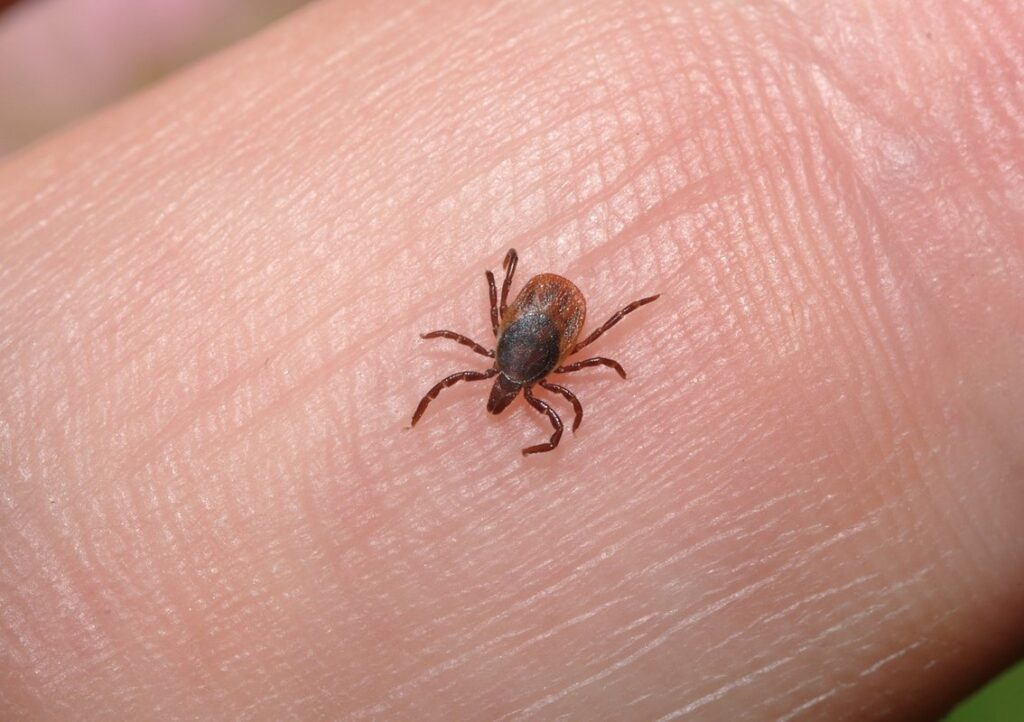
Understanding Chicken Lice and Their Impact
Before we dive into natural treatments, it’s essential to understand what chicken lice are and how they affect your flock’s health. Let’s take a closer look at these pesky parasites.
What Are Chicken Lice?
Chicken lice, also known as blood-feeding mites, are tiny external parasites that feed on the blood of chickens. There are three main species of chicken lice: the body louse (Goniodes gigas), the head louse (Menopon gallinae), and the wing louse (Lipeurus caponis). These pests can be found in large flocks, particularly in areas with poor ventilation or overcrowding.
The life cycle of a chicken louse typically takes around 20-30 days. Adult lice lay eggs, called nits, on the feathers of the host bird. The nits hatch into nymphs after 7-10 days, and then go through several molts before reaching adulthood. Chicken lice can affect chickens in various ways, including anemia, stress, and reduced egg production. Infested birds may also exhibit excessive preening, scratching, or lethargy.
It’s essential to recognize the signs of chicken lice infestation early on, as it can lead to more severe health issues if left untreated. Regular inspections, proper ventilation, and a clean coop environment are crucial in preventing lice infestations.
Signs of a Lice Infestation in Your Flock
A lice infestation in your flock can be a distressing experience, but recognizing the signs early on is crucial to taking prompt action. As a chicken owner, it’s essential to know what to look out for to identify if your birds have contracted lice.
Excessive pecking at their feathers or skin is one of the most common symptoms of a lice infestation. You may notice your chickens constantly pecking at specific areas, such as around the base of their necks or along their backlines. This behavior can be caused by discomfort or irritation from the lice bites.
Feather loss and weight loss are also telltale signs that your flock is suffering from a lice infestation. As lice feed on your chickens’ blood, they can lead to significant weight loss over time. In addition, intense scratching and feather plucking can result in noticeable feather loss, making it essential to act quickly to prevent further damage.
If you suspect an infestation, inspect your birds closely for signs of eggs or actual lice attached to their feathers. Regular monitoring is key to detecting the problem early on and taking natural treatments that are safe for both your chickens and the environment.
Identifying the Type of Lice
To effectively treat lice on your chickens, you first need to know what type of lice they have, which can be either body lice or feather lice.
Understanding the Three Main Types of Chicken Lice
When it comes to identifying and treating lice on chickens, understanding the different types of lice is crucial. There are three main types of chicken lice: Goniocotes, Menopon, and Campanulurus. Each type has distinct characteristics that can help you determine which one your flock may be infested with.
Goniocotes are the most common type of chicken louse. They have a distinctive oval shape and are typically yellow or gray in color. These lice tend to thrive on birds with thick feathers, making them more prevalent during winter months when chickens’ coats become heavier. Menopon lice, on the other hand, are smaller and more rounded than Goniocotes. They often infest birds with lighter plumage or those that have been exposed to stress.
Campanulurus lice are relatively rare and can be identified by their elongated bodies and long legs. This type of louse is often associated with birds suffering from respiratory issues. Recognizing the unique characteristics of each louse type will aid you in selecting an effective natural treatment method tailored to your flock’s specific needs.
How to Tell If Your Chickens Have One or More Types of Lice
Checking for lice on chickens can be challenging, especially if you’re not familiar with their appearance. To identify different types of lice, observe the birds’ behavior and preferred locations on the chicken.
* Scaly Leg Mites (Knemidokoptes mutans) are oval-shaped and feed on skin cells. They have six legs and tend to congregate around the hocks.
* Poultry Lice (Menopon gallinae), on the other hand, are flat and oval in shape with a hard exoskeleton. These lice usually reside in areas like the feathers, vent area, and neck of the chicken.
To check for lice, inspect your birds thoroughly, paying attention to these preferred locations. You can also perform a dust bath by sprinkling diatomaceous earth on their feathers. The lice will die after getting caught in this powder’s sharp edges, making it easier to spot them. However, if you suspect an infestation, consult with a veterinarian or experienced poultry breeder for guidance on treating the problem naturally.
Natural Methods for Treating Chicken Lice
If you’re looking for a chemical-free solution, we’ll explore effective natural methods to get rid of chicken lice and keep your flock healthy. From herbal remedies to homemade sprays.
Dietary Changes to Help Combat Lice
When it comes to treating lice on chickens naturally, dietary changes can play a significant role in reducing infestations. One key area of focus is increasing calcium intake. Lice thrive in environments with low calcium levels, so providing a balanced feed that includes calcium-rich ingredients such as oyster shells or crushed eggshells can help keep them at bay.
Probiotics are another essential component to consider. By promoting a healthy gut microbiome, probiotics can boost your chicken’s immune system, making it more resistant to lice infestations. You can add probiotic powder or supplements to their feed, or incorporate fermented foods like yogurt or kefir into their diet.
Essential oils like tea tree oil and neem oil have also been shown to repel lice naturally. While they shouldn’t be used as a standalone treatment, incorporating them into your chicken’s dietary routine can help deter infestations. Mix a few drops of the essential oil with their feed or water to create a natural deterrent.
Remember to always introduce new ingredients gradually and in moderation to prevent digestive upset.
Herbal Remedies and Oils for Lice Treatment
When it comes to treating chicken lice naturally, herbal remedies and oils have proven to be effective alternatives to chemical-based products. One of the most popular natural lice treatments is neem oil, which has been used for centuries to repel and eliminate external parasites on poultry. Neem oil contains azadirachtin, a compound that disrupts the lice’s nervous system, ultimately leading to their death.
Another effective essential oil for treating chicken lice is tea tree oil. Its strong antiparasitic properties make it an excellent natural insecticide. To use tea tree oil effectively, mix a few drops with water or neem oil and apply directly to the affected areas of your chickens’ bodies. Be sure to dilute the essential oils properly, as undiluted concentrations can be irritating to your birds’ skin.
Lavender oil is another popular natural remedy for lice treatment on chickens. Its calming properties not only help reduce stress but also have a soothing effect on the skin. To use lavender oil, mix it with water or neem oil and apply topically to your chicken’s feathers and skin. Regularly repeating this process can help eliminate lice infestations naturally.
Remember to always spot-check for any adverse reactions before applying these essential oils extensively.
Using Essential Oils for Lice Control
When it comes to using essential oils, they can be a game-changer in naturally controlling lice on your flock. In this section, we’ll explore their effectiveness and provide you with some practical tips.
Safety Precautions When Using Essential Oils on Chickens
When using essential oils to treat lice on chickens, it’s crucial to follow safety precautions to avoid harming your birds. One of the most critical considerations is proper dilution. Essential oils can be quite potent, and undiluted application can lead to skin irritation or even respiratory problems in your chickens. To avoid this, always mix essential oils with a carrier oil like coconut or olive oil before applying them.
When choosing essential oils for lice control, opt for those known for their insecticidal properties, such as tea tree oil, lavender oil, and eucalyptus oil. Apply the diluted mixture directly to your chickens’ feathers, starting from the head and working down towards the tail. Be sure to avoid applying essential oils around the eyes, nostrils, or mouth.
Some additional safety precautions include: never using essential oils on young or stressed birds; keeping essential oils out of reach of children and pets; and conducting patch tests before full-scale treatment. By taking these simple steps, you can ensure a safe and effective lice control plan for your flock.
Topical Application Methods for Essential Oils
When applying essential oils for lice control on chickens, it’s essential to use them in a way that is safe and effective. One method is to directly apply the oil to the affected areas of the chicken’s body. You can do this by gently massaging a few drops of oil into the feathers, taking care not to irritate the skin.
Another approach is to add a few drops of essential oils to the chickens’ water or feed. This helps to spread the benefits throughout their system and can be especially useful for treating lice in younger birds or those with sensitive skin. Some popular essential oils for this purpose include tea tree oil, lavender oil, and peppermint oil.
When using essential oils in this way, it’s crucial to start with a small amount and gradually increase as needed. This helps prevent over-exposure and potential irritation. You can also mix the essential oil with a carrier oil like coconut or olive oil for added moisturizing benefits.
Some chicken keepers find it more convenient to diffuse essential oils into their coop environment instead of directly applying them to the birds. This can be done using an ultrasonic diffuser placed in the coop, releasing a gentle mist of essential oils that helps repel lice and other pests.
Preventing Future Lice Infestations
To keep your flock lice-free, it’s essential to not only treat any existing infestation but also take proactive steps to prevent future outbreaks from occurring. We’ll cover some effective methods for doing just that.
Keeping Your Chicken Coop Clean and Disinfected
Regular cleaning and disinfection of chicken coops is crucial to preventing future lice infestations. Lice thrive in dirty environments with abundant food sources, making it essential to maintain a clean coop. Start by removing soiled bedding, such as straw or pine shavings, and replace it with fresh material. This will not only eliminate lice eggs but also reduce ammonia levels caused by urates.
Next, disinfect all surfaces using a natural solution of 1 part white vinegar to 9 parts water. Focus on areas around nesting boxes, roosts, and feeding troughs, where lice are most likely to congregate. Use a scrub brush or cloth to thoroughly clean all surfaces, paying attention to any crevices or cracks where dirt can accumulate.
When disinfecting the coop, be sure to wear protective gloves and clothing to prevent exposure to potential pathogens. Disinfection should be done regularly, ideally every 2-3 weeks, depending on the size of your flock and their individual needs.
Monitoring for Early Signs of Re-Infestation
Regular checking of your flock is crucial to detecting early signs of re-infestation. Lice can reintroduce themselves into a previously treated coop if preventative measures aren’t taken. Create a habit of monitoring your chickens at least once a week, ideally during their molting phase when lice are more visible.
When inspecting for lice, focus on areas around the vent, tail feathers, and beak. These regions tend to accumulate debris and are prime hiding spots for lice eggs. Use a flashlight to illuminate darkened areas of the coop, making it easier to spot any unwanted guests.
Watch for telltale signs such as excessive molting, restlessness, or fluffing out their feathers excessively due to discomfort. Also, inspect nesting boxes regularly for lice, which can lay eggs on roosts and bedding materials. If you catch an infestation early, it’s easier to treat and prevent further complications.
Additional Considerations for Small-Scale Farmers
As you work towards ridding your flock of lice, it’s essential to consider the unique challenges small-scale farmers face when treating their chickens naturally and sustainably. This includes limited resources and specialized needs.
How to Integrate Natural Lice Treatment into Your Farming Practices
Integrating natural lice treatment methods into your small-scale farming practices is not only a sustainable choice but also a crucial one for maintaining the health and well-being of your flock. When considering natural treatments, it’s essential to evaluate their efficacy, cost-effectiveness, and potential environmental impact.
Some natural lice treatment options include using diatomaceous earth, apple cider vinegar, or neem oil. These methods can be used as standalone treatments or in combination with other approaches, such as improving ventilation and reducing stress on the birds. For instance, creating a dust bath area for your chickens to regularly clean themselves can help reduce lice infestations.
To integrate natural lice treatment into your farming practices, start by assessing your flock’s specific needs and environmental conditions. This will allow you to choose the most effective natural treatment methods and implement them in conjunction with established farm protocols. By adopting a multi-faceted approach that incorporates natural treatments and sustainable management practices, you can minimize the reliance on chemical-based products and maintain a healthy, thriving flock.
Recording and Monitoring Your Flock’s Health
Keeping detailed records of your flock’s health is crucial for small-scale farmers who opt for natural treatments. This practice not only helps you monitor their progress but also enables you to identify potential issues before they escalate. Start by creating a notebook or spreadsheet where you log the following information: each chicken’s name, age, and any notable changes in behavior or physical condition.
For lice infestations specifically, note down the date you applied the natural treatment, what product was used (e.g., pyrethrin spray, diatomaceous earth powder), and any adverse reactions. Regularly inspect your flock to track the effectiveness of the treatment. If you notice any lingering issues or new problems arise, revisit your records to see if there’s a pattern or correlation between treatments.
By maintaining accurate and comprehensive health records, you can refine your approach over time, making adjustments as needed for better outcomes and minimizing stress on your chickens.
Frequently Asked Questions
How soon can I expect to see results from natural lice treatment on my chickens?
Results may vary depending on the severity of the infestation, but you should start noticing improvements within a week or two after implementing natural remedies like essential oils and herbal treatments. Consistency is key, so ensure you’re following through with regular applications and monitoring your flock’s progress.
Can I use essential oils on broody hens, as they may be stressed by the treatment?
Yes, it’s crucial to exercise caution when using essential oils on broody hens, as their stress levels can increase. Start with gentle dilutions (1-2% of carrier oil) and observe your birds’ behavior before increasing the concentration or switching to different essential oils. It’s also vital to provide a calm environment during treatment.
How often should I clean and disinfect my chicken coop to prevent re-infestation?
Regular cleaning is crucial, but don’t overdo it – excessive disinfection can stress your flock. Schedule deep cleans every 2-3 months, focusing on areas where lice are most prevalent (e.g., nesting boxes, perches). In between, maintain a regular cleaning schedule of at least once a week to prevent re-infestation.
Can I use natural treatments simultaneously with my existing coop cleaning routine?
Yes, you can integrate natural treatments into your existing coop cleaning routine. Start by addressing the underlying issues causing stress and discomfort for your flock (e.g., poor ventilation, overcrowding). Then, apply natural remedies according to their instructions while maintaining a clean environment.
How can I identify if my chickens have developed resistance to certain essential oils?
If you notice that your usual treatment isn’t effective anymore, it may be due to developing resistance. To combat this, rotate between different essential oils or adjust the dilution ratios. Monitor your flock’s response closely and record their behavior, health, and any changes in treatment efficacy.