
If you’re thinking of adding some feathered friends to your backyard flock, or maybe even raising them for eggs, then you might be considering Leghorns. These birds have been a popular choice for chicken keepers for centuries, and it’s easy to see why – they’re known for their friendly, outgoing personalities. But what about their temperament? Is owning a Leghorn right for you and your family? In this article, we’ll delve into the charming personality traits of Leghorns, including their pros and cons, and provide you with valuable insights on how to raise healthy chicks and maintain good health in these lovable birds. Whether you’re an experienced breeder or just starting out, our guide will help you make informed decisions about owning a Leghorn as a pet or for egg production.
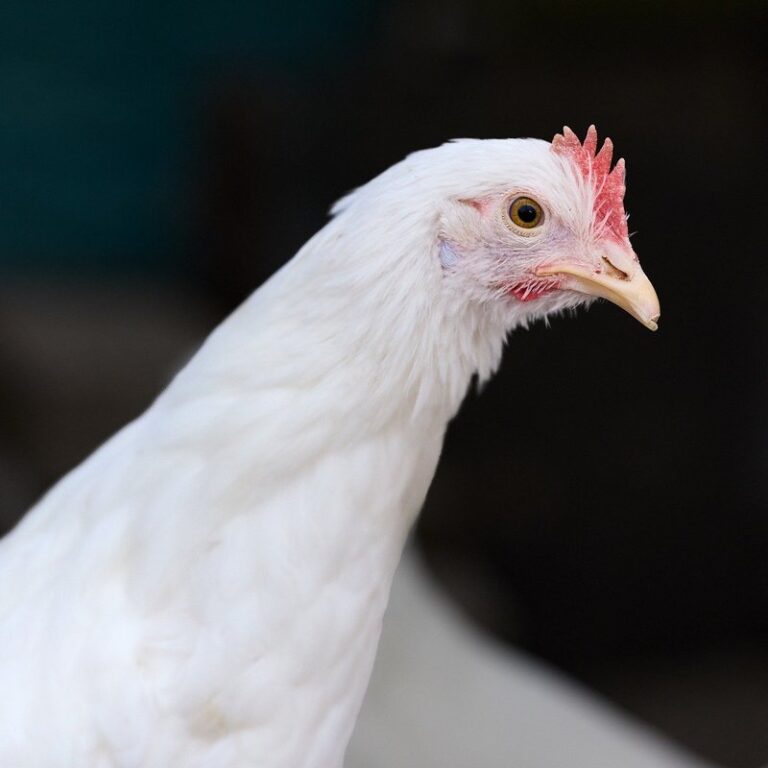
Introduction to Leghorns
When it comes to understanding the temperament of your Leghorn chickens, getting familiar with their origins and unique characteristics is a great place to start. Let’s dive into what makes them tick.
Brief History of Leghorns
Leghorns have been a staple in backyard chicken keeping for centuries. Their origins date back to Italy, where they were bred specifically for egg production. In the 19th century, Leghorns were brought to the United States and quickly gained popularity due to their high egg-laying capabilities.
Breeding history played a significant role in shaping the modern Leghorn. Breeders selectively bred them for increased egg production, resulting in the bird you know today. With an average of 280-300 eggs per year, Leghorns have become a go-to choice for backyard chicken keepers looking to maximize their egg output.
Their popularity can be attributed to their hardiness and adaptability. Leghorns are relatively low maintenance compared to other breeds, making them perfect for beginners or those with limited space. Their ability to thrive in various environments has made them a staple in many backyard flocks.
Overview of Leghorn Characteristics
Leghorns are one of the most recognizable chicken breeds due to their unique physical characteristics. When it comes to size, Leghorns are considered a medium-sized breed, with roosters typically weighing between 4-6 pounds and hens weighing between 3-5 pounds. Their compact body type allows them to thrive in small backyard flocks.
One of the most distinctive features of Leghorns is their plumage. They have a predominantly white coat with some black or red feathers on their tail and wings. This striking combination makes them stand out in any flock. In terms of body type, Leghorns are known for their slender necks, long backs, and well-defined breast muscles. Their legs are also relatively long compared to other breeds.
These physical characteristics serve as a foundation for the breed’s overall health and vitality. With proper care and management, Leghorns can live up to 5-7 years or more in some cases. By understanding their unique physical traits, you’ll be better equipped to provide the best possible environment for your flock, which is essential for maintaining their temperament and overall well-being.
Temperament Traits of Leghorns
When it comes to understanding the personality of your Leghorn chicken, one key aspect is their temperament traits, which can greatly impact how you interact and care for them. Let’s dive into what makes a typical Leghorn tick!
Friendly and Social Nature
Leghorns are renowned for their affable nature, making them an ideal choice for families or individuals seeking a pet chicken. These birds thrive on social interaction and will often seek out human companionship. In fact, Leghorns are known to form strong bonds with their owners, often following them around the yard or even into the house.
Their friendly demeanor also extends to their interactions with other chickens. Leghorns tend to be tolerant of other breeds and ages, making them an excellent choice for backyard flocks. They’re often willing to share food, perches, and even nesting boxes with their feathered friends.
If you’re considering bringing a Lehorn into your family, remember that they’ll require regular attention and socialization. Spend time with your bird daily, engaging in activities like feeding, grooming, or simply cuddling. With proper care and interaction, Leghorns can become loving and loyal companions, providing hours of entertainment and joy for years to come.
In terms of integrating a Lehorn into your flock, it’s essential to introduce them gradually to avoid any potential stress or aggression. Start by placing the new bird in a separate enclosure near the main coop, allowing them to get accustomed to each other’s presence before allowing direct contact.
Noise Level and Vocalization
When it comes to noise level and vocalization, Leghorns are known for being quite loud. They have a high-pitched scream that can reach levels of up to 90 decibels, which is equivalent to the sound of a lawnmower or heavy traffic. While their vocalizations can be beneficial in alerting owners to potential threats such as predators, they can also be a drawback for some people.
One of the main reasons Leghorns are so vocal is due to their natural behavior. In the wild, hens use loud calls to communicate with each other and warn off predators. This trait has been passed down through generations, making it a characteristic of many modern Leghorn breeds. If you’re considering bringing a Leghorn into your flock, be prepared for early morning wake-up calls and potential noise complaints from neighbors.
To manage the noise level of your Leghorns, try providing them with plenty of space to roam and exercise. This can help reduce stress and anxiety, which often contributes to excessive vocalization. You can also consider separating particularly loud birds or using visual deterrents like balloons to distract them from making noise.
Energy Level and Activity
Leghorns are known for their boundless energy and high activity level. These birds were originally bred for egg production and required a lot of space to roam and exercise in order to maintain their physical health. If you’re planning on keeping Leghorns as pets or raising them for eggs, it’s essential that you provide them with regular exercise and mental stimulation.
A lack of physical activity can lead to stress, boredom, and even behavioral problems such as feather pecking and egg eating. To prevent this, make sure your Leghorns have access to a secure outdoor run where they can free-range and forage. You can also set up a play area or exercise pen in your backyard where they can engage in physical activity.
In addition to physical exercise, mental stimulation is just as important for Leghorns. Provide them with toys and puzzles that challenge their problem-solving skills and keep them engaged. For example, you can place treats or kibble inside plastic bottles or containers and let the birds figure out how to get them out. This will not only keep them entertained but also provide them with a sense of accomplishment and satisfaction.
Pros and Cons of Keeping Leghorns as Pets
If you’re considering bringing a Leghorn chicken into your home, it’s essential to weigh the advantages and disadvantages of keeping them as pets. We’ll break down what to expect.
Advantages of Leghorn Ownership
If you’re considering keeping Leghorns as pets, there are many advantages to this decision. One of the most notable benefits is their friendly and social nature. Leghorns are known for being docile, calm, and affectionate birds that thrive on human interaction. They make excellent companions for families with children or for experienced chicken keepers looking for a low-maintenance pet.
Another advantage of owning Leghorns is their relatively easy maintenance requirements. They are hardy birds that can adapt to a variety of living situations, from small backyards to larger farms. Their simple dietary needs and ease of handling make them an ideal choice for those new to chicken keeping.
One of the most impressive benefits of Leghorn ownership is their incredible egg-laying abilities. Leghorns are prolific layers, producing an average of 280-300 eggs per year – making them a valuable asset for both hobbyist and commercial farmers alike.
Disadvantages of Leghorn Ownership
While Leghorns can make wonderful pets for experienced chicken keepers, there are some potential drawbacks to consider before deciding to bring one home. One of the most notable disadvantages is their noise level. Leghorns are known to be vocal birds and will not hesitate to let you know when they want something – whether it’s food, attention, or a place to roost. If you live in an apartment or have close neighbors, a Leghorn may not be the best choice.
Another consideration is their high energy requirements. Leghorns are bred for egg production and as such, they need plenty of space to move around and exercise. They also require regular feeding and watering, which can be time-consuming if you’re new to chicken keeping. If you have a small backyard or limited free time, a Leghorn may not be the best fit.
Additionally, Leghorns are prone to flightiness, which means they love to fly and will often make attempts to escape from their coop or enclosure. This requires careful planning and setup to prevent them from getting loose in your yard or neighborhood. With proper care and attention, however, these traits can be managed and even become endearing quirks of your feathered friends.
Breeding and Raising Leghorns
When it comes to breeding and raising Leghorns, it’s essential to consider their unique needs and characteristics to ensure a happy and healthy flock. This involves choosing suitable mates, managing egg production, and creating an environment that suits their energetic nature.
Selecting the Right Breed
When it comes to bringing home Leghorns, selecting the right breed is crucial. You want birds that will thrive and exhibit the friendly, outgoing personalities characteristic of the breed. To ensure you’re getting healthy, genetically diverse Leghorns, look for reputable breeders who prioritize health testing.
Genetic diversity is key when breeding chickens, as it helps prevent inbreeding depression and ensures your flock remains resilient to disease. When selecting a breeder, ask about their breeding program and how they maintain genetic diversity within their flock. A responsible breeder should be able to provide you with information on the bloodlines used and any health testing that’s been done.
When purchasing from a trustworthy source, look for breeders who conduct regular health tests, such as those for Marek’s disease and Avian Influenza. You can also ask about vaccination records and parasite control methods. By doing your research and choosing a reputable breeder or supplier, you’ll be more likely to bring home healthy Leghorns that will become beloved members of your flock.
Tips for Raising Healthy Chicks
Raising healthy chicks is crucial to developing strong and resilient adult Leghorns. When it comes to nutrition, provide a starter feed specifically formulated for young chickens, rich in protein and calcium to support rapid growth. Ensure the feed is free from contaminants and of high quality.
Vaccinations are also essential in protecting your chicks from diseases such as Marek’s disease, infectious bronchitis, and Newcastle disease. Consult with a veterinarian or poultry expert to determine the best vaccination schedule for your flock.
Environmental enrichment plays a vital role in promoting optimal growth and development in young Leghorns. Provide a safe and clean environment with adequate space for exercise and movement. This can be achieved by using brooder boxes specifically designed for chick rearing, which allow for easy cleaning and ventilation.
Maintain a consistent temperature of around 90-95°F (32-35°C) during the first week, gradually decreasing it by 5-10°F every few days until they reach 8 weeks old. This ensures a smooth transition from brooder to grow-out phase.
Health Considerations for Leghorns
When raising Leghorn chickens, it’s essential to be aware of their specific health needs and potential vulnerabilities, which can vary from other breeds.
This section will delve into the common health concerns affecting Leghorns, helping you better care for your flock.
Common Health Issues in Leghorns
Leghorns are prone to certain health issues that can impact their quality of life and productivity. One common problem is feather pecking, where birds excessively peck at each other’s feathers, leading to stress, injury, and even death. To prevent this, provide a balanced diet, ensure adequate space per bird, and engage in enrichment activities like foraging or puzzle toys.
Another issue affecting Leghorns is broodiness, a natural instinct that causes hens to become overly focused on incubating eggs instead of laying them. This can lead to reproductive problems if left unchecked. To manage broodiness, separate affected birds from the flock, provide adequate light and ventilation, and offer a balanced diet rich in calcium.
Reproductive problems are also prevalent among Leghorns, including egg binding, ovarian torsion, and reproductive tract infections. These issues can be caused by genetics, nutrition, or environmental factors. Monitor your bird’s behavior, and seek veterinary advice if you notice any signs of distress or difficulty laying eggs. Regular health checks and maintaining a clean coop can help identify potential problems early on.
To minimize the risk of these issues, ensure proper care and management practices are in place, including providing adequate space, nutrition, and exercise for your Leghorns.
Strategies for Maintaining Good Health
Maintaining good health is crucial for Leghorns to thrive, especially considering their high energy levels and lively personalities. Regular veterinary check-ups are essential to monitor their overall health and catch any potential issues early on. This can help prevent illnesses that might arise from their high-strung nature.
Proper nutrition also plays a vital role in maintaining good health. Leghorns require a balanced diet rich in protein, calcium, and other essential nutrients. Aiming for around 16-18% protein content is ideal to support their rapid growth rate. You can supplement their commercial feed with fresh fruits and vegetables like leafy greens, carrots, or berries.
Environmental management is also crucial in maintaining good health. Ensure their coop has adequate ventilation to prevent respiratory issues. Keep their living space clean and dry to reduce the risk of parasites and diseases. A dust bath area for them to scratch and clean themselves can help keep their feathers and skin healthy.
Aiming to provide an enriched environment that meets their physical and mental needs will go a long way in maintaining good health in Leghorns.
Conclusion: Is a Leghorn Right for You?
So, you’ve learned all about the Leghorn’s energetic and friendly personality – now it’s time to think about whether one of these birds is right for your backyard. Let’s weigh the pros and cons together!
Weighing the Pros and Cons
So you’ve learned about the Leghorn chicken’s friendly, outgoing personality, high energy levels, and need for social interaction. Now it’s time to weigh the pros and cons of keeping them as pets or using them for egg production.
On one hand, Leghorns are great egg layers, producing an average of 280-300 eggs per year. This is a significant advantage if you’re looking for chickens that can provide a steady supply of fresh eggs for your family or to sell at the local market. Their high energy levels also make them easy to manage, as they’ll keep themselves entertained and active even when left alone for short periods.
Another pro of keeping Leghorns is their ability to thrive in small spaces. They don’t require a lot of room to roam, making them perfect for backyard farmers with limited space or those living in urban areas. Additionally, their friendly nature makes them an excellent choice for families with children, as they’re relatively easy to handle and enjoy human interaction.
However, there are some cons to consider when deciding whether Leghorns are right for you. For one, their high energy levels can make them noisy and demanding if not given enough attention and stimulation. They also require regular socialization and exercise, which can be time-consuming and may not be suitable for busy owners. Furthermore, their constant need for interaction can lead to feather pecking and stress-related behaviors if left unattended.
To get the most out of your Leghorn chickens, make sure to provide them with a balanced diet, plenty of fresh water, and regular opportunities for exercise and socialization. With proper care and attention, they’ll reward you with a steady supply of delicious eggs and endless entertainment.
Frequently Asked Questions
Can I mix Leghorns with other breeds to create a more diverse flock?
Yes, mixing Leghorns with other breeds can be a great way to create a diverse and interesting flock. However, it’s essential to consider the temperament and characteristics of each breed before introducing them to your existing flock. This will help you avoid potential conflicts and ensure a harmonious living environment for all your chickens.
How do I prevent Leghorns from escaping or flying away?
Leghorns are known for their high energy levels and love of flying, which can make them prone to escape attempts. To prevent this, ensure that your coop has adequate fencing (at least 3 feet high) and consider adding a roof or netting to cover the top. You may also want to invest in some anti-flying strips or clips to discourage their natural instinct.
Can Leghorns be kept as pets if you have very young children?
Leghorns are generally friendly and outgoing, making them an excellent choice for families with children. However, it’s crucial to supervise interactions between children and chickens closely, especially when introducing young chicks. Teach your kids how to handle the birds gently and respect their space to avoid stressing or injuring either party.
How do I know if a Leghorn is unhealthy or in distress?
Leghorns are prone to certain health issues, such as respiratory problems or egg-binding. To identify potential health concerns early on, pay close attention to your chicken’s behavior, appetite, and egg-laying habits. Look for signs of illness like labored breathing, lethargy, or unusual changes in droppings. Consult a veterinarian experienced with poultry if you suspect any issues.
Can I raise Leghorns in an urban setting or do they require a lot of space?
While Leghorns are active birds that thrive on regular exercise and outdoor access, they can be adapted to smaller spaces like backyards or even rooftops in cities. However, it’s vital to provide them with enough room for stretching their wings and engaging in physical activity – ideally at least 2-3 square feet per bird indoors.