
Are you considering adding some feathered friends to your backyard? Setting up a quail cage can be an exciting but intimidating task, especially if you’re new to raising birds. Creating a suitable environment for your quails is crucial to their health and happiness. That’s why we’ve put together this comprehensive guide on setting up a backyard quail cage.
In this article, we’ll walk you through the essential steps of choosing the right cage size and type, creating an optimal enclosure that meets your quails’ needs, and providing top-notch care for these adorable birds. From selecting the best nesting boxes to ensuring adequate space for flying and exercise, we’ve got you covered. By following our expert tips and advice, you’ll be well on your way to raising happy, healthy quails in your very own backyard.
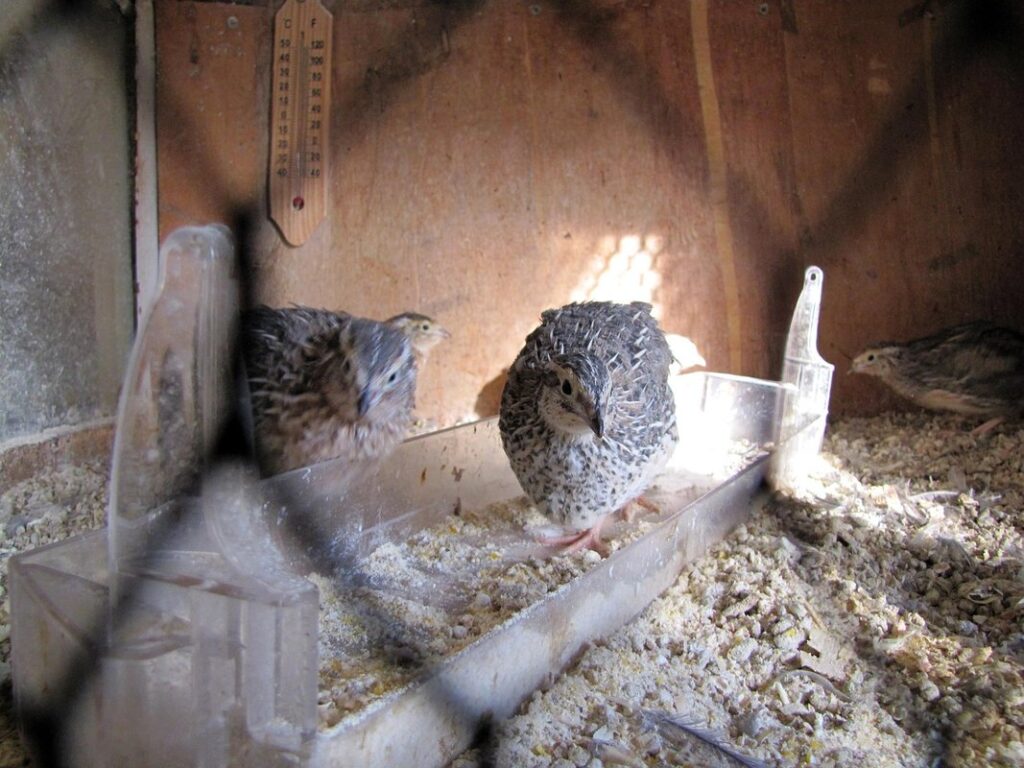
Choosing the Right Location for Your Quail Cage
When it comes to setting up a quail cage, finding the perfect location is crucial to ensure your birds stay healthy and happy. Consider factors like sunlight, ventilation, and proximity to food and water sources.
Considerations for Sunlight and Shade
When it comes to setting up a quail cage in your backyard, choosing the right location is crucial for their health and happiness. Adequate sunlight and shade are essential considerations that will impact your quails’ well-being. Quails need direct sunlight to produce vitamin D3, which is vital for calcium absorption and strong bone growth.
However, excessive heat can be detrimental, causing stress and dehydration in your birds. A suitable location would provide at least 4-6 hours of direct sunlight per day, but also offer shade during the hottest part of the day (usually between 11 am and 3 pm). You can achieve this by placing the cage near a north-facing wall or under a tree with dense foliage.
To create an optimal environment, consider installing a canopy or awning above the cage to filter direct sunlight. This will help maintain a comfortable temperature range for your quails (around 60°F to 80°F) while still allowing them to benefit from natural light. Regularly monitoring the temperature and providing plenty of fresh water will also ensure your quails stay healthy and thrive in their new backyard home.
Distance from Neighbors and Noise Levels
When setting up your quail cage, it’s crucial to consider not only the physical space and environment but also its proximity to neighbors and potential noise levels. You see, quails can be quite vocal, especially during breeding season or when they sense danger. If you live in a densely populated area, this could become an issue.
Before bringing your feathered friends home, research local zoning regulations regarding backyard animals. Some areas have strict rules about keeping certain types of birds on residential properties. You don’t want to be caught off guard and potentially face fines or even forced relocation of your quail cage.
To minimize disruptions and potential conflicts with neighbors, consider the distance between your quail cage and neighboring houses. A general rule of thumb is to place the cage at least 10-15 feet away from property lines. This will help reduce noise levels and prevent any unwanted interactions between your birds and those in nearby homes.
Selecting the Perfect Quail Cage for Your Backyard
When it comes to setting up a quail cage, choosing the right one can be overwhelming. Let’s break down the essential factors to consider when selecting the perfect quail cage for your backyard setup.
Materials and Durability
When it comes to selecting a quail cage for your backyard, the materials used are just as important as the design and size. You want a cage that is not only durable but also easy to maintain to ensure the health and well-being of your feathered friends.
Metal cages are a popular choice due to their durability and ability to withstand harsh weather conditions. However, they can be prone to rust if not properly coated or maintained. On the other hand, plastic cages are lightweight, easy to clean, and resistant to rust, but may not provide adequate ventilation for your quails.
If you’re looking for a more sustainable option, consider using wooden cages made from natural materials like bamboo or cedar. These not only blend seamlessly into your backyard landscape but also provide excellent insulation against extreme temperatures. Just be sure to seal the wood with a non-toxic coating to prevent rot and insect infestation.
Ultimately, the key is to choose a cage that balances durability and maintenance requirements with your budget and personal preferences.
Size and Space Requirements
When choosing a quail cage for your backyard, it’s essential to consider the size and space requirements to ensure you’re providing your feathered friends with ample room to thrive. The ideal cage size will depend on the number of quails you plan to keep and their growth rate.
For small-scale quail keeping (1-5 birds), a cage with dimensions of 2×3 feet or larger is recommended, allowing for easy movement and stretching. However, if you’re planning to raise a larger flock (6-10 birds or more), consider investing in a much larger enclosure – at least 4×4 feet or bigger.
Remember that quails can grow rapidly, reaching up to 5 inches in length within the first few months. To accommodate their growing needs, ensure the cage has enough vertical space for perching and roosting bars. A general rule of thumb is to allocate about 1-2 square feet per bird for adequate movement and exercise.
It’s also crucial to consider the overall layout and design of your backyard when selecting a quail cage. Ensure there’s sufficient space around the enclosure for cleaning, maintenance, and easy access for feeding and monitoring your birds’ health.
Setting Up the Quail Cage Environment
When it comes to setting up a happy and healthy home for your feathered friends, creating an ideal cage environment is crucial. This section walks you through preparing the perfect space for your quails.
Bedding and Litter Options
When it comes to creating a comfortable and safe environment for your quails, choosing the right bedding and litter is crucial. You’ll want to opt for materials that are easy to clean, absorbent, and resistant to mold and mildew.
Some popular options for quail bedding include wood shavings, pine shavings, and recycled paper products. Wood shavings are a great choice as they’re inexpensive and widely available. However, they can be messy and may cause respiratory problems if inhaled by the quails. On the other hand, pine shavings have natural oils that repel insects and can help keep your cage clean.
Recycled paper products, such as Carefresh or Flock, are another option to consider. These materials are highly absorbent and resistant to mold and mildew. They’re also non-toxic and safe for your quails to walk on. However, they may be more expensive than wood shavings and can be prone to moisture buildup.
Ultimately, the best bedding material will depend on your personal preferences and needs. Consider factors like cost, availability, and ease of cleaning when making your decision.
Temperature Control and Ventilation
Quails are sensitive to temperature fluctuations and require adequate ventilation to thrive. When setting up their cage in your backyard, it’s essential to ensure that the environment is comfortable for them. A ideal temperature range for quails is between 65°F (18°C) and 75°F (24°C), with a maximum of 85°F (29°C) during peak summer months.
To regulate temperature, consider placing the cage in a shaded area or using a UV-filtering mesh to block direct sunlight. Avoid positioning the cage near heating vents or radiators, as this can cause overheating. During winter months, provide extra insulation around the cage to maintain warmth.
Adequate ventilation is equally crucial for quail health. Ensure that the cage has at least 2-3 square feet of space per bird, with adequate airflow through windows or vents. You can also add a misting system or a fogger to humidify the air and keep your quails hydrated.
Regularly check the temperature and humidity levels in the cage to ensure they remain within the optimal range. This will help prevent heat stress, respiratory issues, and other health problems associated with poor ventilation and temperature control.
Providing the Best Diet and Nutrition for Your Quails
When it comes to keeping your quails healthy, a well-planned diet is crucial. Let’s dive into some essential tips on providing the best nutrition for these beautiful birds.
Understanding Quail Dietary Needs
Quails are omnivores and require a balanced diet rich in protein, calcium, and vitamins. A good quality commercial quail feed should be the main staple of their diet, providing around 70-80% of their nutritional needs. However, it’s essential to supplement with fresh fruits and vegetables to ensure they get enough variety.
When it comes to protein sources, quails need a mix of animal-based proteins like mealworms, crickets, and suet. You can also offer cooked eggs, eggshells, or crushed oyster shells as calcium-rich supplements. Fresh greens like kale, spinach, and collard greens are great for vitamin A, while fruits like berries, melons, and citrus fruits provide essential vitamins.
Aim to provide 10-15% of their diet with fresh foods, mixing it up regularly to prevent boredom and ensure they get a wide range of nutrients. For example, you can offer mealworms on Monday, crickets on Wednesday, and cooked eggs on Friday.
Tips for Maintaining a Balanced Quail Diet
Maintaining a balanced diet for your quails is crucial to their overall health and well-being. A good starting point is to provide commercial feed as the main staple of their diet. Look for high-quality feed that is specifically formulated for quails, containing the right balance of protein, calcium, and other essential nutrients.
In addition to commercial feed, you can supplement your quail’s diet with a variety of treats. Fresh fruits like berries, grapes, and apples are great options, as well as leafy greens like kale and spinach. However, be sure to introduce new foods gradually to prevent digestive issues. Offer treats in moderation, about 10-15% of their total daily intake.
It’s also essential to provide a source of calcium for your quails, such as crushed eggshells or cuttlebone. This will help maintain strong bones and prevent conditions like softening of the beak. A general rule of thumb is to offer a small amount of treats after each meal, about 1-2 tablespoons per bird. With patience and observation, you can create a balanced diet that keeps your quails happy and healthy.
Health Considerations and Biosecurity Measures
When setting up a quail cage, it’s essential to consider health considerations and biosecurity measures to ensure your birds stay healthy and happy. This includes protecting against diseases and pests.
Common Health Issues in Quails
When it comes to raising quails in your backyard, their health and well-being should be top priority. Unfortunately, these birds are prone to certain health issues that can affect their overall quality of life and even their lifespan.
One common problem is respiratory issues, which can be caused by dust, poor ventilation, or even bacterial infections. Quails are sensitive to dust, so it’s essential to keep their cage area clean and free from debris. You can also provide a humidifier to maintain a healthy moisture level in the air. Regular cleaning of the quail’s environment is crucial to prevent respiratory problems.
Another issue that quails may face is vitamin deficiencies, particularly calcium deficiency, which can lead to softening of eggshells or even paralysis. Make sure your quails have access to a balanced diet and provide them with grit and oyster shells as supplements to ensure they’re getting all the necessary nutrients.
Some signs of health issues in quails include labored breathing, lethargy, or changes in droppings or egg production. If you notice any of these symptoms, it’s essential to consult a veterinarian experienced in caring for backyard quail owners.
By being aware of these common health issues and taking preventive measures, you can help keep your quails healthy and happy in their backyard home. Regular monitoring and attention to detail will go a long way in ensuring the well-being of your feathered friends.
Implementing Biosecurity Protocols
Maintaining a clean environment and implementing biosecurity protocols are crucial aspects of quail cage setup. A dirty environment can lead to disease outbreaks, which can decimate your quail population. To prevent this, make sure to keep the quail cage clean by removing soiled bedding material and replacing it with fresh, dry bedding at least once a week.
Implementing biosecurity protocols also helps to prevent disease transmission. This includes washing your hands thoroughly before handling the quails or their equipment, disinfecting any tools or surfaces that come into contact with the quails, and quarantining new birds for at least 30 days to monitor for signs of illness.
Additionally, ensure good ventilation in the cage by providing adequate airflow through windows, vents, or fans. This will help to prevent the buildup of ammonia from the quail’s droppings, which can also contribute to disease. Regularly inspect your quails’ overall health and take prompt action if you notice any signs of illness.
Tips for Caring for Your Quail Flock
Now that your quail flock is settled, let’s dive into the essential tips and tricks to keep them happy and healthy in their new backyard home. With regular care and attention, your quails will thrive.
Socialization and Enrichment Activities
When setting up a quail cage in your backyard, it’s essential to consider socialization and enrichment activities for your flock. Quails are social birds that thrive in the company of their own kind, so providing opportunities for interaction is crucial to their mental and emotional well-being.
In a group of quails, you’ll often observe a natural hierarchy emerge, with dominant birds leading subordinate ones. To promote positive group dynamics, it’s best to introduce new birds gradually, allowing them to become familiar with each other at their own pace. Start by placing new additions in the same enclosure as existing quails for short periods, increasing the time they spend together over time.
Enrichment activities can include providing a variety of toys and perches, rotating them regularly to prevent boredom. You can also create foraging opportunities by scattering treats or mealworms around the enclosure. This will keep your quails engaged and stimulated, reducing stress and promoting healthy behavior.
Monitoring Health and Behavior
As you care for your quail flock, it’s essential to monitor their health and behavior regularly. Quails can be prone to certain illnesses and stressors, so being aware of the signs will help you take prompt action if necessary.
Look out for changes in droppings, such as a decrease or increase in quantity, or a change in color from dark brown to pale yellow or white. Abnormal droppings can indicate digestive issues, which are common in quails. Be on the lookout for any unusual behaviors like feather pecking, excessive dust-bathing, or sudden lethargy.
Regularly observe your quails’ behavior to ensure they’re acting normally. If you notice any deviations from their usual patterns, adjust their care accordingly. For example, if you’ve introduced new food or toys and notice a decrease in appetite, it may be a sign that the quails are stressed by the changes.
By staying vigilant and making adjustments as needed, you’ll create a healthy environment for your quail flock to thrive.
Frequently Asked Questions
How can I ensure my quail cage provides adequate ventilation for hot climates?
When choosing a location for your quail cage, consider the temperature fluctuations in your area. In hot climates, it’s essential to provide proper ventilation to prevent heat stress and related health issues. Ensure that your cage is well-ventilated with mesh or netting on three sides to allow air circulation. You can also add shade cloth or a sunshade to reduce direct sunlight during peak hours.
What type of bedding material is best for my quail cage, and how often should I clean it?
When choosing bedding for your quail cage, prioritize materials that are easy to clean and maintain. Wood shavings or straw are excellent options as they absorb waste and keep the area dry. Clean the bedding at least once a week by removing soiled material and replacing it with fresh bedding. Regular cleaning will help prevent ammonia buildup and keep your quails healthy.
Can I mix different breeds of quails in the same cage, and what are some potential risks to consider?
Mixing different breeds can lead to interesting social dynamics, but it also comes with challenges. Breeds have varying temperaments, growth rates, and dietary needs. Introducing multiple breeds may cause stress, fights, or even disease transmission if not managed properly. If you still want to mix breeds, ensure the cage is large enough for all birds to move freely, provide separate areas for feeding and nesting, and monitor their behavior closely.
How can I maintain a balanced quail diet when introducing new foods?
When introducing new foods to your quails’ diet, do it gradually to avoid digestive upset. Start by offering small amounts of the new food alongside their regular diet and observe their reaction. Ensure that all food sources provide a balanced mix of protein, calcium, and other essential nutrients. You can supplement their commercial feed with fruits, vegetables, and grains, but avoid giving too much as this may lead to nutritional imbalances.
What are some common signs of quail health issues I should look out for in my flock?
Regular monitoring is crucial to maintaining a healthy flock. Look out for changes in behavior such as lethargy, loss of appetite, or abnormal droppings. Monitor their plumage for excessive molting, lice infestations, or feather pecking. Additionally, check their beak condition and ensure they have access to clean water at all times. Early detection of health issues will enable you to take prompt action and prevent the spread of diseases within your flock.