
Are you considering adding some charm to your backyard with Silkie chickens? These fluffy friends are not only a delight to look at, but they’re also known for their exceptional temperament. Friendly and docile, Silkies make great additions to small farms or even urban backyards. However, as with any chicken breed, proper care is crucial to ensure they thrive.
In this article, we’ll delve into the world of Silkie chickens, exploring what makes them so unique in terms of temperament. We’ll also provide expert tips on how to create a happy and healthy environment for your flock. From nutrition and housing to socialization and health checks, we’ve got you covered. Whether you’re a seasoned chicken keeper or just starting out, this guide will help you unlock the secrets to raising Silkie chickens that bring joy and companionship to your life.
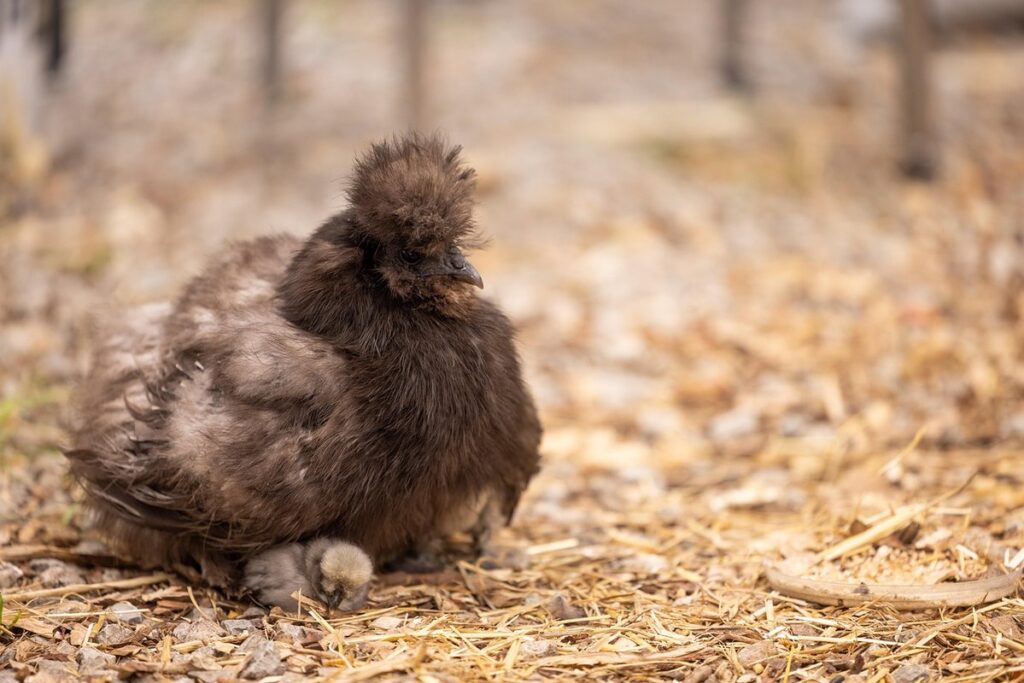
Introduction to Silkie Chickens
Silkie chickens are a beloved breed known for their unique appearance and charming personalities, making them a great addition to any backyard flock. In this next part of our guide, we’ll introduce you to these amazing birds.
Brief History of Silkies
Silkies have a rich history that dates back to ancient Asia. Their origins can be traced back to China and Japan, where they were bred as ornamental birds for their unique appearance. The name “Silkie” is believed to come from the Malay word “silsil,” which means “sheep-like.” This refers to their fluffy plumage, which resembles wool.
In the early 20th century, Silkies were introduced to Western countries by British breeders who were impressed by their unusual appearance. They quickly gained popularity among backyard chicken keepers and fanciers due to their friendly and docile nature. However, it wasn’t until the 1950s that Silkies were officially recognized as a distinct breed in the United States.
Today, Silkies are prized not only for their beautiful plumage but also for their gentle temperament and affectionate personalities. They make excellent pets for families with children or for those who want a low-maintenance backyard chicken flock. If you’re considering adding Silkies to your flock, be prepared for a lifetime of companionship and entertainment from these charming birds.
Unique Characteristics of Silkies
Silkies are one of the most recognizable breeds of chickens due to their unique physical characteristics. Their fluffy feathers set them apart from other breeds and make them a favorite among backyard chicken enthusiasts. Silkies have a genetic mutation that causes their feathers to grow outwards, giving them a puffy appearance. This can make it seem like they’re wearing a perpetual bathrobe, but don’t let their looks fool you – these birds are still capable of producing eggs.
In addition to their feathered coats, Silkies are also known for their gentle nature. They are often described as affectionate and docile, making them an excellent choice for families with children or for those who want a low-stress chicken-keeping experience. Because of their calm temperament, Silkies can be quite social and will happily follow you around the yard.
If you’re considering bringing Silkies into your flock, it’s essential to keep in mind that they require regular grooming to prevent matting and tangling of their feathers. This can be a fun bonding experience for you and your birds, but it does require some effort. Overall, Silkies are a wonderful addition to any backyard flock, offering both unique charm and pleasant personality.
Temperament and Personality Traits
When it comes to silkie chickens, understanding their temperament and personality traits is crucial for creating a harmonious flock. In this next part, we’ll delve into what makes silkies tick and how they interact with humans and other animals.
Friendly and Affectionate Nature
One of the most endearing characteristics of silkie chickens is their friendly and affectionate nature. These gentle birds have captured the hearts of many backyard chicken keepers with their playful personalities and loving demeanor. Silkies are known to thrive on attention and interaction, making them an excellent choice for families or individuals who want a loyal companion.
In fact, silkies are often described as “lap chickens” due to their fondness for snuggling and cuddling. They’ll follow you around the yard, eager to join in on any activity, from gardening to picnics. With regular socialization and handling, silkies can become extremely tame, even tolerating being picked up and held.
If you’re looking to bring a silkie into your flock, be prepared for endless affection and entertainment. Just remember to spend quality time with them daily, engaging in activities that stimulate their minds and bodies. This will help strengthen the bond between you and your feathered friend, ensuring a lifelong companionship filled with joy and laughter.
Curiosity and Intelligence
Silkies are renowned for their enchanting appearance, but what makes them truly special is their captivating nature. These birds are highly curious and intelligent, which can be both a blessing and a challenge for their owners. On one hand, it’s delightful to watch them explore their surroundings with curiosity-driven zeal; on the other hand, silkies require stimulation and interaction to prevent boredom from setting in.
To keep your silkie engaged, try introducing puzzle toys filled with treats or hiding food around the coop to encourage problem-solving. Rotate these toys regularly to maintain novelty and interest. You can also engage them through activities like agility training or simply spending quality time with them. A bored silkie is likely to resort to destructive behaviors, such as feather pecking or egg eating, so it’s essential to provide adequate mental stimulation.
By recognizing your silkie’s intelligence and curiosity, you’ll create a happy and healthy environment that caters to their unique needs, ensuring they thrive under your care.
Health Considerations for Silkies
When it comes to caring for your Silkie flock, health considerations are a top priority – here we’ll discuss the common issues that can affect these adorable birds.
Common Health Issues in Silkies
As you care for your Silkie chickens, it’s essential to be aware of some common health issues that can affect this breed. Respiratory problems are a significant concern for Silkies, as their flat face and short beak can make breathing more difficult, especially during hot or humid weather. This can lead to conditions like sinusitis, bronchitis, and even pneumonia.
Feather pecking is another issue you might encounter with Silkies. Due to their gentle nature, they often engage in feather-pecking behavior, which can result in feather loss, stress, and potentially life-threatening injuries. To mitigate this, provide a balanced diet rich in calcium and protein, and ensure your Silkies have ample space to forage and engage in natural behaviors.
To identify potential health issues early on, regularly inspect your Silkies’ eyes, ears, beak, and feathers. Keep an eye out for changes in appetite, drooping wings or tail, or labored breathing. By being proactive about their health and providing a nurturing environment, you can help prevent these common problems and ensure the well-being of your Silkie flock.
Grooming Needs and Tips
Silkies are known for their beautiful, fluffy feathers, but they do require regular grooming to prevent matting and tangling. Daily care is essential to keep their plumage clean and healthy. Start by gently brushing your Silkie’s feathers with a soft-bristle brush or a slicker brush specifically designed for chickens.
To keep their feathers clean, make sure to regularly check for any debris, dirt, or moisture that can cause matting. Use a damp cloth to gently wipe down the bird’s face and neck area, taking care not to get water in the eyes or nostrils. You can also use a soft-bristle brush to remove loose feathers around the vent area.
In addition to daily brushing, it’s essential to schedule regular baths for your Silkie. These gentle birds can be prone to oiliness, so using a mild shampoo specifically designed for chickens is crucial. Be sure to dry them thoroughly after bathing to prevent chilling and skin irritation.
By following these simple grooming tips, you’ll be able to keep your Silkie’s feathers in top condition, promoting overall health and happiness.
Housing and Living Conditions for Silkies
When it comes to housing your Silkie, you’ll want to provide a safe, comfortable, and spacious area for them to live and thrive. This includes their coop, run, and any additional amenities they may enjoy.
Coop Requirements and Design
When it comes to housing our beloved Silkies, we want to create an environment that not only keeps them safe but also happy and healthy. A well-designed coop is essential for these gentle birds, and the good news is that you can build or purchase one with ease.
A minimum of 2-3 square feet per bird is recommended, but considering Silkies are smaller in size, a coop with about 4-5 square feet per bird would be ideal. This will give them enough space to move around comfortably without feeling cramped. It’s also crucial to ensure proper ventilation to keep your flock cool and dry.
Predator protection is another key aspect of designing the perfect coop for Silkies. Raccoons, foxes, and hawks are common predators that can easily target these birds if they sense weakness or vulnerability. Therefore, it’s essential to include features such as sturdy fencing, secure latches, and a roof with overhangs to shield your flock from potential threats.
When building or purchasing a coop, remember to consider factors like ease of cleaning, accessibility for you, and the overall aesthetic appeal. A well-planned coop will not only provide a safe haven for your Silkies but also become a delight to maintain and enjoy.
Outdoor Enclosures and Runs
When it comes to providing an ideal living environment for Silkie chickens, offering a safe outdoor enclosure or run is crucial. Silkies are known to be friendly and social birds that require regular exercise to maintain their physical and mental health.
A well-designed outdoor space should provide ample room for your Silkie flock to roam freely and engage in natural behaviors like scratching, pecking, and flying. A minimum of 2×4 feet per bird is recommended, but more space is always better. Consider building a coop with a fenced run that allows for easy access to the outdoors while keeping predators out.
Some key features to include in your outdoor enclosure are:
* Fencing at least 3 feet high to prevent escape and predator entry
* Shade structures or trees to provide protection from the sun
* A water source, such as a birdbath or shallow dish
* A feeding area with easy access to food and treats
By providing a safe and stimulating outdoor space, you’ll be doing your Silkie flock a great service. With proper planning and design, an outdoor enclosure or run can become a happy haven for your feathered friends.
Nutrition and Diet for Silkies
When it comes to keeping Silkie chickens happy and healthy, their diet is crucial. Here’s what you need to know about feeding your feathered friends a balanced and nutritious meal.
Balanced Diet for Silkies
When it comes to feeding your Silkie chickens, providing a balanced diet is crucial for their overall health and well-being. Silkies require a high-quality layer feed that contains the right balance of protein, calcium, and vitamins.
Protein is essential for Silkies, as they need it to build and repair muscles, especially since they are prone to obesity if overfed. A good rule of thumb is to provide 16-18% protein in their diet. You can also supplement with treats like mealworms, sunflower seeds, or chopped hard-boiled eggs.
Calcium is also vital for Silkies, as it helps strengthen their bones and beak. Dark leafy greens like kale and spinach are rich in calcium and make a great addition to their diet. Additionally, oyster shells can be provided as a source of calcium.
Vitamins are equally important, with A and E being particularly beneficial for Silkies. Foods rich in vitamins include sweet potatoes, carrots, and apples. Aim to provide a variety of foods to ensure they get all the necessary nutrients.
It’s also essential to provide fresh water at all times and avoid overfeeding, as this can lead to health problems.
Treats and Supplements
When it comes to rewarding your Silkie chickens for good behavior or adding variety to their diet, there are many nutritious treats and supplements you can give them. As with all chickens, it’s essential to introduce new foods gradually to prevent digestive upset.
Some safe and healthy treat options for Silkies include leafy greens like kale, spinach, and collard greens, which provide essential vitamins and minerals. Fresh fruits such as berries, apples, and oranges are also great alternatives to traditional treats like oats or corn. You can even try giving them homemade treats made from healthy ingredients like oat flour, eggs, and coconut oil.
In addition to treats, consider adding supplements specifically formulated for chickens, such as probiotics, omega-3 fatty acids, or calcium powder, to enhance their overall health and well-being. For example, crushed eggshells can be added to their feed to provide an extra boost of calcium, supporting strong bones and eggshell development.
When giving treats and supplements, remember to follow the guidelines mentioned above and introduce new foods gradually to prevent digestive issues.
Breeding and Raising Silkie Chicks
When it comes to raising adorable Silkies, knowing how to breed and raise their chicks is crucial for a successful flock. Let’s dive into the specifics of breeding and raising these gentle birds.
Selecting Healthy Parents
When it comes to breeding Silkies, selecting healthy parents is crucial for producing chicks with desirable traits. This involves more than just choosing birds that look good; you need to consider their genetic diversity and temperament.
Genetic diversity is key to a strong and healthy flock. When breeding Silkies, look for parents with diverse bloodlines to ensure that the offspring will be robust and less susceptible to diseases. You can do this by researching the pedigree of your potential breeders or seeking out birds from reputable breeders who have prioritized genetic diversity.
Temperament is also essential in Silkies. They are known for their gentle nature, but some individuals may be more docile than others. When selecting parents, look for birds that are calm and friendly around people and other animals. A good way to assess temperament is by observing how they interact with each other and their environment. Avoid birds that are aggressive or fearful, as these traits can be passed on to their offspring.
Ultimately, the goal of breeding Silkies is to produce healthy, well-adjusted chicks that make great pets. By selecting parents with genetic diversity and a good temperament, you’ll be taking a crucial step in achieving this goal.
Caring for Silkie Chicks
Caring for Silkie Chicks requires special attention to their unique needs. When it comes to brooding, silkies are sensitive to cold temperatures and need a warm environment to thrive. You can use a heat lamp or a heat mat specifically designed for poultry, maintaining a temperature of around 90-100°F (32-38°C) for the first week. After that, you can gradually decrease the temperature by 5°F (3°C) every few days.
When it comes to feeding, silkies are notorious for being picky eaters and require high-quality starter feed specifically formulated for young chicks. Provide a shallow dish of water and make sure it’s easily accessible to prevent contamination. It’s essential to offer a diverse diet, including calcium supplements to support strong bone growth. Feed your silkie chicks 3-4 times a day, as they have high metabolisms.
Additionally, consult with a veterinarian about vaccination schedules tailored to your region’s health risks. This will help protect your silkies from common diseases and ensure they develop strong immune systems. Regular monitoring of their weight, appetite, and overall behavior is crucial in identifying any potential health issues early on.
Conclusion and Final Tips
Now that you’ve learned more about Silkie chickens’ temperament and care, let’s recap the key takeaways and provide some final tips to ensure your flock thrives.
Recap of Key Points
When it comes to silkie chicken temperament and care, there are several key takeaways that we’ve discussed throughout this article. To recap, these gentle birds require a calm and patient approach, making them an excellent choice for families with children or experienced backyard farmers.
Some of the most important considerations for silkie chicken keepers include their high social needs, requiring a flock of at least three to prevent boredom and stress. They also need regular grooming to prevent matting and tangling of their fluffy feathers. Additionally, silkies are prone to health issues such as obesity and respiratory problems, so it’s essential to provide them with a balanced diet and plenty of exercise.
To ensure the well-being of your silkie flock, make sure to prioritize their mental stimulation through foraging activities and provide regular opportunities for socialization. By following these simple tips and considerations, you can create a happy and healthy environment for your silkie chickens to thrive in.
Final Advice for Beginners
If you’re new to keeping chickens, it’s essential to be aware that Silkies can be more challenging to care for than other breeds due to their unique characteristics. They are social birds and need plenty of attention and interaction from their owners. Start by establishing a daily routine that includes regular feeding times, cleaning the coop, and spending quality time with your Silkie.
When it comes to handling Silkies, be gentle and patient, as they can become easily stressed if handled roughly. It’s also crucial to note that Silkies are prone to health issues like respiratory problems and feather plucking due to their fluffy coat. Regular health checks and a balanced diet can help prevent these issues.
If you’re considering keeping Silkies as pets or backyard chickens, remember that they require a lot of love, care, and attention. With the right care and attention, your Silkie can thrive and become a beloved member of your family. Always prioritize their needs and well-being, and be prepared to make adjustments to ensure they receive the best possible care.
Frequently Asked Questions
What’s the ideal age for introducing Silkies to my existing flock?
Introducing Silkies to an established flock can be done as early as 2-3 weeks old, but it’s essential to ensure they’re well-socialized and healthy. Start by keeping them in a separate enclosure or run until they reach 4-5 weeks, then gradually introduce them to the main flock under close supervision.
How often should I clean my Silkie coop?
Regular cleaning is crucial for maintaining your Silkies’ health and preventing disease. Aim to clean their coop at least once every 2-3 months, removing soiled bedding and replacing it with fresh material. Additionally, spot-clean droppings and debris daily to keep the environment hygienic.
Can I keep Silkies in a small backyard if I have limited space?
Yes, Silkies can thrive in smaller backyards as long as you provide adequate housing and living conditions. Ensure their coop is at least 2-3 square feet per bird, with ample ventilation and protection from predators. You’ll also need to create a safe outdoor enclosure or run for exercise and foraging.
How do I know if my Silkie is suffering from heat stress?
Silkies are prone to heat stress due to their fluffy coats. Watch for signs like panting, lethargy, and excessive drooling. If you notice any of these symptoms, provide shade, increase ventilation in the coop, and offer cool water or electrolyte-rich drinks. Consult a veterinarian if symptoms persist.
Can I breed Silkies from my existing flock without expert knowledge?
Breeding Silkies requires careful planning, experience, and attention to detail. To ensure healthy offspring, it’s highly recommended to seek guidance from experienced breeders or poultry experts who can help you select suitable parents, manage breeding pairs, and identify potential issues.