
White Leghorns are one of the most popular chicken breeds worldwide, known for their high egg-laying capabilities. If you’re raising these birds on your farm or in your backyard, you’re likely eager to maximize their egg production potential. But did you know that their origins and specific characteristics play a significant role in determining their performance? In this article, we’ll explore the intricacies of White Leghorn chicken egg production, including their nutritional needs, health considerations, breeding habits, and environmental requirements. By understanding these factors, you can unlock your flock’s full potential and enjoy a steady supply of fresh eggs from your happy and healthy hens. Whether you’re a seasoned farmer or a beginner, this expert guide will equip you with the knowledge to boost your White Leghorns’ egg-laying performance.
Understanding White Leghorns
To truly maximize the potential of your flock, it’s essential to understand the ins and outs of white leghorn chickens, their temperament, and unique characteristics. This section will break down what you need to know about these prolific layers.
Origins and History of the Breed
The White Leghorn breed has its roots in Italy, where it was first developed in the late 19th century. The initial goal of breeding these chickens was to create a bird that excelled at egg production, with high yields and good feed efficiency. By cross-breeding native Italian breeds with European Leghorns, farmers were able to create a hardy, prolific layer that could thrive in a variety of environments.
The White Leghorn’s popularity quickly spread throughout Europe and beyond, becoming one of the most sought-after breeds for egg production worldwide. Its remarkable ability to lay up to 300 large brown eggs per year made it an attractive choice for commercial farmers and backyard enthusiasts alike. Today, the White Leghorn remains a staple in many poultry farms due to its exceptional productivity, adaptability, and disease resistance.
Interestingly, the original Italian breeders also aimed to create a bird that was easy to manage, making them well-suited for smaller-scale farming operations. This emphasis on practicality has contributed to the breed’s enduring success, as it continues to be a favorite among chicken keepers of all levels of experience.
Characteristics of White Leghorns
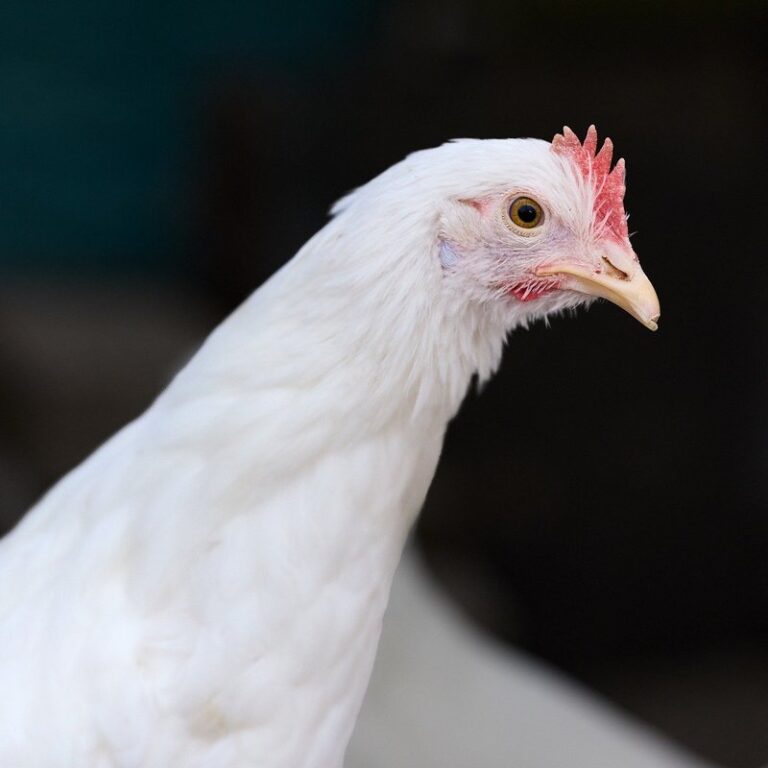
White Leghorns are renowned for their striking appearance and impressive egg-laying abilities. One of the most recognizable features of this breed is their bright white plumage, which makes them a favorite among backyard chicken keepers and commercial producers alike. They have a medium build, with hens weighing around 5-6 pounds (2.3-2.7 kg) and roosters tipping the scales at 6-7 pounds (2.7-3.2 kg). Their compact size makes them ideal for small-scale farming operations or backyard coops.
Their temperament is also a major selling point, as White Leghorns are known to be friendly, docile, and relatively low-maintenance. They’re not prone to aggression and are often described as ‘chickens that you can easily pick up’. This makes them an excellent choice for families with children or beginners looking to start their first flock.
White Leghorns are prolific egg layers, producing around 280-300 eggs per year. Their eggs are white in color and have a medium-sized oval shape. They’re also relatively quiet birds, making them suitable for urban areas where noise levels need to be kept down. With proper care and nutrition, White Leghorns can live up to 5-7 years, providing you with a reliable and consistent egg supply for an extended period.
Factors Affecting Egg Production
When it comes to maximizing egg production, several factors come into play. Let’s examine how variables like nutrition, climate, and breed selection impact your White Leghorn flock.
Nutrition and Diet
A well-nourished flock is essential for maintaining optimal egg production. White Leghorns require a balanced diet that includes all necessary nutrients to support healthy growth and development. The quality of feed plays a significant role in determining the overall health and productivity of your flock.
Feed should be high-quality, nutrient-rich, and specifically formulated for laying hens like white leghorns. Look for feeds that contain essential vitamins and minerals such as calcium, phosphorus, and vitamin D3. These nutrients support strong eggshell production, maintain bone density, and promote overall health.
It’s also crucial to establish a consistent feeding schedule. Feed your flock at the same time each day, providing them with enough food to sustain their energy needs throughout the day. A good rule of thumb is to provide 1-2% of the bird’s body weight in feed daily.
Supplementation can also support healthy egg laying. Provide fresh fruits and vegetables as treats or add them to their feed to boost nutrient intake. Ensure that all supplements are safe for consumption by your flock and follow recommended dosages.
Proper nutrition is key to maintaining a high-producing flock. By providing high-quality feed, establishing a consistent feeding schedule, and supplementing with essential nutrients, you’ll be well on your way to optimizing egg production in your white leghorns.
Health Considerations
As you work with White Leghorns for egg production, it’s essential to be aware of potential health issues that can impact their productivity. Diseases such as avian influenza, Newcastle disease, and Marek’s disease are significant threats to the flock’s overall health.
Internal parasites like coccidiosis and histomoniasis can also cause problems if left unchecked. External parasites like mites, lice, and ticks can further compromise the birds’ well-being. Poor ventilation, unsanitary living conditions, and inadequate nutrition can all contribute to a weakened immune system in White Leghorns.
To mitigate these risks, maintain a clean and dry coop, provide adequate ventilation, and implement regular health checks on your flock. Vaccinations and treatments should be done under the guidance of a veterinarian. It’s also crucial to maintain records of vaccinations, treatments, and any changes in egg production or bird behavior.
By staying vigilant and taking proactive steps to prevent health problems, you can reduce the likelihood of disease outbreaks and ensure your White Leghorns continue to thrive.
Managing a Laying Flock
Now that you have a thriving flock of White Leghorns, let’s dive into the nitty-gritty of managing their egg production to ensure they’re laying at optimal levels. This section covers essential tips for achieving peak productivity in your flock.
Brooding and Replacing Birds
As your White Leghorns continue to produce eggs at an impressive rate, it’s essential to plan for their long-term sustainability. This involves caring for newly hatched chicks and integrating them into the flock, as well as managing replacement birds as they age out of production.
When it comes to brooding new chicks, proper care is crucial during this critical period. Ensure a safe and warm environment by providing a dedicated brooder with adequate ventilation. Maintain a consistent temperature between 90-100°F (32-38°C) for the first week, gradually reducing it by 5°F (3°C) each subsequent week. Provide high-quality starter feed and fresh water at all times.
Once your chicks reach around 12 weeks of age, they can begin to integrate into the main flock. Start by introducing them slowly under close supervision, allowing both groups to become accustomed to each other’s presence. Monitor their behavior closely, separating any aggressive birds or ensuring a smooth transition. Remember that every bird has its unique personality, so be patient and adapt your approach as needed.
As your hens age out of production, typically between 2-3 years, it’s essential to identify replacements to maintain egg production levels. Consider adding new chicks from reputable breeders to ensure consistent quality and performance. Alternatively, you can integrate younger birds into the existing flock or adopt a rotational breeding program to avoid over-reliance on individual breeds.
Egg-Laying Performance
Egg-laying performance is one of the most crucial aspects of managing a White Leghorn flock. Several factors can influence their egg production, and understanding these variables will enable you to optimize your flock’s performance.
One key factor that affects egg laying is nutrition. A diet rich in essential nutrients such as protein, calcium, and phosphorus supports optimal egg production. Ensure that your birds have access to a balanced layer feed that meets their nutritional requirements throughout the year. Monitor their water intake and provide fresh food and clean water at all times.
Breed-specific characteristics can also impact egg laying performance. White Leghorns are bred for their high egg-laying capacity, but they can still benefit from optimal management practices. Regular health checks will help identify any potential issues that could hinder egg production, such as mites, lice, or respiratory problems.
Additionally, management practices play a significant role in maintaining the flock’s overall health and productivity. Provide adequate space for your birds to roam, as overcrowding can lead to stress and decreased egg laying. Ensure proper ventilation, lighting, and temperature control within your coop to create a comfortable environment.
In terms of individual bird performance, factors such as age, weight, and temperament also come into play. Younger birds tend to lay fewer eggs than older ones, but their production increases significantly after around 18-20 weeks. Birds that are too heavy or underweight can experience reduced egg laying, so monitor their weights regularly.
By taking these factors into consideration and implementing best management practices, you can optimize your White Leghorn flock’s egg-laying performance.
Breeding Programs and Genetics
To understand why White Leghorns are so prolific, let’s delve into the breeding programs and genetics that make these birds masters of egg production.
Selective Breeding for Improved Production
Selective breeding is a crucial process that has enabled White Leghorns to become one of the most prolific egg-laying breeds. By carefully selecting individuals with desirable traits, breeders can accelerate genetic improvement and enhance egg production. The fundamental principle behind selective breeding is that genetic variation within a population allows for the selection of offspring with improved characteristics.
Breeders use specific criteria, such as increased egg weight, number of eggs per year, or better fertility rates, to select parents for mating. This targeted approach enables them to concentrate on the traits most beneficial for commercial egg production. For instance, a breeder might choose a hen that lays an average of 300 large brown eggs per year and mate her with a rooster known for his high fertility rate.
By repeatedly selecting offspring with improved characteristics, breeders can accumulate desirable traits over generations, ultimately leading to significant gains in egg production. This process is gradual but yields substantial results when executed correctly.
Linebreeding and Inbreeding
When it comes to maintaining purity of breed lines and promoting specific characteristics, some breeders turn to linebreeding and inbreeding programs. These methods involve mating birds that are closely related to reinforce desirable traits and eliminate unwanted ones.
Linebreeding involves breeding birds that have a common ancestor but are not as closely related as those used in inbreeding. This approach can help preserve the genetic diversity of a breed while still promoting specific characteristics. For example, a breeder might use linebreeding to develop a line of White Leghorns with exceptional egg-laying abilities.
However, both linebreeding and inbreeding carry risks, including reduced fertility and increased susceptibility to disease. Inbreeding can also lead to the loss of genetic diversity, making it more difficult for birds to adapt to changing environments.
To implement an effective linebreeding or inbreeding program, breeders should carefully select birds with desirable traits and monitor their offspring closely. This might involve tracking egg production, fertility rates, and overall health metrics to identify areas where improvement is needed. By doing so, breeders can make informed decisions about which birds to mate and how to optimize their breeding programs for better results.
Environmental Factors
Let’s take a closer look at how environmental factors affect White Leghorn egg production, from temperature and humidity to light exposure and air quality. These elements play a crucial role in your flock’s overall health and productivity.
Climate and Temperature Extremes
Climate and temperature extremes can significantly impact egg production in White Leghorns. Extreme heat, for instance, can lead to a reduction in egg size, yolk quality, and overall fertility. In regions with high temperatures, it’s essential to provide adequate shade, ventilation, and cooling measures to maintain a comfortable environment.
During hot weather, make sure to reduce the flock’s energy expenditure by limiting activity levels, offering plenty of water, and incorporating heat stress-reducing techniques such as wetting the birds or sprinkling water in their coop. On the other hand, cold temperatures can also hinder egg production, so ensure your coop is well-insulated to maintain a stable temperature between 40°F and 80°F (4°C and 27°C).
Additionally, plan for weather-related events like droughts or heavy rainfall by having contingency plans in place, such as backup water supplies or drainage systems. Regular monitoring of your flock’s behavior and adjusting management strategies accordingly will help mitigate the effects of climate extremes on egg production.
Light Exposure and Photoperiodism
Light exposure plays a crucial role in regulating egg-laying behavior in chickens. Photoperiodism, the study of how light affects physiological processes, helps determine the optimal timing for peak egg production. White Leghorns, like other breeds, have an internal clock that responds to light-dark cycles. When day length shortens, it triggers the reproductive cycle, causing hens to lay eggs more frequently.
To optimize production, farmers use artificial lighting to manipulate photoperiodism. Installing supplemental lighting in the hen house can increase egg output by up to 10-15%. For example, if you’re located at a latitude where daylight hours are short during winter months, using LED grow lights with a 14-hour photoperiod can simulate longer days and encourage hens to lay more eggs.
When choosing artificial lighting for your flock, consider the intensity (measured in lumens per square foot) and spectrum. Aim for a balanced light that mimics natural daylight, as this will be more conducive to egg production than harsh, focused lights.
Health and Biosecurity
When it comes to raising healthy White Leghorn chickens, maintaining their well-being is crucial for successful egg production. This section covers essential health considerations and biosecurity measures.
Disease Prevention and Management
As a White Leghorn chicken owner, disease prevention and management are crucial aspects of maintaining a healthy flock. A single disease outbreak can devastate your egg production and lead to significant economic losses. To mitigate this risk, it’s essential to implement robust vaccination protocols.
Vaccination schedules typically begin at 1-2 days old and continue through the first year of life. Consult with a veterinarian to determine the best vaccine schedule for your flock based on local disease prevalence and environmental factors. Additionally, maintain impeccable sanitation and biosecurity measures throughout the farm.
This includes regular cleaning and disinfection of coops, feeders, and waterers, as well as strict controls on visitor access and equipment sharing. Implementing a “clean in-come” policy can help prevent disease introduction by minimizing external influences on your flock’s health.
By combining vaccination protocols with rigorous sanitation and biosecurity practices, you can significantly reduce the risk of disease outbreaks and maintain a healthy, thriving White Leghorn flock that produces eggs efficiently for years to come.
Integrated Pest Management (IPM) Strategies
When it comes to egg production, managing internal and external parasites is crucial for maintaining healthy White Leghorns. Integrated Pest Management (IPM) strategies are essential for controlling these pests without compromising the welfare of the birds or the environment.
Internal parasites such as mites, lice, and fleas can significantly impact egg production by causing stress, anemia, and reduced fertility. External parasites like ticks, flies, and rodents can spread diseases and contaminate feed and water. To manage internal parasites, practice good biosecurity, maintain clean coops, and regularly monitor for signs of infestation.
For external parasites, use targeted treatments such as insect growth regulators, parasite control sprays, or traps. Implementing IPM strategies involves monitoring for pests, using non-chemical methods when possible, and rotating between different treatment options to avoid developing resistance. Regular cleaning and disinfection of the coop, ensuring good ventilation, and maintaining a balanced ecosystem can also help prevent pest infestations.
Some practical tips include regularly checking birds’ droppings, feathers, and beaks for signs of parasites, keeping accurate records of treatments used and their effectiveness, and consulting with veterinarians or poultry specialists to develop an effective IPM plan.
Frequently Asked Questions
What are the optimal living conditions for White Leghorns to maximize their egg production?
To ensure your White Leghorns thrive, provide them with a spacious coop that’s well-ventilated and protected from extreme temperatures. Ensure adequate light exposure (14 hours of daylight) and maintain a comfortable temperature range between 40°F to 80°F (-40°C to 27°C). A dust-free area for nesting and laying is also crucial.
Can I breed White Leghorns to improve their egg-laying performance, or should I opt for commercial feed?
While you can try breeding your own birds using linebreeding or inbreeding techniques, it’s essential to understand the risks involved. Without proper genetic knowledge, you may inadvertently reduce fertility and increase susceptibility to diseases. For most farmers, opting for high-quality commercial feed is a more practical approach.
What are some common health issues I should watch out for in my White Leghorn flock?
As your birds age, keep an eye out for respiratory problems, egg binding, and reproductive disorders. Ensure regular vaccinations, maintain good biosecurity practices, and monitor their living conditions to prevent disease outbreaks.
How can I manage molting season to minimize its impact on my White Leghorns’ egg production?
Molting typically occurs after 18-20 weeks of production. To reduce the duration and severity of this process, provide your birds with a balanced diet rich in calcium, ensure adequate light exposure, and maintain stress-free living conditions.
Can I keep my White Leghorns indoors or do they require outdoor access for optimal egg production?
While it’s possible to raise White Leghorns indoors, providing them with some form of outdoor access (e.g., enclosed runs) can significantly improve their well-being and egg-laying performance. This allows them to engage in natural behaviors like foraging and exercising.