
If you’re looking to add some delicious and nutritious eggs to your family’s diet, you might want to consider getting some Barred Rock chickens. These friendly birds are not only great egg layers but also have a rich history and unique characteristics that make them stand out from other breeds. As it turns out, Barred Rock chickens are known for producing an abundance of large brown eggs, making them a favorite among backyard chicken keepers and farmers alike.
In this article, we’ll delve into the world of Barred Rock chickens as egg layers, exploring their history, characteristics, and benefits. We’ll discuss their impressive egg-laying capacity, the nutritional value of their eggs, and important health considerations to keep in mind when raising these birds. Whether you’re a seasoned chicken keeper or just starting out, this article will give you a comprehensive understanding of what it takes to raise healthy and productive Barred Rock chickens for their eggs.
Introduction to Barred Rock Chickens
Welcome to the world of Barred Rock chickens, where you’ll learn about these gentle giants and their remarkable egg-laying abilities. Let’s start at the beginning by getting to know this wonderful breed.
Brief History and Origins of the Breed
The Barred Rock chicken breed has a rich history that spans over a century. Originating from New York State in the early 1900s, these hardy birds were bred to excel in egg production and withstanding harsh weather conditions. The development of this breed was largely driven by the need for high-quality egg-laying hens.
One of the key factors in their popularity was their adaptability to different climates and farming systems. Barred Rocks are known to thrive in both small backyards and large commercial operations, making them a versatile choice for chicken enthusiasts worldwide. The breed’s ability to lay an impressive 200-220 brown eggs per year also contributed significantly to their appeal.
Interestingly, the original breeding program involved crossing between Plymouth Rock and other local breeds. This mix of genetic diversity resulted in a robust and prolific egg-layer that quickly gained recognition among farmers and backyard growers alike. Today, the Barred Rock remains one of the most popular chicken breeds globally, prized for its unique appearance and exceptional laying abilities.
Key Characteristics and Traits of Barred Rock Chickens
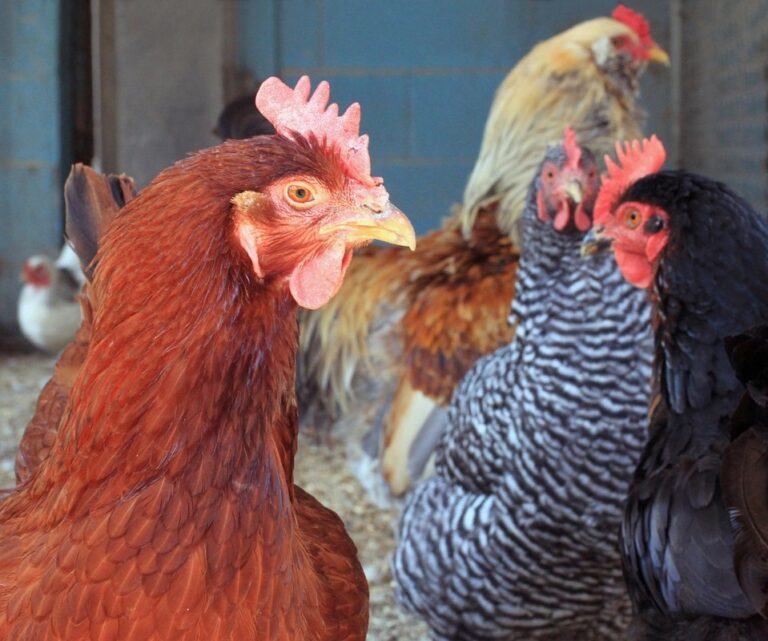
The Barred Rock chicken is an iconic breed known for its distinctive appearance and charming personality. One of the most recognizable features of this breed is their stunning plumage, characterized by a striking black and white barred pattern that covers their entire body. This unique feathering makes them stand out in any backyard flock.
In terms of temperament, Barred Rocks are friendly, docile, and adaptable birds that get along well with people and other chickens. They’re also relatively quiet compared to some other breeds, making them an excellent choice for families or those living in urban areas. Their calm nature also makes them a great fit for beginners who want a low-maintenance chicken experience.
When it comes to egg-laying abilities, Barred Rock hens are prolific layers, producing an average of 200-220 large brown eggs per year. This is due to their excellent health and robust constitution, which enables them to maintain high productivity levels even in harsh weather conditions. With proper care and management, a single Barred Rock hen can provide your family with a steady supply of fresh eggs for months to come.
Understanding Barred Rock Chicken Eggs
Let’s dive into what makes a Barred Rock chicken egg truly special, from its unique characteristics to how it compares to other breeds’ eggs.
Egg-Laying Capacity and Frequency
A Barred Rock hen’s egg-laying capacity is one of its most prized qualities. On average, a healthy Barred Rock lays around 280-300 eggs per year, with some exceptional hens producing up to 320 eggs or more.
When it comes to weekly and monthly production, you can expect an average of around 5-6 eggs per week, which translates to about 20-24 eggs per month. This steady supply of fresh eggs makes Barred Rocks a popular choice for backyard chicken keepers.
Several factors can influence a Barred Rock’s egg-laying capacity, including age, nutrition, and genetics. Younger hens tend to lay fewer eggs than mature ones, while well-nourished birds will often produce more eggs than those on a restricted diet.
To maximize your Barred Rock’s egg production, ensure they have access to a balanced feed, clean water, and adequate space to roam. With proper care and attention, these gentle giants can reward you with a bountiful harvest of fresh eggs for years to come.
Egg Size, Shape, and Color
When it comes to Barred Rock chicken eggs, you can expect to find some delightful characteristics that set them apart from other breeds. On average, a Barred Rock egg is a medium-sized oval, measuring around 1.75-2 inches long and about 1 inch wide.
In terms of shape, Barred Rocks tend to lay more elongated eggs compared to some other breeds, which can be beneficial for certain baking applications where a straighter egg shape is desired. However, it’s essential to note that individual hens may vary in their egg-laying abilities, so the size and shape might not always be consistent.
Color-wise, Barred Rock eggs are typically a creamy white with varying degrees of brown speckling or freckles on the shell. The amount of spotting can range from light flecks to more pronounced marbling, adding a unique touch to each egg. While some hens may lay eggs with lighter or darker markings, this variation is a common aspect of the Barred Rock breed‘s egg-laying characteristics.
When collecting your eggs, keep in mind that a slightly smaller size might indicate an egg from a younger hen, while more consistent sizing could suggest an older and more established layer.
Nutrition and Health Benefits of Barred Rock Chicken Eggs
When it comes to the nutritional value of your eggs, you’ll be happy to know that Barred Rock chicken eggs offer a range of benefits for your overall health. Let’s take a closer look at these advantages.
Omega-3 Content and Other Nutritional Benefits
When it comes to the nutritional benefits of Barred Rock chicken eggs, one of the standout advantages is their exceptionally high levels of omega-3 fatty acids. These essential fatty acids are crucial for heart health, brain function, and even fetal development during pregnancy. In fact, a single large egg from a Barred Rock hen can provide up to 100mg of omega-3s – that’s about 50% more than the amount found in regular eggs.
But the benefits don’t stop there. Barred Rock eggs are also rich in vitamins A and E, as well as minerals like calcium and iron. The yolks, in particular, are packed with antioxidants like lutein and zeaxanthin that can help protect your vision and reduce inflammation in the body. What’s more, these eggs have a better fatty acid profile than many commercial egg options, making them an excellent choice for health-conscious consumers.
To maximize the nutritional benefits of Barred Rock eggs, it’s essential to choose eggs from hens that are raised on pasture or fed a diet rich in omega-3s and other beneficial nutrients. By doing so, you’ll not only be getting the most nutritious eggs possible but also supporting sustainable farming practices that promote animal welfare and environmental stewardship.
Egg Yolk Color and its Significance
The color of an egg yolk can tell you a lot about its nutritional value and quality. While many people assume that darker yolks are healthier, the truth is more complex. The yolk’s color is determined by the diet and health of the chicken, as well as its breed.
In general, eggs from pasture-raised chickens tend to have deeper yellow or orange yolks due to their richer diet. This is because these birds forage for bugs, seeds, and grasses that are high in beta-carotene, which converts to vitamin A in the body. On the other hand, hens that eat commercial feed may produce eggs with lighter-colored yolks.
Barred Rock chicken eggs tend to fall somewhere in between, with a rich, golden color. While not as dark as some pasture-raised eggs, they still offer a high nutritional value due to their balanced diet and robust health. When shopping for eggs, look for those from hens that are fed a diverse diet or raised on pasture – the color of the yolk is just one indicator of their quality.
When choosing eggs based on their color, consider the following:
* Darker yolks may indicate higher levels of omega-3 fatty acids and antioxidants.
* Lighter yolks may be lower in these nutrients but still offer a good balance of vitamins and minerals.
* Look for eggs from hens that are at least 4-6 months old to ensure they have reached optimal nutritional levels.
Raising Barred Rock Chickens for Eggs
If you’re looking to bring home some lovelier eggs and a charming flock, raising Barred Rock chickens is an excellent choice. In this section, we’ll dive into their care and habits.
Housing and Living Conditions for Productive Flocks
To create an environment that fosters productivity and overall well-being for your Barred Rock chickens, start by designing a suitable housing system. Consider building a coop with adequate ventilation to prevent ammonia buildup from droppings. A sizeable enclosure will also provide enough space for your flock to roam freely.
For a healthy and thriving flock, it’s essential to consider the feeding habits of your chickens. Provide a balanced diet that includes a mix of grains, proteins, and calcium-rich foods to promote strong eggshell production. Supplement their feed with fruits and vegetables to ensure they receive essential vitamins and minerals.
Regular healthcare checks are also crucial in maintaining a productive flock. Schedule annual vaccinations, deworming treatments, and conduct regular health inspections to detect any potential issues early on. Keep an eye out for signs of disease or stress, such as changes in appetite, droppings, or egg production, and take prompt action if you notice any unusual behavior.
To further promote a healthy environment, maintain cleanliness by removing waste regularly, cleaning the coop frequently, and changing bedding material seasonally.
Feeding and Nutrition for Optimal Egg Production
When it comes to feeding and nutrition for optimal egg production from your Barred Rock hens, providing them with a balanced diet is crucial. You’ll want to offer a layer feed specifically formulated for chickens that are producing eggs regularly. This type of feed will provide the necessary nutrients and energy for maximum egg output.
In addition to layer feed, you should also supplement their diet with fresh fruits and vegetables daily. Leafy greens like kale and spinach, as well as carrots and sweet potatoes, make excellent additions. Fresh water is essential, so ensure your chickens always have access to a clean source of drinking water.
It’s recommended that Barred Rock hens receive about 16-18% protein in their diet to support optimal egg production. You can achieve this by mixing layer feed with other supplements like oyster shells or crushed eggshells, which provide essential calcium for strong eggshell development.
Common Health Issues in Barred Rock Chickens
As you embark on raising your own flock of Barred Rocks, it’s essential to be aware of some common health issues that may affect their well-being and egg-laying abilities. We’ll cover these potential problems in this section.
Identifying Potential Health Problems
As a Barred Rock chicken owner, it’s essential to be aware of potential health issues that may affect your flock. These birds are generally hardy and long-lived, but like all breeds, they can be prone to certain health problems. One common issue is respiratory disease, which can manifest as labored breathing, coughing, or sneezing. To prevent this, ensure good ventilation in your coop and keep your chickens’ environment clean.
Another potential problem is mites and lice infestations, which can cause discomfort and lead to secondary infections. Check for signs of these pests by looking for small, moving dots on your chicken’s feathers or in their nesting box. Regular cleaning and use of diatomaceous earth can help prevent infestations.
Additionally, Barred Rock chickens may be susceptible to obesity, particularly if they’re overfed or not getting enough exercise. Monitor their weight and adjust their diet accordingly. Keep an eye out for signs like difficulty walking or breathing. With proper care and attention, you can help keep your flock healthy and thriving. Regular health checks and a balanced lifestyle will go a long way in preventing these common issues.
Best Practices for Maintaining a Healthy Flock
Creating a safe and healthy environment for your Barred Rock chickens is crucial to maintaining their overall well-being. This starts with providing them with adequate space to roam, exercise, and engage in natural behaviors. Aim to allocate at least 2-4 square feet of outdoor space per bird, along with a sturdy coop that protects them from predators and harsh weather conditions.
Proper ventilation, hygiene, and waste management are also essential elements of a healthy flock. Ensure the coop is well-ventilated to prevent ammonia buildup from droppings, and regularly clean out manure to maintain optimal living conditions. Implementing a regular cleaning schedule will help minimize the risk of disease transmission among birds.
To prevent disease outbreaks, implement vaccination programs or incorporate natural remedies such as probiotics into your flock’s health routine. Additionally, ensure access to fresh water and nutritious feed to support immune function and overall well-being. Regular monitoring of your flock’s behavior, appetite, and droppings will also enable you to identify potential health issues early on.
Conclusion: Why Barred Rock Chickens Make Excellent Egg-Laying Breeds
Now that you’ve learned all about barred rock chickens, let’s wrap up with some key takeaways on why they’re an excellent choice for egg enthusiasts. Here’s why these birds reign supreme!
Recap of Key Points and Benefits
If you’re looking for a reliable and hardy egg-laying breed, Barred Rock chickens are an excellent choice. Throughout this article, we’ve covered the key characteristics that make them stand out from other breeds.
First and foremost, their high egg production is one of the main reasons why many backyard chicken keepers prefer Barred Rocks. As we discussed earlier, they can lay up to 200 large brown eggs per year, making them a fantastic option for families or individuals who consume a lot of eggs in their daily lives. This means you’ll have a steady supply of fresh eggs without having to worry about constantly replenishing your stock.
Another significant advantage of Barred Rock chickens is their friendly and docile nature. They’re known to be approachable, curious, and relatively easy-going, making them an excellent choice for families with children or first-time chicken keepers. Their gentle disposition also makes them a great option for those who want to integrate them into their existing flock.
Their hardiness and ability to adapt to different environments are additional benefits of owning Barred Rock chickens. They’re resistant to cold temperatures and can thrive in a variety of climates, making them an excellent choice for backyard chicken keepers who live in areas with harsh winters or hot summers.
In terms of maintenance, Barred Rocks are relatively low-maintenance compared to other breeds. They’re easy to care for and require minimal attention, making them perfect for busy people who want to raise chickens but don’t have a lot of time to devote to their upkeep.
Frequently Asked Questions
How often should I collect eggs from my Barred Rock chickens to prevent breakage?
To maintain the health of your flock, it’s essential to collect eggs regularly, ideally twice a day during peak production. This will not only reduce the risk of breakage but also help prevent stress and discomfort for your hens.
Can I keep Barred Rock chickens in small backyards or urban areas if they’re such prolific layers?
Yes, with proper care and housing, you can keep Barred Rock chickens even in small spaces. However, it’s crucial to provide adequate ventilation, light, and space for exercise to prevent stress-related issues. Consult local regulations regarding backyard chicken keeping.
How do I determine the nutritional value of my Barred Rock chickens’ eggs?
You can measure the nutritional value by using a reliable egg analyzer or sending samples to a lab for analysis. However, since Barred Rock chickens are known for their rich, brown eggs, you can assume they’ll have high levels of omega-3 fatty acids and other essential nutrients.
Can I breed my own Barred Rock chickens if I’m new to backyard chicken keeping?
Breeding requires specific expertise and knowledge about genetics, nutrition, and health considerations. If you’re a beginner, it’s recommended to start with established hatcheries or reputable breeders who can provide healthy stock. You can then focus on building your flock’s quality over time.
What are some signs that my Barred Rock chickens might be experiencing heat stress during hot weather?
Look for symptoms like panting, lethargy, and decreased egg production. Provide plenty of shade, water, and ventilation to prevent heat-related issues. Consider adding a misting system or sprinklers to maintain a comfortable temperature in your coop.