
Are you looking to add some excitement to your backyard flock? If so, you might be interested in learning about dark green egg laying chickens. These birds are not only unique in appearance but also offer a range of benefits for backyard chicken keepers. From their rich history and diverse breeds to the care requirements and characteristics that make them thrive, we’ll delve into everything you need to know about dark green egg laying chickens.
In this article, we’ll explore the ins and outs of these fascinating birds, covering their origins, popular breeds, and how they compare to more conventional chicken types. We’ll also discuss the advantages of integrating dark green egg laying chickens into your flock, including their high-quality eggs and unique personalities. Whether you’re a seasoned chicken keeper or just starting out, this article will provide valuable insights and tips on how to successfully care for these special birds.
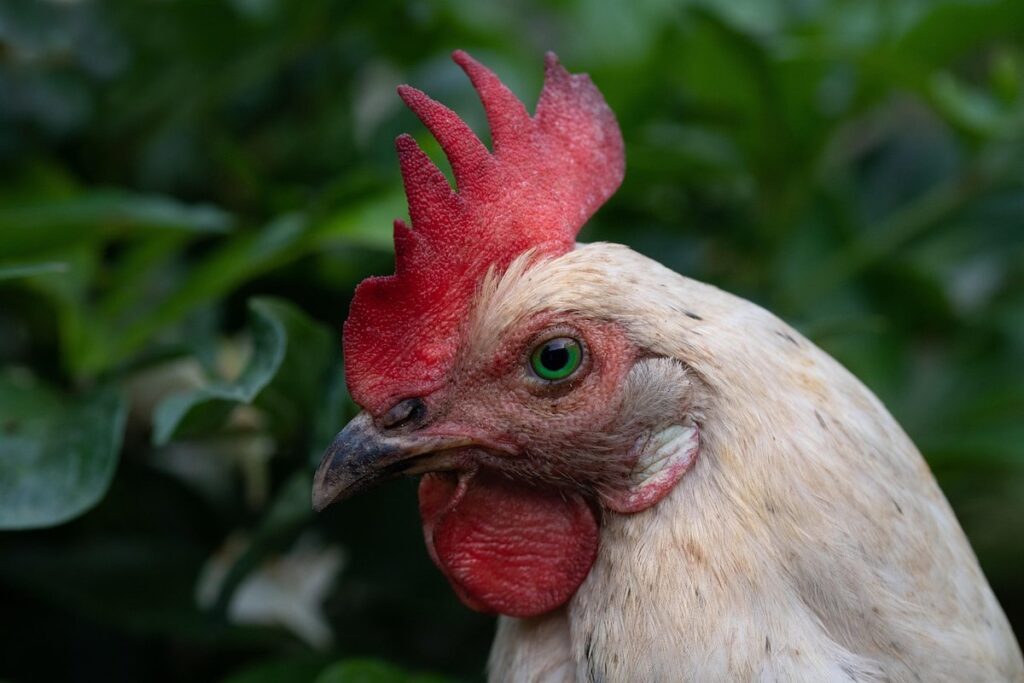
Characteristics and Benefits of Dark Green Egg Layers
These amazing birds boast not only stunning dark green eggs but also numerous unique characteristics that set them apart from other egg-laying breeds. Let’s dive into what makes them so special.
Physical Appearance and Temperament
One of the most distinctive and attractive features of dark green egg laying chickens is their physical appearance. These birds often have a stunning emerald green plumage with intricate patterns and hues that set them apart from other breeds. The color can range from a deep, rich green to a lighter minty tone, depending on the specific breed or genetics.
When it comes to temperament, dark green egg laying chickens are known for their friendly and outgoing personalities. They are often described as docile, gentle, and affectionate, making them an excellent choice for backyard flocks and families with children. These birds are also relatively easy-going and adaptable, which is a bonus for beginners or those who want to create a harmonious coop environment.
In terms of practical considerations, dark green egg laying chickens tend to be active and energetic, requiring regular exercise and mental stimulation to prevent boredom and stress. With proper care and attention, they can thrive in small backyards or larger spaces, providing endless entertainment and joy for their owners.
Egg-Laying Capacity and Egg Quality
One of the most exciting aspects of dark green egg laying chickens is their impressive reproductive capabilities. On average, these birds can lay around 200-220 eggs per year, which translates to about 4-5 eggs per week. This is significantly higher than many commercial breeds and makes them an excellent choice for backyard chicken keepers.
In terms of egg quality, dark green egg layers are known for producing large to extra-large eggs with a smooth, thick shell. The shell’s color can range from pale green to deep olive, depending on the breed and individual bird. Egg shape is typically medium to elongated, making them ideal for baking and cooking.
When it comes to egg size, some popular dark green breeds like the Araucana and Ameraucana are known to lay extra-large eggs weighing around 60-70 grams each. While others, such as the Marans, produce slightly smaller eggs averaging around 50-55 grams per egg. Overall, the high-quality eggs produced by dark green layers make them a prized addition to any backyard flock.
Health Benefits and Advantages
Keeping dark green egg laying chickens as pets or for egg production can have numerous health benefits for you and your community. These birds are not only a sustainable source of fresh eggs but also contribute to local ecosystems and environmental sustainability.
One significant advantage of dark green egg layers is their ability to control pests and weeds in your garden. They love to forage for insects, slugs, and snails, making them a natural form of pest control. This means you can reduce the need for chemical pesticides and fertilizers, creating a healthier environment for both humans and wildlife.
Dark green egg laying chickens are also known to produce eggs that are rich in nutrients and antioxidants. Their dark green yolks contain more omega-3 fatty acids than regular chicken eggs, making them an excellent choice for people with heart health concerns or those following a healthy diet.
In addition, these birds can help maintain local ecosystems by controlling insect populations and aerating soil through their scratching behavior. This can lead to improved soil quality, reduced erosion, and increased biodiversity in your area.
By incorporating dark green egg laying chickens into your life, you’ll not only enjoy the benefits of fresh, nutritious eggs but also contribute to a more sustainable and environmentally friendly community.
History and Origins of Dark Green Egg Layers
Dark green egg laying chickens have been a fascinating part of poultry history, and understanding their origins is essential to appreciating these unique birds. Let’s take a look back at how they first emerged.
Ancient Breeds and Their Significance
Dark green egg layers have an intriguing history that spans centuries and continents. To truly appreciate these unique birds, let’s take a journey through time to explore the ancient breeds believed to be their ancestors.
In Europe, for example, the Leghorn breed has been laying dark green eggs for over two millennia. Originating in Italy, this prolific layer was prized by farmers for its hardiness and high egg production. Similarly, in Asia, the Ayam Cemani from Indonesia is an ancient breed known for its dark, glossy feathers and equally dark eggs. This rare breed has been a staple of Indonesian poultry for centuries.
These European and Asian breeds have contributed significantly to the development of modern dark green egg layers. By studying their characteristics and adaptability, farmers can learn valuable lessons about creating resilient and productive flocks. If you’re looking to raise your own dark green egg layers, consider incorporating elements from these ancient breeds into your breeding program.
Modern Breeding Programs and Selective Breeding
Modern breeding programs have significantly enhanced the characteristics of dark green egg layers. Selective breeding has focused on increasing their egg production and improving fertility. Today’s breeders prioritize birds that can produce high-quality eggs consistently, with many strains capable of laying over 300 large brown eggs per year.
To achieve these remarkable results, selective breeding involves identifying and selectively mating individuals with the most desirable traits. This process can take years or even decades to yield significant improvements. Breeders closely monitor egg quality, size, and production rates when selecting birds for future generations.
For example, some popular breeds like Marans and Barnevelder have undergone extensive selective breeding to boost their fertility and overall performance. These strains exhibit improved hatching rates, making them ideal choices for backyard farmers who want to maximize their egg production.
By applying the principles of modern selective breeding, backyard chicken keepers can also improve their flock’s overall performance. By choosing breeds with desirable traits and maintaining optimal living conditions, you can increase your dark green egg layers’ potential and get more out of your birds.
Caring for Dark Green Egg Layers: Tips and Best Practices
To ensure your dark green egg layers thrive, it’s essential to provide them with the right care and attention, from nutrition to health checks and regular maintenance. Proper care can make all the difference in their happiness and productivity.
Housing and Enclosures
When it comes to housing and enclosures for dark green egg laying chickens, providing suitable living spaces is crucial for their health, happiness, and productivity. A good rule of thumb is to allocate at least 2-4 square feet per bird indoors, with a minimum of 10-12 hours of sunlight exposure daily.
Proper ventilation is also essential in preventing respiratory issues and maintaining a clean environment. Ensure that your enclosure has adequate airflow by installing windows, vents, or fans to promote cross-ventilation. You can also incorporate mesh panels or wire cages to allow for better air circulation while keeping predators out.
Consider building a coop with multiple levels or using nest boxes to encourage natural behavior and reduce stress on the birds. The dark green egg laying chickens are known to be active foragers, so providing enough space for exercise and exploration is vital. A well-designed enclosure will not only enhance their quality of life but also boost egg production and overall health of your flock.
Nutrition and Feeding Strategies
To ensure your dark green egg layers are thriving, it’s essential to provide them with a balanced diet that meets their unique nutritional requirements. These birds have specific needs due to their high egg production and vibrant plumage.
Dark green egg layers require a diet rich in protein to support their egg-laying abilities. A good starting point is to offer a layer feed that contains at least 16% protein content. You can supplement this with high-protein foods like mealworms, crickets, or hard-boiled eggs.
A balanced calcium intake is also crucial for dark green egg layers. They need around 2-3% calcium in their diet to maintain strong eggshell production and overall health. You can provide crushed oyster shells or dark leafy greens like kale or spinach as a calcium source.
In addition to these specific nutrients, it’s essential to ensure your chickens have access to fresh water and a balanced mix of vitamins and minerals through a high-quality layer feed.
Health and Hygiene Considerations
As you care for your dark green egg layers, it’s essential to be aware of common health issues that can affect their well-being. Respiratory problems, such as bronchitis and pneumonia, are prevalent in chickens, particularly those with a larger body size like the dark green egg layers. These conditions can be caused by bacterial or viral infections, which often spread through contaminated feed, water, or poor ventilation.
To maintain optimal hygiene in the coop and run, ensure that you provide adequate ventilation, cleaning schedules, and pest control measures. Daily cleaning of perches, nesting boxes, and feeding areas is crucial to prevent the buildup of bacteria and fungi. Additionally, disinfect all surfaces with a solution of 1 part white vinegar to 9 parts water.
Regular health checks are also vital to detect any issues early on. Monitor your flock’s droppings, appetite, and behavior for signs of illness. Keep an eye out for symptoms such as labored breathing, coughing, or lethargy. With proper care and attention, you can help prevent common health problems and keep your dark green egg layers healthy and thriving.
Breeds and Varieties of Dark Green Egg Layers
Dark green egg layers are a fascinating group, and within this diverse category, you’ll find numerous breeds and varieties to suit every taste and keeping situation. Let’s explore some of these unique birds together.
Popular Breeds and Their Characteristics
Among the numerous breeds and varieties of dark green egg laying chickens, some stand out for their exceptional characteristics. The Easter Egger is a popular choice among backyard chicken keepers, known for its ability to lay dark green eggs due to a genetic trait that doesn’t affect its overall egg production. Another notable breed is the Araucana, which lays blue or green eggs and is prized for its unique appearance.
The Ameraucana is another breed worth mentioning, as it’s also known to produce dark green eggs due to its genetics. This breed is relatively small in size but packs a punch when it comes to egg production, laying around 200 brown or dark green eggs per year.
In terms of characteristics, many dark green egg laying breeds are known for being friendly and docile. The Easter Egger, for example, is often described as laid-back and easy-going, making them an excellent choice for families with children.
Rare or Heritage Breeds
In addition to more common breeds, there are several rare or heritage breeds that lay dark green eggs. These genetic lines are not only a delight for backyard chicken keepers but also hold significant importance for the preservation of poultry diversity.
One such breed is the Araucana, which originated in Chile and lays blue or green eggs due to a genetic trait known as the “arlecchino gene.” This rare breed is prized for its unique egg-laying abilities and is often sought after by collectors and enthusiasts. However, their numbers are dwindling, making conservation efforts crucial.
Another heritage breed that lays dark green eggs is the Ameraucana. Hailing from North America, this breed is known for its rugged hardiness and ability to thrive in a variety of environments. Its distinctive green eggs make it a standout among backyard flocks.
To support these rare breeds, consider contacting reputable breeders or rescue organizations that specialize in heritage poultry. By preserving these genetic lines, you’re not only securing the future of dark green egg laying but also contributing to the rich tapestry of global poultry diversity.
Keeping Dark Green Egg Layers: Tips for Beginners
If you’re new to dark green egg laying chickens, this section will walk you through the basics of keeping them healthy and happy. We’ll cover essential tips for success.
Choosing Healthy Chicks
When choosing healthy chicks from reputable breeders, it’s essential to look for signs of good health and identify potential issues early on. A healthy chick should have bright, shiny eyes, a fluffy plumage, and be active and alert.
To ensure you’re getting healthy chicks, research the breeder thoroughly beforehand. Check their reputation online, read reviews from other customers, and ask for references. Look for breeders who prioritize health and temperament over looks or production alone.
Inspect the chicks’ living conditions, such as cleanliness, ventilation, and temperature control. Avoid breeders with overcrowded or unsanitary facilities. Check the chicks themselves for any visible signs of illness, injury, or parasites like mites or lice.
When selecting individual chicks, look for those that are energetic, curious, and interact well with their surroundings. Healthy chicks will also have a proper balance of weight to size. Avoid chicks that appear lethargic, weak, or show obvious physical defects. By choosing healthy chicks from reputable breeders, you’ll set yourself up for success in raising happy and productive dark green egg laying chickens.
Integrating New Chickens into Your Flock
When introducing new dark green egg layers into an existing flock, it’s essential to do so in a way that minimizes stress and promotes harmonious coexistence. This can be a challenging task, but with some planning and careful execution, you can ensure a smooth transition for all members of the flock.
To start, select new chickens that are compatible with your existing birds’ temperament and size. If introducing multiple new chickens at once, consider doing so in stages to avoid overcrowding. Begin by placing them in a separate enclosure or pen near the main flock, allowing them to become familiar with each other’s sounds, smells, and visual cues.
As you integrate the new chickens into the main flock, be sure to monitor their behavior closely for signs of stress or aggression. If necessary, reintroduce them at a slower pace or seek advice from a poultry expert. With patience and careful management, your dark green egg layers will thrive in their new flock environment.
Conclusion: Dark Green Egg Layers in Modern Times
Now that you’ve learned everything there is to know about dark green egg laying chickens, let’s take a look at what it means for these birds to thrive in modern times.
The Role of Backyard Flocks
As we conclude our comprehensive guide to dark green egg laying chickens, it’s essential to acknowledge the vital role backyard flocks play in local food systems and community sustainability. By incorporating these birds into their daily lives, individuals can significantly contribute to a more self-sufficient and environmentally conscious community.
Backyard flocks are not only a means of obtaining fresh eggs but also provide an opportunity for urban dwellers to engage with nature and cultivate a deeper appreciation for the process of food production. This hands-on experience allows individuals to monitor their flock’s health, learn about chicken behavior, and develop essential skills such as egg collection and coop maintenance.
In addition to these personal benefits, backyard flocks have a broader impact on local communities. By producing eggs on-site, residents can reduce their carbon footprint by minimizing transportation emissions associated with commercial egg production. Furthermore, backyard flocks serve as an excellent means of promoting community building through shared knowledge, resources, and experiences.
To establish a thriving backyard flock, it’s crucial to start small and prioritize the well-being of your birds. This involves selecting a suitable breed, providing adequate space and nutrition, and ensuring regular health checks. By adopting these practices, individuals can create a resilient and sustainable food system that benefits both themselves and their community.
By embracing backyard flocks, we can foster a culture of self-sufficiency, environmental stewardship, and community engagement. As you begin your journey with dark green egg laying chickens, remember the significance of your role in shaping local food systems and promoting sustainability within your community.
Frequently Asked Questions
Can I mix dark green egg layers with other breeds without disrupting the flock dynamic?
Yes, you can integrate dark green egg laying chickens with other breeds, but it’s essential to consider their unique personalities and temperaments when introducing them to your existing flock. Provide a safe transition period, ensure adequate space and resources, and monitor the birds’ behavior to avoid conflicts.
Are dark green eggs a sign of nutritional deficiencies in my flock?
No, dark green eggs are a natural result of the bird’s genetics and diet. They contain more nutrients than conventional brown or white eggs and can be an excellent addition to your family’s nutrition plan. However, if you notice unusual egg color variations, consult with a veterinarian to rule out any health issues.
How do I care for my dark green egg layers during extreme weather conditions?
To ensure the health and well-being of your birds during hot or cold weather, provide adequate shelter, ventilation, and cooling systems (such as fans or misting systems). Also, offer plenty of fresh water, nutritionally balanced feed, and access to shade and windbreaks. Monitor their behavior closely for signs of stress.
What are some common health issues associated with dark green egg laying chickens?
Dark green egg layers can be prone to certain health issues, such as respiratory problems, parasites, or vitamin deficiencies, just like other chicken breeds. Regularly inspect your flock’s living conditions, provide a balanced diet, and schedule regular check-ups with a veterinarian to prevent and address potential health concerns.
How do I select the right breed of dark green egg layer for my backyard flock?
When choosing a dark green egg laying breed, consider factors such as climate tolerance, noise levels, and your desired level of interaction. Popular breeds like Easter Eggers, Olive Eggers, or Ameraucana are great options to explore. Research their specific needs and characteristics to ensure the best fit for your unique situation.