
If you’re a farmer or producer looking for an alternative to traditional bedding materials, you’re in luck. Hemp chicken bedding is not only good for your birds’ health but also for the environment and your wallet. Made from hemp fibers, this eco-friendly option is gaining popularity among poultry farmers due to its numerous benefits. Not only does it provide a comfortable and dry surface for your chickens to roost on, but it’s also breathable and resistant to mold and mildew. In this article, we’ll delve into the advantages of using hemp chicken bedding, including its cost-effectiveness and improved health benefits for your flock. Whether you’re looking to reduce waste or simply want a better option for your birds, keep reading to discover why hemp is the way forward.
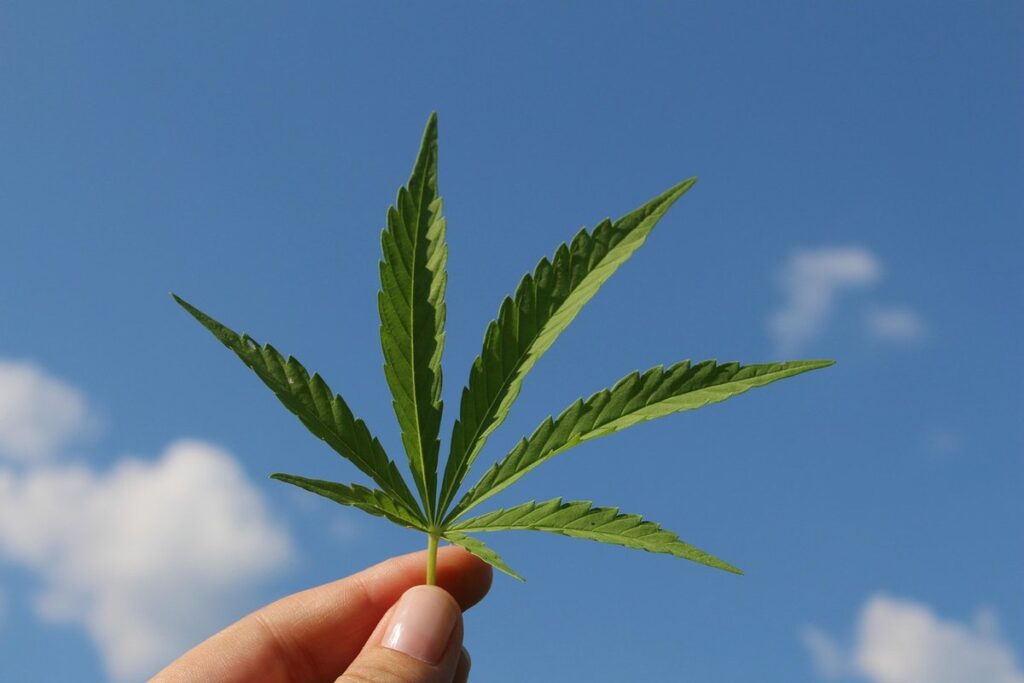
What is Hemp Chicken Bedding?
So, what exactly is hemp chicken bedding and how does it differ from traditional options? Let’s dive into the details of this innovative material.
History and Background
Hemp has been used as a bedding material for centuries, with its origins dating back to ancient civilizations. In traditional agriculture, hemp was valued for its strength, durability, and natural pest-resistant properties. It was often used as a mulch to suppress weeds and retain moisture in soil. Farmers would also use hemp fibers to create durable ropes and sacks.
In the 19th century, American farmers began adopting hemp as a bedding material for their livestock. Hemp’s absorbency and ability to regulate humidity made it an ideal choice for keeping animals dry and comfortable. However, with the passage of the Marihuana Tax Act in 1937, hemp production declined significantly due to its classification as a controlled substance.
In recent years, there has been a resurgence of interest in using hemp as a sustainable bedding material. With the growing demand for eco-friendly products and the increasing awareness of the benefits of hemp, farmers and manufacturers are now exploring innovative ways to harness its potential. Today, hemp is being used not only as a bedding material but also as a component in composite materials and building insulation.
Benefits for Chickens
Hemp chicken bedding has been touted as a game-changer for backyard chicken keepers, and one of the most significant benefits is its impact on the health and well-being of chickens. One of the primary issues with traditional bedding materials like pine shavings or straw is that they can harbor ammonia, which can cause respiratory problems in chickens. Hemp bedding, on the other hand, has a natural ability to neutralize ammonia, creating a safer environment for your flock.
Chickens also tend to suffer from respiratory issues when their litter is too dry or dusty. Hemp bedding’s high water-holding capacity helps maintain optimal moisture levels, reducing the risk of respiratory problems. Furthermore, hemp’s natural antimicrobial properties help prevent the growth of bacteria and fungi that can cause illness in chickens.
By providing your flock with a healthy and comfortable living environment, you can also expect to see improvements in their foot health. Chickens that are standing on dry, clean bedding are less likely to develop painful conditions like bumblefoot. By making the switch to hemp chicken bedding, you’ll be giving your girls the gift of improved health and happiness.
Advantages Over Traditional Bedding Materials
One of the most significant benefits of hemp chicken bedding is its numerous advantages over traditional bedding materials, offering improved comfort and health for your flock.
Comparison to Pine Shavings and Straw
When it comes to traditional bedding materials like pine shavings and straw, they simply can’t hold a candle to hemp chicken bedding. Let’s take a closer look at the advantages of using hemp compared to these more common options.
Pine shavings, for instance, are notorious for their short lifespan – often lasting only a few weeks before they become soggy and ineffective. This means you’ll be constantly replacing them, which not only wastes money but also contributes to waste management issues. Straw, on the other hand, is prone to mold and mildew growth, creating unhealthy conditions for your flock.
Hemp bedding, by contrast, outperforms both in terms of absorbency. Its unique properties allow it to hold up to 20 times its weight in liquid, making quick work of wet spots and reducing ammonia buildup. Additionally, hemp is remarkably durable – with a lifespan of several months – saving you time and resources.
But perhaps the most significant benefit of using hemp bedding lies in its ease of use. Unlike pine shavings or straw, which require constant topping off and cleaning out, hemp can be simply added to as needed. It’s also compostable at the end of its life cycle, eliminating waste and creating nutrient-rich fertilizer for your garden.
Eco-Friendliness and Sustainability
Hemp chicken bedding is an attractive option for environmentally conscious farmers and producers due to its lower carbon footprint compared to traditional bedding materials. As a highly renewable resource, hemp requires minimal water, pesticides, and fertilizers throughout its growth cycle. This reduces the overall environmental impact associated with its cultivation.
In contrast, conventional cotton production relies heavily on chemical-based farming methods, resulting in soil degradation, water pollution, and greenhouse gas emissions. For instance, it takes around 2,700 gallons of water to produce just one pound of conventionally grown cotton. In comparison, hemp requires a mere 600-1000 gallons per pound.
By switching to hemp chicken bedding, farmers can significantly reduce their ecological footprint while promoting sustainable agricultural practices. Moreover, the end product is biodegradable and compostable, eliminating waste disposal concerns. To incorporate eco-friendly bedding solutions into your operations, research local suppliers offering high-quality hemp products, and assess your current usage rates to determine the most suitable replacement option for your specific needs.
Installation and Maintenance Tips
To ensure you get the most out of your hemp chicken bedding, it’s essential to know how to properly install and maintain it for optimal performance. We’ll walk you through some valuable tips in this section.
Preparing the Coop for Hemp Bedding
Before introducing hemp bedding to your coop, it’s essential to prepare it for a smooth transition. Start by thoroughly cleaning and disinfecting the entire coop, including nesting boxes, perches, and feeding areas. Remove any existing bedding materials, such as straw or wood shavings, and dispose of them properly.
Next, inspect the coop’s ventilation system to ensure it’s functioning correctly. Hemp bedding can be prone to mold and mildew if the air circulation is poor, so make sure there are adequate openings for airflow. Consider adding additional vents or adjusting existing ones to prevent moisture buildup.
It’s also crucial to remove any sharp edges or points that could cause injury to your chickens when they’re navigating the coop with hemp bedding. Sand or smooth out rough surfaces, and secure any loose objects that could be a hazard.
Finally, consider implementing a gradual introduction process to help your flock adjust to the new bedding material. Start by placing a small amount of hemp bedding in one area of the coop and gradually increase its presence over time. This will allow your chickens to get accustomed to the texture and smell without feeling overwhelmed.
Best Practices for Replenishment and Disposal
When it comes to maintaining a clean and healthy coop, replenishing and disposing of hemp chicken bedding is an essential aspect. To keep your girls happy and thriving, you’ll want to replenish the hemp bedding regularly.
A good rule of thumb is to replace about 1/3 to 1/2 of the bedding material every week or two, depending on the size of your coop and the number of chickens. You can also use a simple method to determine when it’s time for a refresh: check the bedding by gently digging into it with your hand. If it feels damp or soggy, it’s time to add fresh hemp.
To dispose of used hemp bedding, make sure to bag it properly in biodegradable material and compost it. This will help reduce waste and create nutrient-rich fertilizer for your garden. Alternatively, you can also use the spent hemp as mulch or add it to your compost pile.
By following these simple tips, you’ll be able to keep your coop clean, healthy, and odor-free – which is essential for happy chickens!
Economic Benefits and ROI
Now that we’ve explored the environmental and health benefits of hemp chicken bedding, let’s dive into how it can save you money and boost your farm’s bottom line. By choosing this sustainable option, you’ll be surprised at just how much it pays off in the long run.
Cost-Effectiveness Compared to Traditional Bedding Materials
Compared to traditional bedding materials like wood shavings, straw, and sand, hemp chicken bedding offers significant cost-effectiveness benefits for farmers and producers. One of the primary reasons is its durability – hemp bedding can be reused multiple times, reducing the need for frequent replacements.
This means that farmers can save on purchasing and storing large quantities of bedding material throughout the year. According to a study by the University of Kentucky, hemp bedding can be reused up to 5-7 times, depending on factors like moisture levels and bird health.
In contrast, traditional materials may need to be replaced every few months due to soiling and contamination. The cost savings from using hemp bedding can add up quickly – for example, a single bale of hemp bedding can last an entire flock cycle, whereas multiple bales of straw or sand might be needed throughout the year.
When adopting hemp chicken bedding, it’s essential to factor in the initial upfront costs, which may seem higher than traditional materials. However, these costs are offset by long-term savings and reduced labor requirements for bedding changes.
Potential Revenue Streams from Eco-Friendly Practices
By incorporating eco-friendly practices like hemp bedding into your operations, you can tap into a lucrative revenue stream. One way to capitalize on this is through certifications. For instance, the Global Organic Standard (GOS) certification ensures that your products meet rigorous environmental and animal welfare standards. Not only does this enhance your brand’s reputation but also opens doors to premium pricing. A study by Nielsen found that 73% of consumers are willing to pay more for sustainable products.
You can also leverage your commitment to eco-friendly practices as a unique selling point. Use it as an opportunity to educate customers about the benefits of hemp bedding, such as its superior absorbency and durability compared to traditional materials. By doing so, you establish trust with potential buyers who prioritize environmental sustainability. This strategy can lead to increased sales, brand loyalty, and word-of-mouth advertising.
In addition to certifications and premium pricing, your commitment to eco-friendly practices can enhance your brand reputation in the market.
Customer Reviews and Testimonials
We’re excited to share what our customers have to say about using hemp chicken bedding in their coops, from improved health to reduced mess. Let’s take a look at their real-life experiences!
Real-Life Experiences with Hemp Chicken Bedding
Farmers who have made the switch to hemp chicken bedding are singing its praises. We’ve gathered some real-life experiences from satisfied customers to show just how effective this sustainable option can be.
One farmer reported a significant reduction in ammonia levels in her coop after switching to hemp bedding. She noticed an improvement within just a few weeks, which not only improved air quality but also reduced the risk of respiratory issues for her flock. This is no surprise given that hemp has natural antimicrobial properties, making it an ideal choice for reducing odors and moisture.
Many farmers have shared their success with hemp chicken bedding in terms of easy cleanup and maintenance. For example, a producer who uses this bedding mentioned how simple it was to remove soiled material from the coop. This is largely due to hemp’s lightweight and loose structure, which allows for quick and effortless removal without the need for heavy equipment.
Another benefit that many customers have highlighted is the improved health of their chickens. One farm reported a noticeable decrease in dust-related issues after switching to hemp bedding. By reducing the amount of airborne particles, farmers can create a cleaner environment for their birds, which contributes to healthier overall well-being.
It’s clear from these real-life experiences that hemp chicken bedding offers numerous benefits for both farmers and their flocks. Whether it’s improved air quality, reduced maintenance needs, or enhanced animal health – this eco-friendly option has proven itself as a reliable choice in the industry. By incorporating hemp into your farming practices, you can reap the rewards of a more sustainable operation while also contributing to a healthier environment for your animals.
Frequently Asked Questions (FAQs)
We’ve put together a list of frequently asked questions about hemp chicken bedding to help you better understand its benefits and uses for your flock. We hope you find these answers helpful!
Common Concerns and Misconceptions About Hemp Bedding
One of the most common concerns about hemp chicken bedding is its potential impact on egg production. Some farmers worry that switching to hemp bedding might affect their flock’s ability to lay eggs. However, numerous studies have shown that hemp has no significant effect on egg production. In fact, some farms have reported an increase in egg production after making the switch to hemp.
Another misconception about hemp chicken bedding is that it may harm chick health. Some people assume that the fibers in hemp could cause respiratory problems or other issues for young chicks. But the truth is, hemp is a natural and safe material for chickens. It’s also biodegradable, which means it won’t pollute the environment even if it gets into the soil.
Some farmers are also concerned about the cost of switching to hemp bedding. While it’s true that hemp can be more expensive than traditional bedding materials like straw or pine shavings, its benefits far outweigh the costs in the long run. Hemp lasts longer and requires less maintenance than other bedding options, which means you’ll actually save money by using it.
It’s also worth noting that hemp is a highly absorbent material, making it ideal for absorbing waste and odors. This can lead to healthier living conditions for your chickens and reduce the risk of disease.
In terms of how to get started with using hemp bedding in your coop, the first step is to choose a high-quality product from a reputable supplier. Look for products that are specifically designed for chicken coops and have been certified as safe for use with poultry. You should also start by introducing hemp gradually into your flock’s environment to ensure they adjust well to it.
By addressing these common concerns and misconceptions, you can feel more confident in using hemp bedding for your chickens. With its numerous benefits and low environmental impact, it’s a great choice for any farm or backyard flock looking to improve their living conditions.
Frequently Asked Questions
What are the best methods for disposing of hemp chicken bedding when it’s no longer suitable for my flock?
When it comes to replenishment and disposal, consider composting or repurposing the old hemp bedding as mulch or a natural weed barrier. This not only reduces waste but also provides valuable nutrients back into your soil.
How do I ensure my coop is properly prepared for hemp chicken bedding installation?
Before introducing hemp bedding, make sure your coop’s ventilation system and drainage are functioning correctly to prevent moisture buildup. Also, consider adding a layer of bedding under the hemp to facilitate easy cleanup.
Can hemp chicken bedding be used with chickens that have respiratory issues or other health concerns?
Yes, hemp bedding is particularly beneficial for birds with respiratory issues due to its mold- and mildew-resistant properties, which help reduce airborne pathogens. However, if your flock has specific health requirements, consult with a veterinarian before making any changes.
How do I know when it’s time to replenish my hemp chicken bedding?
Monitor the depth of the bedding – typically, you’ll need to replenish every 2-3 weeks depending on climate and flock size. Keep an eye out for signs like moisture accumulation or decreased absorbency, which indicate it’s time for a fresh batch.
Are there any specific considerations when using hemp chicken bedding in humid climates?
Yes, high humidity environments may require more frequent replenishment to prevent mold growth. Consider adding a layer of absorbent materials, like sand or perlite, under the hemp to improve airflow and reduce moisture accumulation.