
As a poultry farmer or owner, you’re likely no stranger to the importance of a well-planned feed schedule for your birds. But creating an effective starter grower layer feed schedule can be a daunting task, especially when it comes to ensuring optimal nutrition and maximizing production. Whether you’re just starting out or looking to optimize your current feeding strategy, getting it right is crucial for the health and productivity of your flock.
In this comprehensive guide, we’ll walk you through the essential topics and expert insights you need to know to create a successful starter grower layer feed schedule. We’ll cover everything from the nutritional requirements of your birds at different stages of growth to tips on how to optimize feeding strategies for improved poultry production. By the end of this article, you’ll have the knowledge and confidence to develop a customized feed plan that meets the needs of your flock and takes your operation to the next level.
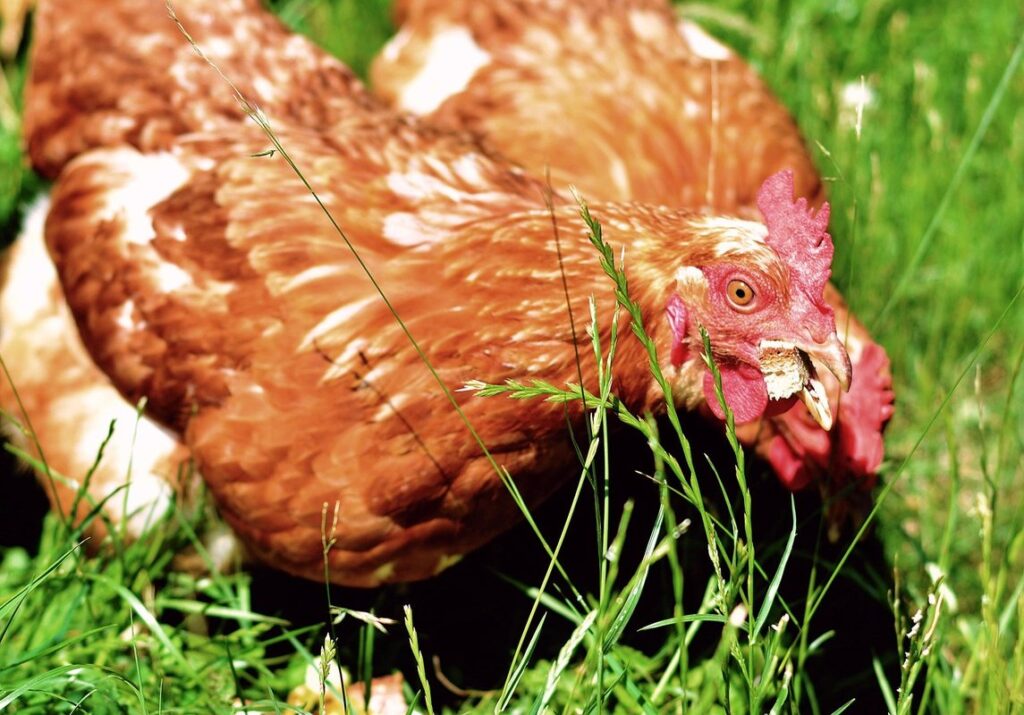
Understanding the Importance of a Well-Planned Feed Schedule
A well-planned feed schedule is crucial for optimal growth and development, so let’s dive into why it matters. A good feed plan helps prevent costly mistakes from early on.
Benefits of a Customized Feed Schedule
A well-planned feed schedule is essential for optimizing poultry production, and its benefits are multifaceted. One of the primary advantages is increased egg production. When birds receive a balanced diet tailored to their nutritional needs at various stages of growth, they’re more likely to reach their full egg-laying potential. A customized feed schedule ensures that the birds receive the right amount of protein, energy, and other essential nutrients for optimal performance.
A well-planned feed schedule also promotes healthier birds. By providing the necessary nutrients in the correct amounts, you can prevent health issues such as poor feathering, weak bones, or reproductive problems. This not only improves overall bird welfare but also reduces veterinary costs and disease outbreaks. For instance, a study on layer flocks showed that those receiving a customized feed schedule had significantly higher egg production rates (around 300 eggs per hen per year) compared to those on a generic diet.
By creating an effective starter-grower-layer feed schedule, you can reap these benefits and take your poultry operation to the next level.
Challenges in Creating a Feed Schedule
Creating a feed schedule for starter grower layers can be a daunting task for many farmers. One of the primary challenges is determining the ideal nutrient requirements for this specific stage of growth. Since starter and grower phases overlap, it’s crucial to balance nutrient levels carefully to avoid over-supplementation or under-supplementation.
Another common challenge is managing feed costs without compromising bird health. With fluctuating market prices and varying nutritional needs, farmers must make informed decisions about feed formulation and ingredient sourcing. Furthermore, they need to ensure consistency in feed quality, which can be difficult when working with multiple suppliers.
To overcome these challenges, farmers should conduct thorough nutritional assessments of their birds, taking into account factors like breed, age, sex, and production goals. This data will help inform feed formulation decisions and enable them to create a tailored schedule that meets the unique needs of their flock.
Determining Nutritional Requirements for Starter Growers
To determine nutritional requirements for your starter growers, you need to consider their age, weight, and breed specifications to ensure optimal growth. This section will guide you through that process in detail.
Key Nutrients for Growth and Development
As you work on creating an effective starter grower layer feed schedule, it’s essential to ensure that your birds are receiving the necessary nutrients for optimal growth and development. Let’s take a closer look at the key nutrients required for this critical phase.
Protein is perhaps the most crucial nutrient for starter grower layers, as it plays a vital role in muscle development, feather growth, and overall health. Aim to provide 16-18% crude protein in your layer feed during this period. A good example of a high-quality protein source is soybean meal or canola meal.
Energy is another critical component of a starter grower layer diet. Ensure that your birds are receiving adequate energy from sources such as wheat, oats, and barley. Aim for an energy level of 2800-3000 kcal/kg in your layer feed. For example, if you’re using a high-energy feed, adjust the amount fed to maintain optimal intake.
Minerals like calcium and phosphorus are also essential for strong bone development and overall health. A well-balanced starter grower layer feed should contain around 1% calcium and 0.5-0.6% phosphorus.
Considerations for Different Breeds and Ages
When it comes to starter grower layer feed schedules, breed and age play significant roles in determining nutritional requirements. Different breeds have unique characteristics that impact their growth rates, egg production, and overall health. For instance, Leghorns tend to be leaner and require less energy compared to larger breeds like Orpingtons.
As layers mature, their nutritional needs also change. Young pullets (16-20 weeks) require a higher concentration of protein to support rapid growth and muscle development. In contrast, older layers (40-52 weeks) need more calcium for eggshell production and maintenance.
To adjust feed schedules accordingly, consider the following:
* Breed-specific requirements: Research nutritional guidelines tailored to your flock’s breed(s).
* Age-based adjustments: Gradually increase or decrease protein levels as birds mature.
* Consult with a veterinarian or poultry nutritionist to ensure you’re meeting the specific needs of your starter grower layer flock.
By taking these factors into account, you can create an effective feed schedule that supports optimal growth and egg production.
Factors Influencing Feed Intake and Utilization
When it comes to creating a successful starter grower layer feed schedule, several key factors can impact how much feed your birds consume and utilize. These include everything from climate and nutrition to health and breed type.
Environmental Factors Affecting Feed Consumption
When creating an effective starter grower layer feed schedule, it’s essential to consider the environmental factors that can impact feed intake and utilization. Temperature, humidity, and light exposure are among the most significant environmental factors that can influence a bird’s appetite and ability to digest nutrients.
Temperature plays a crucial role in determining feed consumption. Prolonged heat stress can lead to reduced feed intake, while cold temperatures can cause birds to consume more feed to maintain their energy levels. For instance, a study on laying hens found that an increase of just 1°C in temperature resulted in a 0.5% decrease in feed intake.
Humidity is another critical environmental factor. High humidity can lead to wet litter, which can be uncomfortable for birds and reduce feed intake. Conversely, low humidity can cause dryness in the respiratory tract, further reducing feed consumption.
In terms of light exposure, too little or too much light can negatively impact feed intake. Birds have an internal circadian clock that regulates their appetite, and disruptions to this clock can affect feed consumption. For example, a study on broiler chickens found that those exposed to 24-hour lighting had significantly reduced feed intake compared to birds with a normal day-night cycle.
When creating your starter grower layer feed schedule, consider the environmental conditions in which your birds will be living. This may involve adjusting feeding times or amounts based on temperature and humidity levels, as well as ensuring adequate light exposure to maintain a healthy circadian rhythm.
Genetics and Individual Variability
Genetics play a significant role in determining the feed intake and utilization of starter grower layers. Different breeds and lines have distinct metabolic rates, which can affect their energy requirements and nutrient absorption. For instance, some layers may be more efficient at converting feed into egg production due to their genetic makeup.
Individual variability also comes into play when considering feed intake and utilization. Birds within the same flock can exhibit differences in growth rate, egg production, and body weight, even if they receive identical nutritional inputs. This variation can be attributed to factors such as age, sex, and genetics.
To account for these individual differences, it’s essential to monitor each bird’s performance and adjust feed rations accordingly. Regular monitoring of feed intake, weight gain, and egg production will help identify birds that may require more or less feed than their counterparts. By recognizing and responding to this variability, you can optimize feed utilization and minimize waste.
Consider implementing a tiered feeding system, where birds are grouped based on their performance characteristics. This approach allows for targeted adjustments to feed rations, ensuring each bird receives the optimal amount of nutrients while minimizing excess consumption.
Designing a Starter Grower Layer Feed Schedule
When designing a starter grower layer feed schedule, it’s essential to balance nutrient intake and growth rates for optimal bird health. Let’s explore how to create an effective plan together.
Steps to Develop a Customized Feed Schedule
Developing a customized feed schedule for starter grower layers is crucial to ensure they receive the optimal nutrition for growth and development. To create an effective schedule, consider the following steps:
Firstly, identify the breed of birds you’re working with, as different breeds have unique nutritional requirements. For instance, some breeds like Leghorns are known to be high-energy birds that require more protein in their diet.
Next, take into account the age and growth stage of your birds. Starter grower layers typically range from 18-24 weeks old, during which they require a balanced diet rich in energy, protein, and essential nutrients. Consider dividing this period into three phases: starter (18-20 weeks), transition (21-22 weeks), and finisher (23-24 weeks).
In addition to breed and age considerations, also think about environmental factors such as climate and management practices that can impact nutritional needs. For example, birds raised in hot or humid environments may require more energy-rich feeds to compensate for heat stress.
When formulating your customized feed schedule, don’t forget to balance nutrient requirements with cost-effectiveness. By carefully considering these factors, you’ll be able to create a tailored nutrition plan that meets the specific needs of your starter grower layers.
Example Feed Schedules for Different Production Systems
When designing a starter grower layer feed schedule, it’s essential to consider the specific needs of different production systems. For example, free-range and cage-free operations require unique approaches to feeding due to the varying levels of forage availability and nutrient requirements.
For free-range or pasture-raised layers, a feed schedule might focus on providing high-quality forages during the spring and summer months when grass is readily available. This could involve incorporating more concentrates in the winter months when access to fresh forage is limited. A sample feed schedule for this system might look like:
* 16% protein starter ration from day-old to 12 weeks
* Transition to a 15% protein grower ration at 12 weeks, with 20% of diet composed of fresh forages (spring and summer)
* Gradually increase forage proportion in the winter months to maintain optimal performance
In contrast, cage-free operations might prioritize feed efficiency and require more precise nutrient management. A sample feed schedule for this system could involve:
* Using a multi-stage feeding program with a starter ration from day-old to 12 weeks
* Transitioning to a grower ration with increased energy density (15% protein) at 16 weeks
* Implementing a regular monitoring system to adjust feed formulations as needed
Implementing and Monitoring the Feed Schedule
Now that you have created your starter grower layer feed schedule, it’s time to implement it effectively. This involves setting reminders for feed delivery and monitoring your flock’s response to the new schedule.
Key Performance Indicators (KPIs) to Track
When implementing a new feed schedule for starter grower layers, it’s essential to track key performance indicators (KPIs) that ensure the birds are receiving optimal nutrition and performing at their best. One crucial KPI is egg production, which can be measured by tracking the number of eggs laid per hen per day or per week. Aiming for an average of 280-300 eggs per hen per year is a good starting point.
Another critical KPI is feed conversion ratio (FCR), which measures how efficiently the birds convert feed into egg mass. An ideal FCR range for starter grower layers is between 1.5 to 2.0 kg of feed per kg of egg produced. By monitoring FCR, you can identify areas where adjustments may be needed to optimize feed utilization.
Mortality rates are also a vital KPI to track, as they can have significant economic and welfare implications. Aiming for a mortality rate below 2% is generally considered acceptable. Regularly reviewing these KPIs will help you make informed decisions about your feed schedule and ensure the optimal performance of your starter grower layer flock.
Strategies for Managing Feed Schedules in Practice
Managing feed schedules can be a daunting task, but with the right strategies, you can keep your flock thriving and healthy. To get started, it’s essential to develop a system for record-keeping that works for you and your farm. This could be as simple as using a spreadsheet or a dedicated feed management app like FeedWatch or Poultry Manager.
Record every detail, from the date and time of feeding to the amount of feed consumed. This information will help you identify patterns and trends in feed intake, allowing you to make data-driven decisions about adjustments to your schedule. Don’t forget to track any changes made to the diet or health issues that may arise.
Effective communication with veterinarians is also crucial when managing feed schedules. Schedule regular check-ins to review records and discuss any concerns. This will help you stay on top of potential health issues before they become serious problems. Remember, record-keeping and communication are key components of a successful feed management strategy. By prioritizing these tasks, you’ll be able to create an effective starter grower layer feed schedule that meets the needs of your flock.
Troubleshooting Common Issues with Starter Grower Layer Feed Schedules
Starter grower layer feed schedules can be finicky, but we’ve got you covered. Let’s tackle common issues that might be affecting your flock’s performance and health.
Identifying and Addressing Feed-Related Problems
Identifying and addressing feed-related problems is crucial to maintaining the health and productivity of your flock. One common issue is digestive problems, which can be caused by a sudden change in feed, poor quality feed, or an imbalance in nutrients. Look out for signs such as loose droppings, reduced egg production, or lethargy.
To address these issues, you need to identify the root cause. For instance, if you’ve recently switched to a new feed, it may be causing digestive upset. Consider consulting with your feed supplier or a poultry nutritionist to determine the best course of action.
Nutritional deficiencies can also lead to problems. A lack of essential vitamins and minerals such as calcium, phosphorus, or vitamin D3 can cause issues like soft-shelled eggs or weakened bones. Regularly review your flock’s nutritional needs and adjust their feed accordingly. You should also monitor their water intake to ensure they’re not dehydrated.
Regular monitoring and adjustments are key to maintaining optimal health and performance in your flock.
Strategies for Adjusting the Feed Schedule
When unexpected events occur or environmental conditions change, it’s essential to adjust the starter grower layer feed schedule accordingly. This may seem daunting, but with a solid understanding of the factors that impact feeding, you can make informed decisions and ensure your flock remains healthy.
One of the most significant challenges is temperature fluctuations. During heatwaves, birds require more water intake to stay hydrated, which means their feed consumption might increase. Conversely, during cold snaps, they may need less feed due to reduced activity levels. Monitor your flock’s behavior and adjust feeding accordingly. For instance, consider adding extra electrolyte-rich supplements in the summer or a small amount of energy-boosting grains during the winter.
Rainstorms can also impact feed availability and quality. In such cases, temporarily switch to alternative feed sources or take measures to protect existing feed from moisture damage. Don’t hesitate to reach out to your veterinarian or feed supplier for guidance if faced with unanticipated situations.
Be prepared for seasonal changes by having a flexible feeding plan in place. Regularly review your schedule and make adjustments as needed to ensure the optimal well-being of your flock.
Best Practices for Continuous Improvement of Starter Grower Layer Feed Schedules
To ensure your starter grower layer feed schedule stays on track, consider implementing these best practices for continuous improvement to optimize performance and efficiency. This includes regular monitoring and adjustments.
Regular Review and Evaluation
Regular review and evaluation of your starter grower layer feed schedule are crucial for continuous improvement. It’s easy to fall into a routine and assume that what worked yesterday will work tomorrow, but the reality is that changing market conditions, new research findings, and shifting consumer preferences can quickly render even the best feed schedules obsolete.
To stay ahead of the curve, schedule regular review sessions with your team to assess the performance of your current feed schedule. Start by tracking key performance indicators (KPIs) such as growth rates, feed conversion ratios, and mortality rates. Analyze these metrics against industry benchmarks to identify areas for improvement.
Use this data-driven approach to inform adjustments to your feed schedule. For example, if you notice that birds are experiencing slower-than-expected growth during the starter phase, consider tweaking the nutrient profile of their feed to include more energy-dense ingredients. Similarly, if you’re seeing higher-than-desired mortality rates during the grower phase, review the feeding schedules and adjust as necessary to prevent overcrowding or ensure adequate access to water.
By incorporating regular review and evaluation into your feed scheduling process, you can proactively address emerging challenges and optimize performance to drive long-term success.
Opportunities for Future Research and Development
As we continue to refine our understanding of starter grower layer nutrition and feed scheduling, there are several areas where future research and development could lead to significant breakthroughs. For instance, exploring the optimal ratio of macro- and micronutrients during different growth stages is crucial for ensuring efficient energy allocation and promoting healthy feathering.
Furthermore, investigating the role of prebiotics and probiotics in modulating gut health and immune function would provide valuable insights into developing feed additives that can mitigate disease susceptibility. Additionally, leveraging advanced data analytics and machine learning algorithms to inform feed scheduling decisions could enable more precise and responsive feeding strategies tailored to individual bird characteristics.
Another promising area of investigation involves the integration of nutritional genomics and epigenetics to better understand how genetic predispositions influence nutrient utilization and metabolic efficiency. By uncovering these complex relationships, researchers can develop evidence-based recommendations for optimizing feed formulations and schedules that account for the unique needs of different breeds and production systems.
By investing in this type of cutting-edge research, we can unlock new opportunities for improving the health, productivity, and sustainability of starter grower layer operations worldwide.
Frequently Asked Questions
How do I know if my starter grower layer feed schedule is too aggressive or too conservative for my flock’s needs?
Determine your flock’s growth rate, egg production, and overall health to assess the effectiveness of your feed schedule. Monitor key performance indicators (KPIs) such as feed conversion ratio, mortality rates, and egg weight. Adjust the schedule accordingly based on these metrics.
Can I use a single starter grower layer feed for all ages or do I need multiple formulas?
While using a single feed can simplify operations, it’s generally recommended to have separate feeds for different age groups. Each stage of growth has unique nutritional requirements, and using a single feed may not provide optimal nutrition for every stage.
What are some common mistakes to avoid when designing my starter grower layer feed schedule?
Avoid over-reliance on a single nutrient or ingredient, inadequate protein levels, and insufficient fiber content. Also, be mindful of the age-specific nutritional needs of your birds and adjust the feed schedule accordingly.
How often should I review and adjust my feed schedule, and what factors should I consider during this process?
Regularly review your feed schedule every 2-3 months to ensure it remains aligned with changing production goals and flock performance. Consider factors like changes in breed or age, feed availability, and market conditions when adjusting the schedule.
Can I use a starter grower layer feed for both meat and egg production, or do I need separate feeds?
While some feeds can be used for both purposes, it’s generally recommended to have separate feeds for meat and egg production. The nutritional requirements for growth and development differ between these two goals, and using the wrong feed can impact productivity and efficiency.