
Are you ready to welcome some gentle giants into your flock? Hatching Brahma eggs can be a thrilling experience for any chicken enthusiast, but it requires careful planning and attention to detail. With their impressive size and friendly nature, Brahma chickens have captured the hearts of many backyard farmers and homesteaders. However, hatching these large eggs successfully can be a challenge, especially if you’re new to incubation.
This comprehensive guide will walk you through every step of hatching Brahma eggs, from choosing the right breeder to preparing for incubation and caring for your chicks. We’ll cover essential tips on selecting fertile eggs, creating an optimal incubation environment, and recognizing signs of healthy development in your embryos. By following our expert advice, you can increase your chances of successfully hatching Brahma eggs and bringing home adorable, fluffy chicks that will bring joy to your family for years to come.
Choosing the Right Brahma Breed
When it comes to choosing the right Brahma breed for your flock, it’s essential to consider factors such as egg production and temperament. This section will walk you through these key considerations.
Factors to Consider When Selecting a Breeder
When selecting a breeder for your Brahma eggs, it’s essential to consider several factors to ensure you’re getting healthy, high-quality chicks. Reputable breeders prioritize the well-being of their birds and will often provide detailed information about the breed, including temperament, growth rate, and egg-laying ability.
Consider the temperament of the Brahma breed, as this can impact your experience with them. Look for breeders that specialize in gentle giants or friendly, docile breeds. A good breeder will have a clear understanding of their birds’ temperaments and be able to match you with a suitable choice.
When evaluating growth rate, keep in mind that Brahmans are large birds and may take longer to mature than other breeds. Look for breeders that provide detailed information about the growth rates of their birds and can advise on expected weights and development times.
Egg-laying ability is another crucial factor to consider. Brahma hens are known for their high egg production, but some lines may be more prolific than others. Research the breeder’s flock and ask about their average egg production per hen to ensure you’re getting a bird that meets your needs.
Understanding Brahma Egg Characteristics
Brahma eggs are one of the largest chicken breeds worldwide and produce large, heavy eggs with distinct characteristics. Typically, Brahma eggs range from 2.5 to 3 ounces (70-85 grams) in weight, making them significantly larger than most commercial egg varieties.
When it comes to shape, Brahma eggs tend to be slightly pointed at one end, often referred to as a “tear drop” or oval shape. This is due to the large size of the hen’s reproductive organs and the overall body structure. As for color, Brahma eggs can vary depending on the breed and genetic makeup, but you’re likely to find shades ranging from white to light brown with possible hints of pink.
Incubation requirements are also unique for Brahma eggs. Due to their larger size, it’s essential to ensure proper temperature control within the incubator. Aim for a consistent temperature range between 99-100°F (37-38°C) during the first 18 days of incubation and maintain humidity levels around 50-60%. It’s also crucial to monitor the eggs’ progress closely due to their larger size, which may increase the risk of breakage or failure to hatch. By understanding these characteristics, you’ll be better equipped to provide optimal care for your Brahma eggs during incubation.
Preparing for Hatching
Now that you have incubated your Brahma eggs, it’s time to prepare for hatching by monitoring temperature and humidity levels closely. This crucial step ensures a safe and successful hatch.
Creating a Suitable Environment for Incubation
Creating a suitable environment for incubation is crucial for successful hatching. Brahma eggs require specific temperature, humidity, and ventilation levels to develop properly. Aim for a consistent temperature range of 99°F (37°C) to 100°F (38°C), with slight variations between day and night. Maintaining humidity levels between 50% to 60% is also essential; you can achieve this by using a water spray bottle or a humidifier.
Proper ventilation is equally important, as it helps prevent the buildup of toxic gases in the incubator. Ensure that your incubation chamber has adequate airflow, and consider adding a fan to circulate air gently. It’s also vital to keep the incubator away from direct sunlight, drafts, and extreme temperatures. Avoid placing the eggs near heating vents or radiators.
To ensure optimal conditions for hatching Brahma eggs, monitor temperature and humidity levels closely using an accurate thermometer and hygrometer. Make adjustments as necessary to maintain a stable environment, and always follow manufacturer guidelines for your specific incubator model.
Setting Up an Incubator or Brooder
When it comes to hatching Brahma eggs, having the right equipment is crucial for success. You have two primary options: incubators and brooders. An incubator is a more precise and controlled environment, ideal for beginners or those with limited space. On the other hand, a brooder offers a larger area for the chicks to move around and can be set up as a temporary home.
To set up an incubator or brooder correctly, ensure it’s clean and dry before use. For incubators, preheat them 24-48 hours prior to egg placement to achieve optimal temperature stability. Place the Brahma eggs in the incubator or brooder with the pointed end facing upwards. If using a brooder, add a heat source such as a lamp or ceramic heat emitter, and ensure adequate ventilation.
Monitor the temperature and humidity levels closely, especially during the first week of incubation. Maintain temperatures between 99-100°F (37-38°C) and relative humidity at 50-60%. Use an egg turner to rotate the eggs 3-4 times a day in the incubator or gently turn them by hand in the brooder.
Keep in mind that Brahma chicks require slightly higher temperatures and humidity levels compared to other breeds. Proper setup and monitoring of your equipment will help increase the chances of successful hatching.
Hatching and Caring for Chicks
Once you’ve successfully hatched your Brahma eggs, it’s time to learn how to care for these adorable chicks as they grow into healthy, thriving birds. This section will walk you through the essential steps.
The Hatching Process: What to Expect
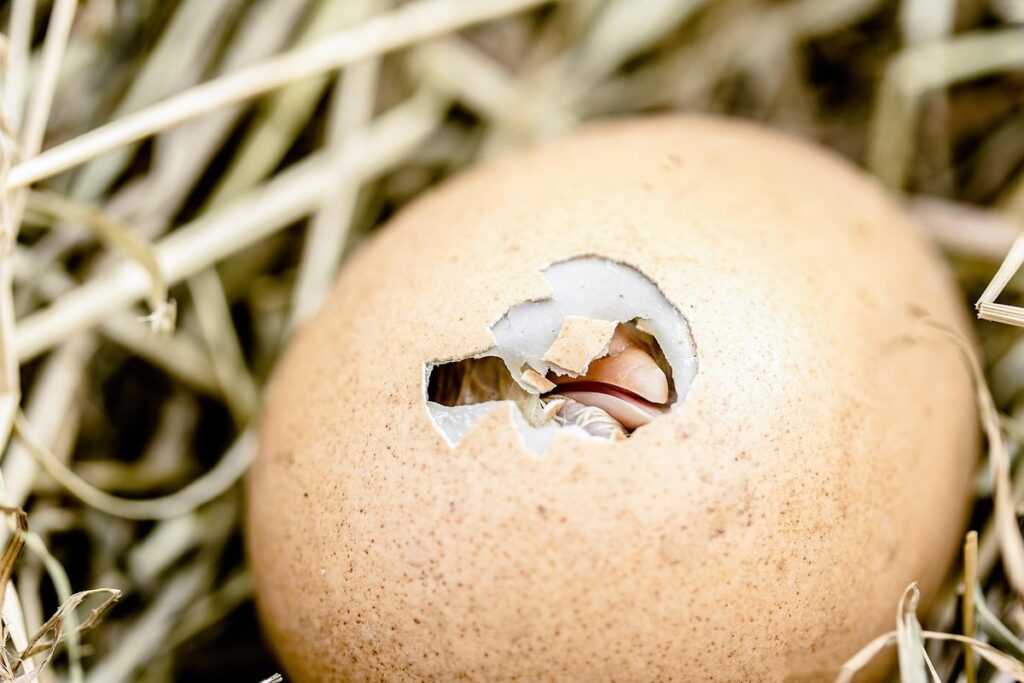
The hatching process for Brahma eggs is an exciting and crucial stage of development. As the embryo inside the egg grows, it begins to pip, or break through, the shell membrane. This usually occurs around 21 days of incubation and can be a loud, scratchy sound.
As the chick continues to develop, you’ll notice increased pecking at the shell, becoming more vigorous around 24-25 days. The pip hole will widen, and the chick will begin to breathe through it. Around this time, you might hear a faint peeping sound as the chick starts to chirp.
Around 26-28 days, the chick will emerge from the egg, still wet and fragile. This is known as “wet hatching.” It’s essential to monitor the incubator temperature and humidity levels closely during this stage. Once the chick has fully pipped and is about to emerge, you can gently help it out by carefully making a small hole in the shell.
Keep in mind that every hatch is different, and some chicks may take longer to pip or emerge. Monitor the eggs closely, and if you notice any unusual behavior, consult your incubation manual for guidance.
Providing Adequate Nutrition and Care
Brahma chicks require a specialized diet to promote healthy growth and development. As they grow from chick to pullet (young hen), their nutritional needs change dramatically. Start by providing a starter feed specifically formulated for large breed chickens, which should contain around 18-20% protein. This will support their rapid growth and help them reach maturity quickly.
In addition to proper nutrition, provide your Brahma chicks with fresh water at all times and ensure their coop or brooder is well-ventilated to prevent ammonia buildup from droppings. Keep the temperature in the brooder between 90-100°F (32-38°C) for the first week, gradually reducing it by 5°F (3°C) every few days until it reaches around 70°F (21°C).
It’s also crucial to provide a clean and safe environment. Remove any soiled bedding material daily and replace it with fresh pine shavings or another absorbent material. This will prevent the spread of disease and keep your chicks healthy.
Common Issues and Troubleshooting
Even experienced breeders encounter problems when hatching Brahma eggs, so let’s go over some common issues and troubleshoot together to ensure a successful hatch.
Recognizing Signs of Stress or Illness in Chicks
As you care for your newly hatched Brahma chicks, it’s essential to recognize the signs of stress or illness. Brahma chicks are prone to certain health issues that can impact their growth and development if left untreated.
One common problem is respiratory distress, often caused by bacteria or viral infections. You may notice your chick panting rapidly, wheezing, or making high-pitched sounds while breathing. Keep an eye out for discharge around the eyes or nostrils, as this can be a sign of infection. To prevent respiratory issues, ensure good ventilation in your brooder and maintain a clean environment.
Digestive problems are another common issue affecting Brahma chicks. Look for signs such as loose stool, diarrhea, or even bloody droppings. If you suspect digestive issues, monitor your chick’s temperature closely, as it can drop significantly. A healthy diet is crucial; ensure your chick has access to fresh water and a balanced starter feed.
Monitor your chick’s behavior, appetite, and overall condition daily. If you notice any unusual changes or signs of distress, consult with a veterinarian experienced in poultry care for guidance on treatment and prevention strategies.
Identifying and Addressing Incubation Failures
Identifying and Addressing Incubation Failures is crucial to successfully hatching Brahma eggs. Sometimes, even with proper care and attention, eggs may not hatch as expected. This could be due to various reasons such as incorrect temperature settings, inadequate humidity levels, or poor egg sanitation.
To identify potential incubation failures, pay close attention to the following signs: delayed pip time (when the chick breaks out of its shell), incomplete hatching, or a stillborn chick. In case you encounter any of these issues, it’s essential to investigate and make necessary adjustments to your incubation process.
Some common causes of incubation failure in Brahma eggs include incorrect temperature settings, usually too high or too low. Ensure that the temperature is maintained between 99°F to 100°F (37°C to 38°C) for the first 24-28 days. It’s also crucial to maintain proper humidity levels (50-60%) and ensure good egg sanitation to prevent bacteria from causing embryo death.
In case of a failed hatch, take note of what went wrong and make adjustments accordingly for future batches.
Breeding and Raising Healthy Brahmas
Once you’ve successfully hatched your Brahma chicks, it’s time to focus on breeding and raising them into healthy, thriving adult birds. This process requires careful attention to their diet, environment, and overall well-being.
Understanding the Importance of Genetics in Hatching Success
When it comes to hatching Brahma eggs successfully, understanding the importance of genetics cannot be overstated. The genetic makeup of your parent birds plays a significant role in determining the health and viability of their offspring. This is why selecting healthy parents with excellent breeding potential is crucial.
A strong breeding program focuses on identifying and retaining top-performing individuals that consistently produce high-quality chicks. These birds are often referred to as “foundation stock” or “grand champions.” They exhibit desirable traits such as robust growth, disease resistance, and exceptional egg-laying capabilities.
To maintain a healthy breeding program, it’s essential to keep detailed records of your flock’s performance. This includes tracking factors like fertility rates, hatchability percentages, and chick mortality rates. By analyzing these metrics, you can identify areas for improvement and make informed decisions about which birds to breed together in the future.
In essence, genetics is a key factor in hatching success, and by prioritizing selective breeding and maintaining a robust program, you’ll significantly increase your chances of raising healthy Brahmas that meet your expectations.
Tips for Raising Healthy Brahma Chicks
Raising healthy Brahmas from hatch requires attention to detail and a commitment to providing optimal care. Start by ensuring the brooder is draft-free and maintained at a consistent temperature between 90-100°F (32-38°C) for the first week.
Vaccination schedules vary depending on your location, so consult with a local veterinarian or poultry expert to determine the best course of action for your region. For most areas, administer a Marek’s vaccine at hatch and a Newcastle disease vaccine around day 10-14.
Parasite control is crucial, especially in areas with high tick and mite populations. Treat chicks as soon as possible after hatching with an approved product containing amitraz or permethrin to prevent mites. Use a DE (diatomaceous earth) powder to help manage internal parasites like coccidiosis.
Nutrition plays a vital role, too. Offer a starter feed formulated for heavy breeds, and provide plenty of fresh water at all times. Aim for 20-25% protein content until the chicks reach about four weeks old, then gradually transition to a grower feed with reduced protein (18%).
Conclusion: Hatching Your Own Brahmas
Now that you’ve successfully hatched your Brahma eggs, it’s time to learn how to care for and raise these gentle giants on your own farm. This section will guide you through that process.
Recap of Key Takeaways and Recommendations
Congratulations on completing our comprehensive guide to hatching Brahma eggs! By now, you should have a solid understanding of the process and be equipped with the knowledge needed to successfully hatch your own Brahma chicks. Let’s recap the key takeaways from this article.
First and foremost, it’s essential to choose the right breeders for your needs. We discussed the importance of selecting reputable suppliers that provide healthy, fertile eggs. When receiving your eggs, ensure they are stored properly in a cool, dry place to preserve their viability.
Next, we delved into the crucial step of incubation. This involves maintaining a consistent temperature between 99°F and 100°F (37°C and 38°C) for the first 18 days, followed by a slight drop to around 98°F (36.7°C) until day 21. It’s also vital to maintain humidity levels between 50% and 60%.
In addition to proper temperature control, we touched on the significance of turning your eggs regularly. This is crucial for even development and prevents the yolk from sticking to the shell. A recommended method is to turn the eggs 3-4 times a day.
Other essential factors include monitoring for signs of pipping, such as gentle pecking at the shell or an increase in activity inside the egg. Once you notice these signs, be prepared to provide your chicks with optimal post-hatching care.
Remember, hatching Brahma eggs requires patience, dedication, and attention to detail. By following this comprehensive guide, you’ll be well on your way to successfully raising your own Brahmas from scratch. Good luck, and happy hatching!
Frequently Asked Questions
What is the optimal temperature range for hatching Brahma eggs?
The ideal temperature range for incubation is between 99°F (37°C) and 100°F (38°C), with a slight drop to around 98°F (36.7°C) on the last day of incubation. Maintaining this consistent temperature will help ensure healthy development of your embryo.
Can I hatch Brahma eggs without an incubator, or are they essential?
While incubators can provide precise control over temperature and humidity, you can still attempt to hatch Brahma eggs using a homemade setup or a brooder with strict temperature controls. However, be aware that this method may increase the risk of failed hatches due to inconsistencies in temperature.
How do I identify and address potential issues during incubation?
Regular monitoring of your eggs and incubator is crucial for identifying any potential problems early on. Keep an eye out for unusual temperatures, humidity fluctuations, or signs of mold or bacteria growth. Addressing these issues promptly can significantly improve the chances of successful hatching.
What’s the recommended ratio of egg size to incubator capacity?
To ensure optimal development, it’s essential to maintain a balanced ratio between egg size and incubator capacity. A general rule of thumb is to have around 50-60% of your incubator space dedicated to eggs. This allows for proper air circulation and minimizes overcrowding.
Can I hatch Brahma eggs if I don’t have experience with other chicken breeds?
Yes, hatching Brahma eggs can be a great starting point for beginners. They are known for their hardiness and forgiving nature, making them an excellent choice for those new to incubation. However, it’s still essential to follow proper incubation techniques and monitor your eggs closely for any signs of distress.