
Are you ready to add some feathered friends to your backyard flock? If so, you’re likely considering Barred Plymouth Rock chickens for their friendly personalities and hardiness. But have you ever tried hatching these beautiful birds from eggs? With proper care and attention, hatching eggs can be a thrilling experience that brings new life to your farm or homestead.
In this comprehensive guide, we’ll walk you through the process of selecting healthy Barred Plymouth Rock hatching eggs, incubating them successfully, and raising your chicks into strong, thriving adult chickens. We’ll cover essential topics such as egg selection, incubation techniques, brooding care, and more to ensure you have a smooth start with these wonderful birds. Whether you’re an experienced chicken keeper or just starting out, this guide is designed to provide you with the knowledge and confidence to successfully hatch and raise your very own Barred Plymouth Rock chickens.
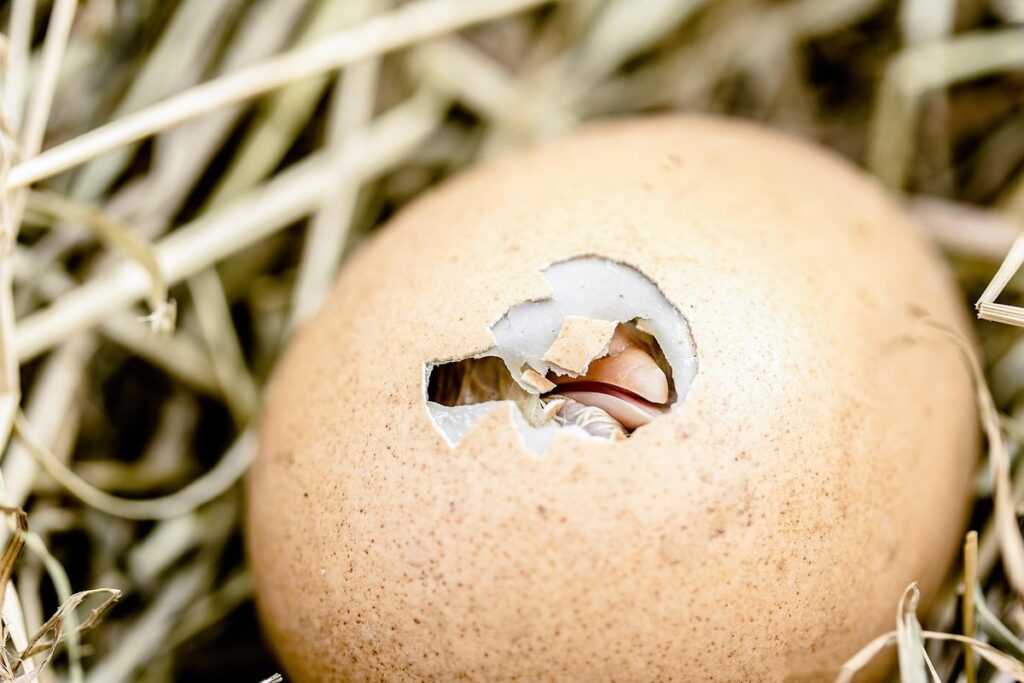
Introduction to Barred Plymouth Rocks
The Barred Plymouth Rock is a beloved breed known for its friendly and docile nature, making it an excellent choice for backyard chicken keepers like you. In this section, we’ll explore what makes them so special.
Brief History of the Breed
The Barred Plymouth Rock breed has a rich history that dates back to the 19th century. Originating in Massachusetts, this hardy and versatile bird was developed specifically for its excellent egg-laying abilities and gentle nature. The breed’s name is a testament to its distinctive barred pattern on its feathers.
In the early days of poultry farming, the primary goal was to create breeds that could provide a steady supply of fresh eggs to meet the growing demand. The Barred Plymouth Rock was one of several breeds developed during this time, and it quickly gained popularity due to its exceptional egg-laying abilities. On average, a mature hen will lay around 200 brown eggs per year, making it an ideal choice for small-scale farmers.
The breed’s development was also influenced by the need for birds that could thrive in harsh weather conditions. The Barred Plymouth Rock’s sturdy build and feathering made it well-suited to cold climates, allowing it to become a staple in many New England farms. Today, this breed remains popular among backyard chicken keepers and small-scale farmers due to its low maintenance requirements and high productivity.
Key Characteristics of Barred Plymouth Rocks
The Barred Plymouth Rock breed is known for its distinctive appearance and endearing personality. One of the most notable features of this breed is its unique feather pattern. The barred plumage consists of alternating black and white feathers, giving it a striking and visually appealing appearance. This characteristic is not only aesthetically pleasing but also helps to distinguish the Barred Plymouth Rock from other breeds.
In addition to its attractive feathers, the Barred Plymouth Rock is also renowned for its friendly and docile nature. They are a popular choice among backyard chicken keepers due to their gentle temperament and ability to adapt to different living situations. This breed is known to be relatively easy-going and can thrive in a variety of environments.
The Barred Plymouth Rock is also an excellent egg layer, producing an average of 200-220 large brown eggs per year. They are capable of laying consistently throughout the spring and summer months, making them a reliable choice for families or small-scale farms looking to supplement their food supply with fresh eggs.
Choosing the Right Hatching Eggs
When selecting hatching eggs, there are several factors to consider to ensure you get healthy and fertile Barred Plymouth Rock chicks. Let’s break down what to look for.
Factors to Consider When Selecting Hatching Eggs
When selecting hatching eggs for your Barred Plymouth Rock flock, it’s essential to consider several factors to ensure you’re getting healthy, fertile eggs from a reputable source. The age of the egg is crucial; look for eggs that are 7-10 days old for optimal hatch rates.
Proper storage and handling also play a significant role in maintaining egg viability. Choose an incubator or supplier that can store eggs at consistent temperatures between 55°F to 60°F (13°C to 15°C) with humidity levels around 50-60%. Avoid eggs stored in extreme temperatures, as this can lead to poor hatch rates.
When it comes to shipping, select a reputable breeder who uses secure and insulated containers to maintain egg temperature during transport. Look for suppliers that offer tracking services to ensure eggs are not left unattended at your doorstep. Finally, always check the supplier’s reviews and reputation before making a purchase to guarantee you’re getting high-quality hatching eggs.
Understanding Egg Grading and Certification
When purchasing hatching eggs from breeders, it’s essential to understand egg grading and certification systems to ensure you’re getting high-quality eggs. In the United States, the U.S. Department of Agriculture (USDA) sets standards for egg grading, which involves evaluating the egg’s appearance, cleanliness, and other characteristics.
The USDA grades eggs on a scale from AA to C, with AA being the highest grade. However, for hatching eggs, you want to focus on the fertility and quality of the eggs, not just their appearance. Look for breeders who have had their eggs tested for fertility and viability, and who can provide documentation.
The Certified Hatchery Specialist (CHS) program is another important certification to look for. This program, offered by the American Poultry Association (APA), ensures that hatcheries meet strict standards for egg quality, cleanliness, and chick health. The APA also offers a Hatching Egg Certification Program, which verifies that eggs have been stored and shipped properly to maintain their fertility.
When selecting hatching eggs from breeders, ask about their grading and certification practices to ensure you’re getting high-quality Barred Plymouth Rock eggs.
Barred Plymouth Rock Hatching Egg Characteristics
When it comes to hatching eggs, understanding their characteristics is crucial for success. Here’s what you need to know about the physical traits and features of Barred Plymouth Rock hatching eggs.
Egg Size, Shape, and Color
When it comes to Barred Plymouth Rock hatching eggs, you can expect certain characteristics that will help you identify them. In terms of size, Barred Plymouth Rocks tend to lay medium to large-sized eggs, typically ranging from 28 to 32 grams in weight. These eggs are often oval-shaped, with a slight pointed end.
When it comes to color and markings, Barred Plymouth Rock eggs are relatively easy to spot due to their distinctive white and black striping pattern. You’ll usually see a solid white or light brown background, interrupted by darker horizontal stripes. Some eggs may have a slight sheen to them, while others might appear more matte.
As you collect your hatching eggs, take note of any unusual markings or imperfections. These can sometimes indicate issues with fertility or embryo development. However, in most cases, the appearance of the egg itself is not a reliable indicator of chick quality. When selecting eggs for incubation, focus on those that are clean, free from cracks, and show no signs of leakage.
Keep in mind that individual hens may produce slightly varying egg characteristics, so it’s always a good idea to observe your flock and adjust your expectations accordingly.
Embryonic Development and Incubation Requirements
During the critical incubation period, Barred Plymouth Rock embryos require specific conditions to develop properly. The ideal temperature for incubation is between 99°F and 100°F (37°C to 38°C), with a slight drop of 1-2% per day to simulate natural nest temperature loss. Maintaining precise humidity levels is equally important, with a target range of 50-60%. This optimal environment promotes healthy embryonic development and ensures the chicks’ vitality upon hatching.
It’s crucial to monitor and adjust these conditions frequently during incubation. A slight deviation from the recommended parameters can lead to embryo failure or weak chicks. To achieve precise temperature control, consider using a digital thermometer and thermostat in your incubator. Additionally, maintain a consistent turning routine, ideally 4-5 times per day, to prevent adhesion of the embryos to the shell.
When setting up your incubation environment, remember that even minor variations can significantly impact hatching success rates. By paying close attention to temperature, humidity, and turning requirements, you’ll significantly increase the chances of healthy Barred Plymouth Rock chicks emerging from your eggs.
Hatching and Brooding Tips for Beginners
Let’s dive into some essential tips that will help you successfully incubate your Barred Plymouth Rock eggs, from hatching to brooding. We’ll cover the basics so you can feel confident in caring for your new chicks.
Essential Equipment and Supplies
To hatch and brood Barred Plymouth Rock chicks safely and successfully, you’ll need some essential equipment and supplies. First and foremost, you’ll require a good-quality incubator that can maintain the perfect temperature and humidity levels for hatching. For under $500, you can find an excellent digital incubator that’s easy to use and monitor.
You’ll also need a brooder, which is essentially a safe space for your chicks to grow and develop after they hatch. A plastic storage bin or a specialized brooder will suffice. Don’t forget to line it with paper towels or a heat-resistant mat to keep the chicks dry and comfortable.
Other essential supplies include a thermometer, hygrometer, feeder, waterer, and a good quality chick starter feed. It’s also crucial to have some basic medical equipment on hand, such as antibiotics and a first aid kit, just in case.
When it comes to setting up your brooder, make sure you follow the manufacturer’s instructions for temperature and humidity settings. A safe starting point is 90-95°F with around 50% humidity. As the chicks grow, you can gradually reduce the temperature by 5-10°F each week.
Basic Care and Management of Chicks
When you bring home newly hatched Barred Plymouth Rock chicks, their first few days are crucial for their growth and development. To ensure they get off to a healthy start, it’s essential to provide the right environment and care.
Begin by setting up a brooder with adequate ventilation, heat, and lighting. A temperature range of 90-95°F (32-35°C) is suitable for chicks in the first week, which can be achieved using a heat lamp or ceramic heat emitters. Also, ensure the brooder has adequate space for your chicks to move around comfortably – about 1 square foot per chick.
Nutritionally, feed them starter crumbles or pellets specifically designed for young chickens, with access to fresh water at all times. Monitor their hydration closely, as chicks can quickly dehydrate if they don’t drink enough water. Be on the lookout for signs of health issues such as pasty vent, respiratory problems, or lethargy and take prompt action if you notice anything unusual.
Regularly cleaning the brooder is also vital to prevent bacterial and fungal growth that can harm your chicks. Remove soiled bedding, disinfect surfaces with a pet-safe cleaner, and replace it with new bedding material.
Raising Barred Plymouth Rock Chicks
As you await the arrival of your new chicks, it’s essential to prepare for their care and development from day one. This section will walk you through the process of raising healthy Barred Plymouth Rock chicks.
Growth Stages and Developmental Milestones
As you care for your Barred Plymouth Rock chicks, it’s essential to understand their growth stages and developmental milestones. From hatching to maturity, these birds will undergo significant physical and behavioral changes. At one day old, newly hatched chicks will be around 6-8 inches long and weigh about 1 ounce. They’ll rely on their yolk sac for sustenance until they start pecking at feed.
Between days 7-10, chicks develop their primary feathers, which are soft and fluffy. Their beaks grow rapidly during this period, and they begin to show interest in exploring their surroundings. By day 14, most chicks will have developed their first set of juvenile wings, although they’re not yet capable of flying.
As your Barred Plymouth Rock chicks mature, you’ll notice significant changes. Between weeks 4-6, their adult feathers start to emerge, and their beaks reach full size. Their sex can be determined around this time by examining the comb on top of their heads – males will have a red or pink comb, while females’ combs remain small.
By 18 weeks, your birds should have reached full maturity, weighing between 5-7 pounds. They’ll be ready for breeding and laying eggs, making them an excellent choice for backyard chicken keepers who want a reliable egg source.
Nutrition and Health Considerations
As you raise Barred Plymouth Rock chicks, their nutritional needs will change significantly as they grow into pullets. From day-old to maturity, it’s essential to provide a balanced diet that meets their unique requirements.
During the first eight weeks, starter feed is ideal for growing Barred Plymouth Rocks. This type of feed typically contains around 20% protein and is formulated to support rapid growth during this critical period. However, be aware that commercial starter feeds may contain medications or added nutrients, which some backyard chicken keepers prefer to avoid.
Around six to eight weeks old, you can transition your chicks to grower feed, usually containing around 16-18% protein. Continue supplementing with treats like fresh fruits and vegetables, but in moderation – too many high-calorie foods can lead to obesity. For example, leafy greens like kale and spinach are excellent additions to their diet, providing essential vitamins A and K.
Always ensure access to clean water and a calcium source, such as crushed oyster shells or dark leafy greens, to support strong bone development in your growing pullets.
Conclusion
Now that you’ve learned how to select, incubate, and care for your barred Plymouth Rock hatching eggs, it’s time to put your new skills into practice. Let’s discuss what to expect after hatching.
Recap of Key Points and Takeaways
As you’ve navigated this comprehensive guide to barred Plymouth Rock hatching eggs, it’s essential to recap the key points to reinforce your understanding and provide a clear direction for your own experiences. In this article, we’ve covered the unique characteristics of barred Plymouth Rock chickens, from their striking appearance to their exceptional egg-laying abilities.
You’ve learned that barred Plymouth Rocks are dual-purpose birds, bred specifically for both meat and egg production. Their eggs, which we’ve discussed at length in this article, are renowned for their dark brown coloration and medium size. With a consistent laying rate of around 280-300 brown eggs per year, these hens make an excellent addition to any backyard flock.
One crucial aspect to consider when raising barred Plymouth Rock chicks is their need for proper nutrition during the critical growth phase. Adequate protein intake is essential for developing strong immune systems and overall health. We’ve also discussed the importance of introducing new birds gradually to prevent stress-related issues.
To recap, here are some key takeaways from this comprehensive guide:
* Barred Plymouth Rocks are dual-purpose chickens with impressive egg-laying abilities.
* Their eggs are dark brown in color and medium in size.
* These hens require proper nutrition during the critical growth phase for optimal health.
* Introducing new birds gradually is essential to prevent stress-related issues.
By applying these key points to your own experiences, you’ll be well on your way to successfully raising healthy and productive barred Plymouth Rock chickens. Remember to prioritize nutrition, manage stress effectively, and provide a suitable environment for your flock to thrive. With this knowledge and guidance, you’re ready to embark on an exciting journey with your new birds.
Frequently Asked Questions
What are some common mistakes to avoid when incubating Barred Plymouth Rock hatching eggs?
Be aware of temperature fluctuations, as a consistent temperature between 99°F and 100°F is crucial for successful incubation. Also, ensure that the humidity levels in your incubator remain within the recommended range to prevent dehydration or overhydration of the embryos.
How long do I need to keep my newly hatched chicks under brooder lamps, and what are some tips for transitioning them to outdoor coops?
Typically, chicks require around 18-22 hours of artificial lighting after hatch. As they grow, gradually reduce the lighting duration by 30 minutes every day until they can tolerate natural light. Consider using a brooder with adequate ventilation and ensure that your coop provides sufficient space and protection from predators.
Can I use a traditional incubator for hatching eggs, or do I need to invest in an automatic egg turner?
Yes, you can still achieve successful hatch rates with a manual incubator if you’re willing to commit to turning the eggs 3-5 times daily. However, automated turners significantly reduce labor and ensure consistent rotation, which may be beneficial for larger flocks or busy owners.
What’s the recommended ratio of males to females in a backyard flock, and how can I tell the sex of my chicks?
Aim for a 1:2 to 1:3 male-to-female ratio, depending on your intended use (meat, eggs, or pets). Sexing chicks is possible around 4-5 weeks old when they develop visible secondary characteristics; consult with an experienced breeder or poultry expert if you’re unsure about determining sex.
Can I hatch Barred Plymouth Rock eggs from a commercial farm, or do I need to obtain them from a reputable breeder?
While it’s technically possible to hatch store-bought eggs, the success rate is generally lower due to inconsistent breeding and egg handling practices. Opting for eggs from a reputable breeder ensures healthier stock with better genetics, which will ultimately lead to stronger, more resilient birds.