
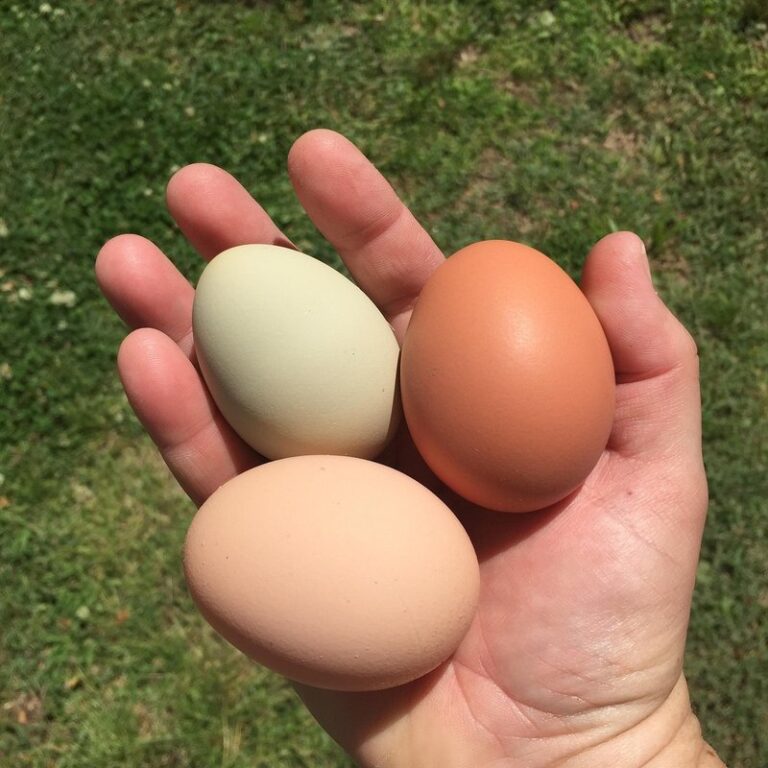
As a backyard chicken owner, you’re probably thrilled to see your girls producing eggs regularly. But have you ever stopped to think about how often you should collect them? A well-planned egg collection schedule is essential for maintaining the health and happiness of your flock. Not only does it help prevent breakage and contamination, but it also allows you to monitor their breeding cycles, adjust nutrition accordingly, and adapt to changing climates. But that’s not all – a good egg collection routine can also help you manage large flocks and troubleshoot common issues like cracked eggs or irregular laying patterns. In this article, we’ll show you how to create an effective egg collection schedule for your backyard chickens, complete with practical tips on handling eggs with care.
Understanding Your Chicken’s Breeding and Laying Cycle
Understanding your chicken’s breeding and laying cycle is crucial for maintaining a consistent egg supply, but it can be a complex process to navigate. Let’s break down the key stages that affect their fertility and egg production.
Factors Affecting Egg Production
When it comes to egg production, several internal and external factors come into play. The breed of chicken is one significant factor that influences egg-laying capacity. Some breeds are bred specifically for their high egg-laying abilities, such as Leghorns or Rhode Island Reds. Other breeds may not lay as many eggs but excel in other areas like meat production.
As your chickens age, their egg-laying will naturally decrease. Most hens reach peak egg production between 18 and 24 months of age, after which their production gradually declines. A chicken’s diet is also crucial for maintaining optimal egg production. Chickens require a balanced diet that includes essential vitamins, minerals, and nutrients like calcium.
Health issues can also impact your chickens’ ability to lay eggs. Respiratory problems or parasites can cause stress and lead to decreased egg-laying. In addition, climate plays a significant role in egg production. Extreme temperatures, especially heat stress during the summer months, can significantly reduce egg output.
Monitoring these factors will help you better understand your chickens’ needs and develop an effective egg collection schedule that accounts for their individual requirements.
Identifying Peak Laying Periods
Understanding your chicken’s breeding and laying cycle is crucial to maximizing egg production. To determine when your chickens are likely to be in peak production, you’ll need to identify their individual laying periods. This can vary depending on factors such as breed, age, nutrition, and living conditions.
One way to gauge peak laying periods is by observing changes in egg size and frequency. Chickens typically begin laying at around 18-24 weeks of age, with some breeds starting earlier than others. As they mature, you may notice a steady increase in egg production, often peaking between 1-2 years of age.
Keep an eye on your flock’s individual characteristics, such as weight gain, plumage condition, and behavior. Some chickens will show signs of increased egg production by laying larger or more frequent eggs. By monitoring these changes, you can anticipate peak laying periods and plan for regular egg collection.
For example, if you have a flock that typically lays around 280-300 eggs per year, you may expect to see an increase in egg production during certain months or seasons. By tracking this data over time, you’ll be able to identify when your chickens are most likely to produce a high number of eggs and adjust your egg collection schedule accordingly.
This knowledge will help you plan for regular egg collection and ensure that you’re not missing out on potential income. By understanding peak laying periods, you can maximize your flock’s productivity and enjoy the rewards of backyard chicken-keeping.
Setting Up an Egg Collection Schedule
Now that you’ve determined how many hens you have and their average egg-laying frequency, let’s create a schedule to collect eggs daily, ensuring fresh eggs for your family. This will also help maintain a clean and healthy coop.
Calculating Daily Egg Output
Calculating daily egg output is crucial in setting up an effective egg collection schedule. To do this accurately, you’ll need to consider three key factors: breed, age, and individual performance.
Start by researching the average egg production for your chicken’s breed. Different breeds have varying capacities for egg-laying, with some being more prolific than others. For example, Leghorns are known to produce around 280-300 eggs per year, while Orpingtons typically lay between 200-220 eggs annually.
Next, take into account the age of your flock. Egg production increases as hens mature and reach their prime laying years, usually between 18-24 months. Keep in mind that younger or older hens may not produce at their full capacity.
Finally, consider individual performance within your flock. Some hens may be more productive than others due to factors like nutrition, health, and genetics. To account for this variability, you can track each hen’s egg production over time and adjust your calculations accordingly.
By combining these three factors, you’ll get a better estimate of your flock’s average daily egg output.
Creating a Weekly or Bi-Weekly Schedule
Creating a weekly or bi-weekly schedule is essential to stay on top of egg collection without neglecting other chores. To determine the frequency of egg collection, consider your flock’s production rate. If you have a small flock with 3-4 hens, collecting eggs daily may not be necessary. However, if you have a larger flock or breeds known for high egg production like Leghorns, daily collection is recommended.
Start by tracking your flock’s egg production over a few weeks to get an accurate estimate of their average daily output. This will help you determine the best schedule for your needs. For example, if your hens produce 6-7 eggs per day, collecting them twice a week may be sufficient.
Consider your own availability and other household responsibilities when creating your schedule. You can also involve family members or neighbors to make egg collection a shared responsibility. Set reminders on your phone or calendar to ensure you stick to your schedule and don’t forget to clean the coop in between collections.
Essential Tools and Equipment for Efficient Egg Collection
To ensure a smooth and efficient egg collection process, you’ll need some essential tools and equipment that we’ll walk you through in the following section. Let’s get started!
Choosing the Right Containers
When it comes to storing fresh eggs from your backyard flock, choosing the right containers is crucial. You want to ensure that your eggs are clean, dry, and protected from potential contamination. Clean, dry containers will not only keep your eggs safe but also help maintain their quality and freshness.
For storing eggs, you’ll want to look for containers made of food-grade materials such as stainless steel, plastic, or ceramic. Avoid using glass containers with sharp edges or points that could crack the eggs. Plastic containers are a popular choice because they’re easy to clean and come in various sizes. Make sure to choose containers with lids to prevent moisture from entering.
The size of the container will also depend on your specific needs. A good rule of thumb is to use one egg box for every 3-4 hens in your flock. This allows you to easily collect eggs without overcrowding the container and increasing the risk of breakage or contamination.
Maintaining a Clean Coop and Run
A clean coop and run are crucial for maintaining a healthy flock of backyard chickens. When egg collection schedules become more efficient, you’ll want to ensure that the environment where your hens live is free from disease and stressors. To start, allocate time each week for thorough cleaning of the coop and run.
This includes removing soiled bedding material, scrubbing feeding and watering troughs, and disinfecting all surfaces. Consider creating a schedule with tasks such as:
• Changing bedding once a month
• Cleaning feeding and watering equipment every two weeks
• Disinfecting perches and roosts every three months
Additionally, inspect the run for any signs of wear or damage that could compromise your flock’s safety. Fencing should be sturdy enough to prevent predators from getting in. Make sure to also check for any gaps or holes where unwanted visitors might squeeze through.
By prioritizing coop and run maintenance, you’ll create a healthier environment for your hens to live and lay eggs, ultimately making the entire egg collection process more efficient and enjoyable.
Tips for Minimizing Breakage and Loss
When collecting eggs from your backyard flock, it’s not just about gathering a fresh supply of breakfast – you also want to minimize breakage and loss in the process. Regular collection schedules can help prevent damage to both eggs and birds.
Handling Eggs with Care
When it comes to collecting eggs from your backyard chicken coop, handling them with care is essential to minimize breakage and loss. It’s not just about scooping up the eggs; you want to make sure they’re safe and unbroken until you get them to the fridge.
To gently collect eggs from the nesting box, start by making sure the area around the nesting boxes is clean and free of debris. This will prevent any dirt or dust from getting on the eggs as you pick them up. Next, carefully reach into the nesting box with both hands, one supporting the underside of the egg and the other cradling it gently.
As you lift each egg, be mindful not to touch the pointed end, which is more fragile than the rounded end. If an egg does get broken, try not to stress about it – it’s a natural part of backyard chicken-keeping! Instead, clean up the mess quickly and focus on getting the rest of the eggs safely collected.
Some additional tips for minimizing breakage include:
* Checking the nesting boxes frequently to catch any eggs that have been laid
* Gently shaking out the nesting material (like straw or hay) before collecting the eggs
* Using a carton or egg box specifically designed for collecting and transporting eggs
By following these simple steps, you can reduce the risk of breakage and loss, making your egg collection process a breeze.
Strategies for Reducing Stress on Your Flock
Reducing stress on your flock during egg collection is crucial for maintaining their overall health and well-being. Chickens can become anxious when handled regularly, especially if they’re not accustomed to the process. To minimize this stress, try collecting eggs at the same time every day, so your chickens know what to expect.
A consistent routine helps alleviate anxiety in chickens. For example, if you collect eggs daily at 8 am, your flock will learn to anticipate and prepare for the task. You can also consider incorporating a few minutes of playtime or treats before collection to help calm them down. Avoid sudden movements or loud noises that might scare your chickens.
Providing a stress-free environment during egg collection requires attention to detail. Make sure the area is clean, well-ventilated, and free from any hazards. Handle each chicken gently and carefully, supporting their wings and back. By following these tips and maintaining a consistent routine, you can reduce stress on your flock and promote a healthier, happier group of backyard chickens.
Managing Egg Collection During Different Seasons
If you’re a backyard chicken owner, you likely know that egg collection schedules can vary greatly depending on seasonal changes. In this next part of our guide, we’ll explore how to manage egg collection during each time of year.
Spring and Summer Laying Periods
As the weather warms up, your backyard chickens will start to lay more eggs. In fact, some breeds can increase their egg production by as much as 50% during the spring and summer months. To accommodate this increased production, you’ll need to adjust your egg collection schedule.
During these warmer months, it’s essential to collect eggs at least twice a day. This will help prevent the eggs from getting dirty or developing cracks due to the increased activity of your chickens. In addition, collecting eggs more frequently will also help reduce the likelihood of eggs being broken by your chickens’ pecking behavior.
As an example, let’s say you have 5 hens that are laying on average 3-4 eggs per day each. By collecting eggs twice a day, you’ll be able to keep up with their production and ensure that all the eggs remain clean and intact. Remember to check for any signs of damage or cracks before storing the eggs in the refrigerator.
Autumn and Winter Laying Periods
As the temperatures drop and days get shorter, many backyard chicken owners notice a decline in egg production. This is because chickens are naturally programmed to slow down their laying during cooler months. During autumn and winter, you can expect your hens to produce fewer eggs than they do during spring and summer.
This decrease in egg production can be attributed to several factors. Firstly, shorter daylight hours trigger a physiological response in chickens that slows down their reproductive cycles. Secondly, cold temperatures can make it difficult for hens to maintain the necessary body heat for egg production. Finally, chickens may also experience stress due to changes in their environment, which can further impact their laying abilities.
To manage egg collection during these periods, consider adjusting your expectations and schedule accordingly. You may need to collect eggs more frequently, as hens are likely to lay fewer but larger eggs. Additionally, make sure your girls have access to adequate food, water, and shelter to keep them warm and comfortable throughout the winter months.
Troubleshooting Common Issues with Egg Collection
We’ve all been there: a cracked egg, a missing clutch, or an unexpected drop in egg production. Let’s tackle some common issues that can arise when collecting eggs from your backyard flock.
Identifying Causes of Breakage and Loss
When it comes to egg collection schedules for backyard chickens, breakage and loss can be frustrating issues to deal with. Identifying the causes of these problems is key to implementing effective solutions.
Poor handling techniques are a common reason for breakage. When collecting eggs, it’s essential to handle them gently to avoid cracking or breaking them. Try to scoop up eggs from underneath, rather than picking them up by the middle, which can cause more damage. You should also be mindful of your speed and not rush when collecting eggs, as sudden movements can result in breakage.
Inadequate coop maintenance is another factor that contributes to egg loss. Make sure to clean out your coop regularly to remove debris, dust, and droppings, which can attract pests and create an environment conducive to egg damage. Check for any signs of wear and tear on the nesting boxes and make repairs as needed to prevent eggs from getting crushed.
Regularly inspecting your coop and adjusting your handling techniques accordingly will help minimize breakage and loss.
Solutions for Managing Large Flocks or High Production Rates
Managing large flocks or high production rates can be challenging when it comes to egg collection. You want to ensure that every egg is collected efficiently and safely for both the birds and the collector. To achieve this, consider implementing a rotating collection schedule. Divide your flock into smaller groups, and assign each group to a specific collector for a set period. This approach allows you to manage the workload more effectively and reduce stress on individual birds.
Another strategy is to invest in egg collecting equipment designed for large flocks or high-output operations. Automated egg collection systems can significantly streamline the process, freeing up time for other tasks like cleaning coops or monitoring bird health. For example, some models come equipped with sensors that detect egg-laying activity and alert collectors when it’s time for collection.
When handling high production rates, maintain a clean and organized environment to prevent eggs from getting damaged during collection. Ensure all equipment is regularly sanitized, and keep the collecting area clear of debris to minimize the risk of contamination or injury. By implementing these strategies, you can maintain efficient egg collection while prioritizing animal welfare.
Frequently Asked Questions
What if I have a mix of breeds with different egg-laying capacities – how do I create an egg collection schedule that accommodates their unique needs?
When managing a flock with varying breed types, it’s essential to consider their individual egg production rates. Start by tracking each breed’s peak laying periods and daily output. This data will help you adjust your egg collection schedule accordingly, ensuring you’re not over-collecting from breeds with lower capacities.
How do I handle the eggs during extreme weather conditions – for example, when it’s extremely hot or cold?
Yes, handling eggs with care is crucial during weather extremes. For high temperatures, consider collecting eggs in the morning or evening to avoid direct sunlight exposure. In colder climates, keep your egg collection schedule consistent and ensure your coop remains well-insulated to prevent temperature fluctuations from affecting egg quality.
Can I use automated egg collectors, or are they not suitable for small backyard flocks?
No, automated egg collectors can be effective in larger commercial settings but might not be practical for smaller backyards. These systems often require significant investment and may not adapt well to variable flock sizes or unique breed needs. For smaller flocks, a simple manual collection schedule using designated containers is often the most efficient approach.
How do I minimize breakage when collecting eggs from a large flock?
When managing large numbers of chickens, breakage can be a concern. To minimize egg damage, ensure your collecting containers are sturdy and designed for easy handling. Additionally, handle eggs gently and avoid over-collecting from specific birds to reduce stress on the flock.
What’s the best way to store collected eggs before they’re used or sold – should I use refrigeration or other methods?
Yes, proper storage is crucial to maintain egg quality. For backyard flocks, it’s generally recommended to store eggs in a cool, dry place, away from direct sunlight and moisture. Refrigeration can be beneficial during extreme temperatures but isn’t always necessary for small-scale egg collection.