
If you’re thinking of adding some new feathered friends to your backyard flock, or perhaps you already have Sussex chickens at home, this comprehensive guide is for you. The Sussex chicken breed has been delighting poultry enthusiasts with its rich history and charming personality, making it a popular choice among backyard farmers. But before you bring these lovable birds home, there’s a lot you need to know about their unique needs and characteristics.
In this article, we’ll take you through the ins and outs of the Sussex chicken breed. From its origins and temperament to egg-laying capacity and health considerations, we’ve got everything covered. You’ll learn how to provide the best care for your Sussex chickens, including tips on management, nutrition, and more. Whether you’re a seasoned poultry expert or just starting out, this guide will help you make informed decisions about your flock and ensure they thrive under your care.
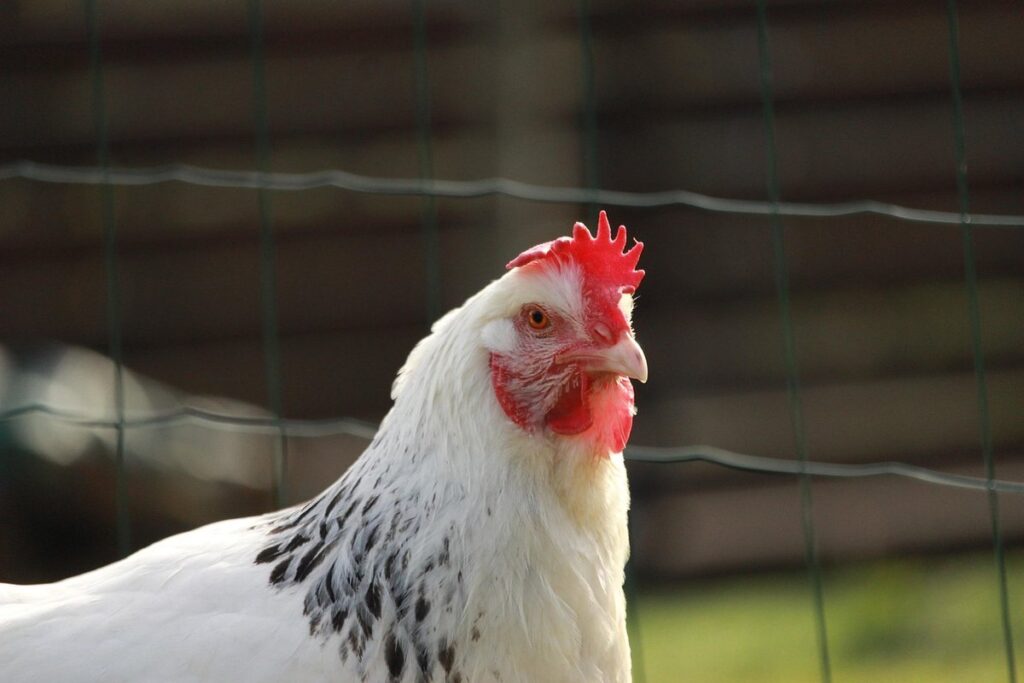
History and Origin of the Sussex Chicken
The Sussex chicken breed has a rich history that dates back to 18th century England, where they were highly valued for their gentle nature. In this section, we’ll explore how these charming birds came to be.
Origins in England
The Sussex chicken breed has its roots in England, where it was developed as a dual-purpose bird. In the early 19th century, English farmers sought to create a hardy and productive chicken that could thrive on a small farm or homestead. To achieve this goal, they crossed various breeds with native birds from the South Downs region of Sussex.
The resulting breed was designed to excel in both egg-laying and meat production. Sussex hens were known for their high-quality eggs, rich in flavor and texture, while cockerels grew rapidly to mature size, making them ideal for the table. The dual-purpose nature of the breed allowed it to serve a crucial role on small farms and homesteads.
The development of the Sussex chicken was influenced by the need for self-sufficiency among English farmers during this time period. By creating a breed that could provide both food and income, farmers were able to maintain their independence and reduce reliance on external markets. Today, the Sussex chicken remains a popular choice for backyard flocks and small-scale farmers due to its hardiness, high egg production, and rich history.
Early Characteristics and Uses
The original Sussex chicken breed was renowned for its impressive egg-laying capacity and versatility as a meat producer. As a dual-purpose breed, they were able to thrive on small farms and homesteads where space was limited. On average, a mature Sussex hen would lay around 200 large brown eggs per year, making them an excellent choice for backyard flocks.
In terms of meat production, the Sussex chicken’s size and growth rate made it an attractive option for farmers looking to raise birds for market. They were known to mature quickly, reaching slaughter weight in as little as 16 weeks, which reduced feed costs and increased profitability. The breed’s high-quality meat was also prized for its tenderness and rich flavor.
Today, many backyard chicken keepers continue to appreciate the Sussex chicken’s heritage traits, using them to produce a steady supply of fresh eggs and delicious meat for their families. If you’re considering adding a flock of Sussex chickens to your homestead, be sure to choose birds from reputable breeders who prioritize genetic integrity and temperament. This will help ensure that your birds remain true to the breed’s original characteristics and uses.
Preservation Efforts
To ensure the survival of this beloved breed, various preservation efforts have been undertaken over time. The Sussex Chicken Club was established in 1929 to promote and conserve the breed. This organization has played a significant role in maintaining the breed’s standards, including its unique characteristics such as friendly disposition and excellent foraging abilities.
In addition to the club, conservation programs have also been implemented to safeguard the breed. These programs involve breeding pure-bred Sussex chickens, which helps maintain the breed’s genetic integrity. The Rare Breeds Survival Trust (RBST), a UK-based charity, has also recognized the Sussex as a “vulnerable” breed due to its relatively low population numbers.
If you’re interested in contributing to the preservation of this breed, consider joining local chicken-keeping clubs or online forums focused on rare breeds. You can also support conservation efforts by purchasing pure-bred chicks from reputable breeders who prioritize genetic diversity and adhering to established breed standards.
Physical Characteristics of Sussex Chickens
When it comes to identifying a true Sussex chicken, understanding its physical characteristics is essential. This section will delve into the breed’s distinctive features and what sets them apart.
Body Type and Size
When it comes to the physical characteristics of Sussex chickens, one of the most noticeable features is their body type. On average, a healthy adult Sussex chicken will weigh between 5-7 pounds (2.3-3.2 kg) and stand around 18-20 inches (45-50 cm) tall. However, some breeders have successfully raised larger or smaller birds within these parameters.
In terms of overall size, Sussex chickens are considered medium-sized birds. They have a sturdy build, with well-developed muscles that enable them to forage efficiently for food and withstand the elements. Their broad chests and deep bodies also contribute to their compact yet robust appearance.
To give you a better idea of what to expect, it’s worth noting that male Sussex chickens tend to be slightly larger than females, although this can vary depending on individual birds. When choosing chicks or purchasing adult birds, it’s essential to select those with a balanced and symmetrical body structure to ensure they develop into healthy adults. By understanding the breed standard for Sussex chickens’ body type, you’ll be better equipped to identify potential health issues or anomalies.
Plumage and Feathers
One of the most distinctive and recognizable features of Sussex chickens is their plumage. These birds come in a stunning array of colors and patterns, making them a standout among other breeds. The most common color varieties are light, dark, and buff, with some individuals exhibiting beautiful golden or silver sheens.
The texture of the feathers can also vary, but they typically have a soft, smooth quality that’s pleasing to the touch. In terms of length, Sussex chickens are known for their moderate-sized feathers, which provide excellent insulation against the elements. A good rule of thumb is to ensure your chicken has adequate ventilation and dust-free living conditions to prevent mites and lice from taking advantage of their beautiful plumage.
In addition to maintaining a healthy environment, it’s essential to regularly clean and inspect your Sussex chickens’ feathers for signs of wear or damage. This can help prevent disease and promote overall well-being.
Legs and Feet
When it comes to the physical characteristics of Sussex chickens, their legs and feet are just as distinctive as their plumage. One of the first things you’ll notice about a mature Sussex is its sturdy build, which includes well-set legs that are strong enough to support the bird’s size.
The average length of a Sussex chicken’s leg is around 1-2 inches (2.5-5 cm) in relation to its body size. This means that even larger birds will still have relatively short legs, but they’re perfectly proportioned for their size. The shape of the legs themselves is also noteworthy – being slightly curved and strong, with a sturdy ankle joint.
In terms of color, you can expect Sussex chicken feet to be a warm, golden brown hue, often matching the shade of their skin. Some individuals may have darker or lighter variations, but this range is generally consistent across the breed. When selecting chicks or young pullets, pay attention to their leg and foot development – sturdy legs are an excellent indicator of overall health and robustness in growing birds.
Temperament and Personality
One of the joys of owning a Sussex chicken is understanding their unique temperament, from friendly and outgoing to sometimes a bit feisty. Let’s explore how this breed interacts with humans and other animals.
Friendly Nature
One of the standout characteristics of the Sussex chicken breed is their incredibly friendly and docile nature. This makes them an excellent choice for backyard flocks with children or inexperienced keepers. They are known to be calm and gentle, even when handled by young people.
In fact, many owners praise the Sussex’s temperament as one of its most appealing features. Their friendly disposition allows them to thrive in a variety of environments, from small backyards to larger farms. They are social birds that get along well with other breeds, making them an ideal addition to a mixed flock.
If you’re considering adding a new member to your backyard flock, the Sussex’s temperament is definitely worth taking into account. With proper care and attention, these birds can become loyal companions and provide endless hours of entertainment for both children and adults.
Intelligence and Trainability
One of the standout characteristics of the Sussex breed is their exceptional intelligence and trainability. These birds are known to be highly responsive to training and are often described as “eager to please.” This trait makes them a joy to work with, especially for backyard chicken keepers who want to teach their flock tricks or establish a routine.
One reason Sussex chickens excel at learning is their strong desire for human interaction. They thrive on attention and will often seek out opportunities to engage with their owners. With patience and consistency, you can teach your Sussex chicken to perform a variety of tasks, from simple tricks like “shake” or “roll over,” to more complex behaviors like retrieving eggs from the nesting box.
In addition to their intelligence, Sussex chickens are also highly adaptable. They have been known to adjust easily to new environments and living situations, making them an excellent choice for families who may be moving or changing their backyard setup. This adaptability is a testament to their breed-specific trait of being “easy-going” and “relaxed,” which serves them well in a variety of contexts.
Noise Level
When it comes to noise level, Sussex chickens are generally considered to be moderate squawkers. They will let you know when they need attention or if they’re feeling threatened, but they won’t keep you up all night with incessant chirping. One unique characteristic of the breed is their tendency to make a loud “bok-bok” sound when they’re excited or want to alert you to something.
If you live in a residential area with noise restrictions, it’s essential to consider this factor before bringing Sussex chickens into your backyard. However, if you have a large property or are looking for a breed that will alert you to potential predators, the Sussex chicken’s moderate squawking may be an advantage.
To minimize any potential noise issues, it’s recommended to provide your Sussex chickens with plenty of space and enrichment activities. A happy and engaged flock is less likely to make excessive noise, so make sure to prioritize their physical and mental well-being by providing a suitable coop and run environment.
Egg-Laying Capacity and Characteristics
When it comes to egg-laying, Sussex chickens are known for their impressive output, with a healthy flock capable of producing dozens of eggs per week. Let’s take a closer look at what you can expect from this aspect of your flock.
Egg Size and Color
When it comes to egg-laying capacity and characteristics, Sussex chickens are known for their impressive production. On average, a healthy Sussex hen will lay around 200 large brown eggs per year. However, some breeds have been reported to reach as high as 250 eggs annually.
The size of the eggs is also worth noting – Sussex eggs typically range from medium to extra-large in size, with an average weight of around 50-60 grams. While the egg size may not be the largest among chicken breeds, the quantity and consistency make them a desirable choice for many backyard farmers and homesteaders.
Interestingly, the color of the eggs can vary slightly depending on the individual bird’s genetics. While most Sussex chickens lay brown eggs, some may produce tinted or even pure white eggs. This is due to the breed’s unique genetic makeup, which allows for some variation in eggshell coloration. Overall, Sussex chickens are a reliable choice for those seeking a consistent and substantial supply of large brown eggs.
Clutch Size and Frequency
When it comes to egg-laying capacity and characteristics of the Sussex chicken breed, one important aspect to consider is their clutch size and frequency. On average, a healthy Sussex hen will lay around 280-300 eggs per year, which translates to about 5-6 eggs per week. This is a moderate to high laying capacity compared to other breeds.
It’s worth noting that the frequency of egg-laying can vary depending on factors such as nutrition, health, and individual bird characteristics. Some Sussex hens may lay more frequently than others, while some may experience a natural drop in production as they age.
To optimize your Sussex hens’ egg-laying capacity, make sure to provide them with a balanced diet rich in protein and calcium. Also, ensure they have access to fresh water and adequate space to roam around. By doing so, you can help promote a healthy reproductive cycle and maximize their overall productivity.
Broodiness
One of the characteristics of the Sussex chicken breed is their broodiness. This means that they have a strong instinct to sit on eggs and incubate them, often even if they don’t have a clutch. As a result, you may notice that your female Sussex chickens tend to go off laying during molting cycles.
This broodiness can be both an advantage and a disadvantage. On the one hand, it’s a sign of their strong maternal instincts and can make them excellent mothers to their own chicks or even fostered eggs from other hens. However, if you’re looking to maximize egg production, this tendency may not be ideal.
To manage broodiness in your Sussex flock, consider separating females that are prone to it during molting periods, as well as providing plenty of nesting boxes and opportunities for exercise to distract them from their urge to incubate. With patience and proper management, you can encourage healthy egg-laying habits while still appreciating the unique characteristics of these lovely birds.
If you do decide to let your Sussex hens sit on eggs, make sure they have a secure, predator-proofed area to do so, as well as adequate space for flying and stretching their wings.
Health Considerations and Genetics
When it comes to raising Sussex chickens, understanding their genetic predispositions and potential health issues is crucial for giving them a long and happy life. We’ll explore these key factors in this section.
Common Health Issues
As you’re considering bringing Sussex chickens into your flock, it’s essential to be aware of some common health issues that may affect this breed. One of the primary concerns is the genetic predisposition to obesity and related health problems. This can be managed through a balanced diet and regular exercise, but it’s crucial to monitor their weight closely.
Another issue specific to Sussex chickens is their susceptibility to frostbite due to their feathering. To mitigate this risk, ensure they have adequate shelter from harsh weather conditions, particularly during the colder months. You should also make sure their living space is well-ventilated and dry to prevent moisture buildup.
In addition, Sussex chickens can be prone to Marek’s disease, a viral condition that affects the nervous system. Vaccination is recommended to protect against this disease. Regular health checks with a veterinarian will help identify any potential issues early on.
It’s also worth noting that Sussex chickens are generally hardy and long-lived, but like all breeds, they can be affected by age-related health problems such as cataracts and joint issues. With proper care and attention, many of these issues can be prevented or managed effectively.
Breed-Specific Traits
Sussex chickens are renowned for their impressive egg-laying capacity, with some individuals producing over 300 large brown eggs per year. This is due in part to the breed’s genetic predisposition towards high fertility and prolificacy. However, this trait can sometimes be accompanied by a higher risk of reproductive issues, such as egg yolk peritonitis or prolapse.
Another characteristic unique to Sussex chickens is their rapid growth rate, which can lead to health complications if not managed properly. Young Sussex pullets often grow too quickly, resulting in joint problems and other musculoskeletal issues. To mitigate this risk, it’s essential to provide a balanced diet that prioritizes bone growth and development.
Additionally, Sussex chickens are known for their impressive feathering, with some varieties exhibiting striking crests or hackles. While these characteristics can be aesthetically pleasing, they also require regular maintenance to prevent matting and tangling. Regular grooming is crucial to keep your Sussex chicken’s plumage healthy and looking its best.
In terms of overall health, Sussex chickens are generally robust birds, but they can be prone to certain genetic disorders, such as fibropapillomatosis or vent gape. By being aware of these potential issues and taking proactive steps to monitor your flock’s health, you can help ensure the long-term well-being of your Sussex hens.
Responsible Breeding Practices
When it comes to responsible breeding practices, Sussex chicken breeders have a significant role to play in minimizing the risk of inherited diseases and disorders. One key consideration is genetic diversity, which helps prevent the concentration of deleterious genes within a population. To achieve this, breeders can implement a diverse breeding program that incorporates different bloodlines and genetic strains.
Regular health testing of breeding stock is also essential. This includes testing for conditions like Marek’s disease, tumors, and egg-laying disorders. For example, the Aviary Disease Surveillance Program (ADSP) in the UK provides guidance on testing for various diseases.
To ensure responsible breeding practices, breeders should also prioritize record-keeping. Accurate records of breeding stock ancestry, health test results, and offspring performance can help identify potential genetic issues. Additionally, maintaining a healthy flock environment through good husbandry practices and disease prevention strategies further minimizes the risk of inherited conditions.
By adopting these measures, Sussex chicken breeders can produce healthier birds with better genetic quality, ultimately contributing to the long-term sustainability of the breed.
Care and Management Tips
To keep your Sussex chickens happy and healthy, it’s essential to understand their specific care needs, which can vary from other breeds. Here are some valuable tips for managing your flock.
Housing and Environment
When it comes to providing a suitable environment for your Sussex chickens, their housing needs should be top priority. These birds require sufficient space to move around and stretch their wings comfortably.
A good rule of thumb is to provide at least 3-4 square feet of space per bird inside the coop, and about 8-10 square feet of outdoor run area per chicken. This will allow them to exercise freely without feeling cramped or confined.
Ventilation is another crucial aspect to consider when building a coop for your Sussex chickens. A well-ventilated coop will help maintain a healthy environment by removing ammonia from their droppings and keeping the air fresh. Make sure to include windows, vents, or other openings that allow airflow throughout the day.
In addition, consider the climate you live in when designing the coop’s ventilation system. For example, if it’s hot and humid outside, you may want to incorporate more shading options, such as a roof overhang or a canopy, to prevent heat buildup inside the coop.
Diet and Nutrition
When it comes to feeding your Sussex chickens, it’s essential to provide them with a balanced diet that meets their nutritional needs. This breed requires high-quality layer feed, rich in protein and calcium, to promote healthy egg production and bone development.
A good quality layer feed should contain around 16-18% protein and 2-3% calcium. You can choose between medicated or non-medicated feeds, depending on your flock’s specific needs. For example, if you’re dealing with parasites or diseases, a medicated feed may be necessary. Some popular brands include Purina Layena and Manna Pro.
In addition to their regular feed, it’s also beneficial to provide supplements like oyster shells, crushed eggshells, or dark leafy greens like kale and spinach. These will help maintain strong bones and promote a healthy digestive system. Always ensure fresh water is available for your chickens at all times, and consider providing a grit mix to aid digestion.
Remember to adjust the feed according to your birds’ age, size, and production levels. For example, pullets (young females) may require more protein-rich feeds than hens in their prime egg-laying years.
Health Maintenance and Hygiene
When it comes to caring for your Sussex chickens, maintaining their health is of utmost importance. Regular vaccinations and parasite control are crucial to preventing diseases and ensuring the well-being of your flock. It’s essential to schedule annual vaccinations with a veterinarian who specializes in poultry to protect against common diseases such as Marek’s disease and Newcastle disease.
In addition to vaccinations, parasite control is also vital to maintaining your chickens’ health. Regular cleaning of their coop, dust bathing areas, and run will help reduce the risk of internal parasites such as worms. You can also use diatomaceous earth or other safe alternatives to de-worm your chickens.
Another key aspect of health maintenance is providing a balanced diet rich in nutrients and ensuring access to clean water at all times. Regular inspections of your flock’s overall health, including beak trimming, nail care, and monitoring for signs of stress, will also help identify any potential issues before they become major problems. By following these simple steps, you can ensure your Sussex chickens live long, healthy lives.
Frequently Asked Questions
Can I keep Sussex chickens if I have a small backyard with limited space?
Yes, Sussex chickens are suitable for small backyards as they are relatively quiet, friendly, and don’t require too much space to roam. However, it’s essential to provide them with adequate housing and ensure they get enough exercise through regular walks or runs.
How often do Sussex chickens lay eggs, and what can I expect in terms of egg production?
Sussex chickens are known for their high egg-laying capacity, producing around 200-220 brown eggs per year. They will typically lay one large to extra-large brown egg every day, making them an excellent choice for families or small farms looking for a reliable source of fresh eggs.
Are Sussex chickens prone to any specific health issues?
Like all chicken breeds, Sussex chickens can be susceptible to certain health issues, such as respiratory problems and parasites. Regular health checks, proper nutrition, and good husbandry practices will help minimize the risk of these conditions.
How do I determine if my Sussex chicken is a purebred or not?
To determine if your Sussex chicken is a purebred, you’ll need to check for breed-specific characteristics, such as their feather pattern, egg color, and body type. Look for documentation from reputable breeders or poultry associations to confirm the bird’s lineage.
Can I keep Sussex chickens with other breeds, and what are some compatibility considerations?
Sussex chickens can be kept with other breeds, but it’s crucial to choose breeds that complement each other in terms of temperament, size, and energy level. For example, pairing Sussex chickens with docile breeds like Orpingtons or Plymouth Rock will help create a harmonious flock environment.