
Are you sitting on eggs, waiting anxiously for your chicks to hatch? The moment of truth can be both exciting and nerve-wracking. But did you know that the success rate of hatching can greatly depend on various factors? From fertility rates to incubation techniques, there’s a lot to consider when trying to help your chick hatch safely.
In this article, we’ll take a step-by-step approach to guide you through the process. We’ll cover crucial topics such as understanding fertility rates and how they affect hatching success, choosing the right incubator for your needs, and providing proper aftercare for your newly hatched chicks. Whether you’re an experienced breeder or just starting out, our goal is to help you increase your chances of successful hatching and ensure a healthy start for your baby birds.
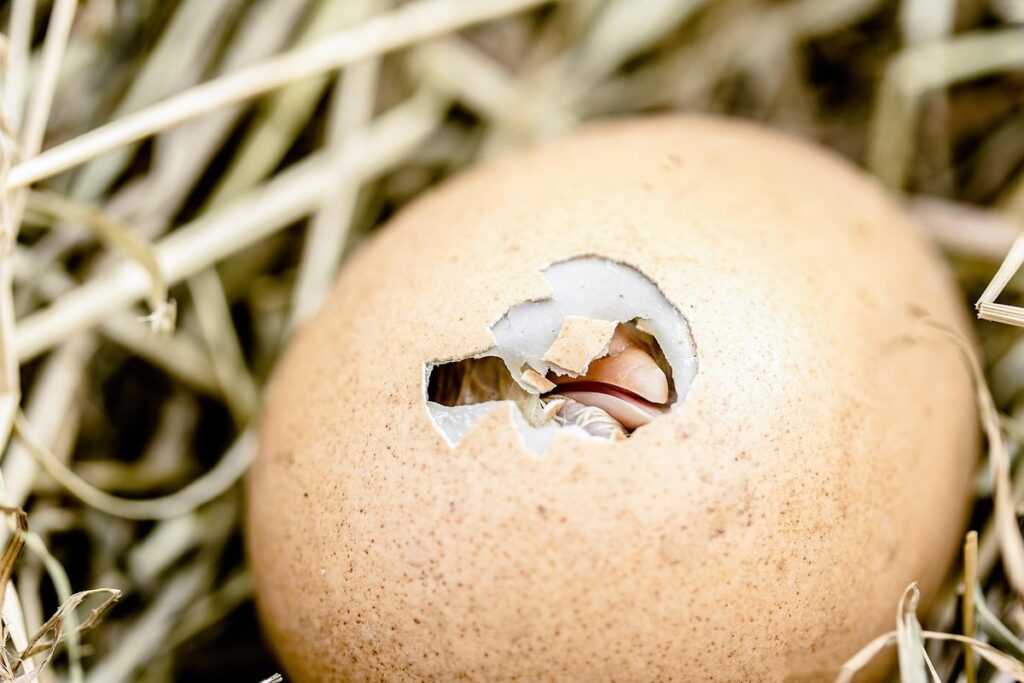
Understanding Incubation and Fertility
Let’s dive into the intricacies of incubation and fertility, where we’ll explore how to identify fertile eggs, ensure optimal temperature control, and promote healthy embryonic development. This understanding is key to a safe hatch.
Factors Affecting Fertility Rates
When it comes to helping a chick hatch safely, understanding the factors that affect fertility rates is crucial. You see, fertility rates are not just about the breeder’s quality or experience; there are several other key factors at play.
First and foremost, egg quality plays a significant role in determining fertility rates. Fresh eggs from healthy hens are more likely to yield viable embryos than older or damaged eggs. For instance, if an egg is cracked or has visible blood spots, it may not be suitable for incubation.
The age of the breeder also impacts fertility rates. Hens typically reach their peak reproductive years between 2-4 years old, and their egg-laying capacity gradually decreases after that. If you’re using eggs from older hens, they may have lower fertility rates.
Environmental conditions can also affect fertility rates. For example, if your incubator’s temperature or humidity levels are not optimal, it can lead to poor embryonic development and reduced hatchability. Maintaining a clean and controlled environment is essential for achieving high fertility rates. Regularly cleaning the incubator, monitoring temperature and humidity levels, and ensuring proper ventilation will help create an optimal environment for hatching.
Additionally, factors such as stress levels in the breeder flock, nutrition, and health status can also impact fertility rates. By addressing these underlying issues and maintaining a healthy breeder flock, you can improve fertility rates and increase your chances of successful hatchings.
Choosing the Right Incubator for Hatching
Choosing an incubator that meets your specific needs is crucial for hatching chicks safely. There are several types of incubators available, each with its own unique features and benefits.
Digital Incubators: These modern devices use advanced technology to monitor temperature, humidity, and egg turning. They often come with built-in alarms and automated systems to alert you when something goes wrong. For example, the HovaBator Genius is a popular digital incubator that uses sensors to track temperature fluctuations and alerts you via Wi-Fi.
Automatic Incubators: These incubators can perform multiple tasks simultaneously, such as turning eggs and maintaining humidity levels. They often require less maintenance than manual incubators but may be more expensive. Some automatic incubators also come with built-in egg turners and alarms.
Consider the number of eggs you plan to hatch, your budget, and the level of maintenance you’re willing to perform when choosing an incubator. It’s essential to research different models, read reviews from other users, and understand their features before making a purchase. Look for incubators with adjustable temperature settings, humidity control, and egg turning mechanisms to ensure optimal conditions for hatching chicks safely.
Preparing the Eggs for Incubation
Before placing eggs under the heat of your incubator, it’s crucial to carefully prepare them for a safe and healthy hatching process. This involves gently cleaning and handling the eggs to prevent contamination.
Candling and Egg Inspection
Candling and egg inspection are crucial steps in preparing eggs for incubation. It’s essential to inspect each egg carefully before placing it under the heat of the incubator, as hidden cracks or abnormalities can prevent successful hatching.
To begin candling, hold the egg up to a bright light source. This will allow you to see through the shell and evaluate the embryo inside. A healthy embryo should appear red or pink, with visible blood vessels. If the embryo appears dark or is not visible at all, it may be a sign that the egg is not fertile.
When inspecting eggs for cracks, look for any visible fissures or weaknesses in the shell. Gently rotate the egg to check for any imperfections. Cracked eggs can lead to water loss and put the embryo at risk of dehydration. If you notice any issues during inspection, it’s best to err on the side of caution and discard the egg.
Take your time when inspecting each egg, as this process is critical in ensuring a safe and successful incubation.
Cleaning and Sanitizing the Eggs
Cleaning and sanitizing the eggs is an essential step in preparing them for incubation. It’s crucial to remove any dirt, bacteria, or other contaminants that may be present on the eggshell, as these can lead to embryo death or other health issues during development.
To clean the eggs, gently wipe them with a soft-bristled brush and mild soap solution. Avoid using harsh chemicals, abrasive materials, or excessive water, which can damage the eggshell or compromise its integrity. A mixture of 1 tablespoon of white vinegar in 2 cups of water is an effective cleaning agent that can help remove dirt and bacteria without harming the embryo.
Once cleaned, rinse the eggs thoroughly with clean water to remove any soap residue. To sanitize the eggs, submerge them in a solution of 1 part chlorine bleach to 10 parts water for 5-7 minutes. After sanitizing, rinse the eggs again with clean water to ensure they are free from any chlorine residue. This process will help eliminate any remaining bacteria and contaminants that may be present on the eggshell, increasing the chances of healthy hatching.
Setting Up the Incubator and Maintaining Temperature
Before the chick can hatch, you’ll need to set up a safe and stable environment for it inside an incubator. This involves precise temperature control.
Understanding the Ideal Temperature Range
When it comes to incubating eggs, temperature control is crucial for successful hatching. The ideal temperature range for incubating eggs falls between 99°F (37.2°C) and 100.5°F (38°C), with most incubators operating at around 100°F (37.8°C). Maintaining a consistent temperature within this range is vital, as fluctuations can lead to poor or failed hatch rates.
A temperature variation of just 1-2 degrees Fahrenheit can significantly impact the development of the embryo. For example, if the temperature drops by 2°F (1.1°C) on Day 7 of incubation, it can cause developmental delays and potentially affect the chick’s overall health. Conversely, a sudden increase in temperature can lead to excessive moisture inside the egg, causing the embryo to drown.
To ensure consistent temperatures, regularly monitor your incubator’s thermometer and adjust as needed. It’s also essential to place the incubator away from direct sunlight, radiators, or other heat sources that could cause temperature fluctuations. By maintaining a stable environment within the ideal temperature range, you’ll significantly increase the chances of successful hatching and a healthy chick.
Using Thermometers and Hygrometers
Monitoring temperature and humidity levels is crucial to ensure a safe and successful hatch. To do this effectively, you’ll need to invest in a few essential tools: thermometers and hygrometers.
There are two main types of thermometers you can use: digital and analog. Digital thermometers provide accurate readings within seconds, while analog thermometers require manual reading, which can be less precise but more affordable. Whichever type you choose, ensure it’s placed inside the incubator, ideally in a location that won’t come into contact with the eggs or other equipment.
Hygrometers measure humidity levels, which is equally important as temperature control. Aim for a humidity level between 45-55% during incubation. Some hygrometers can also measure temperature, so consider investing in an all-in-one device. Place the hygrometer in the same location as the thermometer for accurate readings.
Regularly check both devices to ensure your incubator is within the optimal range (99-100°F or 37-38°C and 45-55% humidity). This will give you peace of mind and increase the chances of a successful hatch.
Providing Proper Humidity and Turning
To ensure a successful hatch, it’s crucial to maintain proper humidity levels and carefully turn your eggs as they incubate. This helps promote even development and prevents complications.
Maintaining Optimal Humidity Levels
Maintaining optimal humidity levels is crucial during incubation as it affects the chick’s development and survival. The ideal range for humidity varies depending on the stage of incubation, but generally falls between 30% to 60%. It’s essential to adjust the humidity settings accordingly to prevent extreme fluctuations.
For example, during the first 18 days of incubation, maintain a relatively low humidity level (around 40%) to allow for proper air circulation and moisture evaporation. As the chick develops further and prepares for hatching (days 19-21), increase the humidity to around 50-60% to mimic the conditions inside an egg.
To adjust your incubator’s humidity settings, consult the user manual or manufacturer’s guidelines. Some incubators have a built-in humidistat that automatically adjusts the misting system or ventilation rate based on the set point. If not, use a hygrometer to monitor the humidity levels and manually adjust the settings as needed.
Remember, maintaining stable and optimal humidity levels is key to successful chick hatching.
Turning and Handling the Eggs
Turning and handling eggs gently is crucial to prevent breakage and ensure even hatching. When turning the eggs, make sure to handle them by the large end, as this provides the most support. Hold the egg firmly but not too tightly, with one hand supporting the small end and the other hand guiding the large end.
When rotating the eggs, do so every 2-3 hours during the first 18 days of incubation. This helps to prevent the chick from becoming stuck to the shell membrane or developing in an abnormal position. For example, if you’re using a turner, set it to rotate the eggs at least once an hour.
To handle the eggs safely, always keep your hands clean and dry before touching them. Wash your hands with soap and water, then dry them thoroughly with a lint-free cloth. This prevents any bacteria or moisture from transferring to the egg, which could lead to contamination or hatching problems.
Monitoring Progress and Troubleshooting Issues
Now that you’ve got your eggs incubating, it’s essential to regularly check on their progress for any signs of trouble. This includes monitoring temperature, humidity, and embryo development.
Recognizing Signs of Embryonic Development
Recognizing signs of embryonic development is crucial to ensure that your chick hatches safely and healthily. As the embryo develops inside the egg, you’ll notice various physical changes that indicate its progress. One of the earliest signs is the formation of feathers, which start as tiny quills or points. Look for these emerging from the surface of the egg, usually around 10-12 days into incubation.
As development progresses, you may observe the beak forming, starting as a small bump on the end of the upper mandible. This will eventually become more pronounced and visible. Another significant sign is the growth of claws, which appear as tiny bumps or nodules on the ends of the developing chick’s wings and legs.
Keep in mind that these changes can be subtle, so it’s essential to observe your egg regularly, ideally daily, to catch any signs of development. Remember, embryonic development can be affected by various factors, including temperature fluctuations, humidity levels, and even the position of the egg inside the incubator. If you notice any unusual or alarming signs, consult with an experienced breeder or poultry expert for guidance.
Identifying and Resolving Common Issues
As you carefully monitor the incubation process, it’s essential to be aware of common issues that may arise and affect the safe hatching of your chick. Temperature fluctuations are a significant concern, as chicks are extremely sensitive to temperature changes. A sudden drop or rise in temperature can cause stunting, weakness, or even death. To mitigate this risk, ensure that your incubator is calibrated accurately, and maintain a consistent temperature within 1-2°F of the recommended range.
Low humidity levels can also be detrimental to chick development. Chicks need a humid environment to breathe and absorb moisture from their eggs. If the incubation chamber becomes too dry, it can cause the chicks’ lungs to develop abnormally or even lead to respiratory problems. Keep your incubator covered with a damp cloth or use a humidifier to maintain a humidity level between 50-60%.
Regularly check your incubator’s temperature and humidity levels to prevent these common issues from arising.
Assisting with Hatch and Aftercare
Once the eggs have hatched, it’s essential to provide gentle care and attention to ensure the chicks’ safe transition into their new environment. This section will cover crucial after-hatch procedures to promote healthy growth.
Preparing for the Hatching Process
Preparing for the hatching process is crucial to ensure a safe and successful emergence of the chicks. A few days before the expected hatch date, make sure you have all the necessary equipment ready, such as a brooder, heat lamp or ceramic heat emitter, food, water, and a thermometer. Create a safe environment by providing a quiet and draft-free space for the eggs to incubate. Move any nearby animals or pets to minimize stress on the parent hen and reduce the risk of disturbance.
It’s also essential to maintain a consistent temperature between 99-100°F (37-38°C) during this period, as fluctuations can affect the development of the embryo. Ensure proper ventilation in your brooder by opening windows or using an exhaust fan to prevent the buildup of carbon dioxide. Keep an eye on the eggs’ moisture levels and mist them gently if needed to maintain humidity.
By taking these precautions, you’ll be well-prepared for the hatching process and can minimize any potential risks that may arise.
Providing Post-Hatch Care and Nutrition
Once you’ve helped the chick hatch safely, it’s essential to provide proper post-hatch care and nutrition. Newly hatched chicks are fragile and require careful attention to thrive.
Start by placing the chick in a warm, draft-free area with adequate ventilation. The ideal temperature for young chicks is around 90-95°F (32-35°C), which will help them regulate their body heat. Make sure the brooder or incubator has a secure lid to prevent the chick from escaping.
When it comes to feeding, provide a high-quality starter feed specifically formulated for young chicks. You can place the feeder near the chick’s beak, but ensure the food is not too deep in the trough to avoid straining their necks. Offer fresh water at all times, and make sure the chick has access to both food and water simultaneously.
For hydration, mist the brooder with warm water daily, or provide a shallow dish of water for the chick to drink from. This will help maintain moisture levels and encourage drinking habits from an early age. Monitor your chick’s eating and drinking habits closely, and adjust their environment as needed to ensure optimal growth and development.
Frequently Asked Questions
How can I ensure accurate temperature control for optimal hatching success?
Accurate temperature control is crucial for successful hatching. To ensure this, invest in a reliable thermometer specifically designed for incubation purposes. Calibrate the thermometer regularly to guarantee precise readings. Additionally, maintain a consistent temperature range within 0.5-1°F of the ideal temperature (usually between 99.5-100.5°F) throughout the incubation period.
What are some common mistakes that can lead to failed hatches or chick mortality?
Some common mistakes include incorrect egg handling, inadequate humidity levels, and poor incubator maintenance. Ensure you’re turning eggs correctly, maintaining optimal humidity levels (around 50-60%), and regularly cleaning the incubator to prevent bacterial growth. Proper aftercare is also vital; make sure you’re providing a clean, draft-free environment for your newly hatched chicks.
How can I determine if an egg is fertile without specialized equipment?
Determining fertility without specialized equipment requires observation and knowledge of embryonic development. Look for signs such as pipping or the emergence of the beak. Alternatively, candle the eggs at different stages to observe movement inside. However, these methods may not guarantee 100% accuracy; consider investing in a candling light or using an ovoscope for more precise fertility assessment.
What are some natural indicators that an egg is fertile?
Eggs from healthy hens and with intact reproductive systems often exhibit increased fertility rates. Eggs laid by younger hens tend to have higher fertility compared to those from older birds. Also, the appearance of eggs can provide clues; well-nourished hens will typically produce eggs with stronger shells and clearer whites.
How long should I wait before transferring newly hatched chicks to a brooder or separate enclosure?
After hatching, it’s essential to ensure the safety and health of your baby birds. Transfer them to a warm, draft-free brooder (around 90-95°F) within the first few hours after hatching. Keep the brooder clean and provide adequate food and water at all times. This initial transition period is critical for their survival and adaptation to their new environment.