
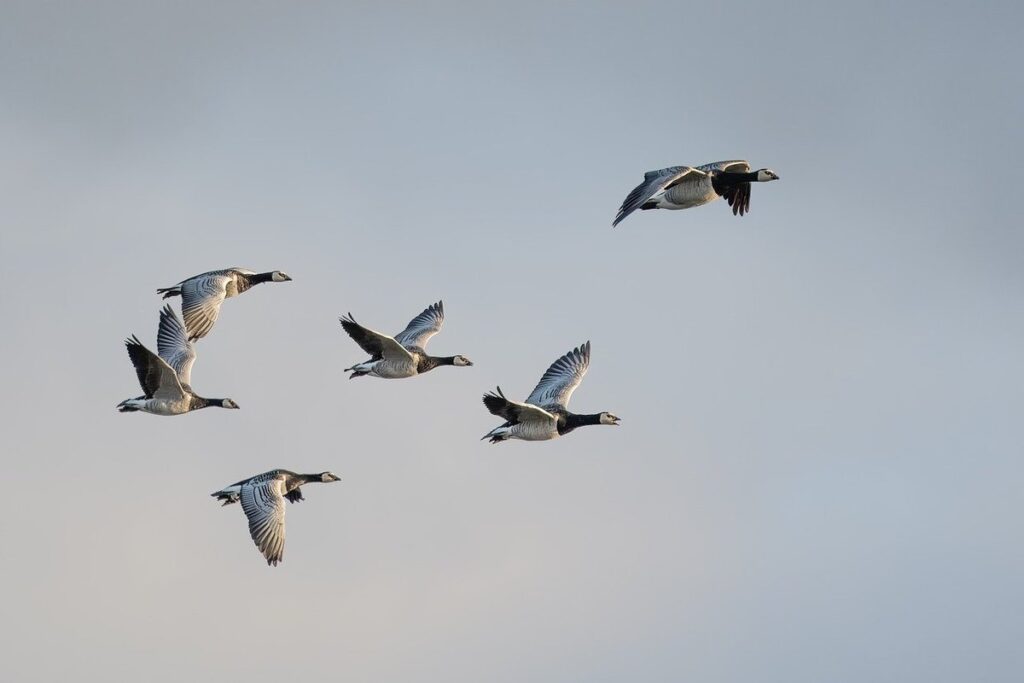
If you’re a homeowner or landowner dealing with geese on your property, you know how challenging their behavior can be. From aggressive hissing to messy droppings, managing goose behavior is crucial for maintaining a peaceful and healthy environment. But did you know that understanding flock dynamics plays a significant role in effective management? Geese are highly social animals that thrive in groups, and their behavior is influenced by their interactions with each other. In this article, we’ll delve into the world of goose behavior and explore strategies for managing flock dynamics to create a harmonious and healthy geese community. We’ll cover essential tips on understanding goose body language, implementing effective deterrents, and promoting a balanced ecosystem that meets the needs of both humans and geese.
Understanding Goose Behavior
When it comes to understanding goose behavior, knowing what drives their actions and decisions is crucial for effective flock management. Let’s dive into some essential insights on goose psychology and behavior patterns.
Social Structure of Geese Flocks
When it comes to social structure, geese flocks are surprisingly complex and dynamic. In fact, research has shown that a typical goose flock can consist of anywhere from 10 to several hundred birds, all working together to achieve their common goals.
At the heart of every geese flock is a strict hierarchy, with dominant individuals establishing a clear pecking order. This dominance is not just about aggression or intimidation; it’s also about access to resources such as food and water. Dominant geese will often claim prime feeding spots and take precedence over subordinate birds in accessing these valuable resources.
Within this hierarchy, submissive geese will learn to recognize and respect their place. They’ll know when to yield to dominant individuals and avoid confrontations. In fact, submissive behavior is an important aspect of maintaining social harmony within the flock.
One practical tip for managing goose flocks with a strong social structure is to establish clear boundaries and rules from the outset. By setting expectations and enforcing them consistently, you can help maintain a balanced hierarchy and prevent conflicts from arising. This might involve separating dominant birds during feeding times or providing separate areas for different age groups within the flock.
It’s also worth noting that while geese flocks have a natural pecking order, human intervention can sometimes disrupt this balance. For example, introducing new birds to an existing flock without proper acclimation and introduction protocols can lead to confusion, aggression, and even injury. By being mindful of these dynamics and taking steps to maintain social harmony, you can create a thriving and harmonious goose flock that’s a joy to manage.
Communication Methods in Geese Flocks
Geese are highly social creatures that thrive on communication within their flocks. They use various methods to convey important information to each other, ensuring the group’s cohesion and coordination. One of the primary means of communication among geese is vocalizations. These birds produce a range of sounds, from soft honks to loud hisses, to alert others to potential threats or signal excitement during foraging.
In addition to vocalizations, geese also rely on visual displays to convey messages. They use body language, such as spreading their wings or raising their heads, to signal aggression or courtship intentions. Even the way they move and arrange themselves in relation to each other can communicate a great deal about dominance hierarchies and social bonds.
To effectively manage your flock, it’s essential to recognize these communication cues. Observe how geese interact with each other and respond accordingly. By acknowledging and respecting their methods of communication, you’ll be better equipped to understand and address potential issues within the group.
Goose Behavioral Adaptations
Geese have evolved remarkable behavioral adaptations that enable them to survive and thrive in diverse environments. One of their most impressive feats is migration – a complex process involving precise timing, navigation, and coordination with other geese. For example, Canadian Geese migrate from Canada to the southern United States each year, traveling over 3,000 miles round-trip.
In addition to migration, geese have developed effective foraging strategies that allow them to exploit various food sources. They are opportunistic feeders, adapting their diet to whatever is available in their environment. For instance, they will forage on grasses, aquatic plants, and even crops like wheat and oats.
When faced with predators, geese employ a range of defense mechanisms. They use their loud honking calls to alert other geese and potential threats, while also engaging in aggressive displays to protect themselves and their young. In some cases, they will even mob predators, working together to chase them away. By understanding these adaptations, flock managers can develop effective strategies for coexisting with geese and minimizing conflicts.
Flock Management Strategies
Effective flock management is crucial for maintaining a harmonious and healthy goose community, which is where we’ll dive into some practical strategies to help you manage your flock. Let’s explore some essential tips together.
Establishing a Strong Leader-Follower Dynamic
Establishing a clear leader-follower hierarchy within your goose flock is crucial for maintaining stability and reducing conflict. When geese establish a hierarchical structure, it allows them to communicate effectively with each other through subtle cues such as feather ruffling, honking, and positioning.
To promote a stable leader-follower dynamic, start by introducing a dominant goose to the flock. This can be done by introducing a new, experienced bird to your existing group. Observe how the geese interact with each other and note which birds seem to take charge naturally.
Avoid separating family members or long-time companions, as this can disrupt the social bonds within the flock. Also, ensure that the dominant goose is respected by the rest of the flock through consistent behavior. If you notice aggression from other birds, intervene promptly to prevent injuries.
Managing Conflict and Dominance Issues
When managing a goose flock, it’s not uncommon to encounter conflicts over dominance and resource competition. These issues can lead to stress, injury, and even the breakdown of social structures within the group.
Common causes of conflict among geese include territorial disputes, mating and breeding hierarchies, and competition for food and water resources. Dominance struggles often arise when introducing new birds to an existing flock or during mating season.
To mediate these disputes, establish a clear pecking order by observing and separating dominant birds from subordinate ones. Provide separate enclosures for males and females during the breeding season to reduce aggression towards each other.
Encourage resource competition by installing multiple feeding troughs and water sources to prevent overcrowding around these areas. Monitor flock dynamics regularly to intervene early in case of emerging conflicts. Implementing these strategies can help maintain harmony within your goose flock, reducing stress and promoting a healthy social environment.
Flock Size and Composition
When it comes to determining the optimal flock size and composition for your geese, several factors come into play. The amount of space you have available is a crucial consideration – a general rule of thumb is to provide at least 10-15 square feet per bird, but this can vary depending on the breed and climate. In addition to physical space, it’s essential to consider the resources your geese will require, such as food, water, and shelter.
You’ll also need to think about the age and sex distribution of your flock. A mix of adult birds and goslings is ideal, but you should avoid overcrowding by ensuring that you have enough space for all birds to grow and thrive. For example, if you’re raising goslings from scratch, start with a small group of around 5-10 and gradually increase the size as they mature.
In terms of breed diversity, a flock composed of multiple breeds can be beneficial as it provides a natural balance of genetic traits and reduces susceptibility to disease. However, ensure that you research any potential breed combinations carefully to avoid introducing aggressive or incompatible birds into your flock. Ultimately, the key to successful flock management is flexibility – being willing to adjust your approach based on changing circumstances will help you create a harmonious and healthy flock.
Environmental Enrichment and Stimulation
Providing geese with a stimulating environment is crucial for their physical and mental well-being, so let’s explore some creative ideas to enrich your flock.
Providing Adequate Space and Exercise
Providing geese with adequate space to roam is crucial for their physical and mental well-being. Geese are social animals that thrive on movement and exercise, which helps them maintain a healthy weight, reduce stress, and prevent behavioral problems. A minimum of 10-15 square feet per bird should be allocated in enclosures, but this can vary depending on the size and breed of the geese.
Designing enclosures with sufficient space for exercise is also essential. Geese need room to stretch their wings, run, and engage in natural behaviors like foraging and exploring. A well-designed enclosure should include features such as grassy areas, water pools, and obstacles that encourage movement and activity. For example, a long, narrow corridor or a “goose agility course” with tunnels and ramps can provide geese with an engaging way to exercise.
When designing enclosures, consider the breed, age, and health of your geese when determining space requirements. It’s also essential to provide enough space for multiple birds to move around comfortably without feeling crowded. By prioritizing physical needs, you’ll not only ensure the well-being of your geese but also promote mental stimulation and reduce stress in the flock.
Offering a Diverse Diet and Foraging Opportunities
Providing geese with a diverse diet is essential for their overall health and well-being. In the wild, geese are known to eat a wide variety of plants, grasses, fruits, and insects, so it’s crucial to replicate this natural diet in captivity. A balanced goose diet should include high-quality grains, vegetables, fruits, and aquatic plants. Avoid over-reliance on commercial goose feed, which can be high in fillers and low in nutritional value.
To create engaging foraging experiences, try mimicking the geese’s natural behavior by incorporating hiding spots and surprises into their feeding routine. For example, you can bury treats or grains around the enclosure to encourage searching and pecking behavior. Alternatively, offer a variety of fruits and vegetables, such as apples, carrots, and leafy greens, in different locations throughout the enclosure.
Consider creating a “foraging zone” by scattering food items on the ground or hiding them among branches, allowing geese to forage naturally. This will not only stimulate their senses but also promote exercise and social interaction within the flock.
Health Considerations and Biosecurity
When managing a flock of geese, it’s essential to consider their health and biosecurity to prevent the spread of diseases that can affect both your birds and other wildlife in the area. This includes taking steps to safeguard against avian flu and other potential threats.
Preventing Disease Transmission
When managing geese flocks, maintaining good biosecurity and preventing disease transmission are crucial to ensure the health and well-being of your birds. Avian influenza and respiratory infections are common issues affecting geese flocks worldwide.
To prevent disease transmission, make sure to provide a clean and safe living environment for your geese. This includes regular cleaning and disinfection of enclosures, feeders, and waterers. You should also maintain proper ventilation in the area where the geese are housed to reduce the risk of airborne pathogens.
In addition to maintaining cleanliness, it’s essential to implement good hygiene practices when handling the birds or their droppings. Wear protective clothing, including gloves and masks, when interacting with the flock, and make sure to wash your hands thoroughly afterward. It’s also a good idea to quarantine new birds before introducing them to the main flock.
If you’re managing multiple flocks, consider implementing a robust vaccination program to protect against common diseases affecting geese. Regular monitoring of the birds’ health and behavior can help detect potential issues early on, allowing for prompt action to be taken. By following these guidelines, you can minimize the risk of disease transmission in your goose flock.
Recognizing Signs of Stress and Fatigue
Recognizing signs of stress and fatigue is crucial for maintaining the health and well-being of your geese. A stressed or fatigued goose can be more prone to disease, poor feather condition, and even aggression towards other birds. Some common indicators of stress and fatigue include:
* Prolonged pacing or restlessness
* Feather plucking or excessive preening
* Changes in appetite or water intake
* Withdrawal from social interactions
* Increased vocalization or honking
When observing your flock, pay attention to these subtle cues and assess the overall health and behavior of each bird. It’s also essential to maintain a clean and safe living environment, providing adequate space, shelter, and nutritious food.
To mitigate stress and fatigue, ensure that your geese have access to:
* A minimum of 10-15 square feet per bird for roaming and exercise
* Adequate water quality and hygiene practices
* Balanced nutrition with regular feeding schedules
* Suitable shelter from wind, rain, or extreme temperatures
Regular monitoring and attention can help identify potential issues early on, allowing you to take corrective action and prevent more severe problems.
Conclusion and Next Steps
Now that you’ve learned how to manage goose behavior and maintain a healthy flock, let’s summarize key takeaways and discuss next steps for long-term success.
Reviewing Key Takeaways
As you’ve now made it through our comprehensive guide on goose behavior and flock management, let’s take a moment to review the key takeaways. Remember, effective flock management is not just about understanding goose behavior, but also implementing practical strategies that promote harmony between humans and geese.
Key considerations for successful flock management include recognizing dominance hierarchies, respecting personal space, and creating safe feeding areas. These may seem like minor details, but they play a crucial role in maintaining order within the flock. For instance, when introducing new birds to an existing flock, it’s essential to follow a gradual introduction process to prevent territorial disputes.
Additionally, identifying triggers for aggressive behavior is vital. By recognizing common causes of aggression, such as habitat loss or human interaction, you can develop targeted strategies to mitigate these issues. This might involve creating alternative habitats or implementing deterrents to discourage geese from interacting with people in areas where they may feel threatened or harassed. By following these steps and reinforcing good flock management practices, you’ll be well on your way to establishing a peaceful coexistence between humans and geese.
Implementation and Monitoring Plans
Developing an Implementation Plan is crucial to successfully managing geese and their behavior. Start by identifying specific goals for each location where you’re dealing with goose issues, such as reducing droppings on a particular park lawn.
Create a timeline for implementing the strategies discussed in this guide, including tasks like installing deterrents or modifying water sources. Consider setting short-term (monthly) and long-term (quarterly) objectives to measure progress.
To monitor your plan’s effectiveness, establish metrics for tracking changes in goose behavior and any resulting benefits, such as reduced droppings or less aggressive interactions with humans. Regularly review these metrics to identify areas where adjustments are needed and make necessary modifications.
Keep a record of your observations, noting both successes and challenges encountered during implementation. This will help you refine your approach over time and ensure the strategies employed continue to be effective in addressing goose behavior concerns.
Frequently Asked Questions
How do I identify a dominant goose in my flock?
A dominant goose is often larger, more aggressive, or has established a clear pecking order within the flock. Observe the geese’s behavior, such as which bird leads the way during foraging or territorial disputes. By identifying the dominant individual, you can tailor your management strategies to address its specific needs and behaviors.
Can I intervene in conflict between two dominant geese?
Yes, it’s essential to address conflicts promptly to prevent long-term damage to the flock’s social structure. Monitor the situation closely and separate the birds if necessary. However, be cautious not to disrupt the natural hierarchy, as this can lead to further stress and aggression.
How do I know if my goose flock is too large or too small for its environment?
Flock size can impact the health and well-being of both humans and geese. Consider factors such as available space, food, water, and shelter when determining an optimal flock size. Research local regulations and consult with experts to ensure your flock’s needs are met.
What are some signs that my geese are stressed or experiencing fatigue?
Keep an eye out for changes in appetite, droppings quality, or unusual behavior such as pacing or excessive preening. Regularly monitor the geese’s living conditions, including temperature, humidity, and noise levels, to prevent stress and promote a healthy environment.
Can I introduce new geese to an existing flock without disrupting the social hierarchy?
Yes, introducing new birds can be challenging but manageable with careful planning. Research proper introduction techniques, such as gradual exposure and controlled interaction, to minimize disruption and ensure a smooth transition for both the new and established geese.