
Are you new to keeping quails as pets? Congratulations on taking the first step towards bringing these charming birds into your life! Setting up a quail cage can seem overwhelming, especially with so many factors to consider. Choosing the right breed, selecting an ideal cage size, understanding their dietary needs, and maintaining proper hygiene are all crucial aspects of creating a happy and healthy environment for your feathered friends.
In this article, we’ll guide you through the essential steps of setting up a quail cage like a pro! We’ll cover the must-haves, dos, and don’ts to ensure that you’re providing the best possible care for your quails. From choosing a suitable breed to maintaining optimal hygiene, our expert advice will help you create a thriving quail flock in no time. Whether you’re a seasoned bird enthusiast or just starting out, this article is perfect for beginners looking to get started with raising happy and healthy quails.
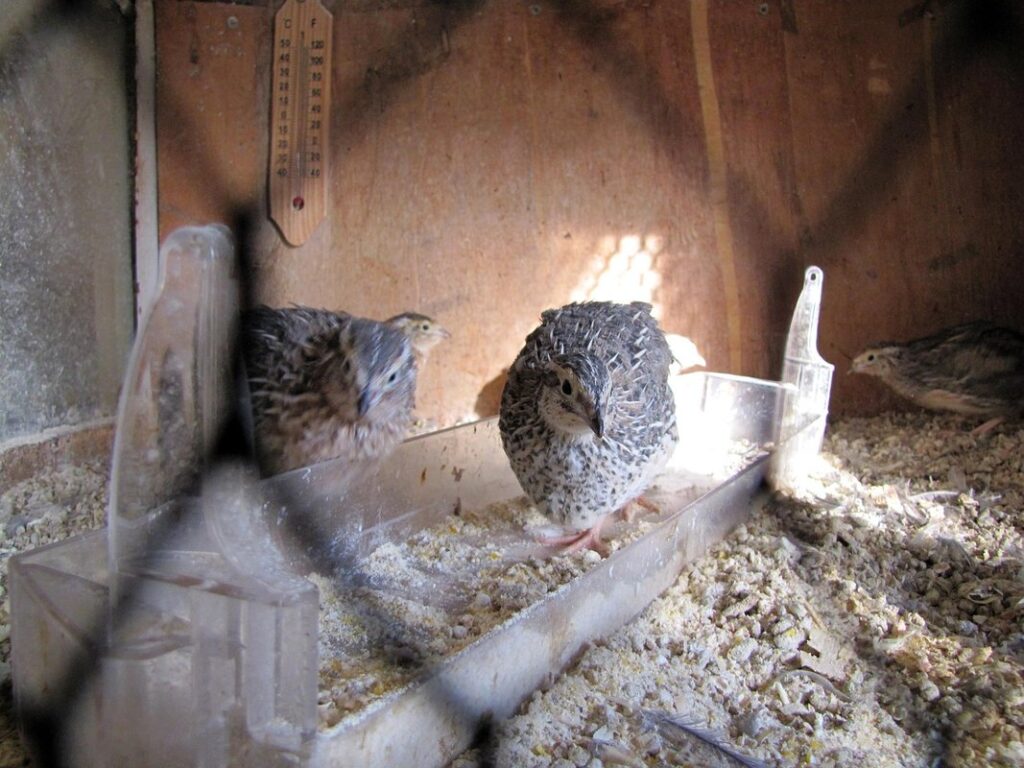
Choosing the Right Quails for Your Cage
When setting up a quail cage, selecting the right bird species is crucial to ensure their health and happiness. This decision will greatly impact your overall experience as a beginner quail owner.
Factors to Consider When Selecting Quail Breeds
When it comes to setting up a quail cage, one of the most crucial decisions you’ll make is choosing the right breed. With over 30 recognized species of quails, each with its unique characteristics and requirements, selecting the perfect breed can be overwhelming for beginners.
Let’s start by understanding the main categories of quail breeds: large, medium, and small. Large quails, such as the Button Quail or Japanese Quail, are known for their friendly nature and relatively easy-to-care-for temperament. However, they require more space to move around and may be noisier than smaller breeds.
Medium-sized quails like the Blue-breasted Quail or Red-necked Quail are a great middle ground, offering a balance between size and ease of care. They’re generally quieter than large quails but still enjoy some exercise. Small quails, such as the King Quail or Coto Quail, are ideal for small cages or beginners who want low-maintenance pets.
When selecting a breed, consider factors like space constraints, noise level, and your willingness to handle them regularly. Some breeds require frequent handling to maintain their well-being, while others may be more independent. Researching the specific needs of each breed will help you make an informed decision that suits your lifestyle and cage setup.
Understanding Quail Lifespan and Laying Habits
When choosing quails for your cage, it’s essential to consider their average lifespan and laying habits. This will help you plan for the long-term care and management of your flock.
The average lifespan of quails varies depending on the breed, but most species live between 5-7 years. For example, Button quails can live up to 6 years, while Japanese quails have a shorter lifespan of around 4-5 years. It’s crucial to research the specific breed you’re interested in and understand their expected lifespan.
Quail laying habits also vary by breed. Some quails, like the Chinese quail, are prolific layers and can produce up to 300 eggs per year. Others, such as the Button quail, lay fewer eggs, around 100-150 per year. It’s essential to consider your needs and whether you want a flock that provides a steady supply of eggs or not.
To plan accordingly, it’s recommended to have at least two quails per cage, so if one stops laying eggs, the other can continue to provide for your needs.
Cage Size and Equipment Essentials
To ensure a happy and healthy quail flock, it’s essential to set up a spacious cage that meets their needs for movement and exercise. Here, we’ll cover the must-haves for a well-equipped quail enclosure.
Minimum Cage Space Requirements
When it comes to setting up a quail cage, providing sufficient space is crucial for the health and well-being of your birds. The minimum cage space requirements for quails are essential to ensure they have room to move around comfortably.
As a general rule, a good starting point for quail cages is to provide at least 2-3 square feet of floor space per bird. However, this can be adjusted based on the breed and size of your quails. For example, if you’re raising Japanese quails, which are smaller in size, you may get away with 1.5 square feet per bird.
It’s also important to consider the vertical space in your cage. Quails love to climb and perch, so make sure to include multiple layers or bars for them to exercise on. Aim for a minimum of 2-3 tiers of perches, spaced about 6 inches apart.
A well-designed quail cage should have ample room for movement, nesting boxes, food and water dishes, and other essential equipment. By allocating sufficient space, you’ll create a stress-free environment that promotes the health and happiness of your feathered friends.
Nesting Boxes and Roosts: Essential Equipment
When it comes to setting up a quail cage, many beginners overlook two crucial pieces of equipment: nesting boxes and roosts. These seemingly simple additions can make a world of difference in the health, happiness, and egg-laying performance of your birds.
Nesting boxes are essential for providing a safe and private space for quails to lay their eggs. A good rule of thumb is to provide one nesting box per 5-7 quails. The box should be at least 6 inches long, 4 inches wide, and 2 inches high. Line the box with soft material like wood shavings or hay to ensure your birds’ comfort.
Roosts are where your quails will spend most of their time roosting (resting) during the day. A sturdy branch or a dedicated roost bar can provide ample space for them to perch and stretch their wings. When selecting a roost, consider the age and size of your quails – juvenile birds need more support than adults.
For a beginner-friendly setup, consider adding both nesting boxes and roosts as soon as possible after introducing your quail flock. This will help minimize stress and ensure a smooth transition for all birds involved.
Quail Diet and Nutrition
When it comes to keeping quails healthy, knowing what to feed them is crucial. Let’s dive into the essential nutrients your feathered friends need to thrive in their new home.
Understanding Quail Feed Requirements
When it comes to feeding your quails, understanding their nutritional requirements is crucial. Quail feed can be categorized into commercial pellets and homemade diets. Commercial pellets are convenient and provide a balanced mix of nutrients, but they may contain additives that some breeders prefer to avoid.
Homemade diets, on the other hand, offer more control over what goes into your quails’ food. You can create a custom blend using ingredients like oats, barley, and vegetables. However, this option requires careful planning to ensure that your quails receive all necessary nutrients. A mix of 20% protein-rich foods (such as mealworms or sunflower seeds), 40% grains (like oats or barley), and 40% vegetables is a good starting point.
It’s essential to note that quail nutritional requirements differ from those of chickens, so don’t rely on chicken feed. Research local availability and consider purchasing online if necessary. When selecting commercial pellets, look for products specifically formulated for quails, and consult with other breeders or experts if you’re unsure about what works best for your flock.
Supplementing with Fruits and Vegetables
When it comes to supplementing your quail’s diet with fruits and vegetables, it’s essential to do so in moderation. A good rule of thumb is to provide 10-15% of their daily calories from fresh produce. This can be achieved by adding small amounts of chopped veggies or fruits to their feeding tray each day.
Some excellent options for quails include leafy greens like kale, spinach, and collard greens. You can also offer sliced carrots, apples, and berries as treats. However, avoid giving them too much citrus or high-sugar fruits, as these can cause digestive issues.
To ensure a balanced diet, make sure to introduce new foods gradually and in small amounts. Observe your quails’ reactions to different produce, and discontinue any items that cause discomfort or stress. Aim for variety by rotating through 5-7 different types of fruits and vegetables each week.
Remember, fresh produce should supplement their commercial pellets, not replace them entirely. Always prioritize a balanced pellet diet as the main source of nutrition for your quails.
Cage Setup and Hygiene
Now that you have your quail safely settled, let’s dive into the essential details of setting up their cage for optimal health and happiness. This includes a deep clean, fresh bedding, and proper ventilation.
Cage Layout and Partitioning Ideas
When designing your quail cage layout, it’s essential to prioritize functionality and ease of maintenance. A well-planned layout will not only ensure your quails’ health and happiness but also make caring for them a breeze.
Consider the size and breed of your quails when deciding on the cage dimensions. Larger breeds require more space to move around, while smaller breeds can thrive in smaller enclosures. Allocate enough floor space for your birds to stretch their wings and exercise comfortably – a general rule of thumb is at least 2-3 square feet per bird.
When it comes to partitioning, you’ll want to separate areas for feeding, watering, nesting, and roosting. A simple setup can include:
• A feeding station with removable trays
• A water dispenser or bowl placed above the feeding area to prevent contamination
• Nesting boxes – typically 1-2 per cage, depending on the number of birds
• Roosting bars where your quails can safely perch and rest
Remember, a clean and organized cage layout will make it easier for you to spot any potential health issues or behavioral problems.
Cleaning and Disinfecting the Cage
Cleaning and disinfecting the cage is an essential task to maintain a healthy environment for your quails. A dirty cage can lead to respiratory problems, stress, and even death. To keep your quails safe, you need to clean and disinfect their cage regularly.
First, remove all food and water dishes from the cage and wash them thoroughly with soap and warm water. Next, take out the quails and place them in a secure, escape-proof enclosure for at least 30 minutes while you clean the cage. Start by removing soiled bedding and replacing it with fresh, dry material like wood shavings or sand.
Use a solution of one part white vinegar to nine parts water to disinfect all surfaces, including the bars, walls, and floor. Scrub any stubborn stains or odors with a soft-bristled brush and rinse thoroughly. Allow the cage to air dry before returning your quails to their clean environment. Remember to repeat this process at least once a week, and more often if you notice an increase in droppings or uneaten food. By following these simple steps, you’ll be able to maintain a clean and healthy home for your beloved quails.
Health Considerations and First Aid
When setting up a quail cage, it’s essential to consider the health implications of your design choices. We’ll walk you through the key considerations to keep your feathered friends safe.
Common Quail Health Issues and Prevention
As you set up your quail cage, it’s essential to be aware of common health issues that can affect these small but vibrant birds. Quails are generally hardy animals, but they can still fall prey to various health problems if not provided with a safe and healthy environment.
One common issue is respiratory infections, which can be caused by dust, poor ventilation, or even bacterial contamination in the cage. Signs of respiratory infection include labored breathing, coughing, and wheezing. To prevent this, ensure good airflow by keeping the cage well-ventilated and cleaning it regularly. Use a HEPA air purifier to remove dust particles from the air.
Another issue is vitamin deficiencies, particularly calcium deficiency, which can cause soft eggshells and weakened bones in quails. Provide a balanced diet that includes a variety of fruits, vegetables, and grains, supplemented with a commercial quail feed. Make sure to provide fresh water at all times, as dehydration can exacerbate any health issues.
Keep an eye out for mites, lice, or other parasites, which can cause discomfort and stress in your quails. Regular cleaning and disinfecting of the cage will help prevent these pests. If you notice any signs of illness or infestation, consult a veterinarian experienced in caring for quails to get proper advice and treatment.
Basic First Aid Techniques for Quail Injuries
When dealing with injured quails, it’s essential to be prepared and know basic first aid techniques. Quails are prone to injuries from escaping, fighting, or getting caught in cage wires.
Common quail injuries include wing breaks, leg fractures, and eye damage. For a broken wing, gently wrap the quail’s wings with a soft cloth or paper towel to prevent further injury. However, if you’re not experienced, it’s best to seek professional help from a veterinarian familiar with birds.
For minor cuts or scratches, apply gentle pressure with a clean cloth until bleeding stops. You can also use an antibiotic ointment to prevent infection. For more severe injuries like leg fractures, the quail may need immobilization and medical attention.
In addition to treating injuries, maintaining a clean environment is crucial for preventing infections. Regularly clean and disinfect your quail’s cage, food, and water dishes. Provide a balanced diet and ensure access to fresh water at all times.
Monitoring and Maintaining Your Quail Flock
Now that you have your quail flock settled, let’s focus on monitoring their health and making sure their cage is well-maintained for optimal happiness. Regular checks will ensure your birds thrive in their new environment.
Tracking Laying Habits and Health
As you observe your quail flock’s behavior and health, it’s crucial to monitor their laying habits and identify potential issues. A healthy quail should lay around 280-300 eggs per year, but this can vary depending on factors like breed, diet, and living conditions.
To track your quail’s laying habits, create a simple chart or spreadsheet to record the number of eggs laid each day. This will help you identify patterns, such as peak egg-laying seasons or individual birds’ egg production rates. You’ll also want to keep an eye out for any deviations from normal behavior, like unusual pecking at their vents or lethargy.
Regularly inspect your quail’s droppings and overall physical condition to detect health issues early on. Look for signs of illness, such as watery droppings, labored breathing, or crusty eyes. Consult a veterinarian experienced in caring for quails if you notice any unusual symptoms. By monitoring your flock’s laying habits and health closely, you can provide the best possible care and make adjustments to their environment as needed.
Regular Cage Maintenance Schedules
To ensure your quail flock remains healthy and thriving, regular cage maintenance is crucial. It’s not just about providing food and water; you need to regularly clean the cage to prevent disease outbreaks and maintain a comfortable living environment for your birds.
Start by setting aside time each week for cleaning and maintenance. This can be as simple as changing the bedding material, removing soiled food and water containers, and disinfecting any surfaces with a quail-safe cleaning solution. It’s also essential to regularly check for signs of pests or diseases, such as mites, lice, or fungal infections.
Aim to deep clean your quail cage every 4-6 weeks by removing all bedding material, scrubbing the cage and accessories with a gentle detergent, and replacing everything with fresh bedding. This will help prevent bacterial and fungal growths that can harm your birds. Remember to always follow proper safety precautions when handling cleaning solutions and dispose of any waste responsibly.
By sticking to these regular maintenance schedules, you’ll be well on your way to creating a happy, healthy environment for your quail flock to thrive in.
Frequently Asked Questions
What if I already have a cage, but it’s not specifically designed for quails? Can I still use it?
You can still use an existing cage, but keep in mind that quails require more space and specific features like nesting boxes. Make sure to add or modify the cage layout to meet their needs.
How often should I clean and disinfect my quail cage, especially during times of sickness?
Clean and disinfect your quail cage daily by removing soiled bedding, cleaning food and water dishes, and sanitizing surfaces with a pet-safe solution. During times of illness, increase the frequency to every 2-3 days.
Are there any specific breeds that are better suited for beginners, or can I start with whatever species I like?
Yes! Some beginner-friendly quail breeds include Japanese Coturnix Quails, Button Quails, and Chinese Painted Quails. These breeds are relatively easy-going and adaptable to cage life.
Can I keep multiple types of quails together in the same cage, or should they be kept separate?
No, it’s not recommended to keep different species together, as they may have specific requirements or conflict with each other. Keep them separate to ensure their individual needs are met.
How long does it take for a newly hatched quail chick to reach maturity and start laying eggs?
Quails typically take around 6-8 weeks to mature after hatching. However, this timeline can vary depending on factors like breed, diet, and living conditions.