
Caring for your Coturnix quails can be a delightful experience, but it requires attention to their specific needs. These small birds are popular pets due to their friendly and social nature, but many new owners find themselves struggling to provide the right environment and nutrition. In this article, we’ll cover essential tips on coturnix quail care, including creating a suitable enclosure that meets their unique requirements. We’ll also dive into providing a balanced diet that ensures your birds stay healthy and thrive. Additionally, we’ll discuss common health issues that can arise if not addressed properly. By the end of this article, you’ll be well-equipped to provide top-notch care for your Coturnix quails, from feeding and breeding to keeping them happy and healthy in their enclosure.
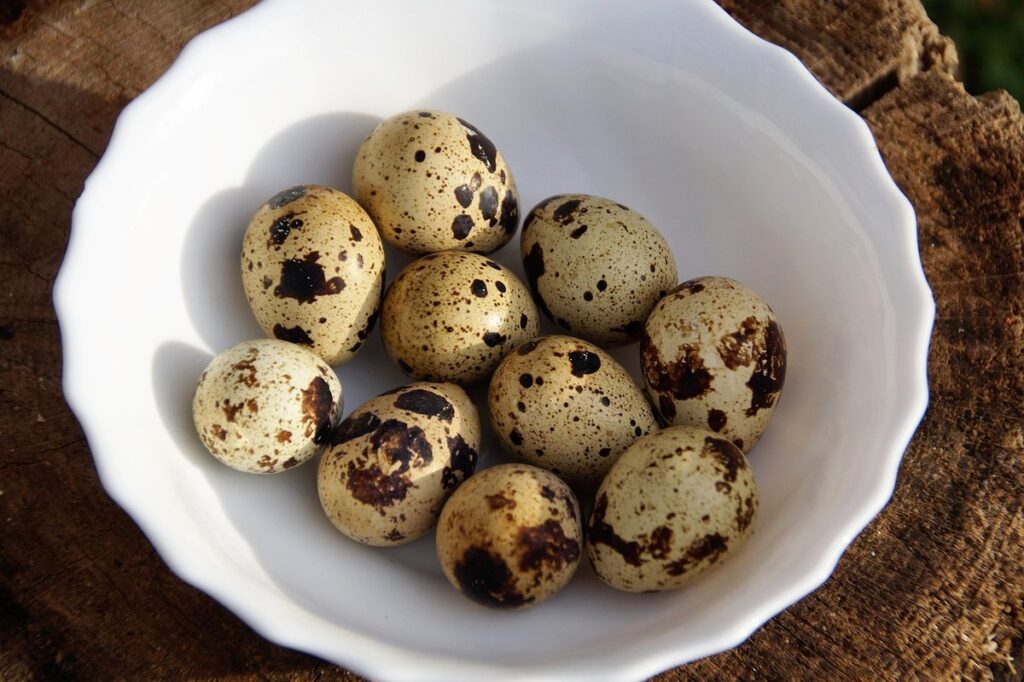
Choosing the Right Coturnix Quails
When it comes to selecting the perfect coturnix quail for your flock, there are several factors to consider, including temperament and feather quality. Let’s explore these key considerations together.
Introduction to Coturnix Quails
If you’re considering bringing home Coturnix quails as pets, you’ll be delighted to know that they make wonderful companions for both beginners and experienced bird owners. One of the primary reasons why these small birds are so popular is their friendly nature – they are social creatures that thrive on interaction and can become quite tame.
Coturnix quails are relatively low-maintenance pets compared to larger birds, requiring minimal space and a balanced diet. However, providing them with proper care and attention is essential for their overall health and well-being. To start off on the right foot, it’s crucial to research and understand the specific needs of these charming birds.
In this comprehensive guide, we’ll delve into the world of Coturnix quails, covering everything from their diet and habitat requirements to health issues and common behaviors. By understanding their unique characteristics and needs, you can provide your feathered friends with a happy and healthy home environment that they will love.
Selecting Healthy Quails
When selecting healthy coturnix quails, it’s essential to choose birds from a reputable breeder or supplier. A good starting point is to research the breeder’s reputation and reviews from other customers. Look for breeders who prioritize health and genetics, as this will impact the overall well-being of your birds.
Before making a purchase, inspect the quails in person. Healthy coturnix quails should have bright, clear eyes, clean nostrils, and a shiny, smooth plumage. Check for any signs of disease or injury, such as discharge from the eyes or nose, labored breathing, or unusual feather loss.
Be wary of breeders who offer quails at extremely low prices or make exaggerated claims about their birds’ health or productivity. These red flags can indicate that the breeder is prioritizing profits over animal welfare. Instead, look for breeders who provide detailed health guarantees and are transparent about their breeding practices. By taking the time to research and select healthy quails, you’ll set your birds up for a long and thriving life in your care.
Housing Coturnix Quails
When it comes to providing a comfortable home for your coturnix quails, proper housing is crucial for their health and well-being. Let’s talk about setting up a suitable coop.
Setting Up the Enclosure
When setting up an enclosure for your coturnix quails, it’s essential to consider their specific needs and requirements. First and foremost, ensure the enclosure is spacious enough to accommodate your birds comfortably. A good rule of thumb is to provide at least 2-3 square feet of floor space per bird inside the enclosure. This will give them room to move around, stretch their wings, and exercise without feeling confined.
Ventilation is also crucial in a quail enclosure. Coturnix quails produce a significant amount of droppings, which can lead to ammonia buildup if not properly ventilated. Make sure your enclosure has adequate ventilation openings, ideally located at least 12 inches above the floor level, to prevent moisture and ammonia from accumulating.
Temperature control is another critical aspect to consider when designing an enclosure for coturnix quails. These birds are sensitive to extreme temperatures and humidity levels. Aim to maintain a temperature range of 60°F to 80°F (15°C to 27°C) in the enclosure, with slightly cooler temperatures during the night. Ensure that your enclosure is well-insulated and protected from direct sunlight, wind, or drafts.
Providing a Safe Environment
When it comes to providing a safe environment for your coturnix quails, their enclosure is crucial. To prevent escape attempts, make sure the enclosure has secure latches and is escape-proofed by covering any gaps or holes with hardware cloth or chicken wire. This will also protect them from predators like hawks, owls, and snakes that might try to get inside.
Adequate lighting is essential for your quails’ overall health and well-being. Provide a UVB light source, such as a LED or T5 light, to promote calcium metabolism and prevent metabolic bone disease. Ensure the light is placed at least 12 inches above the birds’ heads to avoid overheating. Natural light exposure during the day is also beneficial, so place their enclosure near a sunny window if possible.
It’s also vital to include roosting bars or perches in the enclosure for your quails to exercise and rest on. A minimum of two square feet of floor space per bird is recommended, with adequate ventilation and airflow to maintain good air quality.
Nutrition and Feeding Coturnix Quails
When it comes to keeping your coturnix quails healthy, providing them with a balanced diet is crucial. This section will cover the best foods and feeding practices for these fascinating birds.
Balanced Diet Essentials
When it comes to maintaining optimal health, coturnix quails require a balanced diet that meets their unique nutritional needs. One of the most critical components is protein, which should account for approximately 15-20% of their daily intake. This can be achieved through high-quality commercial quail feed or supplementing with mealworms, crickets, and other insects.
Calcium is another essential nutrient, particularly for egg-laying females. A diet rich in calcium will help support strong bone health and prevent issues such as softening of the eggs. Dark leafy greens like kale and spinach are excellent sources of calcium, while crushed oyster shells can also be added to their feed.
Vitamins are equally important, with B vitamins playing a crucial role in energy production and overall well-being. A balanced diet should include a mix of whole grains, fruits, and vegetables to provide the necessary vitamin intake. Some examples of nutrient-rich foods for coturnix quails include sweet potatoes, carrots, and squash.
When planning your quail’s menu, remember that variety is key. Rotate their food sources regularly to prevent boredom and ensure they receive a broad spectrum of nutrients.
Types of Food for Coturnix Quails
When it comes to feeding your coturnix quails, you have several options to consider. The main staple of their diet should be a high-quality commercial pellet specifically formulated for small birds like quails. These pellets provide the necessary nutrients and vitamins that quails need to stay healthy.
In addition to commercial pellets, fresh fruits and vegetables can also be given as treats or mixed in with their regular food. Some good options include leafy greens like kale and spinach, as well as berries such as blueberries and strawberries. However, it’s essential to introduce new foods gradually and in moderation to prevent digestive issues.
You can also provide occasional treats like mealworms or sunflower seeds, but be sure not to overdo it, as this can lead to an imbalance of their diet. A good rule of thumb is to limit treats to no more than 10% of their daily intake. By mixing up the types of food you offer and providing a balanced diet, you can help keep your coturnix quails healthy and happy.
Health and Hygiene for Coturnix Quails
Maintaining a clean and healthy environment is crucial for your coturnix quail’s well-being, from providing fresh water to regularly cleaning their enclosure.
Common Health Issues
As you care for your Coturnix quails, it’s essential to be aware of common health issues that may arise. Respiratory problems are a prevalent issue, often caused by damp environments, poor ventilation, and stress. Symptoms can range from labored breathing to lethargy and loss of appetite.
Parasites like mites, ticks, and lice can also infest your quails, causing discomfort and potentially leading to disease. Regular cleaning of the coop and run, as well as monitoring for signs of parasites, is crucial in preventing infestations.
Diseases such as avian cholera, blackhead, and coccidiosis are also risks to Coturnix quail health. These can be caused by contaminated feed or water, poor hygiene, and inadequate vaccination. To minimize the risk of disease, ensure all equipment and feeding utensils are cleaned regularly, and maintain a clean and dry environment.
Regular health checks and monitoring of your quails’ behavior will help you detect any potential issues early on. By staying vigilant and taking preventative measures, you can keep your Coturnix quail flock healthy and thriving.
Maintaining Clean Living Conditions
Maintaining clean living conditions is crucial for the health and well-being of your Coturnix quails. A dirty enclosure can lead to the spread of diseases, respiratory problems, and stress among the birds. To prevent this, make cleaning a regular part of your quail care routine.
Start by removing soiled bedding material daily, such as droppings and uneaten food. Replace it with fresh bedding like wood shavings or straw. Disinfect all surfaces, including perches, feeders, and water containers, using a mixture of one part white vinegar to nine parts water. Allow the quails to roam freely in a clean area for at least 30 minutes daily.
Regular cleaning also involves checking for signs of pests like mites, lice, or fleas. If you notice any, treat your quail enclosure with a suitable insecticide according to the manufacturer’s instructions. By following these simple tips and making cleanliness a priority, you can create a safe and healthy environment for your Coturnix quails to thrive in.
Quails are social birds and live together naturally in groups. When kept indoors, they require more space per bird than larger poultry breeds. A recommended minimum size of at least 2 square feet per quail is essential for keeping them active and stress-free.
Breeding and Hatching Coturnix Quails
Breeding and hatching coturnix quails requires attention to specific details, including temperature control, incubation periods, and careful observation of egg development. Proper care will ensure successful breeding cycles.
Introduction to Breeding
When it comes to breeding Coturnix quails, understanding the basics is crucial for success. The first step is selecting a healthy breeding pair. Look for birds with vibrant plumage and energetic behavior. It’s also essential to consider their temperament and compatibility – some breeds can be more aggressive than others.
To determine if your pair is fertile, monitor egg production closely. Healthy Coturnix quails typically produce one egg per day. If you notice a decline in egg laying or irregularities in the eggs themselves (such as cracks or soft shells), it may indicate issues with nutrition, health, or breeding pair compatibility.
When choosing a breeding pair, consider factors such as genetics, age, and experience level of the breeders. Younger birds are more likely to produce healthier offspring than older birds. Additionally, experienced breeders can provide valuable insights into selecting suitable pairs for successful breeding.
A good rule of thumb is to introduce your breeding pair gradually, allowing them to become familiar with each other’s presence and sounds before placing them together in the same enclosure. This will help reduce stress and increase chances of successful mating.
Hatching and Raising Chicks
When you’re ready to welcome new additions to your Coturnix quail flock, it’s essential to know the ins and outs of hatching eggs and raising chicks. The process begins with collecting fertile eggs from a reliable breeder or saving some from your existing birds’ nests. Once you’ve gathered your eggs, place them in an incubator set at 99-100°F (37-38°C) for the first 24 hours to mimic natural temperatures.
After this initial step, move the eggs to a controlled environment with a consistent temperature of around 98-99°F (36-37°C) and humidity levels between 50-60%. Monitor the eggs closely for any signs of fertility or embryo development. Once you notice movement or pip marks after day 7, it’s essential to maintain the same temperature and humidity levels until hatching.
Newly hatched chicks require a specialized diet rich in protein to support their rapid growth. Offer them a starter feed containing around 20% protein, supplemented with fresh veggies and fruits daily. Make sure to provide a shallow water dish and adequate ventilation to prevent disease. Keep the brooder clean, changing bedding regularly to maintain optimal hygiene standards.
It’s crucial to note that chicks grow rapidly in the first few weeks, so ensure their environment is safe and conducive to growth. Provide enough space for them to move around and exercise without overcrowding, which can lead to stress and disease.
Additional Care Considerations for Coturnix Quails
When it comes to keeping your coturnix quail flock happy and healthy, there are a few extra details you’ll want to keep in mind beyond their basic care. Let’s dive into these additional considerations.
Handling and Socialization
When it comes to handling and socializing coturnix quails, it’s essential to start from an early age. Begin by gently picking up the chicks daily, making sure they’re comfortable with being handled. As they grow, increase the interaction time, but be cautious not to frighten them.
Handling your coturnix quail regularly will help them become accustomed to human presence and touch. Start with short sessions, say 5-10 minutes a day, and gradually increase the duration as they become more confident. Reward their calm behavior with treats, such as millet or sunflower seeds, to associate handling with positive experiences.
Socialization is also vital for developing friendly and tame quails. Place your birds in a spacious aviary or enclosure where they can interact freely with each other. Introduce new birds gradually, monitoring their behavior closely. With patience and proper introduction techniques, you’ll raise confident, affectionate quails that enjoy human interaction and will become loving pets.
Veterinary Care
Regular veterinary check-ups are crucial for maintaining the health and well-being of your coturnix quails. A sick or injured bird can quickly become stressed, leading to further complications. Schedule annual check-ups with a veterinarian experienced in caring for birds to monitor their health and catch any potential issues early.
In addition to routine care, it’s essential to have an emergency plan in place. Keep a list of local veterinarians who specialize in avian care readily available, as well as a first-aid kit specifically designed for birds. This should include items such as antibiotic ointment, gauze pads, and tweezers.
If you suspect your quail has become ill or injured, monitor their behavior closely and seek veterinary attention immediately if symptoms persist or worsen. Some common signs of illness in coturnix quails include labored breathing, lethargy, and changes in droppings. By being proactive and having a plan in place, you can help ensure the health and happiness of your feathered friends for years to come.
When selecting a veterinarian, look for one who has experience with exotic birds and can provide guidance on specific care requirements for coturnix quails.
Frequently Asked Questions
Can I keep Coturnix quails with other birds or pets in the same enclosure?
While it’s tempting to mix your Coturnix quails with other birds, it’s generally not recommended due to their social and territorial nature. Introducing multiple species can lead to stress and conflicts. Instead, consider keeping them in a single-species flock for optimal happiness and health.
How often should I clean the coturnix quail enclosure?
Maintaining a clean living environment is crucial for your Coturnix quails’ well-being. Aim to remove soiled bedding daily and perform a thorough cleaning of the enclosure at least once a week, paying close attention to feeding areas and water sources.
What are some common signs of stress in my Coturnix quail?
Be aware that stressed Coturnix quails may exhibit changes in appetite, droopy feathers, or erratic behavior. Keep an eye out for these symptoms and take prompt action by adjusting their environment, improving nutrition, or consulting a veterinarian if needed.
Can I feed my Coturnix quails treats like bread or seeds as a supplement?
While occasional treats can be a nice gesture, feeding your Coturnix quails bread regularly is not recommended. It can lead to nutritional imbalances and obesity. Stick to a balanced diet supplemented with fresh fruits and vegetables, such as leafy greens, carrots, and berries.
What’s the ideal temperature range for my Coturnix quail enclosure?
Coturnix quails thrive in temperatures between 60°F (15°C) and 80°F (27°C). Avoid placing their enclosure near drafts or extreme heat sources to ensure they stay comfortable and healthy.