
As a backyard chicken enthusiast or a small-scale farmer, you’re likely familiar with the benefits of raising pasture-raised chickens. Not only do these birds produce more nutritious meat and eggs, but they also contribute to a more sustainable food system. However, managing broilers on pasture can be a challenge, especially when it comes to providing adequate space, nutrition, and care for these fast-growing birds. In this article, we’ll delve into the world of pastured broiler management, covering benefits like increased meat quality and reduced environmental impact, as well as essential planning tips and best practices for humane harvesting and marketing. Whether you’re just starting out or looking to improve your existing operation, this guide will walk you through everything you need to know to raise healthy, sustainable broilers on pasture.
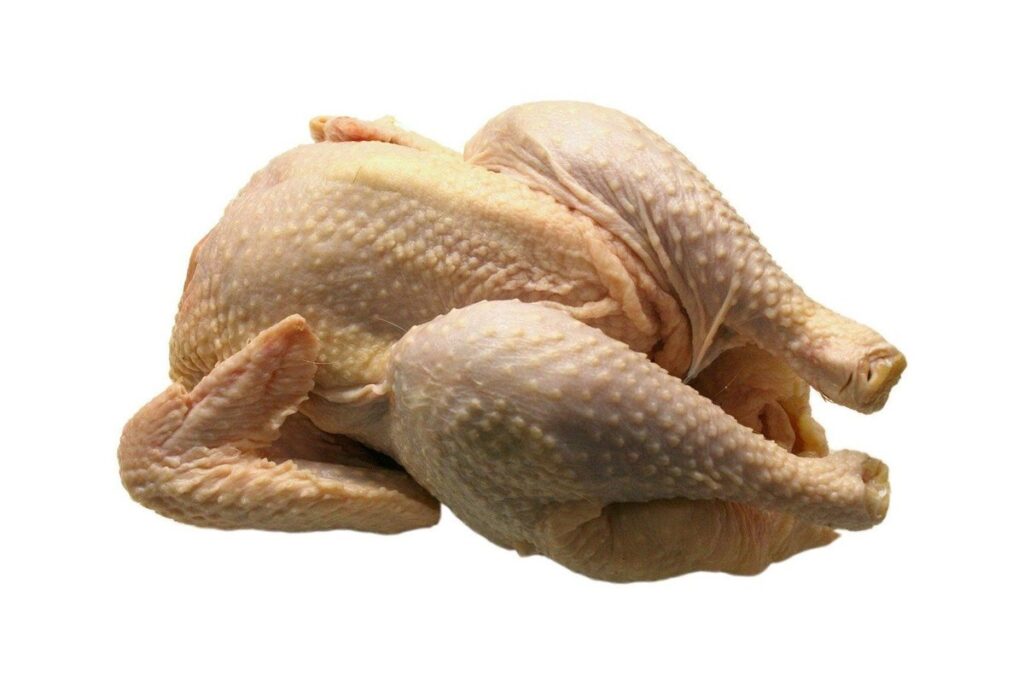
Understanding the Benefits of Pasture-Raised Broilers
Now that we’ve explored the basics of pastured broiler management, let’s dive into the benefits of raising these birds on pasture, where they can forage and thrive naturally. This section highlights some of the key advantages of pasture-raised broilers.
Advantages of Pasture-Raising
When it comes to pasture-raised broilers, there are numerous advantages that set them apart from conventionally raised birds. For starters, animals raised on pasture tend to have better welfare than those confined to cages or large-scale industrial farms. They get to roam freely, engage in natural behaviors like foraging and pecking, and enjoy fresh air and sunlight.
The nutritional content of pasture-raised broilers is also significantly improved compared to their conventionally raised counterparts. These birds are able to forage on diverse grasses and insects, which provides them with essential vitamins, minerals, and omega-3 fatty acids. As a result, the meat from pasture-raised broilers tends to be higher in these nutrients as well.
From an environmental perspective, pasture-raised broilers have a lower carbon footprint than conventionally raised birds. They promote soil health through their grazing activities, which leads to improved fertility and reduced erosion. This approach also allows for more efficient use of land and resources, making it a more sustainable option for poultry producers. By choosing to raise broilers on pasture, farmers can enjoy these benefits while producing high-quality meat that’s in demand by consumers.
Comparison to Conventional Systems
When it comes to pasture-raised broiler management compared to conventional systems, there are significant differences that set these birds apart. Unlike their conventionally raised counterparts, pasture-raised broilers have access to the outdoors and eat a diverse diet of forages and grasses. This approach is not only better for the animals’ welfare but also results in higher-quality meat.
In contrast, conventional systems often rely on feedlots where birds are confined indoors and fed a diet consisting mainly of grains such as corn and soybeans. These diets can lead to increased antibiotic use, which has been linked to antimicrobial resistance in humans. Pasture-raised broilers, on the other hand, require fewer antibiotics due to their natural living conditions.
At processing time, pasture-raised birds also undergo more stringent inspection to ensure that they meet higher standards of quality and safety. For example, they may be subject to stricter regulations regarding pathogen testing and handling practices. If you’re considering raising pasture-raised broilers, look for suppliers or producers who adhere to these rigorous standards to guarantee the best results for your flock.
Pre-Production Planning: Setting Up a Pasture-Raised Operation
Before bringing your pastured broiler flock to life, it’s essential to plan and prepare every aspect of their operation, from pasture layout to health management. We’ll walk you through the critical steps involved in setting up a thriving pasture-raised operation.
Land Selection and Preparation
When it comes to setting up a pastured broiler operation, selecting suitable land is crucial for the health and well-being of your birds. You’ll want to consider several factors when evaluating potential land for your pastures.
Soil quality is a top priority, as it directly affects the availability of nutrients for your birds. Look for land with fertile soil that’s free from contaminants like pesticides or heavy metals. A pH level between 6 and 7 is ideal, but this can vary depending on the species of broilers you’re raising.
Water access is also essential, ensuring that your birds always have a reliable source of clean water within easy reach. Fencing needs should also be taken into account, considering factors like predator control and pasture rotation to maintain optimal grazing.
When selecting land, it’s also important to consider its slope, as this can impact soil erosion and drainage. A gentle slope is best, allowing for smooth water flow and preventing soil compaction.
Fencing and Enclosures
When it comes to pastured broiler management, having the right fencing and enclosures is crucial for protecting both the birds and the surrounding environment. Predators like coyotes, foxes, and hawks pose a significant threat to young chicks, while pests like rodents and birds can spread disease.
To safeguard your flock, you’ll need sturdy fencing that’s at least 4 feet high and extends at least 12 inches below ground to prevent digging. Consider using electric netting or high-tensile wire for added security. If you’re dealing with a large pasture, consider dividing it into sections using smaller enclosures or “paddocks” to facilitate rotation and grazing.
When selecting materials, choose durable options like wood, metal, or plastic that can withstand harsh weather conditions. Make sure to secure any openings or gaps with hardware cloth or chicken wire mesh. By investing in the right fencing and enclosures, you’ll be able to create a safe haven for your pastured broilers while minimizing stress and promoting healthy growth.
Introduction and Management of Pastured Broilers
When it comes to pastured broiler management, getting started can be overwhelming due to the numerous factors to consider. Let’s break down the essential steps for introducing pastured broilers onto your farm or property.
Day-Old Chicks to Market Age
As pastured broilers grow from day-old chicks to market age, it’s essential to consider their health, nutrition, and parasite management at each stage. At one week of age, day-old chicks are susceptible to disease and require close monitoring for signs of illness such as labored breathing or lethargy.
By 4-6 weeks of age, broilers need access to adequate feed and water, as well as a balanced ration that includes protein sources like insects or mealworms. Considerations for parasite management also come into play at this stage, with regular monitoring for internal parasites such as coccidiosis and external parasites like mites.
At 8-12 weeks of age, broilers require more space to roam and forage, which can help reduce stress and promote overall health. It’s crucial to provide adequate shelter from the elements and predators during this period.
Regular health checks and parasite monitoring are essential at all stages, with a focus on prevention rather than treatment. By being proactive and addressing potential issues early on, you can ensure your pastured broilers grow healthy and strong, ready for market by 16-20 weeks of age.
Seasonal Considerations
When it comes to managing pastured broilers, seasonal changes can significantly impact production. As a broiler producer, you must be prepared for varying weather conditions that may affect the health and well-being of your flock.
Heat stress is a common issue during hot summer months, particularly in regions with high temperatures and humidity levels. Birds exposed to extreme heat may experience dehydration, reduced feed intake, and decreased egg production (or in this case, growth rates). To mitigate heat stress, ensure adequate shade for your birds, provide plenty of fresh water, and offer a balanced diet that includes electrolyte-rich foods.
Extreme weather events such as heavy rainfall, hail, or strong winds can also pose significant challenges to pastured broiler management. In the event of severe weather, consider providing temporary shelter for your flock and taking measures to secure any loose equipment or fencing. Disease outbreaks may also be more common during certain seasons due to changes in environmental conditions.
To prepare for these seasonal variations, develop a comprehensive contingency plan that addresses potential risks and takes into account local climate patterns and disease prevalence. Regular monitoring of bird health and behavior is essential to prevent costly losses and ensure the long-term sustainability of your pastured broiler operation.
Health and Nutrition Management
As you work towards raising healthy pastured broilers, it’s essential to understand how to properly manage their health and nutrition from birth through market weight. We’ll cover crucial aspects of this process below.
Parasite Control Strategies
Effective parasite control is crucial for maintaining the health and productivity of pastured broilers. Rotational grazing practices are an excellent way to minimize parasitic loads on your pasture-raised flock. By moving your birds to new areas regularly, you disrupt the life cycle of parasites, making it challenging for them to thrive.
In addition to rotational grazing, natural deterrents can also be used to control parasites. For example, garlic and diatomaceous earth have been shown to be effective in repelling external parasites like mites and lice. These substances can be incorporated into your flock’s feed or applied directly to their coop as a powder.
Some other natural methods for controlling internal parasites include using probiotics and prebiotics to promote a healthy gut environment, as well as incorporating herbs like black walnut and wormwood into the birds’ diet. Regular monitoring of your flock’s health through fecal testing is also essential in detecting any parasite infestations early on, allowing you to take swift action before issues escalate.
When implementing these methods, remember that a combination of techniques often yields better results than relying on a single approach.
Nutritional Considerations
Providing a balanced diet is crucial for the optimal growth and health of pasture-raised broilers. When it comes to feed quality, consider using locally sourced grains like oats, barley, and wheat as these provide essential nutrients while supporting local economies. You can also supplement their diet with forage-based additives or probiotics that enhance digestive health.
Access to clean water is equally important, and it’s recommended to have at least one source of fresh water per 100 birds. Monitor the water quality regularly, making adjustments as needed to prevent bacterial growth. It’s also essential to ensure the waterer design allows easy access and minimizes waste.
Considerations for nutritional management should be based on the broilers’ age, breed, and production stage. For example, young chicks require higher protein levels (around 20%) compared to laying hens or finishers. Similarly, ensure adequate calcium intake during peak egg production periods. Conduct regular soil testing to determine nutrient availability in your pasture, making adjustments to feed formulation accordingly.
It’s also worth noting that pasture-raised broilers tend to have better gut health due to their diverse forage diet, potentially reducing the need for antibiotics and other medications.
Processing and Marketing Pastured Broilers
Once you’ve raised your pastured broilers, it’s time to consider their processing and marketing options, which can significantly impact your profitability. We’ll walk through the key considerations for each step.
Humanely Harvesting
When it’s time to harvest your pastured broilers, ensuring humane treatment is crucial. Humane harvesting methods minimize stress on the birds, making for a smoother transition from farm to table. One such method is slow killing, where birds are humanely dispatched using a captive bolt pistol or a sharp knife. This approach reduces stress and prevents unnecessary suffering.
Another effective method is electrical stunning followed by neck cutting. This technique renders the bird insensible to pain, ensuring a quick and humane end. It’s essential to use proper equipment and follow guidelines from organizations like the National Assembly of State Animal Health Officials (NASAHO) or the American Veterinary Medical Association (AVMA).
To minimize stress during harvesting, consider factors such as:
• Handling birds gently and humanely before dispatch
• Ensuring a clean and well-ventilated environment
• Using proper equipment to avoid injury or discomfort
• Having an experienced person assist with harvesting
By adopting humane harvesting methods and following best practices, you can ensure that your pastured broilers are treated with respect and care from farm to table.
Labeling and Certification
Labeling and certification programs play a crucial role in verifying the authenticity of pasture-raised products. As a pastured broiler producer, it’s essential to understand the importance of these labels and how they can impact your business.
When it comes to labeling, terms like “pasture-raised” or “free-range” might seem similar, but they often come with different regulations and standards. For example, “Certified Humane” is a program that ensures animals are treated humanely and have access to the outdoors, while “American Pastured Poultry Association (APPPA)” certified products meet rigorous standards for outdoor access, nutrition, and animal welfare.
To take advantage of these labeling programs, research which ones align with your production methods and values. Not all certification programs are created equal, so it’s essential to choose one that reflects the high standards you maintain on your farm. Consider enrolling in a certification program that also offers training and resources to help improve your operation. This not only enhances consumer trust but also provides a competitive edge in the market.
Regulatory Compliance and Best Practices
To ensure a smooth and compliant pastured broiler operation, it’s crucial to understand regulatory requirements and industry best practices that safeguard animal welfare and public health. We’ll cover these essential aspects next.
Local Ordinances and Regulations
When it comes to managing pastured broilers, understanding local ordinances and regulations is crucial to ensure compliance and minimize potential issues. Before launching your operation, research the specific requirements for permits, zoning, and environmental impact assessments in your area.
Permits are often necessary for pastured broiler production, especially if you plan to sell directly to consumers or operate a large-scale farm. These permits typically involve submitting detailed plans for your operation, including animal management, waste disposal, and disease control measures. For example, some states require pastured poultry producers to obtain a permit from the state’s department of agriculture before starting operations.
Zoning laws also come into play when managing pastured broilers. Familiarize yourself with local zoning regulations regarding agricultural activities in your area. Ensure that your farm meets these requirements by maintaining adequate setbacks from neighboring properties and complying with noise level restrictions.
Environmental impact assessments are another key consideration for pastured broiler producers. Assess the potential effects of your operation on local waterways, soil quality, and wildlife habitats. This may involve consulting with environmental experts or conducting on-site inspections to identify areas that require improvement.
In some regions, pastured broilers may be considered a “nuisance” under local ordinances, which can lead to fines or even closure if not addressed promptly. To avoid such issues, stay informed about changes in regulations and maintain open communication with local authorities throughout the process.
On-Farm Biosecurity Measures
Implementing effective on-farm biosecurity measures is crucial to prevent disease transmission among flocks and between farms. Vaccination programs play a significant role in this process. Consult with a veterinarian to determine the best vaccination schedule for your pastured broiler flock, taking into account factors such as age, health status, and disease prevalence in your area.
Sanitation protocols are another essential aspect of on-farm biosecurity. Ensure that all equipment, vehicles, and personnel entering or leaving the farm undergo thorough cleaning and disinfection. Use a foot bath station with an antimicrobial agent at entry points to prevent pathogens from being tracked into the farm.
Regularly inspect your farm for potential sources of disease transmission, such as waterfowl nesting sites, wild bird roosting areas, and contaminated feed storage. Remove these risks by implementing measures like netting or fencing around water sources and properly storing feed in rodent-proof containers.
Frequently Asked Questions
Can I raise pastured broilers in a small backyard or do I need a large farm?
You don’t necessarily need a large farm to raise pastured broilers. Even a small backyard can be used for raising these birds, but you’ll want to ensure you have enough space for them to roam freely and forage naturally. Consider the amount of land available, your local ordinances, and the size of your flock when planning.
How do I protect my pastured broilers from predators like coyotes, foxes, or stray dogs?
Predator protection is a crucial consideration for pasture-raised operations. Use robust fencing that’s at least 4 feet high and extends at least 12 inches below ground to prevent digging. Consider electrifying the fence to deter predators, and keep your flock in a secure area at night.
Can I raise pastured broilers year-round or are there specific seasons to consider?
While it’s possible to raise pastured broilers year-round, you’ll need to adapt your management strategies to accommodate seasonal changes. For example, during hot summer months, provide extra shade and water for your birds, while in winter, make sure they have access to dry bedding and adequate nutrition.
How do I handle parasite control in my pasture-raised flock?
Parasite control is essential in a pastured broiler operation. Regularly monitor your flock for signs of internal parasites like worms or external parasites like mites. Use integrated pest management strategies, such as rotational grazing, sanitation, and targeted treatments when necessary.
What are the key differences between pastured broilers raised on grass vs. those on legumes?
Pastured broilers raised on legumes like clover or alfalfa tend to grow faster and more efficiently than those raised on grass alone. However, legume-based systems can be more challenging to manage due to potential nitrate toxicity risks. Monitor your flock’s health and adjust their diet accordingly to ensure optimal performance.