
When you pick up a pack of chicken from the supermarket, have you ever stopped to think about where that meat came from? Chances are, it was raised on a conventional farm with limited space and freedom for the birds. But what if I told you there’s a better way? Free range poultry farming is on the rise, offering a more humane and sustainable approach to raising chickens for meat.
By giving birds access to fresh air, sunlight, and exercise, free range farms improve animal welfare while also enhancing the quality of the meat itself. And it’s not just about ethics – free range farming can have environmental benefits too. In this article, we’ll delve into the world of poultry free range, exploring its advantages and challenges, and what it means for consumers like you.
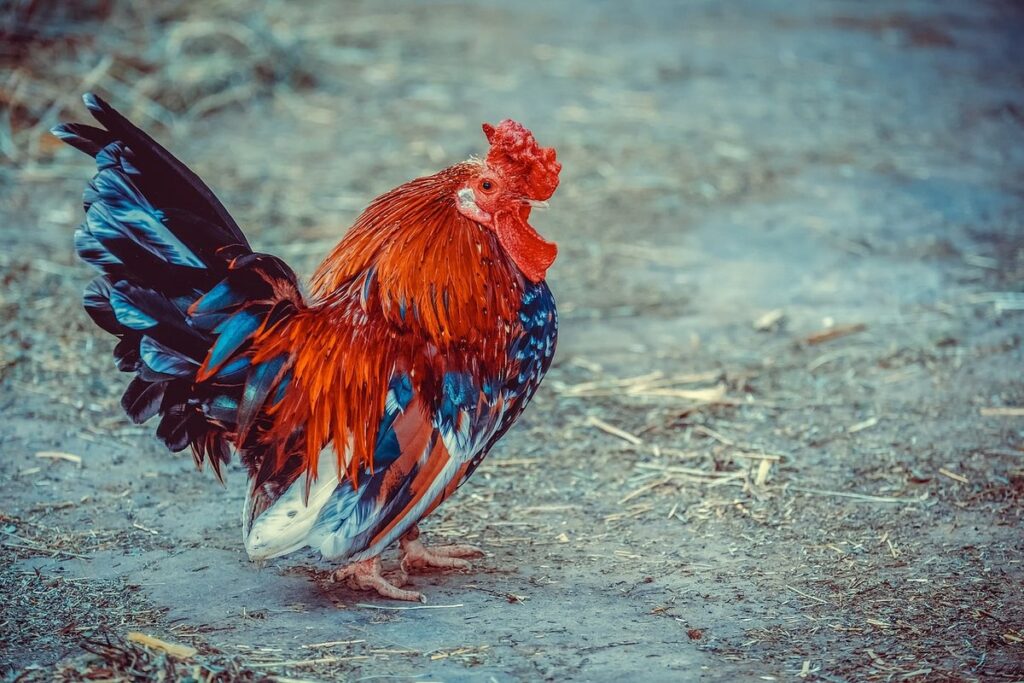
Understanding Free Range Poultry
When it comes to free range poultry, you might be wondering what exactly that means and how it affects the birds’ living conditions. In this section, we’ll break down the basics of free range poultry farming.
What is Free Range?
Free range poultry farming is an approach to raising chickens and other birds that emphasizes their natural behavior and well-being. At its core, free range farming is about providing animals with the freedom to roam outdoors, where they can engage in foraging, exercise, and social interaction.
Unlike traditional battery cage systems, which confine birds to cramped, dark environments with minimal space to move, free range farms offer a more humane and sustainable way of raising poultry. In free range systems, birds have access to large outdoor areas, often referred to as “pens” or “pastures,” where they can roam freely and engage in natural behaviors like pecking, scratching, and foraging.
By giving birds the freedom to move outdoors, free range farming promotes a more natural lifestyle that is better suited to their physical and psychological needs. This approach also has numerous benefits for human health and the environment, including higher-quality eggs and meat, reduced antibiotic use, and lower greenhouse gas emissions.
History of Free Range Poultry
Free range poultry farming has its roots in ancient times when animals were raised outdoors on open pastures. The concept of free range, however, gained significant traction in the 1940s and 1950s with the introduction of the “free-range” label by British farmers. This marked a shift towards more humane treatment of poultry, allowing them to roam freely outside their coops.
The UK’s welfare reform movement played a crucial role in shaping the modern free range industry. The 1967 Farm Animal Welfare Act and subsequent amendments set standards for animal welfare, including requirements for outdoor access for chickens. By the 1980s, free range farming became more widespread across Europe, with countries like Denmark and Sweden adopting similar regulations.
In the US, the 2008 Humane Methods of Slaughter Act further emphasized animal welfare concerns, while also encouraging free-range production methods. As consumer awareness about animal welfare grew, so did demand for free-range products. Today, many poultry farms prioritize animal welfare by incorporating large outdoor spaces where birds can roam freely, reducing stress and promoting natural behaviors. This evolution has led to the development of various certifications, such as the “American Humane Certified” logo, ensuring that farmers meet rigorous standards for animal welfare.
Regulatory Framework for Free Range
To ensure that free range poultry farms adhere to high standards of animal welfare and environmental sustainability, governments have established regulatory frameworks. These regulations dictate specific requirements for farm operations, including housing, outdoor access, and living conditions.
In the European Union (EU), for instance, the Welfare of Animals at the Time of Killing Regulation sets out strict guidelines for free range poultry farms. Farms must provide a minimum of 2 square meters per bird outside of the shed, with adequate shelter and protection from the elements. Additionally, birds must have access to scratching posts, perches, and dust bathing facilities.
Certifications such as “RSPCA Assured” or “Freedom Food” also play a crucial role in ensuring that free range poultry farms meet certain standards. These labels guarantee that animals are treated with respect and care throughout their lives, from breeding through to slaughter. For consumers, these certifications serve as a trusted seal of approval for products meeting high animal welfare and environmental standards.
Farmers can also benefit from registering their operations under recognized certification schemes, which provide a framework for continuous improvement and compliance.
Benefits of Free Range Poultry
One of the main draws of free range poultry is the numerous benefits it offers, both for the birds and for you, when it comes to choosing what goes on your plate. Let’s explore some of these advantages in more detail.
Improved Animal Welfare
Free range systems have been shown to significantly improve the health and well-being of poultry. In comparison to conventional farming methods, birds raised on free range farms exhibit reduced stress levels, improved immune function, and lower rates of disease. This is largely due to their ability to engage in natural behaviors such as foraging, exercising, and interacting with other birds.
Research has demonstrated that free range hens are less likely to develop certain health issues like leg problems and respiratory infections. In addition, these birds tend to have a more varied diet, which can contribute to enhanced nutrient intake. For example, a study published in the Journal of Applied Poultry Research found that free range hens had higher levels of omega-3 fatty acids in their eggs compared to those raised in conventional systems.
To replicate this positive outcome on your own farm, consider incorporating enrichment activities into your birds’ daily routine. This can be achieved by providing access to outdoor areas with adequate shelter and foraging opportunities. By prioritizing animal welfare through the implementation of free range systems, you can promote a healthier and more productive flock.
Enhanced Meat Quality
Free range environments offer several benefits that contribute to better meat quality and nutritional content. One of the primary advantages is the freedom to forage, which allows birds to roam and exercise outdoors. This activity stimulates their natural behavior, promoting muscle growth and strengthening their immune systems.
The diet of free-range birds is also a crucial factor in enhancing meat quality. These birds are able to eat insects, seeds, and other foraged materials that provide essential nutrients, such as omega-3 fatty acids and vitamins A and E. This varied diet contributes to the rich flavor and texture of the meat.
Research has shown that free-range poultry contains higher levels of certain nutrients compared to conventionally raised birds. For instance, a study found that free-range chicken had 50% more vitamin A than conventionally raised chicken. This is because the birds are exposed to natural sunlight, which triggers the production of these essential vitamins and minerals in their bodies.
Overall, choosing free-range poultry ensures you’re getting higher-quality meat with better nutritional content.
Environmental Benefits
When it comes to the environmental benefits of free range poultry farming, there are several advantages that set it apart from conventional methods. For one, free range systems tend to have a reduced waste output. Since birds are able to forage and roam freely, they’re less likely to produce excessive amounts of manure. According to a study by the University of California, Davis, free-range flocks can reduce their nitrogen emissions by up to 90% compared to conventionally raised birds.
Another significant environmental benefit is the reduced carbon footprint associated with free range farming. By allowing birds to forage and exercise outdoors, farmers can reduce the need for energy-intensive indoor heating and lighting systems. In fact, a study by the Rodale Institute found that pasture-raised poultry systems can reduce greenhouse gas emissions by up to 50% compared to conventional systems.
To maximize these benefits on your own farm, consider implementing strategies like rotational grazing and integrating cover crops into your rotation. By doing so, you can maintain soil health, reduce erosion, and promote biodiversity – all while reducing the environmental impact of your poultry operation.
Challenges in Implementing Free Range
While adopting free range practices can be incredibly rewarding, many farmers face challenges in implementing them on their farms. Let’s take a closer look at some of these difficulties.
Economic Considerations
Transitions to free range systems often come with significant economic challenges for farmers. One of the primary concerns is the increased costs associated with providing larger spaces and better living conditions for the birds. This can be particularly daunting for small-scale farmers who may not have the necessary resources or economies of scale to absorb these additional expenses.
The labor requirements for free range farming are also often higher than those for conventional systems. Farmers must invest more time in managing the birds’ movements, ensuring their safety, and maintaining the quality of the outdoor spaces. This can be a significant burden, especially during peak production periods.
To mitigate these costs, farmers may consider adopting more efficient systems, such as rotational grazing or using technology to monitor bird behavior and health. They should also explore opportunities for premium pricing, which can help offset the increased expenses associated with free range production. By carefully managing resources and exploring innovative solutions, farmers can make the transition to free range a viable economic option.
Scale and Logistics
As you scale up your free range poultry operation, managing large numbers of birds while maintaining their welfare becomes increasingly complex. One of the most significant challenges is ensuring that animals have sufficient space and access to natural light, which can be difficult to achieve on a larger scale.
To overcome this challenge, some farms use mobile shelters or rotating pastures, where flocks are moved regularly to fresh grazing areas. This approach not only maintains animal welfare but also promotes soil health and biodiversity. For example, a study by the UK’s Soil Association found that rotating pastures can increase bird productivity by up to 15% while reducing greenhouse gas emissions.
Another strategy is to use technology to monitor and optimize free range operations. This can include GPS tracking of birds, automated feeding systems, and real-time monitoring of pasture health. By leveraging these tools, farmers can ensure that their birds have access to the resources they need at all times.
By adopting these strategies, you can maintain high animal welfare standards while scaling up your operation.
Consumer Awareness and Education
As consumers become increasingly aware of animal welfare issues and health benefits associated with free range poultry farming, they play a crucial role in driving demand for these products. Consumer education is essential in promoting the adoption of free range practices within the industry.
When making informed choices at the grocery store or farmers market, consider looking for certifications like “RSPCA Approved” or “Certified Humane.” These labels ensure that farms meet rigorous standards for animal welfare and living conditions. You can also research local farms to learn more about their free range practices and visit them in person.
Another way to promote demand is through word-of-mouth recommendations. Share your positive experiences with friends, family, and social networks to raise awareness about the benefits of free range poultry farming. By educating yourself and others about the advantages of these products, you contribute to a shift towards more humane and sustainable agriculture practices.
Free Range Poultry Farming Practices
When it comes to raising free range poultry, farming practices play a crucial role in ensuring animal welfare and producing high-quality eggs. We’ll explore some of the key methods used by free range farms.
Enclosed Free Range Systems
Enclosed free range systems offer a compromise between traditional confinement and complete outdoor access. These systems involve building enclosures that allow birds to roam freely while still providing protection from predators and harsh weather conditions.
The benefits of enclosed free range systems are numerous. For instance, they enable farmers to maintain better control over the living environment, which is crucial for disease prevention and parasite management. Moreover, these systems reduce the risk of bird escape or injury from external threats.
However, there are limitations to consider. The size of the enclosure must be adequate to accommodate a sufficient number of birds while allowing them sufficient space to move around comfortably. Insufficient space can lead to health problems and compromise the system’s overall effectiveness.
In practice, enclosed free range systems often involve using netting or fencing to enclose a designated area within the farm. This creates a safe and controlled environment for birds to roam freely, while also reducing labor costs associated with monitoring large outdoor areas.
Outdoor Access Farms
When it comes to providing an optimal outdoor environment for free-range poultry, designing the right outdoor access farm is crucial. This involves creating a space that not only allows birds to exercise and roam freely but also ensures their welfare and safety. A well-designed outdoor access farm should provide adequate shelter from extreme weather conditions, predators, and scavengers.
Key design considerations include providing enough space for each bird to move around comfortably, with the recommended amount being at least 2-3 square meters per bird. The outdoor area should be equipped with features that protect birds from harsh sunlight, wind, and rain. For example, using a combination of permanent structures such as shelters or netting, along with movable shades like tarps or canopies to provide flexibility in responding to changing weather conditions.
Animal welfare implications also come into play when designing the outdoor access farm. Birds need access to clean water, nutritious feed, and regular health checks to prevent disease and parasites. By incorporating these elements, farmers can create a safe and healthy environment that promotes the well-being of their free-range poultry.
Integrating Free Range with Organic Principles
Integrating free range principles with organic farming practices can elevate the sustainability of poultry farming to new heights. When done correctly, this synergy allows for a harmonious balance between animal welfare, environmental stewardship, and production efficiency.
For instance, incorporating organic amendments into free range systems can foster soil health and biodiversity while providing essential nutrients to your flock. This approach also encourages natural pest control methods, minimizing the reliance on synthetic pesticides. Consider integrating cover crops or rotational grazing to further enrich the ecosystem and reduce waste.
Another key aspect is ensuring that your free range areas are free from contaminants, using strategies like regular testing for pollutants and maintaining healthy water sources. By combining organic farming principles with free range practices, you can create a thriving, self-sustaining environment that benefits both your birds and the planet. This integrated approach not only enhances animal welfare but also contributes to a more resilient and productive farm.
Case Studies in Successful Free Range Implementation
Let’s take a look at how several farms have successfully implemented free range systems, showcasing their approaches and outcomes. We’ll explore these innovative examples up close.
Examples from Developed Countries
Countries like Denmark and Sweden have implemented free range poultry farming with remarkable success. In these nations, it’s not uncommon to see vast tracts of land dedicated to roaming birds. For instance, the Danish agricultural company, Kostal A/S, has established a sprawling free range farm covering over 1,000 hectares. Their commitment to high-welfare standards is evident in the fact that their birds have access to natural light, vegetation, and room to forage.
One of the key factors driving success in these developed countries is government support. Policies like Denmark’s “Animal Welfare Policy” provide a framework for ensuring humane treatment of animals on farms. This encourages farmers to adopt best practices, including free range systems. Furthermore, consumer demand plays a significant role; people in developed nations are increasingly willing to pay a premium for products that align with their values.
The European Union has also established regulations promoting free range farming. For example, the EU’s “Animal Welfare Regulation” stipulates that birds have access to light and exercise. Companies like Kostal A/S thrive under such supportive environments, serving as models for others in the industry.
Lessons from Emerging Markets
Emerging markets are increasingly turning to free range poultry farming as a means of improving livestock welfare and enhancing product quality. Countries like Brazil and South Africa have seen significant growth in this sector, driven by consumer demand for ethically sourced meat.
One key lesson from these emerging markets is the importance of government support and regulations that promote free range practices. In Brazil, for example, the government has implemented policies to encourage farmers to adopt free range methods, such as providing subsidies for infrastructure development and offering tax incentives.
Another important consideration is the need for careful planning and execution when transitioning to free range systems. Farmers must ensure they have sufficient land, water, and resources to meet the needs of their birds. This requires a thorough understanding of poultry behavior and nutrition, as well as expertise in designing and managing open-range facilities.
By studying these emerging markets, farmers in other regions can learn valuable lessons about how to establish successful free range operations that balance productivity with animal welfare and environmental sustainability.
Conclusion and Future Directions
As we wrap up our exploration of free range poultry farming, let’s take a look at the conclusions we’ve drawn from our research and discuss where this sustainable practice might lead next.
Recap of Key Takeaways
Free range poultry farming offers numerous benefits for both the environment and animal welfare. One of the primary advantages is improved air quality due to reduced ammonia levels from manure. This, in turn, leads to healthier birds with better immune systems. However, there are challenges associated with free range systems, such as higher labor costs and increased disease risks.
Despite these challenges, many farmers have successfully implemented free range practices. For instance, farms that prioritize bird welfare often report lower mortality rates and improved feed conversion ratios. To overcome the challenges, it’s essential to strike a balance between providing adequate space for birds to roam and protecting them from predators. Farmers can also adopt integrated pest management strategies to minimize disease risks.
Ultimately, incorporating free range principles into poultry farming practices requires careful consideration of both the benefits and challenges involved. By weighing these factors and adopting practical solutions, farmers can create more humane and sustainable systems that benefit both animals and the environment.
Future Prospects and Opportunities
As we conclude our exploration of free range poultry farming, it’s exciting to consider the future prospects and opportunities that lie ahead. The industry is poised for significant growth, driven by evolving consumer preferences and technological advancements.
One key area of focus will be the integration of technology into farm operations. For instance, precision feeding systems can optimize feed allocation based on individual bird needs, improving efficiency and reducing waste. Similarly, data analytics platforms can help farmers track temperature fluctuations, disease outbreaks, and other critical factors in real-time, enabling swift decision-making.
Changing consumer preferences are also driving innovation in the free range industry. With growing demand for transparency and sustainability, producers will need to adapt by incorporating practices like regenerative agriculture, where soil health and biodiversity are prioritized alongside bird welfare. This shift towards a more holistic approach will not only enhance product quality but also appeal to consumers seeking a guilt-free shopping experience.
Ultimately, the future of free range poultry farming holds immense potential for growth, innovation, and positive change. By embracing technology and adopting sustainable practices, farmers can capitalize on emerging trends while promoting the well-being of both birds and people.
Frequently Asked Questions
How do I ensure the free range poultry I buy is genuinely raised on a farm with outdoor access?
When shopping for free range products, look for third-party certifications like “Certified Humane” or “Animal Welfare Approved.” These organizations conduct regular audits to verify that farms meet strict standards for animal welfare and living conditions. You can also research local farms directly and ask about their practices.
Can I raise my own chickens on a small scale using free range principles?
Yes, it’s entirely possible to implement free range principles in your backyard or on a small farm. Start by providing a safe outdoor area with adequate shelter and fencing. Ensure access to fresh water, feed, and sunlight. Be prepared to learn about the specific needs of different breeds and plan for predator protection.
How does the cost of free range poultry compare to conventionally raised meat?
The price difference between free range and conventional poultry can be significant due to higher production costs associated with providing more space and better living conditions. However, some studies suggest that consumers may save money in the long run by choosing healthier, more sustainable options.
Can I integrate free range principles into my existing organic farming operation?
Yes, integrating free range principles can complement your existing organic practices. Consider adding outdoor access to your chicken coops or incorporating mobile feeding systems to encourage foraging behavior. Research and consult with experts to ensure you’re meeting the necessary standards for both free range and organic certifications.
What are some common misconceptions about free range poultry farming?
One common misconception is that all birds raised in free range systems have complete access to the outdoors at all times. In reality, many farms use enclosed or “enriched” free range systems, where birds can still engage in natural behaviors but are protected from predators and extreme weather conditions.