
As consumers become more aware of the treatment of farm animals, the demand for cage-free chicken farming is on the rise. You’re probably wondering: what exactly does “cage-free” mean, and are those eggs worth the extra cost? The truth is, there’s more to this trend than just animal welfare. While improving living conditions for chickens is a major benefit of cage-free farming, it also affects the quality of the eggs themselves – many fans swear by their taste and nutritional value. But as with any shift in agricultural practices, there are also concerns about environmental impact and whether these farms can scale sustainably. In this article, we’ll explore both sides of the debate, examining the benefits of cage-free chicken farming while acknowledging its challenges.
What are Cage-Free Chickens?
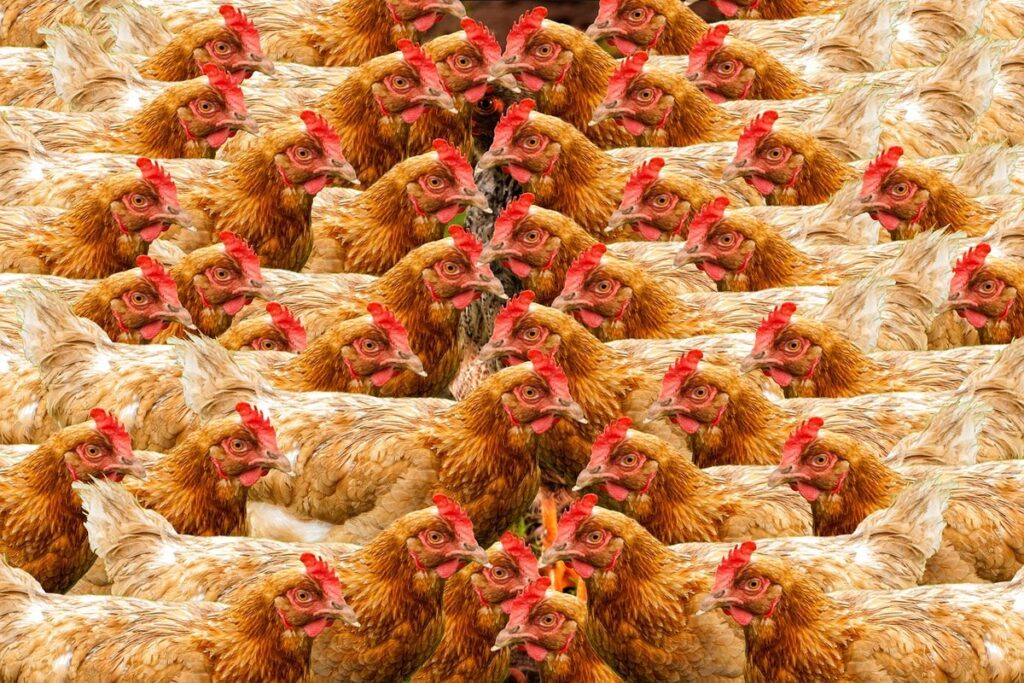
Let’s get started on what cage-free chickens really mean: hens living without confinement, able to roam and exercise freely in a more natural environment. This freedom comes at a cost.
The Difference Between Cage-Free and Free-Range
When it comes to cage-free chickens, many people assume that “cage-free” and “free-range” are interchangeable terms. However, this isn’t entirely accurate. While both practices prioritize animal welfare and offer a more humane environment for chickens, there are key differences between the two.
Regulatory definitions play a significant role in distinguishing between cage-free and free-range farming practices. In the US, the term “cage-free” is regulated by the USDA, which requires that hens have access to exercise areas outside of their enclosures at some point during their lives. This can be as simple as a door that leads to an enclosed outdoor run.
On the other hand, free-range farms are subject to more stringent regulations. Hens on free-range farms must have continuous access to the outdoors during daylight hours, allowing them to forage and engage in natural behaviors. Industry standards also vary between countries, with some regions having more comprehensive guidelines than others.
To make informed choices about cage-free or free-range eggs, look for third-party certifications like “Certified Humane” or “Animal Welfare Approved.” These organizations verify that farms meet strict animal welfare standards, giving consumers peace of mind when selecting their eggs.
History of Cage-Free Labeling
The cage-free label has undergone significant changes since its introduction in the 1960s. Initially, it was used to describe chickens raised outdoors on pasture, but over time, the definition has expanded to encompass a range of farming methods that prioritize animal welfare.
In the 1990s, major food companies like McDonald’s and Wendy’s began adopting cage-free policies, driven by consumer demand and growing concerns about animal cruelty. This shift marked a significant turning point in the history of cage-free labeling, as it highlighted the importance of transparency and accountability in the production process.
Today, many consumers are more informed than ever about the welfare implications of their food choices. According to a 2020 survey, 85% of Americans believe that animal welfare is an important consideration when buying eggs or dairy products. As a result, major retailers like Whole Foods and Trader Joe’s have committed to sourcing cage-free eggs from suppliers who meet strict animal welfare standards.
To navigate the complexities of cage-free labeling, it’s essential to look beyond the label itself and research the specific farming methods used by each supplier. This might involve checking for third-party certifications like the Certified Humane or Animal Welfare Approved programs, which ensure that animals are raised in humane conditions with access to natural light, fresh air, and social interaction.
Benefits of Cage-Free Chickens
Cage-free chickens offer several benefits, not only for the birds themselves but also for consumers looking for a more humane and sustainable food choice. Let’s explore these advantages in more detail.
Improved Animal Welfare
Cage-free chickens experience significantly improved living conditions compared to their counterparts in battery cages. One of the primary advantages is reduced stress levels. Chickens in battery cages are often subjected to crowded and unsanitary environments, which can lead to anxiety and stress-related behaviors such as feather pecking and aggression.
In contrast, cage-free systems provide chickens with ample space to roam and engage in natural behaviors like foraging, scratching, and dust bathing. This freedom to move and express themselves reduces stress levels, leading to a healthier and more contented flock. Additionally, cage-free farms often adopt enrichment programs that provide mental stimulation through activities such as puzzle toys or sensory experiences.
By providing chickens with improved living conditions and reduced stress levels, cage-free systems promote better animal welfare and contribute to overall well-being. This is especially important for hens, which can spend up to 30% of their day searching for food and 20% engaging in social behavior. By meeting these natural needs, we can significantly improve the quality of life for our feathered friends.
Better Egg Quality
When it comes to cage-free farming practices, many people assume that they only prioritize animal welfare. However, these methods can also have a direct impact on the quality of eggs produced. One key benefit is the improvement in egg yolk strength and nutritional value.
Cage-free hens are able to roam freely outdoors or in large enclosed areas, which allows them to forage for food and engage in natural behaviors like scratching and pecking at the ground. This activity stimulates their digestive system and boosts nutrient absorption, resulting in eggs with a stronger yolk and more vibrant color. In fact, studies have shown that cage-free hens produce eggs with up to 30% more omega-3 fatty acids than conventionally raised hens.
Another advantage of cage-free farming is the production of shells with higher calcium content. This is due to the increased mobility of hens, which enables them to access a wider range of food sources and engage in physical activity that promotes bone health. As a result, consumers can expect eggs from cage-free farms to have thicker, harder shells that are less likely to crack during handling.
In addition, many cage-free farms prioritize soil quality and biodiversity, using techniques like rotational grazing and cover cropping to maintain fertile soil and promote ecosystem balance. This not only benefits the chickens but also contributes to a more sustainable food system.
Enhanced Brand Reputation
When consumers choose cage-free chicken products, they’re not just making a choice about their meals – they’re also voting with their dollars for companies that prioritize animal welfare and sustainability. By adopting cage-free chicken farming practices, your company can reap the rewards of an enhanced brand reputation and attract environmentally conscious consumers who share your values.
This shift is particularly appealing to millennials and Gen Z, who are more likely to trust brands that align with their eco-friendly lifestyle choices. In fact, a survey found that 75% of Americans consider animal welfare when making food purchasing decisions. By opting for cage-free chicken farming, you’re demonstrating a commitment to transparency, accountability, and compassion – all essential ingredients for building customer loyalty.
To capitalize on this trend, it’s essential to clearly communicate your brand’s values and practices to customers. This can be achieved through labelling, packaging, and marketing campaigns that emphasize the benefits of cage-free chicken farming. By doing so, you’ll not only enhance your brand reputation but also tap into a growing market of consumers who prioritize sustainability and animal welfare.
The Reality of Cage-Free Chicken Farming
Let’s dive into the reality of cage-free chicken farming, where we’ll explore the challenges and controversies that come with this increasingly popular alternative. This section will shed light on what it really means to be “cage-free.”
Challenges in Implementing Cage-Free Systems
Transitioning from conventional battery cages to cage-free systems can be a daunting task for farmers and producers. One of the primary challenges they face is the significantly higher production costs associated with cage-free farming. The cost of constructing new facilities, purchasing specialized equipment, and implementing more labor-intensive care practices can be substantial.
In addition to increased production costs, infrastructure requirements also pose a significant challenge. Cage-free systems require larger housing areas to accommodate birds’ natural behaviors such as foraging, perching, and dust bathing. This means that farms need to either expand existing facilities or build new ones, which can be expensive and time-consuming.
The cost of converting to cage-free systems is often so high that it can take several years for producers to recoup their investment. For example, a 2019 study by the National Agricultural Statistics Service found that the average cost of constructing a new chicken farm in the United States was over $1 million per 20,000-bird facility.
Farmers and producers must carefully consider these challenges before making the switch to cage-free systems. To mitigate costs, they can explore financing options, government incentives, or subsidies. By doing so, they can ensure a smoother transition and reap the long-term benefits of cage-free farming.
Limited Space and Resource Constraints
When it comes to cage-free chicken farming, one of the most significant challenges is finding enough space for each bird. Unlike conventional farms where chickens are raised in cramped cages, cage-free operations require a lot more room to accommodate each bird’s natural behavior and movement. This can lead to some serious space constraints, especially on smaller or older farms.
For example, according to the US Department of Agriculture (USDA), birds raised outdoors for meat production need at least 2 square feet per bird. Compare that to the 4-5 inches of space provided by conventional cage systems! As a result, farmers must carefully plan their operations and make some tough decisions about how to allocate resources.
This increased demand on space can also lead to higher operating expenses – think larger barns, more land acquisition, or even relocating entire flocks. Not to mention the environmental concerns that come with transporting animals over long distances. However, many farmers argue that these costs are worth it for the sake of animal welfare and the overall health of their operation.
Environmental Impact of Cage-Free Chicken Farming
Let’s dive into the less-talked-about side of cage-free chicken farming, exploring how it affects our planet and its precious resources. We’ll examine the environmental implications of this trend.
Water and Feed Consumption
One of the potential drawbacks of cage-free chicken farming is its impact on water and feed consumption. As you opt for larger flock sizes to meet the demand for free-range eggs and meat, the natural resources required to sustain these flocks increase exponentially.
A single layer hen consumes around 2-4 gallons of water per day, which translates to a significant amount of water for each flock. With cage-free farming, this number can easily double or triple due to the increased flock size. For instance, according to data from the United States Department of Agriculture (USDA), farms with more than 100,000 hens tend to have higher water consumption rates compared to smaller-scale operations.
Similarly, feed consumption is also a concern in cage-free farming. Hens require more feed to sustain themselves due to the increased activity levels and energy expenditure associated with roaming freely. A study published in the Journal of Applied Poultry Research found that free-range hens consume up to 20% more feed than their caged counterparts.
While these factors might seem daunting, there are ways to mitigate the environmental impact. For instance, farmers can explore water-saving technologies such as drip irrigation systems or implement rotational grazing practices to reduce feed consumption.
Manure Management Challenges
When it comes to cage-free chicken farming, one of the most significant environmental challenges is manure management. Without confinement systems, chickens are able to roam freely, which can lead to an increased amount of waste generated on the farm. This excess manure can pose a significant risk of contaminating soil, waterways, and groundwater.
In fact, studies have shown that cage-free farms often experience a 2-3 times higher rate of manure output compared to traditional battery cages. For example, a study conducted by the University of Wisconsin found that a single cage-free chicken farm in the state produced an estimated 10,000 gallons of manure per day.
To mitigate these risks, farmers can implement best management practices (BMPs) such as regular manure collection and storage, nutrient management plans, and incorporating cover crops or crop rotations to reduce runoff. By taking proactive steps, cage-free chicken farms can minimize the environmental impact of their waste while still providing a humane and natural living environment for their birds. This includes implementing on-site anaerobic digesters that convert manure into biogas and reducing nutrient loss through precision application techniques.
The Economics of Cage-Free Chicken Farming
Let’s dive into the economics behind cage-free chicken farming, where we’ll explore the costs and benefits for farmers and consumers alike. From production expenses to market trends, you need to know what drives this industry.
Higher Production Costs
One of the most significant concerns for farmers considering cage-free chicken farming is the potential increase in production costs. The infrastructure requirements for a cage-free system can be substantial. For example, farmers may need to install new ventilation systems and adjust existing structures to accommodate the birds’ natural behavior. These changes can be costly, with estimates suggesting an additional $10-20 per square foot for retrofitting.
Higher feed costs are another factor contributing to increased production expenses. Cage-free hens require more space to forage and exercise, which means farmers need to provide a varied diet that includes fresh fruits and vegetables. This can lead to higher feed costs, potentially ranging from 15-25% above conventional feed prices. However, some farmers argue that these costs are offset by the improved health and well-being of the birds, leading to reduced mortality rates and increased egg production over time. To mitigate these costs, farmers can explore alternative feed sources, such as locally sourced grains or insects, which may be more cost-effective.
Pricing Strategies for Cage-Free Products
When it comes to pricing cage-free products, companies must strike a balance between maintaining profitability and appealing to consumers who are willing to pay a premium for animal welfare-friendly options. To achieve this, consider the following strategies.
Firstly, conduct market research to determine how much customers are willing to pay for cage-free products. Analyze competitors’ prices and identify areas where you can differentiate your product while remaining competitive. Consider using price anchoring techniques, such as starting with a higher price point and then offering discounts or promotions to loyal customers.
Secondly, factor in the higher production costs associated with cage-free farming practices. These may include increased labor costs for manual feeding and monitoring, as well as additional expenses related to providing more spacious living conditions and enriching activities for the birds. However, companies can offset these costs by focusing on premium products that command a higher price.
Lastly, consider tiered pricing strategies that offer customers choices based on their budget and values. For example, you could offer a basic cage-free option at a lower price point, while charging more for certified organic or pasture-raised products with additional welfare benefits. By offering consumers options that cater to different budgets and preferences, companies can increase sales and revenue while maintaining profitability.
Consumer Demand and Market Trends
As you consider keeping cage-free chickens, it’s essential to understand how consumer demand is driving market trends towards more humane farming practices. Let’s dive into what’s behind this shift in consumer preferences.
Growing Interest in Animal Welfare-Friendly Products
As consumers become increasingly aware of animal welfare issues, many are making conscious choices to support companies that prioritize humane treatment. This shift is driving a growing interest in products from companies that adopt cage-free chicken farming practices. For instance, according to a recent survey, 67% of millennials consider animal welfare when making purchasing decisions. Similarly, a study found that sales of cage-free eggs increased by 15% between 2018 and 2020.
As consumers seek out more compassionate options, companies are responding by reformulating their production methods. For example, major brands like Whole Foods Market and Costco have committed to sourcing cage-free chicken. When shopping for products from these companies, look for certifications such as “Certified Humane” or “Animal Welfare Approved.” These labels ensure that animals are treated with respect and provided with adequate space to move.
By choosing cage-free products, consumers can help drive demand for more humane farming practices. Consider exploring alternative brands that prioritize animal welfare, even if it means paying a premium. By supporting companies that share your values, you’re contributing to a culture shift towards kinder treatment of animals in the industry.
Competition from Alternative Protein Sources
The market for protein-rich foods is undergoing significant changes, with plant-based alternatives increasingly gaining traction. According to a report by Grand View Research, the global plant-based meat market size was valued at $4.6 billion in 2020 and is expected to reach $7.5 billion by 2028. This surge in demand can be attributed to growing concerns over animal welfare, environmental sustainability, and health.
The rise of popular brands like Beyond Meat and Impossible Foods has made plant-based options more accessible and appealing to consumers. As a result, some consumers are opting for these alternatives instead of traditional cage-free chicken products. According to a survey by the Good Food Institute, 64% of flexitarian consumers (those who primarily follow a vegetarian diet but occasionally eat meat) prefer plant-based meat over traditional meat.
As consumers become more aware of their food choices and the environmental impact associated with animal agriculture, demand for alternative protein sources is likely to continue growing. This shift in consumer behavior poses an interesting challenge for cage-free chicken producers: how to adapt and remain competitive in a changing market landscape.
Frequently Asked Questions
Can I transition my existing farm to a cage-free system, or is it best to start from scratch?
Transitioning your existing farm to a cage-free system can be challenging, but not impossible. It’s essential to assess your resources and infrastructure before making the switch. You may need to modify your current facilities to accommodate more space for chickens to roam. Start by evaluating your flock size, feed, water, and waste management systems to determine what changes are necessary. Consider consulting with experts or other farmers who have successfully made the transition.
How do I ensure that my cage-free chickens are truly free to roam?
Ensuring that your cage-free chickens have enough space to roam is crucial. The USDA recommends at least 2 square feet of outdoor access per bird. To achieve this, you’ll need to assess your pasture quality and size to ensure it can support the flock’s needs. Consider implementing rotational grazing or using mobile coops to maximize the use of available space.
Can cage-free chicken farming be sustainable in terms of water and feed consumption?
Yes, many cage-free farms have successfully implemented sustainable practices to minimize their environmental impact. These include using rainwater harvesting systems, incorporating cover crops to reduce soil erosion, and implementing efficient feeding systems that reduce waste. To achieve this, focus on developing a comprehensive water management plan and exploring alternative feed sources.
How can I market my cage-free products to appeal to consumers who are willing to pay more for animal welfare-friendly options?
To effectively market your cage-free products, focus on highlighting the benefits of your farming practices, such as improved animal welfare and better egg quality. Utilize social media platforms to share stories about your farm and showcase the happy, healthy chickens that produce your eggs. Partner with local health food stores or farmers’ markets to reach consumers who prioritize animal welfare-friendly options.
What are some common misconceptions about cage-free chicken farming, and how can I address them?
Some common misconceptions about cage-free chicken farming include the idea that it’s more expensive to produce eggs without cages. However, research has shown that the environmental benefits of cage-free farming can actually lead to cost savings in the long run. To address these misconceptions, focus on educating consumers about the benefits of cage-free farming and highlighting your farm’s commitment to sustainability and animal welfare.