
When you crack open an egg from your local grocery store, have you ever wondered about the life of the hen that laid it? The trend of cage-free hens has been gaining momentum in recent years, with many consumers choosing to support farms that prioritize animal welfare. But what does “cage-free” really mean, and is it worth the extra cost? In this article, we’ll delve into the pros and cons of cage-free hens, exploring how this shift affects not only the lives of these birds but also our environment. We’ll examine the impact on animal welfare, discuss the potential drawbacks of cage-free systems, and look at the bigger picture – how this trend is changing the egg industry as a whole.
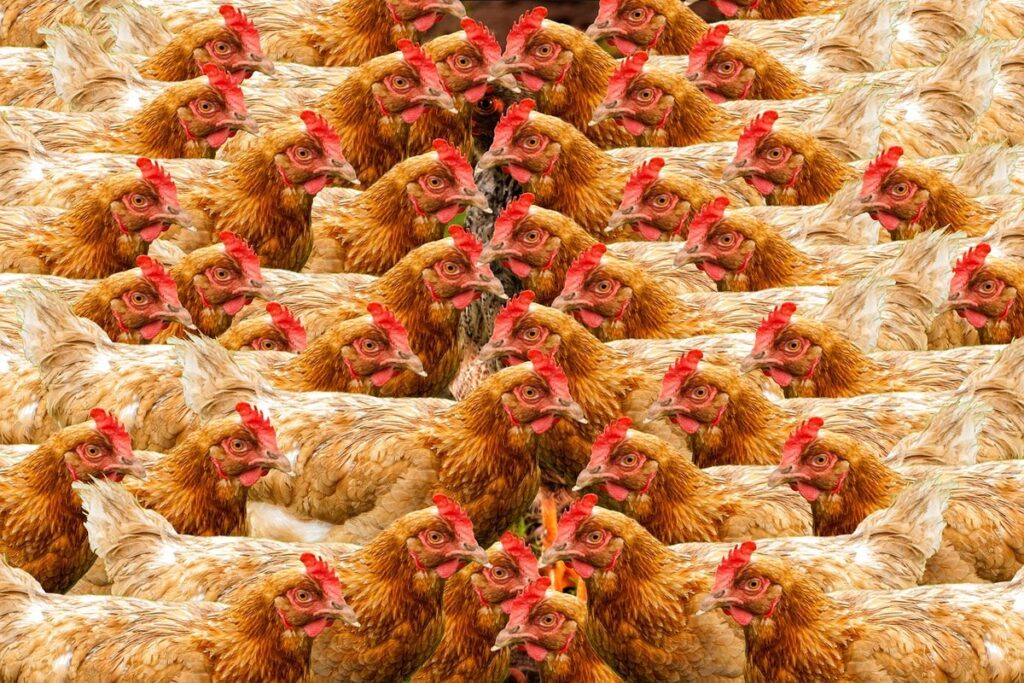
What are Cage-Free Hens?
Let’s start by understanding what cage-free hens really are: birds that have the freedom to roam, peck, and live life on their own terms without confinement. This section will break down the basics of this system.
Definition and Regulations
When it comes to cage-free hens, it’s essential to understand what this label actually means. In simple terms, cage-free hens are birds that have the freedom to roam and forage as they would naturally. They’re not confined to tiny cages, but instead, live in larger groups with access to outdoor areas where they can exercise and engage in natural behaviors.
To be labeled as “cage-free,” farms or producers must meet specific requirements set by regulatory bodies such as the US Department of Agriculture (USDA). These regulations dictate that hens have at least 1 square foot of space per bird inside the henhouse, and must have access to an outdoor area for exercise and enrichment. Additionally, farms may be audited to ensure they’re meeting these standards.
Not all cage-free systems are created equal, however. Some farms may use large barns or aviaries that provide ample space for hens to roam, while others might use more complex systems with multiple tiers and walkways. When shopping for eggs from a farm claiming to be “cage-free,” it’s crucial to look beyond the label and do your research on the specific farm’s practices.
History and Evolution of Cage-Free Hens
In recent years, cage-free hens have gained significant traction among consumers and producers alike. This shift towards cage-free systems can be attributed to changing consumer attitudes toward animal welfare and the growing emphasis on social responsibility.
The rise of cage-free hens is a direct result of increasing concerns about the treatment of animals in intensive farming practices. Consumers are now more aware than ever of the welfare implications of industrial-scale egg production, with many opting for alternatives that prioritize animal well-being. This shift is further amplified by the growing awareness of social responsibility and sustainability.
As consumers become more educated on the issue, demand for cage-free eggs has increased significantly. According to a recent market research study, 70% of millennial consumers prefer purchasing cage-free or free-range eggs over conventional ones. Producers have taken notice, with many now adopting cage-free systems in response to consumer pressure and changing regulations.
The shift towards cage-free hens is not just driven by consumer demand; it’s also fueled by the recognition that these systems can offer numerous benefits for both producers and consumers. By allowing hens to roam freely, producers can improve bird health, reduce stress-related issues, and increase overall productivity.
The Welfare Benefits of Cage-Free Hens
When it comes to cage-free hens, their improved living conditions have a direct impact on their overall health and well-being, leading to numerous welfare benefits. Let’s explore some of these advantages in more detail.
Natural Behavior and Stress Reduction
When hens are given the opportunity to engage in natural behaviors and have access to outdoor spaces, it’s astonishing to see the positive impact on their stress levels. Imagine being confined to a small, windowless room with no way to scratch or forage – that’s what many conventionally raised hens experience.
In contrast, cage-free systems allow hens to roam freely outdoors, where they can engage in essential behaviors like dust bathing and foraging. These activities not only reduce stress but also provide mental stimulation, which is crucial for their overall well-being. By mimicking their natural environment, farmers can create a more relaxed and happy flock.
Research has shown that cage-free systems can lead to significant reductions in stress-related behaviors, such as pacing and feather pecking. For example, one study found that hens in outdoor systems exhibited 70% fewer instances of pacing compared to those in conventional cages. By providing hens with the freedom to engage in natural behaviors, farmers can create a healthier, more resilient flock that’s better equipped to handle stressors in their environment.
Improved Health Outcomes
Studies have consistently shown that cage-free hens tend to experience better health outcomes compared to their caged counterparts. A significant decrease in diseases such as respiratory infections and foot problems is often observed. For instance, a study published in the Journal of Animal Science found that cage-free hens had a 30% lower incidence rate of respiratory issues compared to those kept in cages.
The reduced stress levels in cage-free hens are likely contributing factors to these improved health outcomes. Hens have the freedom to engage in natural behaviors like foraging, perching, and nesting, which can help alleviate stress. In contrast, caged hens often experience chronic stress due to the lack of space and enrichment activities.
By prioritizing the welfare of cage-free hens, farmers can create a more humane and sustainable environment for these animals. This not only leads to improved health outcomes but also contributes to higher egg quality and increased consumer satisfaction. To replicate this success in your own backyard, consider providing a spacious and well-designed coop with adequate ventilation, nesting boxes, and perches for your hens to roam freely.
Challenges Faced by Cage-Free Hens
While cage-free hens bring many benefits, they also face unique challenges such as stress and health issues due to their free-range lifestyle. Let’s dive into these complexities together.
Higher Production Costs
When it comes to cage-free systems, one of the most significant challenges is the increased production costs. As you might expect, providing hens with more space and freedom requires a substantial investment.
Firstly, there’s the issue of space requirements. Cage-free hens need room to roam, stretch their wings, and exercise, which means farms have to allocate more land for each bird. This can be particularly challenging for smaller operations or those with limited resources. For instance, a study by the Humane Society found that cage-free systems require an average of 2-3 square feet per hen, compared to just 1/4 square foot in conventional battery cages.
In addition to space, feed and labor costs also increase significantly. Hens need more food to maintain their energy levels when they’re free to roam, which translates to higher feed bills. Furthermore, the extra time and effort required for manual cleaning, monitoring, and caring for hens in cage-free systems drive up labor expenses.
To mitigate these costs, consider implementing efficient management practices such as:
* Grouping birds by age and sex to reduce competition for resources
* Implementing rotating feeding and watering systems to minimize waste
* Utilizing technology like motion sensors and automated cleaning systems
* Training staff on effective and humane handling techniques
Potential for Increased Disease Transmission
When hens are kept together in large groups or outdoors, they face a higher risk of disease transmission. In fact, studies have shown that cage-free systems can lead to a 10-20% increase in mortality rates due to disease outbreaks. This is because hens are more likely to come into contact with each other’s droppings and beak-to-beak transmission occurs more frequently.
To mitigate these risks, producers can take several measures. For example, they can implement strict biosecurity protocols, including regular cleaning and disinfection of the coop and run areas, as well as monitoring for signs of illness in individual birds. Producers can also consider using different housing systems, such as aviaries or free-range systems with secure fencing to prevent predators from entering.
Additionally, producers can take steps to reduce stress on the hens, which can also contribute to disease transmission. This can be achieved by providing a balanced diet, adequate ventilation, and plenty of space for exercise and foraging. By taking these measures, producers can minimize the risks associated with cage-free systems while still providing their hens with a more natural and humane living environment.
Cage-Free Hens: Environmental Impact
When it comes to cage-free hens, many of us wonder how their living conditions impact the environment. Let’s explore the environmental implications of raising birds without cages.
Land Use and Resource Consumption
Cage-free hens require more land to roam and forage compared to conventional battery cages. According to the USDA, a cage-free farm needs approximately 1-2 acres of land per 1,000 birds. This increase in land use is primarily due to the hens’ need to engage in natural behaviors like pecking, scratching, and foraging.
In terms of resource consumption, cage-free systems tend to require more water, particularly during hot weather conditions. A study published by the University of California found that free-range hens consume around 15% more water compared to their conventional counterparts. Additionally, feed consumption also increases in cage-free systems due to the hens’ increased activity levels.
To mitigate these environmental impacts, farmers can adopt strategies like rotational grazing and implementing efficient irrigation systems. Some farms are even exploring innovative approaches such as using recycled water or incorporating drought-resistant crops into their rotation plans. By understanding these challenges and taking proactive steps, farmers can minimize the land use and resource consumption associated with cage-free hens while still providing a more humane living environment for the animals.
Potential for Increased Greenhouse Gas Emissions
As you consider the switch to cage-free hens, it’s essential to acknowledge a potential challenge: increased greenhouse gas emissions. Changes in production methods and transportation needs can impact the environment, offsetting some of the benefits of raising hens without cages.
One key factor is the increased space requirements for cage-free hens. This means that more land, feed, and resources are needed to accommodate their larger enclosures. According to a study by the University of California, Davis, it takes approximately 25% more feed to produce eggs from free-range hens compared to those raised in cages.
Additionally, transporting eggs and feed over longer distances can lead to higher emissions. A report by the Food and Agriculture Organization (FAO) found that food transportation is responsible for around 20% of global greenhouse gas emissions. To mitigate this issue, consider partnering with local farms or exploring alternative transportation methods, such as electric vehicles.
Ultimately, it’s crucial to weigh these potential environmental trade-offs against the benefits of cage-free hens. By understanding the intricacies involved and taking steps to reduce their impact, you can make informed decisions that support a more sustainable egg production process.
Cage-Free Hens: Economic Implications
As you consider transitioning to cage-free hens, it’s essential to understand the economic implications of such a change on your farm or business. This includes costs and potential revenue streams.
Retail Price Increases
If more hens are kept in cage-free systems, it could lead to increased retail prices for egg products. This may be due to higher feed costs, labor requirements, and potential decreases in production efficiency. As a result, producers might struggle to maintain profitability if they’re unable to pass on these added expenses to consumers.
Consumers, however, are more likely to accept higher prices for cage-free eggs as long as they perceive them as being of better quality or produced under more humane conditions. A study found that 67% of American households purchase organic or natural foods, indicating a willingness to pay a premium for products aligned with their values.
To mitigate potential price increases, producers can focus on optimizing production processes and implementing cost-effective measures such as integrating rotational grazing systems or using non-GMO feed. These strategies could help reduce costs associated with cage-free hens while maintaining quality standards that appeal to consumers.
Potential for New Market Opportunities
As producers adapt to the growing demand for cage-free hens, they’re presented with an opportunity to diversify their product lines and tap into niche markets. One strategy is to develop value-added products that cater to consumers willing to pay a premium for higher-quality eggs. This could include organic, free-range, or heritage breeds.
Consider the example of a farm that produces both regular and pasture-raised eggs. By highlighting the benefits of pasture-raised hens, such as their access to fresh air and insects, producers can command a higher price point. Additionally, they can leverage this unique selling proposition (USP) to target specific consumer segments, like environmentally conscious shoppers or health enthusiasts.
Targeting niche markets also presents opportunities for innovation and differentiation. For instance, some farms are now offering “omega-3 enriched” eggs, which appeal to consumers seeking enhanced nutrition. By identifying underserved markets and creating products that meet their needs, producers can not only capture market share but also contribute to the growth of the cage-free industry as a whole.
Cage-Free Hens: Consumer Considerations
As you consider switching to cage-free eggs, there are several consumer considerations to keep in mind, from price to quality. Let’s explore what matters most to egg buyers like you.
Understanding Label Claims and Certifications
When shopping for eggs, you may have come across various label claims and certifications that promise better treatment of hens. Understanding what these labels mean is crucial to making informed choices as a consumer. “Cage-free” is one such claim, which refers to hens being raised without confinement to small cages. However, not all cage-free systems are created equal.
For example, some farms may provide hens with access to outdoor areas or windows for natural light, while others might simply remove the cages but still confine the birds indoors. This is where certifications come in – they can provide an added layer of assurance that your chosen label claim is more than just marketing speak.
Look out for certifications like Certified Humane and Animal Welfare Approved, which have strict standards for animal welfare. These organizations conduct regular inspections to ensure farms meet their guidelines. When shopping for cage-free eggs, make sure to check the packaging or ask the seller about any relevant certifications. This will help you choose a product that aligns with your values and supports better treatment of hens.
Making Informed Purchasing Decisions
When it comes to making informed purchasing decisions about cage-free hens, there are several factors to consider. As a consumer, you want to ensure that the products you buy align with your values and support humane treatment of animals. Here are some tips to help you make conscious choices:
Start by reading labels carefully, looking for certifications like “Certified Humane” or “Animal Welfare Approved.” These organizations have strict standards in place to promote animal welfare and prevent cruelty. You can also research the farm or producer to learn more about their practices.
Consider the type of product you’re buying. Cage-free eggs may not necessarily mean better conditions for hens, so look for additional labels like “free-range” or “pasture-raised.” These indicate that hens have access to outdoor spaces and are able to engage in natural behaviors.
When shopping online or at local stores, be aware of the sourcing information provided. Some companies may claim to sell cage-free products but still source from farms with questionable practices. Research the company’s policies and values before making a purchase.
Ultimately, your purchasing power can drive change in the industry. By choosing products that align with your values, you’re supporting farmers who prioritize animal welfare and sustainable practices.
Frequently Asked Questions
What if I’m on a tight budget? Can I still afford cage-free eggs?
Yes, you can still opt for cage-free eggs without breaking the bank. Consider shopping at local farmers’ markets or looking for sales at stores that carry cage-free products. You might also consider buying eggs in bulk to spread out the cost over time.
How do I know if a farm is genuinely committed to animal welfare?
Look for third-party certifications like “Certified Humane” or “Animal Welfare Approved.” These organizations audit farms to ensure they meet strict animal welfare standards. You can also check online reviews and ask farmers about their practices directly.
Can I raise my own cage-free hens at home?
Yes, if you have the space and resources, raising your own backyard chickens can be a great option. Make sure to research local regulations and provide your birds with adequate shelter, food, and water. This approach can also help reduce your carbon footprint.
What about organic vs. cage-free labels – what’s the difference?
While both terms relate to animal welfare, “organic” specifically refers to farming practices that exclude synthetic pesticides, fertilizers, and genetically modified organisms (GMOs). Cage-free hens, on the other hand, have more freedom to roam but may not necessarily be organic.
How do I support cage-free farms in my community?
Start by spreading awareness about the benefits of cage-free hens through social media or word-of-mouth. You can also consider volunteering at a local farm or participating in advocacy groups that promote animal welfare and sustainable agriculture practices.