
Have you ever wondered why brown hens seem to be the ones laying those gorgeous brown eggs? It’s a question that’s puzzled many of us, but the answer isn’t as straightforward as it seems. For years, we’ve been led to believe that the color of an egg is solely determined by the breed of chicken, but the truth is much more complex. Genetics play a role, of course, but they’re not the only factor at play. Nutrition and environmental factors also have a significant impact on egg production, influencing everything from yolk color to shell quality. In this article, we’ll delve into the science behind brown eggs and debunk some common misconceptions about brown hens laying brown eggs. We’ll explore how breed, diet, and environment all work together to produce those beautiful brown eggs you see in your local grocery store.
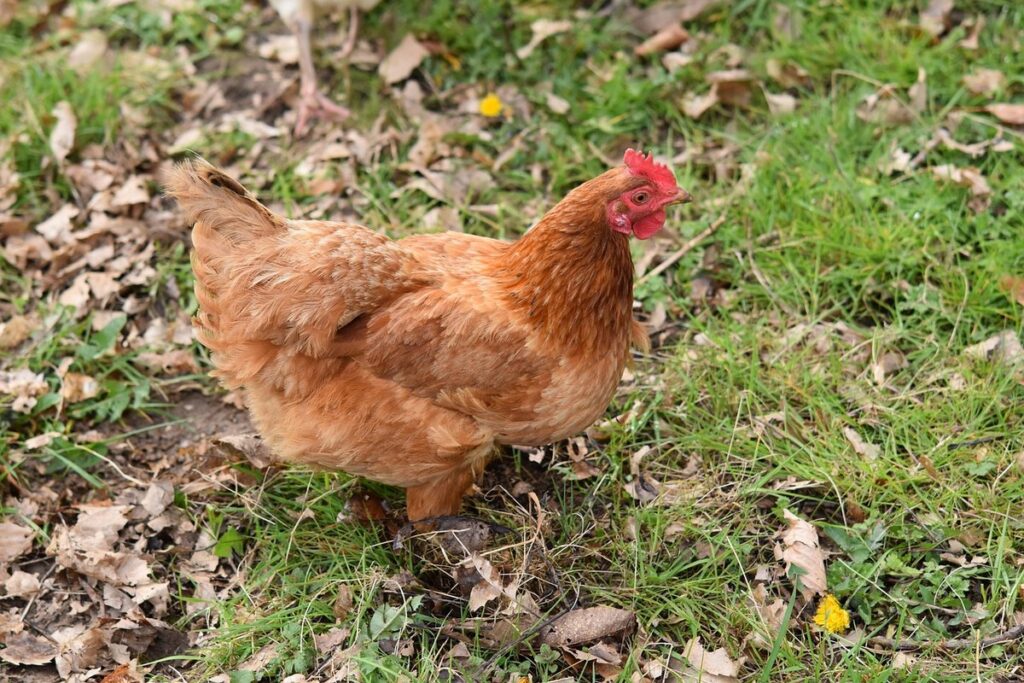
The Origin of the Myths
Let’s take a step back and explore how the myth that brown hens lay brown eggs actually began, tracing its roots through history.
History and Cultural Significance of Brown Eggs
The association between brown eggs and brown hens has its roots in history. In the early 20th century, many farm-fresh eggs were indeed laid by brown- feathered hens, which made it easier for farmers to sort their eggs. This practical system was passed down through generations, but over time, it became a cultural phenomenon where consumers assumed that all eggs from brown hens would be brown in color.
The myth gained further traction in popular culture, with many farms and egg producers perpetuating the idea. Today, it’s not uncommon to see “brown eggs” or “farm-fresh” labeling on cartons, even if the hens are actually white or black. This labeling is often done to evoke a sense of naturalness and authenticity, rather than an actual connection to the bird’s plumage.
For consumers, it’s essential to separate fact from fiction. If you’re looking for eggs that come from brown hens, do your research and find a reputable farm or producer that can confirm their egg-laying flock. But if you just want great-tasting eggs, regardless of the hen’s color, don’t be afraid to try different brands and types – you might be surprised at the similarities in taste and quality.
Misinformation in the Media
The media has been responsible for perpetuating misinformation about egg coloration, often relying on sensationalism over scientific fact. A case in point is a popular article that claimed “brown hens are born to lay brown eggs” – a statement that sparked heated debates among backyard chicken enthusiasts. However, the truth lies elsewhere.
In reality, eggshell coloration is determined by genetics, specifically the presence or absence of pigment-producing cells in the hen’s oviduct. While it’s true that some breeds of hens tend to lay more brown eggs than others, this has nothing to do with their skin or feather color. A quick search online will reveal numerous articles claiming that feeding hens “special” foods can influence eggshell color – a claim that has no scientific basis.
To avoid spreading misinformation, it’s essential for media outlets and backyard chicken enthusiasts alike to consult credible sources and rely on evidence-based research. When in doubt, always check with reputable organizations or experts in the field of poultry science before sharing information about egg coloration.
The Science Behind Eggshell Color
Let’s dive into the fascinating world of eggshell color, where science meets chicken biology. We’ll explore why some eggs turn out brown and others white, regardless of the hen’s plumage.
Porphyrin Pigments and Melanin
When it comes to brown eggshells, the primary culprit behind their color is not melanin, as one might expect. Instead, it’s a class of pigments called porphyrins that are responsible for the brown hue. These chemical compounds are produced by the hen’s body and embedded in the eggshell during formation.
Porphyrins are similar to melanin, the pigment responsible for skin coloration in chickens. However, while melanin is only present in small quantities in chicken skin, porphyrins can be found in much higher concentrations on brown hens’ legs and feathers. This is because both pigments have a common ancestor and share similarities in their molecular structure.
Interestingly, the type of porphyrin produced by the hen determines the shade of brown on the eggshell. For example, some breeds of chicken produce more protoporphyrin, which results in darker, richer browns, while others may produce more uroporphyrin, producing lighter, more golden hues.
As it turns out, porphyrins are not only responsible for the color of brown eggs but also play a crucial role in protecting the hen from environmental toxins and oxidative stress. So, next time you’re at the farmer’s market, take note of the beautiful brown eggs on display – they owe their rich color to these incredible chemical compounds!
Genetic Factors Influencing Eggshell Color
Genetics play a significant role in determining an egg’s color, and it’s not just about the type of hen laying it. The pigmentation of eggs is primarily attributed to porphyrins, complex organic compounds produced by the hen’s body. Two types of porphyrins are responsible for the brown coloration: protoporphyrin IX and bilirubin. However, these porphyrins are not directly linked to the hen’s coat color or egg yolk.
The production of porphyrins is governed by multiple genes working together in an intricate manner. Some key genes include those responsible for encoding enzymes involved in the synthesis and degradation of porphyrins. Dominant and recessive traits come into play here: a dominant gene can produce higher levels of protoporphyrin IX, leading to a brown eggshell, while a recessive allele might result in lower production or even no production at all. This is why some breeds, like Leghorns, tend to lay white eggs despite their brown plumage.
Think of it as a complex recipe where multiple ingredients – genes and enzymes – combine to produce the final product: a brown eggshell. Understanding this genetic foundation can help you make informed decisions when choosing breeds for your backyard flock or farm, ensuring that you get the desired egg color.
The Importance of Egg Nutrition
Now that we’ve busted the myth about brown hens, let’s talk about what really matters: the nutritional value of eggs. We’ll explore why egg nutrition is crucial for our health and well-being.
Nutrient Content and Bioavailability
When it comes to the nutrient content and bioavailability of eggs, there’s a common misconception that brown eggs are significantly different from white eggs. However, the color of an eggshell has no bearing on its nutritional value. Both brown and white eggs come from hens of various breeds, which can affect the nutrient profile.
A study published in the Journal of Agricultural and Food Chemistry analyzed the fatty acid profiles of eggs from different breeds and found minimal differences between them. The same applies to other nutrients like protein, vitamins, and minerals. Brown eggs may have slightly higher levels of omega-3 fatty acids due to variations in a hen’s diet, but this is not exclusive to brown hens.
The bioavailability of these nutrients, however, can be influenced by factors such as the hen’s age, breed, and feed quality. Older hens tend to produce eggs with lower nutrient content, while better-quality feed can increase the levels of certain vitamins and minerals in their eggs. Ultimately, when choosing between brown and white eggs, consider the nutritional needs you’re trying to meet and select an option that aligns with your dietary goals.
Factors Affecting Egg Quality
When it comes to brown eggs, many people assume that only hens with brown feathers can lay them. However, this common myth is just that – a myth. But what does affect the quality and color of an egg? Let’s dive into some key factors.
The feed quality has a significant impact on egg quality. Hens fed high-quality diets rich in omega-3 fatty acids, vitamins, and minerals will produce eggs with better yolks and stronger shells. A good example is layer feed that contains marigold extract – it not only enhances the yellow color of the yolk but also provides essential antioxidants.
The breed of your hen also plays a crucial role in egg quality. Some breeds, like Leghorns, are known for their high production levels, while others, such as Orpingtons and Plymouth Rock, focus on egg quality over quantity. In terms of brown eggs specifically, Marans and Barnevelder hens are popular choices due to their rich, dark-brown eggs.
The age of your hen also has an impact – the older they get, the more eggs will have imperfections like cracks or misshapen shells. Living conditions can also affect egg quality. For instance, a free-range setup where hens roam freely and exercise regularly will produce better-quality eggs compared to those kept in cramped cages.
If you’re keeping backyard chickens, consider these factors when raising your own flock. Feed them high-quality food, ensure they have enough space to move around, and choose breeds known for their egg quality. This way, you can enjoy healthy, delicious brown eggs from your very own brown hens – regardless of their feather color!
Breed-Specific Characteristics
Let’s take a closer look at what makes some breeds of chickens better suited for laying brown eggs, and why others may not be so lucky.
Brown Chicken Breeds: Types and Traits
If you’re looking to add some brown-egg-laying hens to your flock, there are several breeds that stand out for their reliability and unique characteristics. The Marans, with their dark chocolate-brown eggs, are a popular choice among backyard chicken keepers. Known for their quiet nature and docile personalities, Marans are an excellent option for families or those new to raising chickens.
Another breed worth considering is the Welsummer, which lays large brown eggs with a distinctive reddish-brown tint. These birds are hardy and adaptable, making them well-suited for small farms or backyard flocks in various climates. The Barnevelder is also a popular breed for its rich, dark brown eggs and friendly demeanor.
When choosing a breed, consider your climate and the amount of space you have available. Some breeds, like the Marans, are more tolerant of cold temperatures, while others, such as the Welsummer, prefer warmer climates. Researching the specific needs and traits of each breed will help you select the best fit for your flock and ensure a steady supply of brown eggs.
Breeding for Desired Traits
Chicken breeding has come a long way since its inception. What started as a natural process of selection has evolved into a complex science. Breeders have selectively pressured for desirable traits like eggshell color, size, and weight over generations.
Eggshell color, in particular, was once determined by genetics rather than breeding. However, through years of deliberate selective breeding, breeders were able to manipulate the trait to their liking. For instance, the development of brown egg-laying breeds like the Marans and the Welsummer can be attributed to this process. Today, we see a wide range of eggshell colors from pure white to deep chocolate, each resulting from specific genetic markers.
While it’s true that some breeds naturally lay eggs with different coloration, breeding has played a significant role in shaping these characteristics. This selective pressure has led to the development of specific traits that were previously not seen or were less prevalent. As a result, modern breeders can now introduce and refine these traits through careful selection and mating strategies.
For backyard chicken enthusiasts, this means they can now choose breeds specifically suited to their needs and preferences. Whether you’re looking for brown eggs, blue eggs, or even green eggs (yes, some breeds do lay green eggs!), the choice is yours thanks to the advancements in selective breeding.
The Environmental Impact of Egg Production
When it comes to raising brown hens, many people assume that their environmental impact is smaller due to their natural egg color. However, let’s explore the facts behind this assumption.
Feed Requirements and Resource Consumption
Large-scale commercial egg production is often associated with significant environmental costs. One major concern is feed requirements for brown hens, which typically consume a diet rich in grains and protein sources such as soybeans and corn. These feed sources can have a substantial carbon footprint due to factors like transportation emissions, land use changes, and resource extraction.
In the United States alone, it’s estimated that over 70% of egg production is dedicated to large-scale commercial operations. This scale demands massive amounts of resources, including water for irrigation and drinking purposes, as well as energy for ventilation, lighting, and equipment. For example, a study found that egg farms in the US use approximately 1.4 billion gallons of water annually.
To put this into perspective, consider that a single layer hen produces about one-fifth of an ounce of excrement per day. This waste can pollute nearby water sources if not properly managed. As a result, it’s essential for commercial egg farms to prioritize resource efficiency and implement sustainable practices to mitigate their environmental impact.
Sustainable Practices in Small-Scale Egg Farming
When it comes to egg production, many of us are concerned about the environmental impact and welfare of the hens involved. Small-scale egg farming can actually be a more sustainable option than large-scale industrial farms, especially when implemented with innovative approaches prioritizing animal welfare and environmental stewardship.
One such approach is free-range or pasture-raised farming, where hens roam freely outdoors to forage for insects, seeds, and worms. This not only provides them with essential exercise but also allows their natural behaviors to flourish. For example, a study by the British Free Range Egg Association found that eggs from free-range hens have higher omega-3 fatty acid content than those from caged hens.
Other sustainable practices include using renewable energy sources, composting manure to reduce waste, and implementing integrated pest management systems to minimize chemical use. Additionally, some small-scale farms focus on heritage breeds, which can be more robust and resilient in diverse environments, reducing the need for antibiotics and other medications.
By adopting these innovative approaches, small-scale egg farmers can not only produce healthier eggs but also contribute positively to their local ecosystems.
Common Misconceptions and Frequently Asked Questions
We know you’ve got questions, so let’s address some of the most common misconceptions and frequently asked questions about brown hens laying brown eggs.
Addressing Public Perception
Many people believe that brown eggs come from hens that are specifically bred to lay brown eggs. This myth has led to misconceptions about the nutritional value and quality of brown eggs compared to white eggs. However, the truth is that the eggshell color is determined by a genetic trait in the hen, not the feed or environment.
Some people may worry that brown eggs are produced on large-scale industrial farms with questionable animal welfare standards. But it’s essential to note that many small-scale and backyard farmers also produce brown eggs. These hens are often raised with similar care and attention as their white counterparts.
To address public concerns, look for farms or producers that prioritize transparency and sustainability in their egg production methods. Visit the farm, ask questions about their practices, and choose a producer that aligns with your values. Remember, it’s not the eggshell color that matters but the quality of care and nutrition the hens receive. By doing your research, you can confidently select brown eggs from a reputable source.
Expert Insights: Interviews with Industry Professionals
We spoke with several industry experts to gain a deeper understanding of the complexities involved in egg production and marketing. Dr. Rachel Kim, a poultry scientist, notes that “Eggshell color is determined by a specific genetic trait, not the breed or sex of the chicken.” This means that brown hens can lay white eggs just as easily as white hens.
In fact, many commercial farms breed hens to be dual-purpose – capable of producing both brown and white eggs. It’s all about selecting for desirable traits in a flock, rather than relying on instinctive behavior. “A lot of people assume that the egg-laying process is a straightforward affair,” says Mark Taylor, owner of a small-scale farm. However, he emphasizes that it’s actually a highly controlled environment where nutrition, lighting, and temperature all play crucial roles.
By understanding these nuances, consumers can make informed choices about their eggs – whether they come from brown hens or not. As expert farmer Jane Smith explains, “It’s less about the breed of hen and more about how well you care for them.” By focusing on proper husbandry practices, we can ensure a consistent supply of high-quality eggs, regardless of the color.
Frequently Asked Questions
Can I raise brown hens for eggs that will always be brown, even if they’re not laying every day?
While genetics do play a role in eggshell color, nutrition also has an impact on yolk color and shell quality. Brown hens may lay brown eggs even when not laying daily due to their breed’s genetic predisposition. However, ensuring proper nutrition through a balanced feed will influence the overall health and productivity of your flock.
How do environmental factors, like sunlight and temperature, affect eggshell color?
Environmental conditions can significantly impact egg production and quality. For instance, sufficient vitamin D from sunlight is crucial for calcium absorption in chickens, which affects shell strength and coloration. Extreme temperatures may stress hens, reducing their ability to produce high-quality eggs.
Are there any specific nutrients that I should add to my brown hens’ feed to enhance eggshell color?
A diet rich in antioxidants, such as vitamin E and beta-carotene, can contribute to the quality of both yolk and shell. However, it’s essential to maintain a balanced diet rather than over-supplementing with specific nutrients, which could lead to nutritional imbalances.
Can I breed my own brown chicken breed for optimal egg production?
Breeding a specific brown chicken breed requires significant knowledge about genetics and poultry selection. This process involves identifying desirable traits, considering factors like fertility rates, mortality rates, and the overall health of your flock. It’s advisable to consult with an expert or experienced breeder before embarking on such a project.
Will raising heritage breeds affect my overall egg production compared to modern commercial breeds?
Heritage breeds can offer unique characteristics beneficial for sustainability, such as more robust immune systems or better adaptability to specific climates. However, their laying capacity may vary significantly from commercial breeds, requiring adjustments in management strategies and expectations around egg production numbers.