
Are you tired of sacrificing egg production for better meat quality? Or perhaps you’re looking to start a small-scale poultry farm, but don’t know where to begin with selecting the right chicken breeds. Whatever your situation may be, choosing the right meat laying chicken breed can make all the difference in achieving your goals. These birds are not only capable of producing high-quality eggs but also provide a reliable source of meat. In this article, we’ll explore some of the best meat laying chicken breeds and how to optimize their performance with proper nutrition, breeding, and management strategies. From the heritage breeds like Plymouth Rock to the more modern varieties, we’ll delve into their characteristics, advantages, and potential pitfalls, providing you with the knowledge to make informed decisions for your poultry operation.
Introduction to Meat Laying Chicken Breeds
Welcome to the world of meat laying chicken breeds, where we’ll explore the top varieties that deliver on both flavor and production. Let’s dive into their unique characteristics and traits.
Brief History of Meat Laying Chicken Breeds
The history of meat laying chicken breeds is a story of selective breeding and adaptation to meet the demands of modern poultry farming. For centuries, farmers have been developing breeds that combine fast growth rates with high-quality meat production. One of the earliest recorded examples of meat laying chicken breeds is the Old English Game Fowl, which dates back to the 16th century.
In the early 20th century, the introduction of new breeds from Europe and Asia significantly improved the efficiency and productivity of meat laying chicken farming. The Cornish Cross and the Plymouth Rock are two of the most popular breeds used in modern commercial poultry operations. These birds have been bred to grow rapidly and efficiently convert feed into muscle mass.
The development of meat laying chicken breeds has continued to evolve with advancements in technology and genetics. Today, many farms use specialized breeding programs to select for desirable traits such as rapid growth rates, improved feed efficiency, and enhanced disease resistance. By understanding the history and evolution of meat laying chicken breeds, farmers can make informed decisions about their own operations and optimize their production systems for maximum profitability.
Benefits of Raising Meat Laying Chickens
Raising meat laying chickens is an excellent choice for backyard farmers and small-scale producers. One of the primary benefits of these birds is their incredibly fast growth rate. Many breeds can reach maturity within 5-6 weeks, making them a great option for those who want to harvest chickens quickly.
In addition to their rapid growth, meat laying chickens are also prolific egg layers. Some breeds can produce up to 300 eggs per year, making them a valuable asset for small farms or homesteads where eggs and meat are in high demand. This dual-purpose nature of these birds is one reason they’re so popular among farmers.
Another advantage of raising meat laying chickens is their adaptability when it comes to feed. They can thrive on a wide range of diets, from scratch-made feeds to commercial pellets. This flexibility makes them an excellent choice for small-scale producers who may not have the resources to devote to expensive feed formulas.
This versatility also means that you can save money on feed costs and still produce high-quality eggs and meat. For example, by using locally sourced ingredients and supplements, you can create a custom feed blend that meets your flock’s specific needs while reducing waste and environmental impact.
Characteristics of Popular Meat Laying Chicken Breeds
When choosing a meat laying chicken breed, it’s essential to consider their temperament, growth rate, and feed efficiency to ensure you get the best results for your farm or backyard flock. Let’s take a closer look at some popular characteristics of top-performing breeds.
Breed 1: Cornish Cross
The Cornish Cross is one of the most popular meat laying chicken breeds globally, prized for its exceptional weight gain rate and feed efficiency. These birds can grow up to 5 pounds in just 6 weeks, making them an ideal choice for commercial poultry producers and backyard farmers alike.
One of the standout characteristics of the Cornish Cross is their remarkable ability to convert feed into muscle mass. Their feed conversion ratio (FCR) is around 2:1, which means that for every two pounds of feed they consume, they produce one pound of body weight. This high FCR is a result of their genetic makeup, designed specifically for efficient growth and meat production.
In terms of egg production, the Cornish Cross is not known for its prolific laying abilities. While they will lay some eggs, especially in younger birds, their primary focus is on muscle development rather than egg production. As such, you can expect around 100-150 eggs per year from a mature Cornish Cross hen.
It’s worth noting that the Cornish Cross has been criticized for its potential health issues, including rapid weight gain and high mortality rates. However, with proper care and management, these birds can thrive and provide a consistent supply of meat for your family or customers.
Breed 2: Plymouth Rock
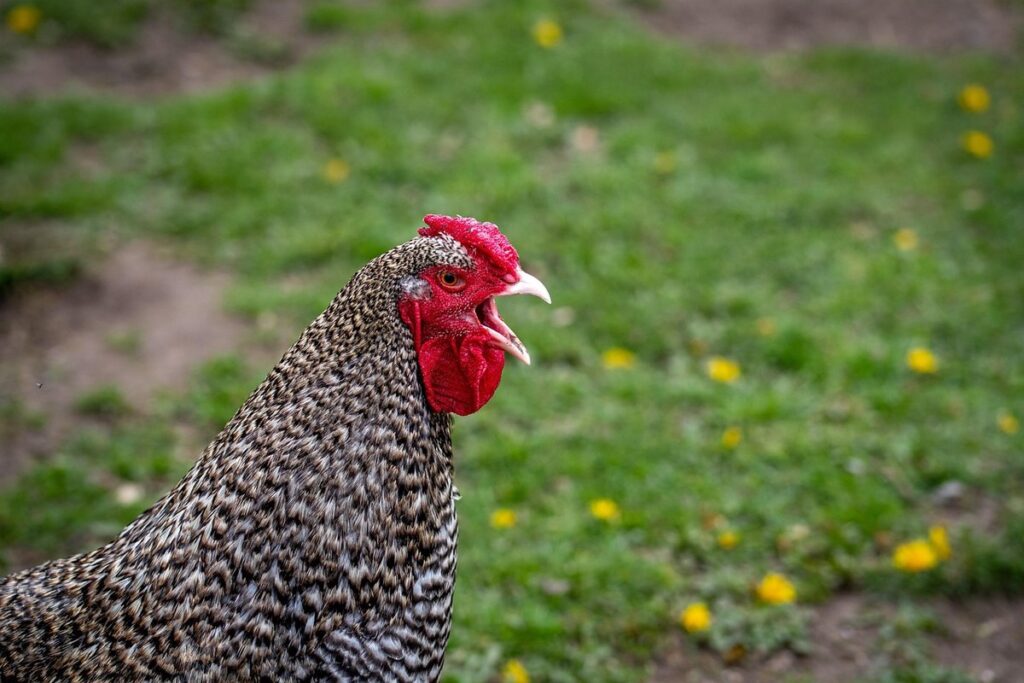
The Plymouth Rock breed is another popular choice among chicken enthusiasts. Known for their robust build and sturdy legs, these birds can weigh between 8-12 pounds when fully grown, making them an excellent option for those looking to produce large quantities of meat. Their temperament is also worth noting – Plymouth Rocks are friendly, docile, and relatively quiet compared to other breeds.
In terms of adaptability, Plymouth Rocks are highly versatile and can thrive in a variety of environments. They’re well-suited for both backyard flocks and commercial operations due to their hardiness and ease of care. However, it’s essential to provide them with adequate space, as they can become overweight if overfed or confined.
Some chicken keepers also appreciate the breed’s high fertility rates and excellent mothering abilities, making them a popular choice for those looking to raise chicks naturally. Overall, Plymouth Rocks are an excellent addition to any flock, offering a perfect balance of meat production and manageable temperament. By incorporating these birds into your operation, you can enjoy a consistent supply of fresh eggs while also benefiting from their friendly nature.
Factors Affecting Meat Laying Performance
To achieve top-notch meat laying performance, it’s crucial to consider several key factors that can impact your flock’s production and overall health. Let’s explore these essential considerations together.
Nutrition and Feed Quality
When it comes to optimizing meat laying performance, nutrition and feed quality are critical components that can make or break the success of your flock. Providing a balanced diet is essential for promoting healthy growth, fertility, and egg production in meat laying chickens.
A well-balanced diet should include adequate amounts of protein (16-20% of dry matter) to support muscle growth and maintenance, energy-rich ingredients like corn or soybeans to fuel daily activities, and micronutrients such as calcium and phosphorus for strong bones and eggshell production.
To ensure you’re meeting your flock’s nutritional needs, it’s essential to understand their specific dietary requirements based on age, breed, and performance level. For example, meat laying chickens require more energy and protein during the growth phase than at maturity.
By providing a high-quality feed that meets these nutritional demands, you can expect improved egg production, better weight gain, and enhanced overall health in your flock. Consider consulting with a poultry nutritionist or veterinarian to develop a customized feeding program tailored to your meat laying breed’s unique needs.
Health and Disease Management
Maintaining good health and disease management is crucial to ensure optimal meat laying performance. Common diseases in chicken flocks include Avian Influenza, Infectious Bronchitis, and Newcastle Disease. These diseases can lead to reduced egg production, increased mortality rates, and even the loss of an entire flock.
Good biosecurity practices are essential to prevent the introduction and spread of diseases. This includes regular cleaning and disinfection of coops and equipment, proper ventilation, and strict control over visitors and supplies. It’s also important to implement a vaccination program tailored to your flock’s specific needs.
Proper nutrition is another critical factor in disease management. A balanced diet that meets the nutritional requirements of meat laying hens can help boost their immune system and reduce the risk of disease. Regular health checks, monitoring for signs of illness, and prompt treatment when necessary are also vital components of a successful disease management plan. By prioritizing health and taking proactive measures, you can minimize the impact of diseases on your flock’s performance and ensure optimal meat laying results.
Breeding and Selection Strategies
To maximize egg production, it’s essential to understand how breeders select and develop their meat laying chicken breeds. This selection process involves various breeding strategies that you should know.
Selective Breeding for Desired Traits
Selective breeding is a fundamental aspect of improving meat laying performance in chicken breeds. The goal is to amplify desirable traits such as rapid growth rate and high egg production while minimizing undesirable ones like disease susceptibility. Breeders achieve this by selecting individuals that exhibit exceptional characteristics, which are then mated to produce offspring inheriting these traits.
One example of selective breeding for desired traits is the development of Ross 308 and Cobb 500 breeds. These breeds were specifically designed to excel in rapid growth rate and high egg production. Farmers can replicate this success by implementing a similar selection process on their own farm, focusing on birds that exhibit impressive growth rates and prolific egg-laying capabilities.
To initiate selective breeding, farmers should first identify their top-performing birds and record their characteristics. They can then use these traits to make informed decisions about which birds to breed together, maximizing the chances of producing offspring with desirable attributes. This process requires patience, attention to detail, and a clear understanding of the specific traits being targeted. By doing so, farmers can significantly enhance the meat laying performance of their flock.
Linebreeding and Inbreeding Programs
When it comes to improving meat laying performance, some breeders opt for linebreeding and inbreeding programs. These methods involve selecting individuals with desirable traits and breeding them repeatedly to concentrate those characteristics in their offspring. The goal is to create a more consistent and efficient producer of eggs.
One benefit of linebreeding and inbreeding is the potential for increased egg size and quality. By focusing on specific traits, breeders can amplify the genetics associated with large eggs, making it easier to meet market demand. For instance, a breeder might select birds known for their exceptional egg size and then breed them together repeatedly to concentrate these genes.
However, linebreeding and inbreeding also come with limitations. Inbreeding, in particular, carries risks of reduced fertility, increased susceptibility to disease, and lower overall health. To minimize these risks, it’s essential to carefully select breeding stock and monitor the program closely for signs of negative impact. Regular health checks, genetic testing, and careful record-keeping can help ensure that linebreeding and inbreeding programs are implemented effectively.
Environmental Factors Affecting Meat Laying Performance
As you delve into raising meat laying chicken breeds, it’s essential to understand how environmental factors can impact their performance and productivity in your flock. Temperature, humidity, and air quality are just a few key considerations.
Climate and Temperature Effects
When it comes to meat laying chicken breeds, environmental factors play a significant role in their performance. One of the most critical environmental factors is climate and temperature. Extreme temperatures can have a detrimental effect on growth rate, egg production, and feed efficiency.
For example, if your flock is exposed to high temperatures for an extended period, they may experience heat stress. This can lead to reduced feed intake, decreased egg production, and increased mortality rates. On the other hand, cold temperatures can also impact performance, with some breeds more susceptible than others.
To mitigate these effects, it’s essential to provide adequate ventilation and cooling systems in your coop. You should also ensure that your birds have access to shade and shelter from extreme weather conditions. Additionally, consider selecting breeds that are better adapted to your local climate. For instance, the Cornish Cross breed excels in hot climates due to its efficient heat dissipation mechanisms.
Monitoring temperature and humidity levels can help you take proactive measures to protect your flock. Aim to maintain a temperature range of 40°F to 80°F (4°C to 27°C) for optimal performance. By doing so, you’ll be able to optimize their growth rate, egg production, and overall health, ultimately leading to better meat laying performance.
Housing and Management Systems
When it comes to raising meat laying chickens, the housing and management systems used can have a significant impact on their performance and overall welfare. Different production methods cater to various needs and preferences, from free-range and organic to intensive production.
Free-range systems allow birds to forage freely outdoors, which can improve their health and well-being by providing access to fresh air, sunlight, and insects. However, this method requires a significant amount of land and may not be suitable for small-scale farmers or those with limited space. On the other hand, organic production emphasizes natural feed and living conditions, promoting a more sustainable and environmentally friendly approach.
Intensive production methods, such as battery cages, are often used in large-scale commercial operations where high egg production is prioritized over animal welfare. However, these systems have been criticized for their impact on bird health and behavior. It’s essential to weigh the pros and cons of each method and consider factors like land availability, resource efficiency, and labor costs when deciding which housing and management system best suits your operation.
Ultimately, choosing a suitable housing and management system will depend on your specific situation and goals. By understanding the trade-offs between different production methods, you can make informed decisions that balance productivity with animal welfare and environmental sustainability. Consider factors like climate, feed quality, and labor availability when selecting a method that works for you.
Marketing and Sales Strategies
To successfully market and sell meat laying chicken breeds, you’ll need a solid strategy that highlights their unique benefits and appeals to your target audience. This section explores key marketing and sales tactics for breeders and farmers alike.
Understanding Your Target Market
When it comes to promoting your meat laying chicken products, understanding your target market is crucial. You need to know who your ideal customer is, what they’re looking for in a meat laying breed, and how they make purchasing decisions.
Let’s start with demographics. Your target market may include small-scale farmers, backyard poultry enthusiasts, or even large commercial operations. Each of these groups has unique needs and preferences when it comes to meat laying chickens. For example, small-scale farmers might prioritize breeds that are easy to manage and require minimal space, while commercial operations might focus on high-production breeds with specific characteristics like egg-laying capacity or feather quality.
To understand your target market’s preferences, you can conduct surveys or focus groups. Ask questions about their experience level, desired breed characteristics, and preferred production methods. This will help you tailor your marketing efforts to effectively reach and engage with your audience.
Consider the following when developing your marketing strategy:
* What is your target customer’s pain point (e.g., low egg production, disease resistance)?
* How do they prefer to purchase products (online, in-person, through a broker)?
* What features or characteristics are most important to them?
* Are there any regional or cultural factors that influence their purchasing decisions?
By understanding these key points, you can create targeted marketing campaigns and sales strategies that speak directly to your target market’s needs.
Pricing and Profitability Analysis
When it comes to pricing and profitability analysis for your meat laying chicken products, finding that delicate balance between revenue and customer demand is crucial. You want to ensure you’re generating enough income from each egg sold while still being competitive in the market.
To determine a fair price for your eggs, consider calculating your costs per unit. This includes feed, healthcare, labor, and any other expenses directly related to raising your chickens. Use data points such as average feed costs ($0.15 per pound of feed) and average egg production rates (280-300 eggs per year per bird) to inform your pricing decisions.
Consider the target audience for your products – are you selling directly to consumers or to restaurants? If it’s the former, you may want to price more competitively to reflect consumer willingness to pay. Research what similar producers in your area are charging and use this information as a benchmark.
You should also keep an eye on trends like fluctuating feed prices and changing market demand for eggs. Being responsive to these changes can help you maintain profitability without sacrificing sales volume. By regularly reviewing your pricing strategy and making adjustments as needed, you’ll be better equipped to navigate the complexities of the poultry industry.
Conclusion and Future Perspectives
As we wrap up our comprehensive guide to meat laying chicken breeds, let’s take a step back and discuss what the future holds for these incredible birds. We’ll explore potential developments in this exciting niche.
Recap of Key Points
In this comprehensive guide to meat laying chicken breeds, we’ve covered a wide range of essential topics that will help you make informed decisions when it comes to selecting the right breed for your needs. To recap, here are the key takeaways:
Selecting the right breed is crucial for optimal performance and productivity. Factors such as climate adaptation, feed efficiency, and disease resistance should be carefully considered before making a choice.
Providing optimal nutrition and care will directly impact the health and well-being of your flock. This includes ensuring access to clean water and a balanced diet that meets their nutritional needs.
Effective breeding and management practices are also vital for success in meat laying chicken production. This involves implementing sound hatchery and grow-out procedures, monitoring for disease and pests, and adopting stress-reducing techniques.
By following these key points, you’ll be well on your way to raising a healthy and productive flock that meets your needs. Remember, every decision counts when it comes to the success of your meat laying chicken operation.
Emerging Trends and Opportunities
The meat laying chicken industry is on the cusp of significant advancements that will further enhance productivity and efficiency. One area to watch is genetics, where scientists are developing new breeds with improved feed conversion ratios, faster growth rates, and increased egg production. For instance, the discovery of the IGF1 gene has enabled breeders to create strains with enhanced muscularity and bone density.
Advances in nutrition have also revolutionized meat laying chicken breeding. Researchers are exploring novel feed ingredients that optimize energy intake while minimizing waste. This includes algae-based supplements and precision-fed diets tailored to specific life stages. Furthermore, studies on probiotics and prebiotics are showing promising results in improving gut health and overall bird well-being.
The integration of technology is another exciting trend. Automated feeding systems, climate-controlled coops, and data analytics software will continue to streamline operations, reduce labor costs, and improve welfare standards. For example, the use of drones for aerial monitoring has increased efficiency in detecting health issues and reducing disease outbreaks by up to 50%.
Frequently Asked Questions
How can I optimize the meat laying performance of my existing flock?
To maximize your meat laying chickens’ performance, ensure they have access to high-quality feed, adequate space, and optimal climate conditions. Monitor their health regularly and implement disease management strategies as needed. Also, consider implementing linebreeding or inbreeding programs to select for desired traits.
What are the key differences between heritage breeds like Plymouth Rock and modern varieties?
Heritage breeds like Plymouth Rock tend to be more resistant to diseases due to their genetic diversity, while modern varieties often prioritize fast growth rates over disease resistance. However, modern breeds may have advantages such as increased egg production or improved meat quality. Choose a breed that aligns with your specific needs and resources.
How do I balance the nutritional needs of my meat laying chickens?
Nutritional requirements can vary depending on factors like age, sex, and climate. Ensure your feed meets their energy needs by providing adequate protein, fiber, and essential vitamins and minerals. A balanced ration should also account for their growth stage, whether it’s brooding, rearing, or adult production.
Can I use a single breed for both meat and egg production?
Yes, some breeds like the Cornish Cross excel in both areas due to their fast growth rate and high-quality meat. However, other factors such as climate, space, and marketing strategies can also influence your decision. Consider the specific needs of your operation when choosing a breed that meets multiple goals.
How do I develop my own linebreeding program for selective breeding?
To create an effective linebreeding program, begin by selecting birds with desirable traits and breeding them to maintain genetic consistency. Regularly monitor their performance and adjust your selection criteria as needed. Keep accurate records of your breeding progress, including pedigree information and growth data.