
Are you an aspiring backyard farmer or just starting to learn about these fascinating creatures? If so, let me ask you: have you ever stopped to admire the stunning plumage and unique characteristics of different chicken breeds? With over 300 distinct varieties worldwide, it’s no wonder that choosing the right breed can be a daunting task. That’s where our comprehensive guide comes in – featuring pictures and names of more than 20 popular chicken breeds, including large fowl, bantams, heritage, and one-of-a-kind varieties. Whether you’re looking to raise chickens for eggs, meat, or simply as pets, this article will take you on a visual journey through the wonderful world of chicken breeds. Get ready to discover which breed is right for you!
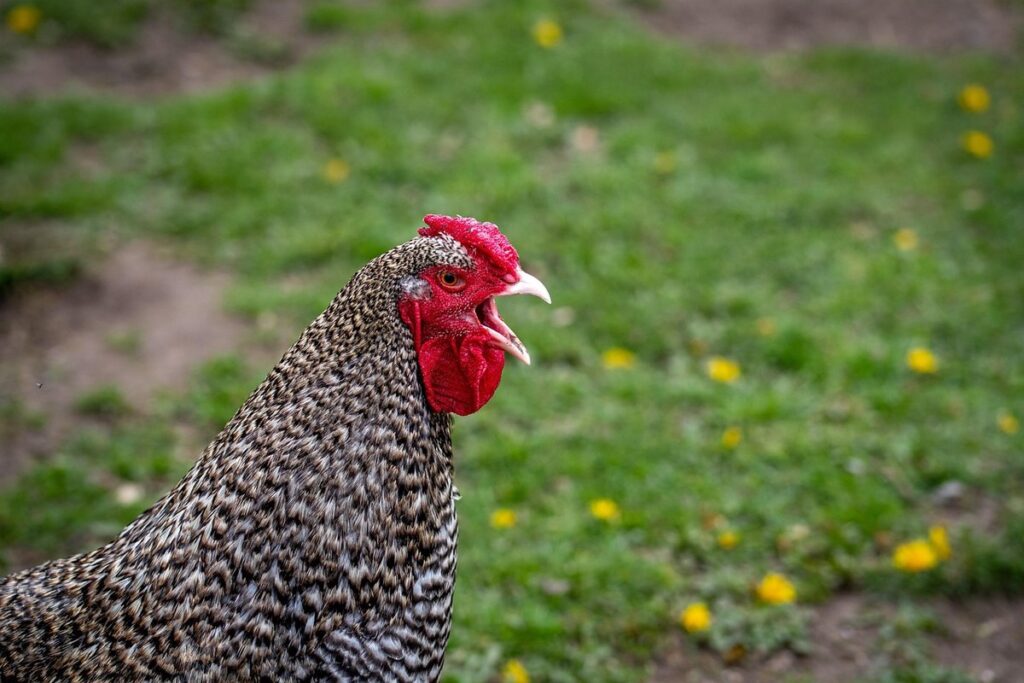
Introduction to Chicken Breeds
Let’s dive into the wonderful world of chicken breeds, where you’ll discover over 300 unique and fascinating varieties from around the globe. We’re starting with a beginner’s guide to help you get started!
What are Chicken Breeds?
When it comes to raising chickens, one of the most exciting aspects is exploring the diverse world of chicken breeds. A chicken breed refers to a specific group of chickens that have been selectively bred for desirable characteristics such as egg-laying ability, meat production, feather quality, or temperament.
There are over 300 recognized chicken breeds worldwide, each with its unique appearance, size, and personality traits. Understanding the different chicken breeds is crucial for both beginners and experienced farmers, as it helps you choose the right breed that fits your needs, lifestyle, and available space.
For instance, if you’re looking to raise chickens primarily for eggs, a breed like Leghorn or Rhode Island Red might be an excellent choice due to their high egg-laying capacity. On the other hand, if you want chickens for meat production, breeds such as Plymouth Rock or Cornish Cross would be more suitable.
Benefits of Learning About Different Chicken Breeds
Learning about different chicken breeds can be a fascinating and rewarding experience for backyard chicken keepers. Not only will you gain a deeper understanding of their unique characteristics, but you’ll also discover the perfect breed to suit your needs and lifestyle.
Each chicken breed has its own distinct features, such as egg-laying abilities, temperament, and growth rate. For instance, some breeds like Leghorns are known for their high egg production, while others like Silkies make excellent pets due to their friendly and docile nature. By learning about these differences, you can choose a breed that fits your specific requirements.
Moreover, familiarizing yourself with various chicken breeds will also help you identify potential health issues or genetic problems within a particular lineage. This knowledge is essential for maintaining a healthy flock and making informed decisions when selecting new birds to add to your collection.
Whether you’re a seasoned breeder or just starting out, learning about different chicken breeds can enrich your experience and ensure the well-being of your feathered friends.
Most Popular Chicken Breeds
Let’s take a closer look at some of the most beloved and sought-after chicken breeds, known for their unique characteristics and desirable traits. From Leghorns to Brahma roosters, we’ve got you covered!
Large Fowl Breeds
When it comes to large fowl breeds, many backyard chicken enthusiasts and farmers swear by their egg-laying capabilities and gentle nature. Take the Leghorn breed, for example, which is known for its high egg production and sleek, white plumage. With around 300 eggs per year, Leghorns are a popular choice among commercial farms and small-scale homesteaders alike.
Another beloved large fowl breed is the Orpington, prized for its soft, fluffy feathers and robust build. Orpingtons are known to be friendly and docile, making them an excellent choice for families with children or for those new to raising chickens. Their eggs, while not as prolific as some other breeds, are often described as having a rich, buttery flavor.
If you’re considering adding either of these breeds to your flock, it’s essential to remember that large fowl breeds require more space and care than smaller varieties. Be sure to provide ample room for them to roam and forage, and plan on spending more time cleaning out their coop and ensuring they have a balanced diet.
Bantam Breeds
Bantam breeds are a popular choice among backyard chicken keepers due to their small size and unique features. These tiny chickens make up for their lack of stature with their big personalities and distinctive looks.
One of the most recognizable bantam breeds is the Silkie, known for its fluffy, soft feathers that give it a teddy bear-like appearance. Polish bantams are another popular choice, characterized by their crest of feathers on top of their heads, which can be quite elaborate in some varieties. Other notable bantam breeds include the Japanese Bantam and the Dutch Bantam.
If you’re thinking of adding a bantam breed to your flock, it’s essential to consider their space requirements. While they may not need as much room as standard-sized chickens, bantams still require adequate space to roam and exercise. A minimum of 2-3 square feet per bird is recommended, but more is always better.
When choosing a bantam breed, look for ones that are friendly, docile, and easy to handle. This will make them a joy to care for and interact with. With proper care and attention, your bantam chickens will thrive and become beloved members of your flock.
Heritage Breeds
Heritage chicken breeds have been around for centuries, bringing with them a rich history and unique characteristics. The Dominique, one of the oldest American breeds, is known for its dark brown feathers and friendly demeanor. This breed was highly valued by farmers due to its hardiness and ability to thrive in cold climates.
The Plymouth Rock, another heritage breed, was developed specifically for its egg-laying abilities. With its distinctive red or black plumage, this breed has become a favorite among backyard chicken keepers. Both of these breeds have been recognized for their exceptional qualities by the American Poultry Association (APA).
If you’re interested in raising heritage breeds, it’s essential to do your research and choose a breed that suits your needs. Consider factors such as egg production, meat quality, and temperament when selecting a breed. For example, if you live in an area with harsh winters, the Dominique may be a more suitable choice due to its cold hardiness.
Remember to also check local regulations regarding heritage breeds before making a purchase. By bringing these historic breeds back into your flock, you’ll not only add unique characteristics but also contribute to preserving their genetic diversity.
Pictures of Chicken Breeds
Let’s dive into some beautiful pictures of different chicken breeds, showcasing their unique characteristics and feather patterns that make them so lovable. From fluffy to sleek, you’ll see it all here!
Examples of Popular Egg-Laying Breeds
If you’re looking to increase your egg production at home, there are several popular breeds that can help. One of the most well-known egg-laying breeds is the Leghorn. Originating from Italy, these birds are known for their high egg production, with an average of 280-300 eggs per year.
Another popular breed is the Barred Rock, which produces around 200-220 eggs annually. These hardy chickens are also great foragers and can thrive in a variety of climates. When it comes to choosing between these breeds, consider your personal preferences and needs. If you’re looking for a bird that’s easy to handle and has high egg production, the Leghorn might be the better choice.
For those who want a more laid-back approach to chicken-keeping, the Barred Rock is a great option. Both breeds are relatively low maintenance and can adapt well to small backyard flocks. Whether you’re an experienced breeder or just starting out, these popular egg-laying breeds are definitely worth considering.
Pictures of Friendly and Docile Breeds
If you’re new to chicken keeping, it’s essential to choose breeds that are not only beautiful but also friendly and docile. These birds will make wonderful companions for beginners and seasoned farmers alike. Let’s take a look at some of the most popular friendly and docile breeds.
The Golden Comet is an excellent example of a friendly breed. They have a gentle disposition, making them perfect for families with children or those who want to integrate chickens into their daily lives. Their temperament is calm and laid-back, which makes them relatively low-maintenance pets.
Another breed that stands out is the Buff Orpington. Known for their soft, fluffy feathers and warm personality, they are a favorite among backyard chicken keepers. They are docile and easy-going, making them an excellent choice for those who want to enjoy quality time with their chickens.
When choosing friendly breeds like these, it’s essential to remember that individual personalities can vary. Be sure to spend time with your birds and observe their behavior to ensure you’re getting a good match for your lifestyle. With proper care and attention, these breeds will bring joy and companionship to your backyard or farm.
Unique Chicken Breed Characteristics
When it comes to chicken breeds, one of the most fascinating aspects is their unique characteristics. From striking feather patterns to vibrant coloration, each breed has its own distinct appearance that sets it apart from others.
Take, for instance, the Araucana breed, known for its blue and slate-gray feathers with speckled patterns. The Silkie breed, on the other hand, boasts a fluffy plumage with soft, woolly texture. These characteristics not only make each breed visually appealing but also reflect their specific genetic makeup.
When selecting a chicken breed, it’s essential to consider these unique characteristics. For example, if you’re looking for a breed that will add visual interest to your backyard flock, the Easter Egger’s vibrant blue and green eggs might be just what you need.
To showcase these distinctive features, take note of the following when collecting pictures of chicken breeds:
* Feather patterns: Look for breeds with intricate designs, such as stripes, swirls, or checks.
* Coloration: Take note of the breed’s primary and secondary colors, as well as any notable undertones or highlights.
* Plumage texture: Observe how different breeds have unique textures, from soft and fluffy to sleek and glossy.
Chicken Breed Care and Management
To keep your chickens happy and healthy, it’s essential to understand their specific needs and personalities. Let’s dive into some expert tips on caring for popular breeds.
Nutritional Needs of Different Chicken Breeds
When it comes to raising chickens, understanding their nutritional needs is crucial for optimal health and performance. Different breeds have varying requirements, especially when it comes to growth and egg production.
For example, heavy breeds like Orpingtons and Plymouth Rock require more protein and energy-rich feeds to support rapid growth. A diet rich in calcium is also essential for strong bone development. On the other hand, lighter breeds such as Leghorns and Cornish require less energy-dense feed to maintain a healthy weight.
Egg-producing breeds like Leghorns need a balanced diet that includes additional nutrients like vitamin D3 and oyster shell to support eggshell production. Meanwhile, heritage breeds like Australorps and Barred Rocks have specific requirements for growth and reproduction due to their slower maturation rate.
To meet these varying needs, it’s essential to choose the right feed for your flock based on breed, age, and purpose. Consult with a veterinarian or poultry expert to determine the best nutrition plan for your chickens. Consider supplementing their diet with fresh fruits and vegetables, as well as probiotics to promote digestive health. By providing tailored nutrition, you’ll be able to unlock your chickens’ full potential.
Housing and Environment Considerations
When it comes to providing optimal living conditions for your chickens, understanding their breed-specific housing and environmental needs is crucial. As a responsible chicken owner, you want to ensure that your flock’s space, temperature, and overall environment meet their requirements.
Different breeds have varying needs when it comes to space. For instance, lightweight breeds like Leghorns require around 3-4 square feet of space per bird, while larger breeds like Orpingtons need about 5-6 square feet each. Ensure that you provide enough room for your chickens to move freely and engage in natural behaviors.
Temperature is another critical factor to consider. Some breeds are more tolerant of cold temperatures than others. For example, hardy breeds like Plymouth Rock can withstand temperatures as low as 20°F (-7°C), while others may require additional shelter or heat sources during extreme weather conditions.
When selecting a breed, research their specific space and temperature requirements to ensure you provide the best possible environment for your feathered friends.
Health Considerations for Specific Breeds
When choosing a chicken breed for your backyard flock, it’s essential to consider their specific health needs. Some breeds are more prone to certain health issues due to their physical characteristics or genetic makeup.
For instance, Silkies are known to struggle with respiratory problems due to their compact, fluffy bodies and flat faces. This can make breathing difficult, especially in hot or humid weather conditions. If you’re considering getting Silkies, it’s crucial to provide a well-ventilated coop with adequate space for each bird. You may also want to consider providing a separate area for your Silkies to reduce stress on their respiratory system.
Other breeds, such as Polish and Houdans, can be prone to leg problems due to their large size and weight distribution. Regular exercise, a balanced diet, and providing support structures like perches or ramps can help alleviate these issues.
It’s also essential to research the breed-specific health concerns of your chosen chicken breed. This will allow you to provide the necessary care and attention to keep them healthy and thriving in your flock.
Identifying Chicken Breed Pictures Online
Now that you’ve collected some chicken breed pictures online, let’s learn how to identify the different breeds accurately and confidently. With a few tips, you’ll be an expert in no time!
Tips for Finding Accurate Information Online
When scouring online for chicken breed pictures, it’s essential to verify the accuracy of the information presented. With so many websites and sources available, it can be overwhelming to determine which ones are reliable.
To begin with, check the credibility of the website by looking at its domain name and URL. Legitimate breeding organizations or official breed clubs will typically have a professional-looking website with their name in the domain. Be wary of generic-sounding names or those that may seem suspiciously similar to well-known breeds.
Next, scrutinize the pictures themselves. High-quality images should be large enough to see the chicken’s features clearly. Look for multiple photos from different angles, as this will help you get a more accurate representation of the breed. Be cautious of low-resolution images or those with poor lighting – these can distort the bird’s appearance.
Finally, cross-check the information with other reliable sources, such as reputable poultry websites or breed clubs. This will give you a better understanding of whether the online content is trustworthy and accurate.
Resources for Learning More About Chicken Breeds
If you’re interested in learning more about different chicken breeds, there are numerous reliable resources available to help you get started. One of the best places to begin is with online websites dedicated to poultry and chickens.
Some popular resources include the American Poultry Association (APA) website, which features a comprehensive breed list with descriptions, photos, and characteristics for over 300 breeds. The Livestock Conservancy also offers an extensive resource on heritage breeds, including breed histories, breeding programs, and conservation efforts.
In addition to online resources, there are several books that offer in-depth information on chicken breeds. “Storey’s Guide to Raising Chickens” by Gail Damerow is a classic reference for backyard chicken keepers, while “The Backyard Chicken Book” by Christine Heinrichs covers the ins and outs of raising chickens in a suburban or rural setting.
If you’re interested in learning more about specific breeds, consider joining online forums or social media groups dedicated to poultry enthusiasts. These communities are a great way to connect with experienced breeders and learn from their experiences.
Conclusion: Getting Started with Your Chicken Flock
Now that you’ve fallen in love with a breed, it’s time to start planning your chicken flock – let’s get started on making your dream a reality!
Final Thoughts on Choosing the Right Breed
As we conclude our comprehensive guide to chicken breed pictures and names, it’s essential to summarize the key points and provide final thoughts on choosing the right breed for your flock. By now, you should have a solid understanding of the various breeds, their characteristics, and features.
Remember that every breed is unique, and what works well for one farmer may not be suitable for another. When selecting a breed, consider factors such as climate, available space, and egg-laying expectations. For instance, if you live in a hot climate, choose breeds like the Silkie or the Brahma that are heat-tolerant.
In addition to considering your environment, also think about the role you want chickens to play on your farm. Are you looking for eggs, meat, or both? Some breeds excel at egg-laying, while others are better suited for meat production. For example, the Leghorn is an excellent choice for commercial egg farms due to its high egg yield.
To ensure a harmonious and healthy flock, it’s crucial to research and understand the specific needs of your chosen breed. This includes understanding their behavior, temperaments, and potential health issues. Don’t be afraid to ask questions or seek advice from more experienced farmers.
Lastly, don’t underestimate the importance of having fun when choosing your breed! With so many amazing breeds out there, you’re sure to find one that suits your unique needs and personality. Take your time, do your research, and enjoy the process of building your dream flock.
Frequently Asked Questions
How do I narrow down my options to choose the right chicken breed for me?
After exploring the various breeds featured in this guide, it’s essential to consider your specific needs and goals. Ask yourself: Do you want a breed that excels at egg-laying or meat production? Are you looking for a friendly and docile bird or something more unique? By considering these factors, you can narrow down your options and choose the perfect breed for your backyard farm.
Can I raise multiple breeds together in a single flock?
While it’s possible to raise multiple breeds together, it’s crucial to ensure compatibility. Different breeds have varying temperaments and needs, so research which breeds thrive in mixed flocks. Some breeds are naturally more docile or tolerant of others, making them ideal for multi-breed flocks.
How can I learn more about specific chicken breed characteristics beyond what’s covered here?
This guide provides an introduction to various breeds, but there’s always more to explore. For in-depth information on specific breeds, consult reputable sources like the American Poultry Association (APA) or breed-specific clubs. You can also join online forums or social media groups dedicated to backyard farming and chicken enthusiasts.
What are some common health considerations I should be aware of when raising a particular breed?
Every breed has its unique health needs, so it’s essential to research these factors before bringing your chosen breed home. Common concerns include respiratory issues in heavy breeds, feather plucking in certain varieties, or susceptibility to diseases specific to that breed. Consult with experienced breeders or veterinarians for guidance on preventing and managing these issues.
Can I use the pictures featured in this guide to identify chicken breeds online?
While the pictures provided here can serve as a starting point for identification, it’s not always possible to accurately determine a breed solely based on images. To ensure accuracy, consult multiple sources, including breed-specific clubs, poultry associations, or expert websites that specialize in chicken identification and care.