
If you’re considering starting or expanding your backyard flock, choosing the right breed can be a daunting task. With so many amazing egg-laying chicken breeds out there, it’s essential to know which ones are the most common and reliable performers. Whether you’re a seasoned farmer or just starting out, understanding the characteristics, strengths, and weaknesses of popular breeds like Leghorns, Rhode Island Reds, Barred Plymouth Rocks, and others is crucial for maximizing your egg production. In this article, we’ll delve into the world of these top-performing breeds, highlighting their unique traits and helping you make an informed decision about which ones to bring home to your small farm or backyard flock. Let’s crack open the secrets to finding the perfect fit!
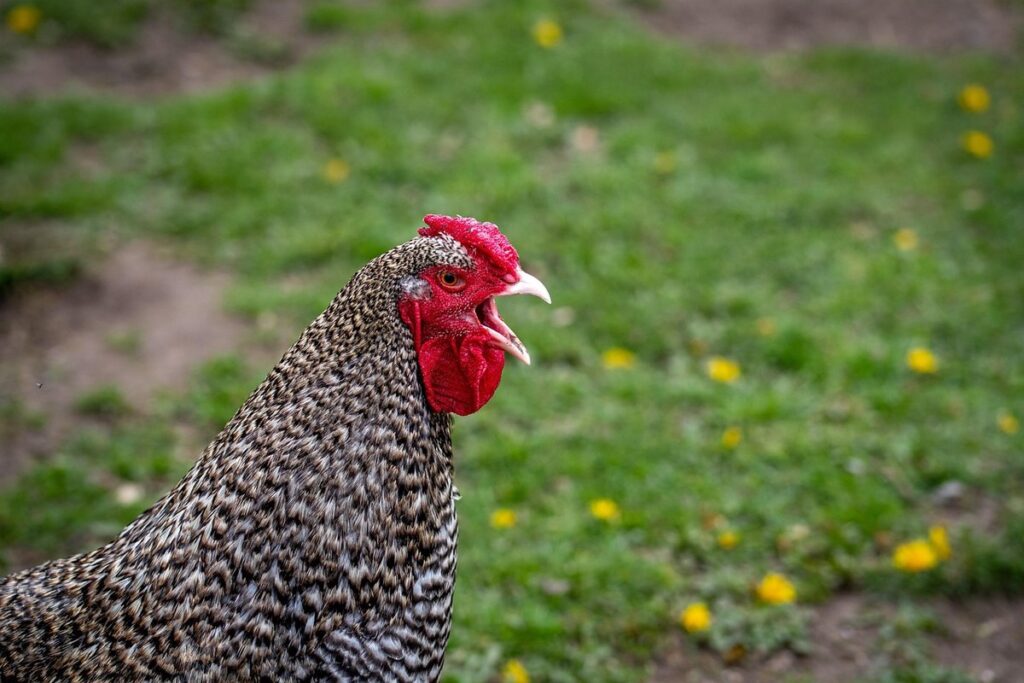
Choosing the Right Breed for Your Backyard Flock
When selecting a breed for your backyard flock, it’s essential to consider factors such as egg production, temperament, and climate adaptability. This section will help you navigate these key considerations.
Factors to Consider Before Selecting a Breed
When selecting an egg-laying chicken breed for your backyard flock, there are several essential factors to consider. Climate suitability is a crucial consideration, as some breeds thrive in hot and humid climates while others prefer cooler temperatures. For example, breeds like the Leghorn and Rhode Island Red excel in warm weather conditions, making them ideal for growers in regions with long summers.
On the other hand, breeds such as the Plymouth Rock and Barred Plymouth Rock are better suited to cooler climates. If you live in an area with harsh winters or short growing seasons, these breeds may be more suitable for your flock.
Space requirements are also essential to consider when choosing a breed. Some breeds, like the Silkies, require minimal space due to their gentle nature and lack of aggression. Others, like the Brahma, require plenty of room to roam and exercise.
It’s also important to think about your personal preferences when selecting a breed. Do you want birds that are friendly and docile or more assertive? Are you looking for breeds with specific characteristics, such as eggs per year or meat production?
Ultimately, choosing the right breed for your backyard flock requires careful consideration of these factors. By doing so, you can ensure a healthy and happy flock that meets your needs and provides years of egg-laying pleasure.
Understanding Egg Production Rates
When it comes to choosing the right breed for your backyard flock, understanding egg production rates is crucial. Egg production rates can vary significantly between breeds, with some laying up to 300 eggs per year and others laying as few as 100.
To determine egg production rates per breed, consider factors such as genetics, nutrition, health, and environment. For example, a breed’s genetic makeup will influence its egg-laying potential, with some breeds naturally producing more eggs than others. Providing a balanced diet rich in protein and calcium can also impact egg production, as well as maintaining good flock health through vaccinations and regular veterinary check-ups.
To optimize egg production in your backyard flock, start by selecting breeds that are known for their high egg production rates. Consider factors such as the breed’s average egg weight, daily egg production, and overall lifespan to ensure you’re getting the best return on investment. Additionally, make sure to provide a safe and healthy environment for your chickens, including adequate space, shelter, and nutrition. By doing so, you can expect to see an increase in egg production rates over time.
Popular Egg-Laying Chicken Breeds for Small Farms
If you’re just starting out with small-scale egg production, there are several popular breeds that thrive on smaller farms and consistently deliver high-quality eggs. We’ll explore some top choices here.
Leghorns: The Most Productive Breed
Leghorns are renowned for their exceptional egg-laying capabilities, making them an attractive choice for small farms and backyard chicken keepers. On average, a single Leghorn hen can lay up to 280 eggs per year, with some individuals producing as many as 320 eggs annually. This impressive production rate is due in part to the breed’s genetic predisposition towards prolific egg-laying.
In addition to their high egg output, Leghorns are also known for their friendly and docile nature. They are relatively easy to handle and can thrive in small flocks, making them an excellent choice for beginner chicken keepers. However, it’s worth noting that Leghorns have a higher energy requirement than some other breeds, necessitating a balanced diet rich in protein and calcium.
While they excel as egg producers, Leghorns do have one potential drawback: their tendency to be noisy and vocal. They may not be the best choice for small farms or homes where noise levels need to be kept to a minimum. Despite this consideration, Leghorns remain a popular choice among chicken enthusiasts due to their many desirable traits.
Rhode Island Reds: A Popular Choice for Small Farms
When it comes to egg-laying chicken breeds for small farms, Rhode Island Reds are an extremely popular choice. And for good reason: these hardy birds are known for their impressive egg production rates and adaptability to different environments.
On average, a mature Rhode Island Red hen will lay around 200-220 large brown eggs per year, making them one of the most productive breeds on this list. They’re also relatively low maintenance, requiring less space and care than some other popular breeds like Leghorns or Orpingtons. In fact, they’re so easy-going that they can thrive in a variety of climates and conditions, from tropical to temperate zones.
One of the biggest advantages of Rhode Island Reds is their ability to adjust to smaller living spaces. They’re happy with minimal space as long as they have enough room to roam around and forage for food. This makes them an excellent choice for small farms or backyards with limited acreage. With proper care, a flock of Rhode Island Reds can provide you with a steady supply of fresh eggs while also being relatively low maintenance pets.
It’s worth noting that Rhode Island Reds are a dual-purpose breed, meaning they’re not only good egg layers but also suitable for meat production. However, if you’re looking to raise them specifically for eggs, be prepared for the possibility that some birds may grow large enough to be sold as broilers or roasters.
Dual-Purpose Breeds for Small Farmers
If you’re a small farmer looking to diversify your farm’s offerings, dual-purpose breeds can be a great choice for both eggs and meat. These hardworking hens are perfect for smaller farms.
Barred Plymouth Rock: A Versatile Breed
The Barred Plymouth Rock is a popular choice among small farmers due to its exceptional versatility. These birds are known for their high egg-laying capacity, producing an average of 200-220 brown eggs per year. This is impressive not only because it’s a substantial number but also considering the breed’s size and weight.
In addition to their impressive egg production, Barred Plymouth Rocks also excel in meat quality. Their well-balanced diet and healthy growth rate result in tender and juicy meat that is perfect for a variety of cooking methods. Whether you prefer roasting or grilling, these birds are sure to please even the most discerning palates.
One of the most appealing aspects of Barred Plymouth Rocks is their gentle nature. They are friendly and social, making them an excellent choice for families with children who want to get involved in chicken keeping. Their docile temperament also makes handling a breeze, reducing stress and increasing the overall ease of care.
Wyandottes: A Heritage Breed with Unique Characteristics
Wyandottes are an excellent choice for small farmers looking to add some personality and charm to their flock. One of the standout features of this heritage breed is its striking appearance. With a mix of iridescent blues, greens, and golds on their feathers, Wyandottes are truly a sight to behold. Their vibrant plumage makes them a popular choice for backyard chicken keepers who want to add some visual interest to their coop.
In addition to their stunning looks, Wyandottes are also known for their friendly and docile nature. They’re an excellent breed for families with children or for farmers who want a low-maintenance flock member. However, it’s worth noting that Wyandottes don’t quite live up to the egg-laying expectations of some other breeds. On average, they’ll produce around 200-220 brown eggs per year, which is moderate compared to some of the more prolific layers.
Despite their lower egg production, Wyandottes make up for it with their unique characteristics and endearing personalities. If you’re looking for a breed that will add some character to your flock, the Wyandotte is definitely worth considering. Just be prepared for a slightly lower egg yield than some other popular breeds.
Heritage Breeds for the Enthusiast Farmer
If you’re a farmer passionate about preserving traditional farming methods, these heritage breeds are perfect for you, offering unique characteristics and benefits. We’ll dive into the details of each breed, highlighting their strengths and suitability for your farm.
Araucanas: Known for Their Blue Eggs
The Araucana breed is known for its unique characteristic of laying blue eggs, which can be a major draw for enthusiasts looking to add some visual interest to their egg basket. But what makes these birds so special beyond their striking eggs? For one, their adaptability is unmatched – they can thrive in a variety of environments, from the frozen tundra to the scorching desert.
One reason for their hardiness lies in their origins: Araucanas hail from South America, where they’ve been bred for centuries by the indigenous people. Over time, they’ve developed a robust constitution that allows them to withstand extreme temperatures and conditions with ease. This adaptability makes them an excellent choice for farmers who live in areas with unpredictable weather patterns.
In terms of appearance, Araucanas are just as striking as their eggs. They come in a range of colors, including black, blue, silver, and white, and sport a unique silvery sheen to their feathers. Their beards and muffs add an extra touch of drama, making them a favorite among backyard chicken enthusiasts.
When it comes to egg production, Araucanas are reliable – they’ll lay around 200 large, dark blue eggs per year. But keep in mind that their unique genetic makeup means they can be prone to health issues like osteoporosis and vitamin D deficiency if not properly cared for.
To make the most of your Araucana flock, consider starting with at least three birds to ensure genetic diversity and avoid inbreeding. Be prepared to provide plenty of protein-rich feed to support their egg production, and don’t be afraid to get creative when it comes to providing enrichment activities – these curious birds love to forage and explore.
Overall, Araucanas are a great choice for farmers who want a low-maintenance but high-reward breed that will deliver stunning eggs season after season. With proper care and attention, they’ll thrive in even the most challenging environments – making them an excellent addition to any heritage flock.
Considerations for Urban Farmers
If you’re planning to raise egg-laying chickens in a small urban space, consider factors like available sunlight and noise regulations before making your breed selection. These considerations can significantly impact chicken care and happiness.
Breeds Suitable for Small Spaces
When it comes to urban farming, space is often limited, and egg-laying chicken breeds must be carefully chosen to thrive in these conditions. Fortunately, many popular breeds are well-suited for small spaces.
One of the most popular breeds for urban farmers is the Bantam Leghorn. Weighing in at just 1.5 pounds, these tiny birds require minimal space (about 2-3 square feet per bird) and produce an impressive 200-250 eggs per year. Their noise level is relatively low compared to other breeds, making them a great choice for city dwellers who live in apartments or have noise restrictions.
Another excellent option for small spaces is the Silkie Bantam. These adorable birds are known for their fluffy feathers and gentle nature. They require about 3-4 square feet of space per bird and produce an average of 120-150 eggs per year. Silkies are also relatively quiet, making them a great choice for urban farmers.
When it comes to pest control, these breeds are relatively low maintenance. The Bantam Leghorn is known to be quite active, which helps keep pests at bay, while the Silkie Bantam’s gentle nature makes them less likely to engage in aggressive behavior that can damage crops.
For those with even smaller spaces, consider the Button Quail or the Japanese Quail. These tiny birds require about 1-2 square feet of space per bird and produce an average of 150-200 eggs per year. However, they are noisier than other breeds and may not be suitable for all urban farmers.
When choosing a breed for your small space urban farm, consider the following factors: space requirements, noise level, and pest control methods. By selecting a breed that fits these criteria, you can enjoy a successful and fulfilling egg-laying experience in even the smallest of spaces.
Health Considerations for Egg-Laying Chickens
When it comes to raising egg-laying chickens, understanding their health needs is crucial. Let’s discuss some essential factors to consider when it comes to keeping your flock healthy and happy.
Common Health Issues in Backyard Flocks
When it comes to maintaining a healthy backyard flock, it’s essential to be aware of the common health issues that can affect egg-laying chickens. These problems can arise from various sources, including parasites, diseases, and nutritional deficiencies.
Parasites are one of the most significant threats to a backyard flock’s health. Internal parasites such as worms and lice can cause weight loss, decreased egg production, and even death if left untreated. External parasites like mites and ticks can also spread disease and discomfort to your birds. To combat these issues, it’s crucial to monitor your flock regularly for signs of infestation. Keep an eye out for symptoms like excessive scratching or preening, droopy wings, or discolored feathers.
Diseases are another major concern for backyard flocks. Some common diseases include avian influenza, Marek’s disease, and infectious bronchitis. These conditions can be prevented by maintaining proper sanitation, providing a balanced diet, and ensuring your birds receive regular vaccinations. It’s also vital to quarantine new additions to the flock and follow biosecurity protocols to minimize the risk of introducing disease.
Nutritional deficiencies are often overlooked but can have significant consequences on your flock’s health. A lack of essential vitamins and minerals can lead to issues like weak eggshells, poor fertility rates, or even sudden death. Ensure you’re providing a balanced diet rich in calcium, protein, and other vital nutrients. Consider consulting with a veterinarian or poultry expert to determine the best feeding strategy for your specific flock.
To maintain a healthy backyard flock, keep up-to-date on vaccinations, monitor your birds regularly, and provide a clean, nutritious environment. By being proactive and taking steps to prevent common health issues, you’ll be well on your way to enjoying a thriving and productive flock. Regular flock checks can help you catch problems early before they become major concerns.
Conclusion and Future Prospects
Now that you’ve learned about the most popular egg-laying chicken breeds, let’s take a look at the future of backyard egg farming and what’s in store for enthusiasts.
Recap of Key Takeaways
If you’re just starting out with raising chickens for eggs, it can be overwhelming to navigate the numerous breeds available. However, this comprehensive guide has provided you with a solid foundation to make an informed decision.
You now know that Leghorns are one of the most prolific egg-layers, producing up to 300 large white eggs per year. Orpingtons and Plymouth Rock chickens also excel at laying, offering high yields and gentle temperaments.
Barred Rocks offer another dependable option for backyard flocks. Their consistent production and friendly nature make them a popular choice among new chicken keepers.
As you weigh the pros and cons of each breed, consider factors like climate adaptability, noise level, and space requirements to ensure the best fit for your unique situation.
Final Tips for Selecting the Right Breed
When selecting the right breed for your backyard flock, it’s essential to consider several key factors. First and foremost, climate plays a significant role in determining which breeds will thrive on your property. For example, if you live in a hot and humid region, breeds like Leghorns or Campines that are tolerant of heat would be an excellent choice.
On the other hand, if you reside in a cold climate, consider breeds like Wyandottes or Brahma that can handle frosty temperatures. Another crucial factor to consider is space. If you have limited space, smaller breeds like Bantams or Polish will be perfect for your backyard. However, if you have ample space, larger breeds like Orpingtons or Australorps can thrive.
Lastly, don’t forget to think about personal preferences when selecting a breed. Some people prefer friendly and docile birds, while others enjoy more assertive personalities. By considering these factors, you’ll be well on your way to creating a harmonious and productive backyard flock that meets your unique needs and preferences.
Frequently Asked Questions
How do I ensure my egg-laying chickens are getting enough protein to maintain their egg production?
Ensure your hens receive a balanced diet that meets their nutritional needs, particularly in terms of protein. A general rule of thumb is to provide 16-18% protein in their feed, with a mix of grains and supplements like mealworms or insects. Also, consider offering free-choice oyster shells to support calcium intake for strong eggshell production.
Can I keep multiple breeds together without worrying about aggression?
While it’s possible to integrate multiple breeds, compatibility issues can arise if you’re not careful. To minimize conflicts, introduce birds of different ages and breeds gradually, monitoring their behavior closely. Provide enough space (at least 2-3 sq ft per bird) and a balanced feed to reduce stress and competition.
How do I handle heat stress in my flock during hot summer months?
To mitigate heat stress, ensure your coop has adequate ventilation and shade. Offer plenty of fresh water, and consider adding electrolyte-rich supplements to their feed. If possible, provide a misting system or sprinklers to help keep birds cool. Also, make sure they have access to a shaded area where they can retreat from the sun.
What are some tips for raising heritage breeds in small spaces?
When raising heritage breeds in limited space, prioritize breed-specific needs and adapt your management accordingly. Consider using vertical growing methods, like trellises or hanging feeders, to optimize space usage. Also, be prepared to provide more attention and care due to their unique characteristics and potential health requirements.
Can I mix and match different egg-laying breeds for a more diverse flock?
While it’s tempting to create a mixed-breed flock, remember that some breeds may not complement each other well in terms of temperament or egg production. Research breed-specific needs and compatibility before mixing breeds, and consider the space and resources you can devote to managing a diverse flock.