
Are you ready to get clucking excited about your next backyard project or farm venture? With over 100 breeds of chicken to choose from, selecting the perfect bird can be overwhelming. But don’t worry, we’ve got you covered! In this comprehensive guide, we’ll dive into the wonderful world of chicken breeds, exploring their unique characteristics, temperaments, and needs.
From the friendly Silkies to the hardy Australorps, each breed has its own quirks and benefits that make them perfect for specific purposes. Whether you’re looking to raise eggs, meat, or just enjoy some feathered friends, this guide will help you discover the ideal chicken breed for your farm or backyard. We’ll cover it all, from small-space breeds to large-scale farming options, so you can confidently choose the right bird for your needs.
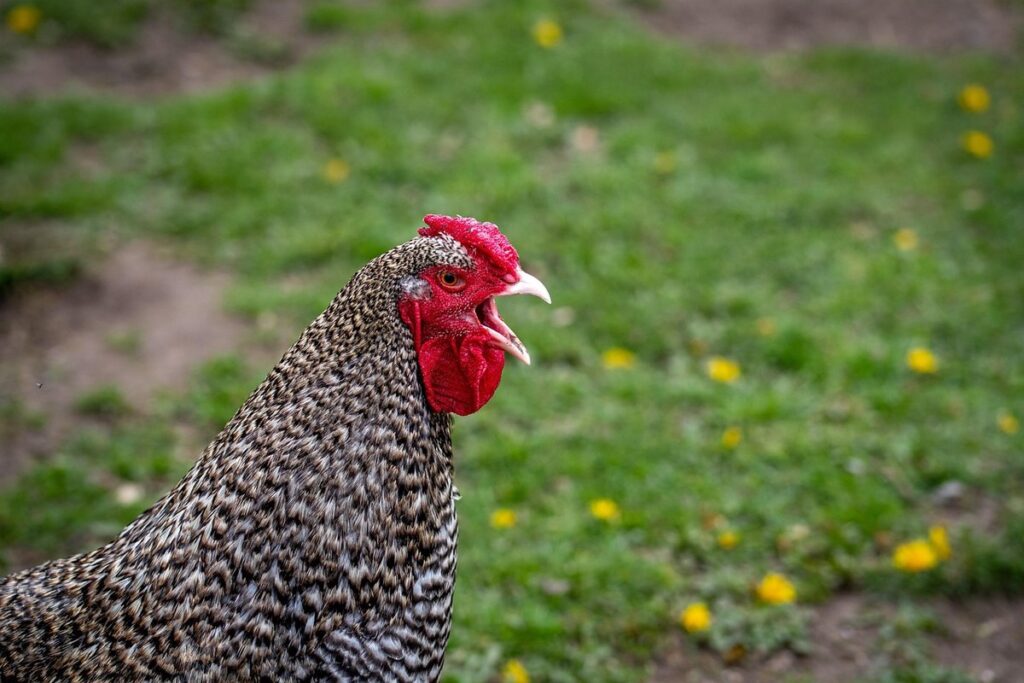
Introduction to Chicken Breeds
If you’re new to chicken keeping, understanding the different breeds can be overwhelming – that’s why we’re starting with the basics and exploring the world of chickens together. Let’s dive into the history and characteristics of popular chicken breeds!
Origins of Domesticated Chickens
Chickens have been domesticated for thousands of years, with evidence suggesting that humans first started keeping wild jungle fowl as early as 8,000 BC. These birds were highly valued for their meat and eggs, which provided a reliable source of protein in ancient societies.
The process of domestication is believed to have begun in Southeast Asia, where the red jungle fowl still roams today. Over time, humans selectively bred these birds for desirable traits such as docility, smaller size, and increased egg production. This selective breeding led to the development of distinct breeds with unique characteristics.
One of the earliest recorded examples of chicken domestication comes from ancient Egypt, where chickens were kept in large numbers for both meat and eggs. By around 3000 BC, chickens had spread throughout the Mediterranean region and were highly prized by wealthy households. Today, we have over 300 recognized breeds of domesticated chickens, each with its own set of characteristics and uses.
Types of Chicken Breeds
Chicken breeds can be broadly categorized into several main types, each with its unique characteristics and purposes. The most common categories are game birds, egg layers, and meat birds.
Game birds, such as pheasants and quail, are bred for their exceptional speed and agility. They’re often used in hunting and are prized for their striking appearance and flavor. If you’re interested in raising game birds, be prepared to invest time and effort into training them for hunting or keeping them contained due to their high energy levels.
Egg layers, on the other hand, are bred specifically for their egg-laying abilities. Breeds like Leghorns and Rhode Island Reds are popular choices among backyard chicken keepers due to their high egg production rates. When selecting an egg layer breed, consider factors such as egg size, shell thickness, and temperament.
Meat birds, including broilers and capons, are raised for their meat rather than eggs or game purposes. These breeds grow quickly and can be ready for slaughter in as little as 5-6 weeks. If you’re interested in raising meat birds, ensure you have adequate space and resources to care for them during their rapid growth phase.
It’s essential to research each breed thoroughly before making a decision, considering factors such as climate adaptability, noise level, and dietary requirements.
Characteristics of Popular Chicken Breeds
Let’s dive into the fascinating world of popular chicken breeds and explore their unique characteristics, from egg-laying prowess to feather patterns. Each breed has its own special traits that make them stand out.
Egg-Laying Breeds: Orpingtons and Leghorns
When it comes to egg-laying breeds, two popular choices among backyard chicken enthusiasts are Orpingtons and Leghorns. Both breeds have their unique characteristics that make them suitable for different types of poultry keepers.
Orpingtons, known for their friendly and docile nature, are a great choice for families with children or for those who want a low-maintenance breed. They are excellent mothers, making them a popular choice for backyard chicken farms that produce eggs for personal consumption. On average, Orpington hens lay around 200-220 brown eggs per year. Their egg-laying abilities are not as prolific as some other breeds, but their gentle temperament makes up for it.
In contrast, Leghorns are a high-energy breed known for their impressive egg-laying abilities. They can produce over 300 white or light-brown eggs per year, making them an excellent choice for those who want to sell their eggs at farmers’ markets or to local restaurants. However, Leghorns can be more challenging to care for due to their high energy levels and potential aggression towards other chickens.
Ultimately, the decision between Orpingtons and Leghorns comes down to your personal preferences and needs. If you’re looking for a low-maintenance breed with excellent mothering abilities, Orpingtons may be the better choice. But if you need a high-producing egg-laying breed that can keep up with demand, Leghorns are definitely worth considering.
Dual-Purpose Breeds: Plymouth Rock and Rhode Island Red
When it comes to versatility, few chicken breeds can match the likes of the Plymouth Rock and Rhode Island Red. These dual-purpose breeds have been a staple on many small farms and backyard flocks for generations, exceling in both egg production and meat quality.
One of the standout strengths of these breeds is their ability to produce large quantities of brown eggs. A Plymouth Rock hen will typically lay around 200-220 eggs per year, while a Rhode Island Red will produce an impressive 300-320 eggs annually. Not only are the numbers impressive, but the eggs themselves are also known for their rich flavor and firm texture.
In terms of meat production, both breeds are considered to be top-notch. The meat from Plymouth Rock and Rhode Island Red chickens is tender, juicy, and packed with flavor. They’re also relatively fast-growing, reaching maturity in as little as 16-18 weeks. This makes them an excellent choice for small-scale farmers or backyard chicken enthusiasts who want to raise a few birds for the table.
While both breeds have their strengths, it’s worth noting that they do come with some weaknesses. For example, they can be prone to health issues such as Marek’s disease and are relatively high-maintenance when it comes to feed and care. However, with proper management and attention, these breeds can thrive in a variety of settings, making them an excellent choice for many backyard chicken keepers.
Specialty Chicken Breeds
Let’s take a closer look at some of the more unique and fascinating chicken breeds, including the Silkie, Polish, and Brahma. These rare birds offer distinct characteristics that set them apart from more common fowl.
Game Bird Breeds: Silky Leghorn and Polish Crested
If you’re looking for something truly unique among chicken breeds, look no further than the Silky Leghorn and Polish Crested. These two exotic breeds are sure to turn heads with their stunning appearances.
The Silky Leghorn is an Italian breed known for its silky, soft feathers that cover its entire body, including its face and legs. They’re a medium-sized bird, weighing around 3-4 pounds, but don’t let their size fool you – they’re known for being friendly, docile, and great with children. Silky Leghorns are also prolific egg layers, producing an impressive 280-300 brown eggs per year.
The Polish Crested, on the other hand, is a Dutch breed that’s easily recognizable by its elaborate crest of feathers on top of its head. They’re a bit larger than the Silky Leghorn, weighing around 4-5 pounds, and are known for being gentle, curious, and active birds. Polish Cresteds are also moderate egg layers, producing around 200 brown eggs per year.
Both breeds make excellent additions to backyard flocks, but they do require some special care due to their unique feathering. Regular grooming is essential to prevent matting and tangling, especially for the Silky Leghorn’s long feathers. With proper attention and handling, however, these breeds will reward you with years of entertainment and egg-laying fun.
Heritage Breeds: Wyandotte and Brahma
Among the specialty chicken breeds, two heritage birds stand out for their stunning appearance and rich history: the Wyandotte and Brahma. The Wyandotte, originating from the northeastern United States, boasts a striking iridescent sheen on its feathers. Developed in the late 19th century as a dual-purpose breed, Wyandottes are known for their exceptional egg-laying capabilities, producing around 200 brown eggs per year.
The Brahma, with its impressive size and gentle nature, hails from India and was first introduced to the United States in the mid-1800s. This massive bird can weigh up to 18 pounds, making it a popular choice for exhibition shows. Both breeds are recognized by the American Poultry Association (APA) and have dedicated breed clubs working tirelessly to conserve these rare fowl.
If you’re considering adding either of these breeds to your flock, be aware that their rarity requires careful planning. Start by researching reputable breeders who prioritize conservation efforts and follow strict breeding standards. Joining breed clubs or online forums can also provide valuable connections with other enthusiasts and help you stay informed about the latest developments in these remarkable heritage breeds.
Choosing the Right Chicken Breed for Your Flock
When it comes to building your backyard flock, selecting the right chicken breed is crucial, and understanding their unique characteristics will help you make an informed decision. You’ll want to consider factors like egg-laying capacity and temperament.
Factors to Consider When Selecting a Breed
When selecting a breed for your flock, there are several key factors to consider. Climate plays a significant role, as some breeds thrive in hot and humid environments while others prefer cooler temperatures. For example, if you live in a tropical region, a heat-tolerant breed like the Silkie or the Brahma would be an excellent choice.
Another crucial factor is space. If you have limited space, consider a compact breed like the Leghorn or the Bantam. These birds are perfect for small backyards or even urban farms. On the other hand, if you have ample space, a larger breed like the Orpington or the Plymouth Rock would be suitable.
Lastly, think about what products you want to produce from your flock. If eggs are your primary goal, choose breeds like the Leghorn or the Rhode Island Red, which are renowned for their high egg-laying capabilities. If you’re looking to raise meat birds, consider breeds like the Cornish Cross or the Freedom Ranger, which are specifically bred for their rapid growth rate and tender meat.
Breed Characteristics to Match Your Lifestyle
When it comes to choosing the right chicken breed for your flock, understanding their unique characteristics is essential. With over 300 breeds to choose from, each has its own set of traits that can make or break their suitability for your lifestyle. For example, if you have limited space, a compact and low-maintenance breed like the Silkie or Polish would be ideal.
On the other hand, if you’re looking for eggs, breeds like Leghorns or Rhode Island Reds are top producers, but they require regular exercise and more space to roam. Consider your available space, climate, and noise tolerance when selecting a breed. For example, heat-tolerant breeds like Brahmas or Orpingtons thrive in warmer climates, while cold-hardy breeds like Wyandottes or New Hampshires can withstand harsh winters.
Think about your personality too – are you willing to commit to regular egg collection and coop maintenance? If not, a breed that lays fewer eggs but is more low-maintenance might be a better fit.
Raising and Caring for Chicken Breeds
If you’re planning to bring home a flock, it’s essential to understand how to properly raise and care for your chickens, regardless of their breed or temperament. This involves providing adequate space, nutrition, and attention.
Nutrition and Feed Requirements
When it comes to raising different breeds of chickens, their nutrition and feed requirements can vary significantly. This is because each breed has its unique characteristics, size, and growth rate, which affect their energy needs.
For example, larger breeds like Orpingtons and Brahma require more protein-rich feed to support their rapid growth, while smaller breeds like Silkies and Polish may do well on a lower-protein diet. Layer breeds, such as Leghorns and Australorps, need a balanced calcium supplement in their feed to produce strong eggshells.
A good rule of thumb is to provide your chickens with a starter feed that’s around 16-18% protein for the first six weeks, then switch to a grower or layer feed at 18-20% protein. However, some breeders recommend using a more natural approach and feeding their chickens a diet rich in fresh fruits and vegetables.
Ultimately, it’s essential to research the specific nutritional needs of your chicken breed and consult with a veterinarian or experienced breeder if you’re unsure about the best feeding strategy for your flock.
Health Considerations: Vaccinations, Parasites, and Diseases
When it comes to raising chickens, health considerations are of utmost importance. Vaccinations are crucial to protect against diseases such as Newcastle disease and infectious bronchitis. Consult with a veterinarian to determine the best vaccination schedule for your flock.
Parasites like mites, lice, and fleas can also be a problem in chicken coops. Regularly inspecting your birds and coop is essential to catch these issues early on. Use diatomaceous earth or permethrin powder to control infestations. Keeping a clean and dry coop is key to preventing parasite problems.
Some chicken breeds are more susceptible to certain diseases than others. For example, Leghorns are prone to respiratory infections due to their slender build. Research the breed you’re interested in keeping and take necessary precautions.
In addition to vaccinations and parasite control, practicing good hygiene is crucial. Wash your hands thoroughly before and after handling chickens or their living areas. Keep feeders and waterers clean, and regularly disinfect any equipment that comes into contact with the birds.
By taking these steps, you can help keep your flock healthy and thriving.
Conclusion: Exploring the World of Chicken Breeds
As we conclude our comprehensive guide to chicken breeds, let’s reflect on the incredible diversity and variety that exists within this fascinating world. From tiny eggs to impressive feather patterns, there’s truly a breed for every backyard chicken keeper!
Encouragement to Try New Breeds
As you’ve explored this vast world of chicken breeds with us, it’s likely that you’ve developed a deep appreciation for the unique characteristics and strengths each breed has to offer. However, we want to encourage you to take it a step further – to experiment with new breeds and discover even more fascinating traits.
There are countless breeds waiting to be discovered, each with its own distinct story to tell. Perhaps you’re intrigued by the Polish’s stunning crested feathers or the Brahma’s impressive size? Or maybe you’re curious about the Silkie’s fluffy texture or the Marans’s dark chocolate eggs?
Don’t be afraid to venture out of your comfort zone and try a new breed in your flock. Not only will it add variety to your egg-laying output, but it’ll also provide an exciting opportunity for observation and learning.
Start by researching breeds that fit your climate, available space, and desired characteristics (e.g., egg-laying frequency, meat production, or docility). Reach out to local breeders or join online forums to connect with experienced chicken enthusiasts who can offer valuable advice and insights.
Once you’ve selected a new breed, make sure to provide them with the right environment and care. This might involve adjusting your coop’s size, adding ventilation, or introducing new feeding practices. Be patient, as it may take some time for the new birds to adjust and integrate into your existing flock.
Remember, experimenting with new breeds is an essential part of the learning process – and a key aspect of responsible chicken keeping. So go ahead, take the leap, and discover the joys of exploring this incredible world of chicken diversity!
Frequently Asked Questions
How do I determine the ideal space requirements for my backyard chicken coop?
Determine your climate, local regulations, and number of chickens you plan to keep to calculate the optimal space per bird (about 3-4 square feet). Consider ventilation, roosting bars, nesting boxes, and adequate predator protection. A general rule is to provide at least 2-3 times more space for free-range birds.
Can I raise different breeds together in the same flock?
Yes, but it’s essential to research compatibility and temperaments before introducing new birds. Some breeds can be aggressive or have specific social needs, so carefully choose complementary breeds that suit your lifestyle and climate. Ensure enough space, food, and water for all chickens, and monitor their behavior regularly.
How often should I collect eggs from my backyard flock?
Egg collection frequency depends on the breed’s egg-laying capacity and your personal preference. Collect eggs daily to maintain cleanliness and prevent breakage. For breeds that lay multiple eggs per day (like Leghorns), consider collecting twice a day, especially during peak laying seasons.
What are some common health issues in backyard chickens, and how can I prevent them?
Parasites like mites and lice, respiratory issues, and diseases such as salmonella are common concerns. Practice good hygiene, provide clean feed and water, maintain a balanced diet, and ensure adequate vaccinations (consult with a veterinarian). Monitor your flock’s behavior and health regularly to catch potential issues early.
Can I raise chickens on a small farm or in a rural area with limited resources?
Yes, but it requires more planning and creativity. Consider breeds that are hardy and adaptable, like Australorps or Brahma. Develop a robust infrastructure for water collection, food storage, and waste management. Utilize natural resources like sunlight and rainwater to reduce costs and reliance on external resources.