
The moment many backyard chicken enthusiasts have been waiting for finally arrives: your pullets are ready to lay eggs! But when can you expect this miracle to happen? Pullets, young hens that haven’t yet reached full maturity, typically start laying eggs between 16 and 24 weeks of age. However, there are several factors at play here, including breed, nutrition, and overall health.
In this article, we’ll take a closer look at what affects egg production in pullets and provide you with signs to watch out for when your girls are getting ready to start laying. We’ll also share some valuable tips on how to encourage healthy laying habits from the get-go. Whether you’re a seasoned chicken keeper or just starting out, understanding these factors will help you anticipate and prepare for this exciting milestone.
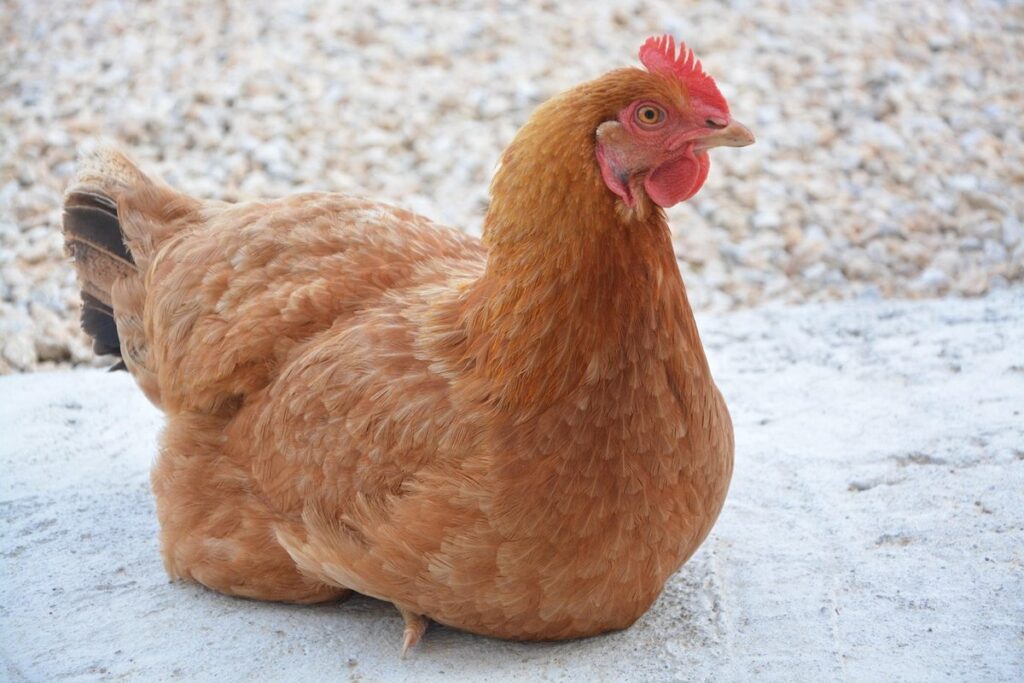
Understanding Pullets and Their Life Cycle
To get a better understanding of when your pullet will start laying eggs, let’s dive into their life cycle and what you can expect at each stage. This section covers key milestones in a pullet’s development.
What Are Pullets?
Pullets are young hens that have reached a certain age and maturity level before they start laying eggs. Unlike chicks or cockerels, which are the juvenile versions of roosters, pullets are specifically bred for their egg-laying abilities. Their primary purpose is to provide a steady supply of fresh eggs for consumers.
Pullets differ significantly from other chicken types in several ways. For instance, they are typically sexed at birth and raised separately from cockerels until they reach maturity. This selective breeding process ensures that only hens with desirable egg-laying traits make it into the pullet category. Additionally, pullets are often treated differently than adult hens or roosters in terms of nutrition, care, and management. Properly caring for pullets involves providing them with a nutritious diet, ensuring adequate space to exercise, and maintaining a stress-free environment.
When properly raised, pullets can start laying eggs as early as 16-18 weeks of age, depending on factors such as breed, nutrition, and overall health.
The Growth Stages of Pullets
As pullets grow and mature, they go through distinct stages of development. The first stage is broodiness, which typically occurs between 16 to 20 weeks of age. During this period, the pullet’s behavior changes as she starts to think about reproduction. She may become more aggressive, stop laying down in her roost, and even sit on eggs if available.
Following broodiness, around 22-24 weeks of age, comes the point-of-lay stage. At this time, your pullets are almost ready to start laying eggs. They will begin to show physical changes such as larger ovaries, a fuller appearance, and a slight drop in body weight. This is an exciting period for any flock owner as they anticipate egg production.
The final stage of growth is egg production itself. Pullets typically reach peak lay between 26-30 weeks of age, with some breeds reaching full production even earlier or later depending on factors like genetics, nutrition, and overall health. To ensure optimal egg production, it’s essential to provide your pullets with a balanced diet, adequate light, and a stress-free environment throughout their growth stages.
Factors Affecting Egg Laying in Pullets
Now that you know why pullets lay eggs at a certain age, let’s explore what influences their ability to start laying eggs regularly and on schedule.
Nutrition and Diet
A balanced diet is crucial for pullets to develop strong health and reach optimal egg-laying potential. Pullets require a mix of essential nutrients to support their growth, including protein, calcium, and other minerals. Protein helps build muscle mass and supports feather development, while calcium is vital for forming strong eggshells.
Ensure that your pullet’s diet includes 16-18% protein content, which can be achieved through high-quality commercial feed or a balanced homemade mix of grains and legumes. Additionally, supplement their diet with crushed oyster shells or dark leafy greens to boost calcium intake. A deficiency in either protein or calcium can lead to stunted growth, weakened eggshell production, and reduced fertility.
Aim to provide your pullets with fresh water at all times and limit treats to no more than 10% of their daily diet. This will help maintain a balanced gut microbiome and prevent overconsumption of calories. By prioritizing a nutrient-rich diet, you’ll set your pullets up for success when it comes to egg laying.
Environmental Factors
Environmental factors play a significant role in determining when pullets start laying eggs. One crucial factor is light exposure, which regulates the production of hormones that stimulate egg-laying. Pullets require around 14 hours of daylight to produce eggs, and this can be achieved by providing supplemental lighting during the winter months or by placing them near windows with direct sunlight.
Temperature also affects egg production, with optimal temperatures ranging from 50°F to 80°F (10°C to 27°C). Extreme temperatures can lead to stress, which in turn suppresses egg-laying. It’s essential to ensure that pullets are kept in a well-ventilated area with adequate shade to prevent overheating.
Stress is another significant environmental factor that impacts egg production. Pullets exposed to chronic stress may experience delayed or reduced egg-laying. To mitigate this, it’s crucial to provide a peaceful and secure environment, ensuring they have access to clean water, nutritious feed, and adequate space to move around. By controlling these environmental factors, you can create an ideal setting for your pullets to thrive and start laying eggs as expected.
Breed Characteristics
As you consider when your pullets will start laying eggs, it’s essential to understand that different breeds can have a significant impact on egg production rates and timing. Some breeds are naturally more prolific layers, while others may take longer to mature.
For example, Leghorns are known for their high egg production, with some hens laying up to 300 eggs per year. They typically begin laying eggs at around 18-20 weeks of age. On the other hand, Orpingtons and Plymouth Rock chickens tend to be slower maturing breeds that may not reach peak production until they’re around 24-26 weeks old.
When selecting a breed for egg-laying purposes, consider factors such as growth rate, mature weight, and individual characteristics. Breeds like Silkies and Polish chickens are known to have slower growth rates and lower egg production compared to other breeds. This is important to keep in mind when planning your flock’s management and egg supply.
In terms of choosing the right breed for your needs, research different breeds’ characteristics and consider factors such as climate, available space, and desired egg size. Some breeds are more suited to small backyards or confinement systems, while others prefer free-range environments.
Signs Pullets Are Ready to Lay Eggs
As you eagerly await your pullet’s first egg, it’s essential to recognize the telltale signs that indicate she’s ready to start laying. Keep an eye out for these key indicators.
Physical Changes
As you watch your pullets grow and mature, it’s essential to recognize the physical changes that occur before they start laying eggs. One of the most noticeable signs is a change in comb color. Typically, a young pullet’s comb will be pale red or pink. As she approaches sexual maturity, the comb will deepen in color, becoming bright red or even orange-red. This change usually occurs around 16 to 20 weeks of age and can serve as an indicator that your pullet is close to laying her first egg.
Another physical change you may observe is feather growth and development. Pullets tend to lose their juvenile feathers and develop adult plumage, which can be a sign that they’re ready to start laying eggs. You might notice new feathers emerging around the neck, back, and tail areas. This transition typically occurs between 18 and 22 weeks of age.
Keep in mind that every pullet is different, and these physical changes may occur at slightly varying ages depending on factors like breed, nutrition, and overall health.
Behavioral Indicators
As you observe your pullet’s behavior, it’s essential to notice signs that indicate she’s ready to start laying eggs. One of the most significant indicators is increased activity around the nesting box area. Pullets will often start visiting the nesting boxes more frequently, inspecting them, and even trying to roost on top or inside. If you see your pullet showing interest in the nesting boxes by pecking at them, scratching at the entrance, or even attempting to enter, it’s likely she’s preparing to lay eggs.
Another behavioral sign is restlessness during daylight hours. Pullets tend to be more active and energetic when they’re about to start laying, which can manifest as pacing back and forth in the coop, jumping up onto perches, or running around the yard. This increased energy level often coincides with their first egg-laying cycle.
Keep an eye out for these subtle yet significant changes in behavior, as they signal that your pullet is getting ready to start laying eggs. By recognizing these indicators, you’ll be better equipped to provide the necessary care and support for her transition into egg production.
How Often Do Pullets Lay Eggs?
Now that we’ve established when pullets start laying eggs, let’s dive into how often you can expect them to produce a steady supply of fresh eggs each week.
Average Egg Production Rates
According to the American Egg Board, an average egg-laying hen produces around 280-300 eggs per year. However, this number can vary greatly depending on several factors such as breed, nutrition, and living conditions.
Let’s take a look at some of the most popular breeds and their average egg production rates:
* Leghorns are known to lay an impressive 280-320 eggs per year.
* Rhode Island Reds produce around 200-220 eggs annually.
* Barred Rocks, on the other hand, tend to lay slightly fewer eggs at about 180-200 per year.
It’s essential to keep in mind that these numbers are averages and can vary depending on individual bird performance. Factors such as feed quality, access to fresh water, and overall health play a significant role in egg production rates.
To maximize your pullets’ potential, ensure they have a balanced diet rich in nutrients and calcium to support strong bone development. By doing so, you’ll be well on your way to enjoying an abundance of fresh eggs from your backyard flock.
Factors Affecting Frequency
The frequency at which pullets lay eggs can vary significantly depending on several key factors. Proper nutrition is essential for healthy egg production, and a diet rich in protein, calcium, and other essential nutrients can make a big difference. A good quality layer feed or a balanced diet of fruits, vegetables, and grains can ensure that your pullets get the necessary nutrients to produce high-quality eggs.
Environmental conditions also play a crucial role in determining the frequency of egg laying. Pullets need adequate space to move around and exercise, as well as proper ventilation and lighting to stimulate their natural instincts. Temperature fluctuations, humidity levels, and exposure to predators can all impact the frequency at which your pullets lay eggs.
Finally, breed is another significant factor that affects the frequency of egg laying. Different breeds have varying levels of egg production, with some being more prolific than others. For example, Leghorn and Rhode Island Red are known for their high egg-laying abilities, while Brahma and Orpington tend to produce fewer eggs per year.
When selecting a breed or creating an optimal environment, keep in mind that individual pullets may have unique characteristics and needs, so it’s essential to monitor their performance and make adjustments accordingly.
Tips for Encouraging Healthy Egg Laying in Pullets
As you wait patiently for your pullets to start laying, it’s essential to create an environment that supports their overall health and encourages regular egg production. A well-balanced diet, adequate lighting, and a clean living space are all crucial factors in promoting healthy egg laying.
Managing Stress and Health Issues
Managing stress and health issues is crucial for optimal egg production in pullets. Prolonged stress can lead to a range of problems, including reduced egg production, irregular laying patterns, and increased susceptibility to disease.
To identify potential stressors in the coop, observe the birds’ behavior and living conditions. Ensure adequate space (around 3-4 square feet per bird), proper ventilation, and sufficient lighting. A clean and well-maintained coop is essential for maintaining a healthy environment.
Regular health checks can help detect issues early on. Monitor birds for signs of illness, such as labored breathing, discharge from the eyes or nostrils, or loss of appetite. Implement a vaccination program to protect against common diseases like Marek’s disease and Newcastle disease.
Provide access to fresh water, high-quality feed, and supplements rich in calcium and protein. These nutrients are vital for maintaining strong eggshell production. Consider consulting with a veterinarian to create a tailored health plan for your flock.
Additionally, prioritize biosecurity measures, such as disinfecting equipment regularly and limiting human contact with the birds when they’re under stress.
Providing a Balanced Diet
Providing a balanced diet is crucial for pullets to develop strong reproductive systems and meet their nutritional needs for optimal egg production. A well-planned diet should include a mix of high-quality proteins, calcium-rich foods, and essential vitamins and minerals.
For instance, layer feed typically contains around 16-18% protein, which is ideal for supporting muscle growth and development in pullets. However, it’s also important to supplement their diet with fresh fruits and vegetables, such as leafy greens, carrots, and sweet potatoes, which provide vital nutrients like calcium, vitamin D3, and beta-carotene.
To ensure your pullets receive a balanced diet, consider the following tips:
* Provide access to clean water at all times
* Offer fresh veggies and fruits daily, varying the types to ensure a broad range of nutrients
* Dust their feed with crushed eggshells or oyster shells to provide an extra calcium boost
* Limit treats high in sugar and fat, which can lead to nutritional imbalances
By following these guidelines, you’ll help your pullets develop strong reproductive systems and set them up for optimal egg production when they start laying.
Creating a Supportive Environment
Creating an environment that supports healthy egg laying is crucial for the overall well-being of your pullets. Adequate light exposure plays a significant role in stimulating egg production. Pullets need around 14 hours of daylight to produce eggs consistently, but this can vary depending on breed and age. To achieve this, you can use supplemental lighting, such as LED grow lights, which can be adjusted according to the time of day.
In addition to adequate light exposure, providing a comfortable nesting box is essential for pullets to lay eggs healthily. The nesting box should be spacious enough to accommodate multiple birds at once and have a non-slip surface. It’s also crucial to ensure that the nesting box is well-ventilated and maintained clean regularly.
A good rule of thumb is to provide one nesting box per 3-4 pullets, ensuring that they can roost comfortably without feeling cramped or competing for space. You should also consider adding a layer of wood shavings or straw to the nesting box to provide a comfortable surface for laying eggs. Regular maintenance and cleaning will prevent any health issues related to poor hygiene.
Common Challenges and Solutions for New Owners
As a new pullet owner, you may encounter unexpected issues that affect egg production – we’ll tackle common challenges and share practical solutions to get you back on track.
Addressing Egg-Laying Issues
As a new pullet owner, you’re likely eager to see those first eggs rolling out of the nesting box. However, issues with egg laying can be frustrating and confusing. One common challenge is low egg production, where your girls may not be producing as many eggs as you expect.
This could be due to various factors such as inadequate nutrition, stress, or health problems. For instance, a lack of calcium in their diet can lead to weak eggshells, causing them to break easily and resulting in fewer eggs being laid.
Another issue is irregular egg laying cycles. This might manifest as unpredictable timing between egg collections, making it difficult to anticipate when the next egg will appear.
To address these issues, ensure that your girls have access to a balanced diet rich in essential nutrients like calcium, protein, and vitamins. Regular health checks can also help identify potential problems early on.
Consider keeping track of your flock’s egg production and laying cycles to better understand their habits and make necessary adjustments to their care routine. By monitoring these factors closely and making the right changes, you can encourage healthy and consistent egg production from your pullets.
Tips for New Owners
As a new owner of pullets, it’s essential to be aware of some common challenges and take steps to address them. For one, make sure you’re providing adequate space for your birds to move around and stretch their wings. A minimum of 3-4 square feet per bird is recommended, but more is always better.
Another crucial aspect is diet. Pullets require a balanced feed that’s rich in protein to support egg production. Avoid overfeeding or underfeeding, as this can impact their health and fertility. For example, a pullet needs around 16% protein during the first 18 weeks of life, gradually decreasing to 12-14% thereafter.
It’s also vital to keep an eye on your pullets’ environment. Ensure good ventilation, proper lighting, and maintain cleanliness. A clean coop will not only boost egg production but also reduce stress and disease risks. Monitor their behavior and health regularly, taking action promptly if you notice any signs of illness or discomfort. Regular checks will help you identify potential issues early on and prevent costly problems later down the line.
Frequently Asked Questions
Can pullets lay eggs every day?
Pullets typically lay an egg every 24-26 hours, but this can vary depending on breed and individual bird characteristics. It’s normal for pullets to not lay daily, especially during their initial laying period. Aiming for 5-6 eggs per week is a good starting point, with production increasing as the bird matures.
How long does it take for pullets to reach peak egg-laying capacity?
Pullets usually require about 30 weeks of age to reach peak egg-laying capacity. However, some breeds can start laying eggs earlier or later than this average range. Factors like nutrition, health, and environmental conditions also play a significant role in determining the optimal egg-laying schedule for your flock.
What if my pullet doesn’t start laying eggs within the expected time frame?
If your pullet isn’t showing signs of laying eggs by 24 weeks of age or has been skipping entire days without producing an egg, it may indicate a health issue. Consult with a veterinarian to rule out any potential problems related to nutrition, stress, or reproductive issues.
Can I expect consistent egg-laying from my flock throughout the year?
Yes, provided your pullets are receiving adequate nutrition and living in optimal conditions, you can anticipate consistent egg production throughout their laying cycle (about 10-15 months for most breeds). However, some hens may naturally slow down during hot summer or cold winter months due to reduced light exposure.
How do I know if my pullet is experiencing stress that could impact her egg-laying abilities?
Look out for signs of stress such as decreased appetite, excessive dust-bathing behavior, feather loss, and changes in droppings. By identifying potential causes (e.g., overcrowding or changes in feed) and making adjustments to their living conditions, you can support your flock’s overall health and maintain healthy egg-laying habits.