
When it comes to creating a happy and healthy home for your feathered friends, getting the layout right is crucial. But did you know that roost spacing guidelines are just as important as providing fresh food and water? The way you set up the spaces where your birds rest, relax, and socialize can have a significant impact on their overall well-being.
Proper roost spacing helps prevent stress, fights, and even injuries in overcrowded areas. Different bird species have unique needs when it comes to roosting space, so understanding these requirements is essential for creating a harmonious environment. In this article, we’ll dive into comprehensive roost spacing guidelines that take into account various measurement techniques and maintenance best practices. Whether you’re a seasoned bird owner or just starting out, our expert advice will help you provide the perfect home for your birds.
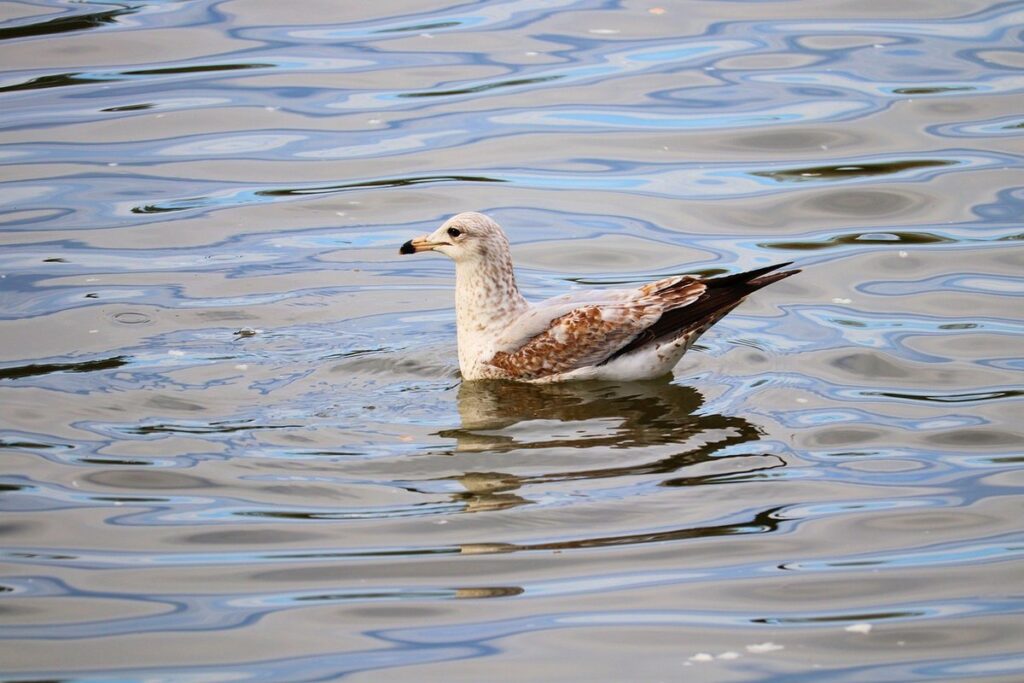
Understanding Roost Behavior and Spacing Needs
To effectively plan your roost, it’s essential to understand how birds behave and space themselves naturally, which will help you create a harmonious and thriving environment. This section explains those natural behaviors.
The Importance of Roosting for Birds
For birds, roosting is more than just finding a place to rest at night. It’s an essential part of their daily routine that affects their behavior and overall well-being. Roosting provides birds with the opportunity to settle down, relax, and recharge for the next day’s activities.
When birds roost together, it creates a sense of security and social bonding among them. This is particularly important in species like parrots, which are known to be highly social animals. For example, African Greys have been observed preening each other while roosting together, strengthening their pair bonds.
Roosting also plays a crucial role in maintaining the flock’s hierarchy and communication dynamics. Birds will often use specific calls or songs to alert others of potential predators, food sources, or other important information during the night. This helps maintain cohesion within the group and ensures everyone stays vigilant and informed. By understanding and respecting these roosting needs, bird owners can create a more harmonious and healthy environment for their feathered friends.
Identifying Bird Species’ Specific Roosting Requirements
When creating a roost-friendly environment, it’s essential to remember that different bird species have unique roosting requirements. For instance, cavity-nesting birds like woodpeckers and nuthatches need specific types of nesting boxes with exact diameters and entrance hole sizes to accommodate their needs.
On the other hand, birds that roost in dense vegetation, such as warblers and sparrows, require a more subtle approach to creating a welcoming environment. Providing dense shrubs or trees with an understory can help these species feel secure and comfortable while roosting.
Some bird species even have specific temperature requirements for roosting. For example, hummingbirds often roost in warm, sheltered spots, such as near a heat source like a birdbath or a sunny window. Understanding the specific roosting needs of each bird species is crucial to creating an environment that meets their unique requirements.
Consider consulting with local bird conservation groups or doing research on the specific bird species you’re trying to attract to gain insight into their roosting needs. By taking this step, you can create a welcoming space that caters to the diverse needs of various bird species.
Measuring and Calculating Roost Spacing
To accurately plan your coop, you’ll need to measure and calculate roost spacing for a comfortable and safe environment for your birds. Let’s dive into the math behind finding the perfect roosting bars.
Factors Influencing Roost Spacing: Size, Shape, and Orientation
The size, shape, and orientation of an enclosure or space play a crucial role in determining optimal roost spacing for birds. A larger space can accommodate more birds, but if the area is too vast, it may lead to uneven distribution and reduced social interaction among birds.
For instance, if you’re designing a large aviary, consider dividing the space into smaller compartments using visual barriers or vegetation. This will allow birds to establish their own territory while maintaining visibility and proximity to other birds.
The shape of the enclosure also affects roost spacing. Rectangular spaces tend to favor linear flight paths, whereas circular or irregular shapes promote more random movement. If you’re working with a non-traditional space, consider incorporating visual barriers or focal points to create areas of congregation.
Orientation is another critical factor, as it impacts the direction and intensity of sunlight entering the enclosure. In warmer climates, providing shading in south-facing orientations can help reduce heat stress during peak hours.
Calculating the Ideal Roosting Area per Bird
When it comes to calculating the ideal roosting area per bird, there are several factors to consider. The first step is to determine the species of bird you’re working with, as different species have varying requirements for space and comfort. For example, birds like hummingbirds require a significantly smaller roosting area compared to larger species like owls.
To calculate the ideal roosting area per bird, you can use the following formula: Roost Area (in square feet) = Number of Birds x 0.5 – 1 square foot per bird. For example, if you’re planning a roost for 10 birds, the total roost area would be 5-10 square feet.
It’s also essential to consider the available space and how it will impact the birds’ behavior and comfort levels. A general rule of thumb is to provide at least 1 square foot per bird for small species and 2-3 square feet for larger species. By following these guidelines, you can create a roosting area that meets the needs of your feathered friends.
Recommended Roost Spacing Guidelines by Species
To help you create effective roosts for your feathered friends, we’ve outlined recommended spacing guidelines specifically tailored to various bird species. Different birds have unique needs and requirements.
Small Birds (e.g., Finches, Sparrows)
When it comes to small birds like finches and sparrows, providing the right roosting conditions is crucial for their well-being. A general rule of thumb is to offer a minimum of 6-8 inches (15-20 cm) of vertical space per bird, with the roosts spaced at least 12-18 inches (30-45 cm) apart.
For finches, consider installing roosting bars or shelves that are around 2-3 feet (60-90 cm) long and 1-2 inches (2.5-5 cm) wide. This will allow them to easily access their preferred perching spots. Additionally, provide a mix of vertical and horizontal spaces for nesting boxes and perches.
Sparrows, on the other hand, prefer more compact spaces. Install smaller roosting bars or shelves, around 1-2 feet (30-60 cm) long and 0.5-1 inch (1.25-2.5 cm) wide. Keep in mind that these birds are ground-dwellers and may appreciate having access to the floor for nesting.
When setting up roosting spaces, remember to position them at a comfortable distance from windows, doors, and any other potential hazards. By following these guidelines, you can create an inviting environment for small birds to roost and thrive in your backyard or garden.
Medium-Sized Birds (e.g., Canaries, Cockatiels)
When it comes to medium-sized birds like Canaries and Cockatiels, finding the right roost spacing is crucial for their comfort, health, and well-being. These birds require a balance between personal space and proximity to their flock or human caregivers.
A good starting point is to provide at least 18-24 inches of vertical roosting space per bird. This allows them to stretch out comfortably while keeping them close enough to interact with each other. If you’re housing multiple medium-sized birds together, consider a minimum of 2-3 square feet of floor space per bird.
In addition to adequate space, ventilation is essential for these birds’ respiratory health. Ensure that your roosts have proper airflow and are positioned near windows or doors to allow fresh air to circulate. A humidity level between 40-60% is also recommended, as this will help prevent respiratory issues like bronchitis.
When choosing a roosting location, avoid areas with drafts or direct sunlight, which can cause stress to the birds. Place their roosts near perches and toys to encourage exercise and playtime.
Creating a Roost-Friendly Environment
Now that you have a solid understanding of optimal roost spacing, let’s dive into how to create a welcoming space for your birds at home. This environment will help them thrive and feel comfortable, day in and day out.
Choosing the Right Location for Your Roost
When choosing a location for your roost, it’s essential to consider factors that promote health and well-being. Start by thinking about light exposure – chickens need a balance of light and darkness to regulate their circadian rhythms. Aim for a spot with partial shade, especially during peak sun hours, to prevent overheating.
Temperature regulation is also crucial. Roosts should be positioned away from drafts and extreme temperature fluctuations. Consider the surrounding environment and potential microclimates that may impact your chickens’ comfort levels.
Proximity to food and water sources is another critical factor. Place the roost near a feeding area or consider installing a gravity-fed watering system to minimize walking distances for your chickens. This will help reduce stress, promote healthy behaviors, and encourage regular activity.
When evaluating potential locations, keep in mind the layout of your farm or backyard. Consider the flow of traffic, accessibility, and ease of cleaning. By carefully selecting an optimal location, you can create a roost that supports the health and happiness of your flock.
Integrating Perches, Nesting Boxes, and Other Amenities
When it comes to creating a roost-friendly environment, incorporating essential features like perches, nesting boxes, and other amenities is crucial. These elements not only provide birds with comfort but also functionality.
Perches are an obvious must-have for roosts. Not only do they allow birds to land safely when returning from their daily activities, but they also help maintain a clean environment by allowing droppings to fall through the bars. Install perches at varying heights and angles to accommodate different bird species. For example, if you’re accommodating pigeons or doves, install horizontal bars for them to roost on.
Nesting boxes are another vital feature for roosts. They provide birds with a secure place to lay their eggs or raise their young. When selecting nesting boxes, ensure they are spacious enough for the intended bird species and well-ventilated to prevent moisture buildup. Install them at an angle, about 2-3 feet off the ground, to facilitate easy access.
In addition to perches and nesting boxes, consider adding a water source, food dish, and a dust bath area to create a holistic roost design.
Challenges in Implementing Roost Spacing Guidelines
Implementing roost spacing guidelines can be tricky, especially when dealing with complex environments or unexpected challenges that arise during deployment. We’ll explore these common obstacles up close in this section.
Common Mistakes in Roost Design and Layout
When designing and laying out roosts for your birds, it’s easy to get caught up in the excitement of creating a perfect space. However, common mistakes can have long-term effects on the health and well-being of your flock. One error is overcrowding the roost. When birds are packed too tightly together, they’re more susceptible to disease transmission, stress, and even cannibalism.
Another mistake is failing to consider ventilation and air circulation within the roost. Birds need room to spread their wings and move around comfortably, especially during hot summer months when heat can become a concern. Insufficient airflow can lead to respiratory issues, so make sure your roost design includes adequate ventilation openings.
Inadequate perching space is also a common issue. Ensure that you provide enough sturdy perches for each bird to have their own spot to roost comfortably, without having to share with others. You should aim for at least 12-18 inches of perching space per bird. By avoiding these mistakes and following best practices, you can create a safe and healthy environment for your birds to thrive.
Addressing Behavioral Issues Caused by Poor Roost Spacing
When roosts are spaced too closely together, it can lead to a host of behavioral problems in birds. One common issue is aggression between birds, particularly during the breeding season when males may become territorial and competitive for mates. This can result in pecking, biting, and other forms of violence, causing significant stress and discomfort for the birds.
Inadequate roost spacing can also lead to a range of abnormal behaviors, such as feather plucking, self-mutilation, and excessive vocalization. These problems not only affect the well-being of individual birds but also create unsanitary conditions and compromise the overall health of your flock.
To address these issues, it’s essential to establish roosts that provide sufficient space for each bird to stretch out comfortably without being disturbed by others. A general rule of thumb is to allocate a minimum of 2-3 square feet per bird at floor level and 4-6 square feet in total for larger birds. By providing ample space, you can reduce aggression and stress, promote healthier behaviors, and create a more harmonious environment for your flock.
Best Practices for Maintaining a Well-Designed Roost
To keep your roost looking its best, we’ll cover essential tips on maintaining cleanliness and organization to prevent pest issues and damage. This includes simple tasks like regular sanitizing and clutter control.
Regular Cleaning and Inspection
Maintaining a well-designed roost requires more than just initial setup. Regular cleaning and inspection are crucial to ensure the roost remains a safe and healthy environment for your birds. A clean and well-maintained roost prevents the spread of diseases, reduces stress on your flock, and promotes overall health.
To prioritize cleanliness, establish a regular schedule for removing soiled bedding material, disinfecting surfaces, and replacing with fresh materials. Consider automating this process through mechanical systems or manually checking the roost daily. For example, if you’re using wood shavings as bedding, replace them completely every 2-3 months to prevent ammonia buildup.
Regular inspections should be conducted alongside cleaning. Check for signs of wear on perches and bars, and repair or replace them as necessary. Monitor for any cracks in the structure that may create harborage sites for pests or predators. This proactive approach helps identify potential issues before they become major problems, ensuring a safe and healthy environment for your birds to thrive.
Adjusting Roost Spacing as Your Flock Grows or Changes
As your flock grows or changes over time, it’s essential to reassess and adjust the roost spacing to ensure the continued health and well-being of your birds. A crowded or cramped roost can lead to stress, aggression, and even disease transmission among your flock members.
When introducing new birds to an existing roost, start by observing their behavior and body language. If you notice any signs of discomfort or aggression, it may be necessary to temporarily separate the new birds from the rest of the flock. This will give you a chance to reassess the roost spacing and make adjustments as needed.
To adjust your roost layout, consider the following factors: age, size, and breed of your birds. Younger birds, for example, require more space per bird due to their energetic nature, while larger breeds may need more room to stretch out comfortably. Regularly monitoring your flock’s behavior and adjusting the roost spacing accordingly will help prevent stress and promote a healthy living environment.
Frequently Asked Questions
How do I adjust my roost spacing as my flock grows or changes?
Adjusting roost spacing is crucial when your bird population increases or species composition changes. Monitor your birds’ behavior, and consider increasing the number of perches, nesting boxes, or even creating separate roosts for different species to maintain a harmonious environment.
What are some common mistakes in roost design and layout that I should avoid?
Failing to provide sufficient vertical space, neglecting proper ventilation, and inadequate perch size or material can lead to stress and discomfort. Ensure adequate air circulation, use sturdy perches made from durable materials, and consider adding roost extenders for birds of varying heights.
Can I combine roosts with other bird-keeping amenities like nest boxes or feeding stations?
While combining these features can be beneficial, ensure that each area serves its intended purpose without overlapping functions. For instance, a single feeding station near the roost can encourage socialization, but avoid placing nesting boxes within close proximity to reduce potential conflicts.
How often should I inspect and clean my roosts to maintain optimal conditions?
Regular cleaning and inspection are essential for maintaining a healthy environment. Aim to clean perches, nest boxes, and surrounding areas every 2-3 weeks, depending on the size of your flock and individual bird behavior. Remove soiled bedding, disinfect surfaces with pet-safe cleaners, and replace worn-out materials promptly.
What if I have mixed-species flocks; how can I ensure each species has its roosting needs met?
When housing different bird species together, research their specific roosting requirements to create a balanced environment. Group birds of similar size or roosting preferences together, providing distinct perches and nesting areas for each group while ensuring adequate separation to minimize stress and competition.