
As a backyard chicken keeper, you’re probably no stranger to the joys of raising your own flock. But let’s face it – running a chicken coop can be expensive, both in terms of energy costs and environmental impact. Did you know that harnessing solar power for your chicken coop can help reduce those expenses while also shrinking your carbon footprint? Not only is it eco-friendly, but it’s also a smart financial move. In this article, we’ll explore the benefits of going solar with your chicken coop, assess whether it’s right for you, and provide guidance on choosing the perfect system. We’ll even share tips on how to maintain a successful installation that will keep your chickens happy and healthy while keeping energy costs low.
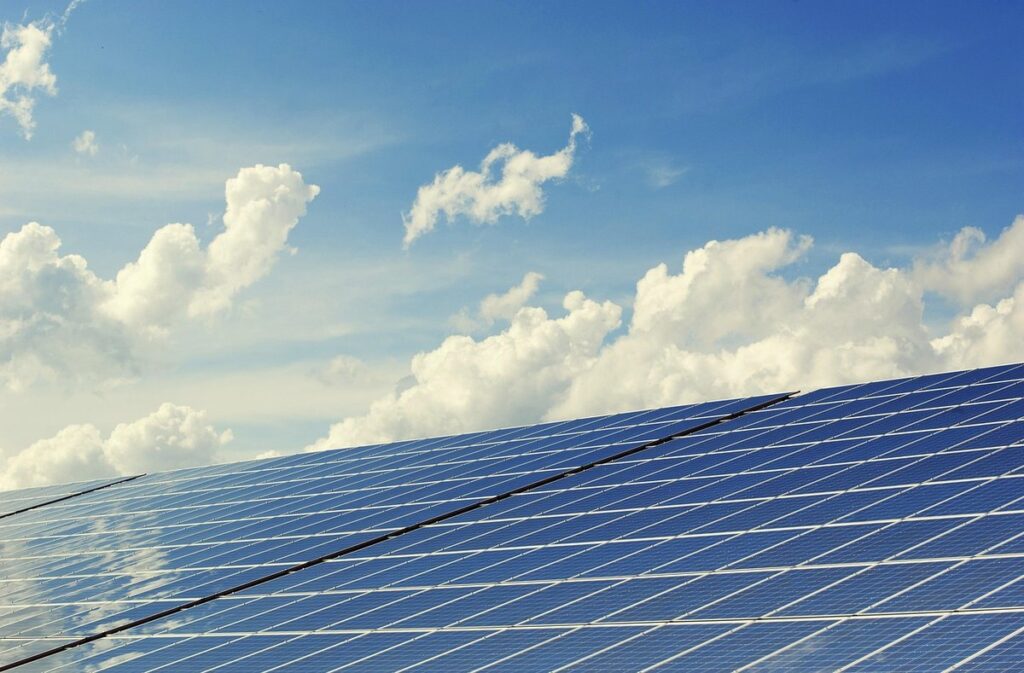
Benefits and Advantages of Using Solar Power in Your Chicken Coop
Harnessing solar power for your chicken coop not only saves you money on energy bills but also provides a sustainable way to power essential equipment and maintain a healthy environment for your flock. Let’s explore the benefits in more detail.
Energy Efficiency and Cost Savings
Using solar power to generate electricity for your chicken coop not only reduces carbon emissions but also helps you save money on your electricity bills. One of the most significant benefits of harnessing solar energy is its ability to reduce energy consumption, which directly translates to cost savings.
On average, a standard chicken coop uses around 5-7 kilowatt-hours (kWh) of electricity per day. By installing a solar panel system specifically designed for your coop’s energy needs, you can significantly reduce this figure. For instance, a 2 kW solar panel system can generate enough electricity to power your coop’s lighting, ventilation, and other essential equipment.
To give you an idea of the cost savings, consider this: if you pay an average of 15 cents per kWh for electricity, and your coop uses 5 kWh per day, that’s around $0.75 per day in energy costs. Over a year, this adds up to approximately $274. By installing a solar panel system, you can potentially save between 50-70% of these costs, depending on the size of your system and local incentives.
To make the most of solar power for your chicken coop, consider the following tips:
• Assess your energy needs carefully before designing and installing a solar panel system.
• Choose high-efficiency solar panels that are specifically designed for small-scale applications like chicken coops.
• Consider incorporating energy storage systems to ensure a stable power supply during periods of low sunlight.
Environmental Benefits and Sustainability
Using solar power to light and maintain your chicken coop is not only beneficial for your birds’ health but also has a significant positive impact on the environment. When it comes to reducing carbon footprint, solar energy is one of the most eco-friendly options available.
One of the primary benefits of using solar power in your chicken coop is that it significantly reduces greenhouse gas emissions. Traditional lighting sources, such as incandescent bulbs, release a substantial amount of CO2 into the atmosphere, contributing to climate change. In contrast, solar panels produce clean energy by harnessing sunlight, thereby reducing your reliance on fossil fuels and lowering your carbon footprint.
To maximize the environmental benefits of solar power for your chicken coop, consider using high-efficiency LED lights, which consume significantly less energy than traditional lighting sources while producing the same amount of light. This reduces energy waste and minimizes your overall energy consumption.
By making the switch to solar power, you’ll not only be doing your part in reducing carbon emissions but also setting a great example for others to follow. With its clean and sustainable energy production, solar power is an excellent choice for chicken coop owners looking to minimize their environmental impact.
Assessing Your Chicken Coop’s Suitability for Solar Power Installation
Before installing solar panels on your chicken coop, you need to assess whether it’s a suitable location by considering factors like sunlight exposure and panel size. This section will walk you through those essential considerations.
Evaluating Roof Space and Orientation
When evaluating the suitability of your chicken coop for solar power installation, it’s essential to assess its roof space and orientation. The amount of space available on the roof will determine the size and number of solar panels you can install, while optimal orientation will ensure maximum energy production.
Aim for a minimum roof area of 100-150 square feet to accommodate a standard solar panel system. However, this can vary depending on your energy needs and the type of solar panels chosen. If your coop has a larger roof, consider installing more panels to generate excess energy.
As for orientation, ideally face your solar panels towards the south (between southeast and southwest) to maximize sunlight exposure throughout the year. A tilt angle between 30-45 degrees will also help optimize energy production. Keep in mind that local building regulations may dictate specific requirements for solar panel installation, so be sure to check with your authorities before proceeding.
Remember, even a small coop can benefit from solar power if properly equipped and designed. Assessing your roof space and orientation is a crucial step in determining the feasibility of solar power for your chicken coop.
Assessing Energy Needs and Requirements
Calculating energy needs is a crucial step before installing solar power for your chicken coop. You’ll need to assess the energy requirements of various components such as lighting, ventilation, and equipment power.
Start by listing all the electrical devices in your chicken coop, including LED lights, fans, heaters, and any automated systems you might have. Consider the wattage or voltage rating of each device to get an accurate estimate of the total energy needs. You can refer to the manufacturer’s specifications for this information.
Next, consider the usage patterns of these devices. For example, how many hours a day do your chickens need lighting? What about ventilation – will you be using fans continuously or intermittently? Understanding these usage patterns will help you determine the peak power demand during different times of the day.
Typically, a chicken coop’s energy needs range from 100-500 watts, depending on the size and complexity of the setup. To give you a better idea, here are some rough estimates: LED lighting (10-20 watts), fans (20-50 watts), and small pumps or heaters (20-50 watts). Use these estimates as a starting point to calculate your coop’s total energy needs.
Choosing the Right Solar Panel System for Your Chicken Coop
When selecting a solar panel system for your chicken coop, consider factors such as power output and space constraints to ensure you choose the right fit.
Types of Solar Panels and Systems
When it comes to powering your chicken coop with solar energy, understanding the different types of solar panels and systems is crucial. The good news is that there are many options available for small-scale installations like yours.
Monocrystalline solar panels are a popular choice due to their high efficiency rates (15-20%) and long lifespan (25 years or more). They’re also relatively lightweight, making them easy to install on rooftops. However, they can be expensive, which may not fit within every budget.
Polycrystalline solar panels, on the other hand, are more affordable and have an efficiency rate of around 12-17%. While they might not be as efficient as monocrystalline panels, they’re still a great option for those looking to save some money. Thin-film solar panels offer even lower costs but with significantly reduced efficiency (around 7-10%).
In terms of system types, consider the following:
* Grid-tie systems connect your coop’s solar array directly to the electrical grid.
* Off-grid systems store excess energy in a battery bank for use when needed.
* Hybrid systems combine both grid and off-grid functionality.
When selecting a system or panels, think about factors like space availability, budget constraints, and local building regulations. Consult with a professional installer if you’re unsure about the best option for your coop.
Key Considerations for Installation Size and Design
When selecting a solar panel system for your chicken coop, one of the most critical factors to consider is the size and design of the installation. This will ensure that it meets your specific energy needs while also being efficient and cost-effective.
Firstly, calculate your chicken coop’s energy requirements based on the number of chickens, their breed, and the lighting system you plan to use. Consider factors such as fan speed, light duration, and temperature control. A general rule of thumb is to assume 10-20 watts per bird for a standard coop setup.
In terms of design, consider a modular approach that allows for easy expansion or reconfiguration if needed. Flat roofs are ideal for solar panels, but if your coop has a pitched roof, you can opt for a more compact system or angle the panels to fit the space. Ensure that the system is compatible with your existing infrastructure, including any existing electrical systems and wiring.
When choosing the size of your solar panel system, don’t forget to consider future upgrades or expansions. A well-designed system will provide years of reliable energy production while minimizing waste and unnecessary upgrades.
Installing Solar Power in Your Chicken Coop: A Step-by-Step Guide
To successfully install solar power in your chicken coop, start by assessing your energy needs and choosing a suitable solar panel system that fits your space and budget. Next, we’ll walk you through the installation process step-by-step.
Preparing the Site and Ensuring Safety
Before you start installing solar panels on your chicken coop, it’s essential to prepare the site and ensure safety. This may seem like a no-brainer, but it’s crucial to avoid accidents and ensure the longevity of your solar panel system.
First, choose a location that receives direct sunlight for most of the day. Ensure there are no obstructions between the panels and the sun, such as trees or buildings. Clear any debris or overgrown vegetation from the area. This will not only improve the efficiency of your solar panels but also provide easy access for maintenance and cleaning.
Consider the roof’s structural integrity to support the weight of the solar panels. If you’re planning to install a new coop, make sure it’s designed with solar panel compatibility in mind. Consult with professionals if needed.
When working with electrical systems, safety should be your top priority. Wear protective gear such as gloves and safety glasses when handling wiring or installing panels. Ensure all connections are secure and follow proper grounding procedures.
Installing Mounting Hardware and Connecting Cables
When it comes to installing solar power in your chicken coop, mounting hardware installation and connecting cables are crucial steps that require attention to detail. Begin by reviewing the manufacturer’s instructions for the specific mounting hardware provided with your solar panel system.
Typically, this will involve attaching the racking system to the roof of the coop using screws or bolts specifically designed for outdoor use. Make sure to choose a location that receives direct sunlight and is clear of any obstructions. Ensure the mounting hardware is securely fastened to prevent damage from wind or other environmental factors.
Next, connect the cables between the solar panels, charge controller, and battery bank according to the manufacturer’s specifications. Use high-quality connectors and wire nuts to secure connections and prevent corrosion. Double-check that all connections are tightened firmly before closing any access panels or coverings.
Maintenance and Upkeep of Your Solar Power System in the Chicken Coop
To keep your solar power system running smoothly, regular maintenance is crucial to ensure optimal performance and extend its lifespan. Here’s what you need to do.
Regular Cleaning and Inspections
Regular cleaning and inspections are crucial to ensure your solar power system in the chicken coop performs optimally and lasts long. A clean and well-maintained system not only boosts energy production but also prolongs its lifespan.
Dust, dirt, and debris can accumulate on the panels, reducing their efficiency by up to 25%. Cleaning them regularly with a soft brush or a hose with a wide fan tip helps maintain optimal performance. For best results, clean your solar panels at least twice a year, especially during periods of high pollen count or construction nearby.
Inspecting your system is equally important. Check for any signs of wear and tear, such as loose connections, damaged wiring, or corroded terminals. Clean or replace faulty components to prevent costly repairs down the line. You can also schedule annual professional inspections to ensure your system meets safety standards and remains compliant with local regulations. By committing to regular cleaning and inspections, you’ll get the most out of your solar power investment and enjoy a reliable source of energy for years to come.
Troubleshooting Common Issues and Faults
Identifying and resolving potential issues with your solar power system is crucial to maintaining its efficiency and ensuring it continues to power your chicken coop. One common issue is a decrease in energy production due to dirt accumulation on the panels. Regular cleaning of the panels can help restore their efficiency, but be sure to follow proper cleaning techniques to avoid damaging the cells.
Another potential problem is faulty wiring or connections within the system. Check for signs of wear and tear on wires, terminals, and connectors. Make any necessary repairs promptly to prevent further damage. It’s also essential to monitor your system’s performance regularly, checking for inconsistencies in energy production or unusual patterns.
If you notice a sudden drop in energy output, inspect the system immediately for potential issues such as loose connections, blocked air vents, or debris on the panels. A well-maintained solar power system will continue to provide reliable and efficient power to your chicken coop. Regular inspections and maintenance can help prevent these common issues from arising in the first place.
In addition, keep an eye out for signs of overheating, such as excessive heat buildup around the inverter or charge controller. This can lead to premature degradation of components or even system failure. Taking proactive steps to address potential problems will ensure your solar power system continues to perform optimally and provides reliable energy for years to come.
Monitoring your system’s performance with a data logger or monitoring software can help you identify issues early on, allowing for prompt repairs and minimizing downtime. By staying vigilant and taking the necessary precautions, you’ll be able to resolve common issues quickly and efficiently, ensuring your solar power system remains in top condition.
Case Studies and Real-Life Examples: Successful Solar Power Implementations in Chicken Coops
Let’s take a closer look at some real-life examples of chicken coops powered by solar energy, showcasing successful implementations that you can learn from. These case studies offer valuable insights into designing and installing your own coop’s solar system.
Success Stories from Small-Scale Farmers and Homesteaders
Many small-scale farmers and homesteaders have successfully implemented solar power in their chicken coops, and their stories are truly inspiring. Take, for example, Emma from rural Iowa, who installed a 2 kW solar array on her chicken coop to power ventilation fans, lights, and water pumps. The system paid for itself within the first year, thanks to reduced energy costs and increased egg production.
Similarly, John from California built a net-zero-energy chicken coop using solar panels, batteries, and an efficient cooling system. His flock’s health improved significantly due to consistent temperature control and optimal ventilation. This is not just about saving money; it’s also about creating a healthier environment for your birds. By harnessing the power of sunlight, you can reduce your carbon footprint and ensure the well-being of your chickens.
To replicate their success, consider the following:
* Assess your energy needs carefully to determine the right solar panel size
* Choose high-efficiency panels and batteries that suit your system’s requirements
* Monitor and maintain your system regularly to maximize its performance
Lessons Learned and Best Practices
When implementing solar power in chicken coops, it’s essential to learn from the experiences of others and incorporate best practices into your project. The case studies we’ve explored demonstrate that successful implementations require careful planning, attention to detail, and a willingness to adapt.
One key takeaway is the importance of conducting thorough site assessments to determine the optimal solar panel placement and angle for maximum energy production. For instance, consider the slope and orientation of your coop’s roof, as well as any nearby shading obstacles. This will help you avoid costly reconfigurations or reduced system performance.
Another crucial lesson learned is the need for regular maintenance and monitoring. Regularly inspect your solar panels for dirt, debris, or damage, and clean them as needed to maintain efficiency. Additionally, keep an eye on your energy production levels and adjust your system accordingly to ensure it’s meeting your coop’s needs.
By applying these best practices and being prepared for potential challenges, you can set yourself up for a successful and sustainable solar power implementation in your chicken coop.
Frequently Asked Questions
Can I use existing solar panels from another part of my property for my chicken coop?
You can repurpose existing solar panels, but ensure they are suitable for the chicken coop’s energy needs. Consider factors like panel efficiency, age, and compatibility with your coop’s equipment. Also, verify that the panels still have a warranty or guarantee.
How do I handle shading issues on my chicken coop roof when choosing solar panels?
Shading can significantly impact solar panel performance. Assess potential shading sources (trees, buildings, etc.) and consider their position relative to your roof. Choose panels with high efficiency ratings and install them at an angle that maximizes sunlight exposure during the day.
What’s the typical maintenance schedule for a solar power system in my chicken coop?
Regular cleaning of solar panels is essential to maintain performance. Set aside time (about 1-2 hours) every 3-6 months for inspections, cleaning, and ensuring all connections are secure. Also, keep an eye out for signs of wear or damage on components like mounting hardware.
Can I mix different types of solar panels (e.g., monocrystalline and polycrystalline) in my chicken coop installation?
It’s generally recommended to use panels from the same manufacturer and series to ensure compatibility and optimal performance. Mixing different types can lead to inconsistent energy output, so it’s best to stick with a single type or consult an expert for guidance.
How do I calculate the ideal size of my solar panel system based on my chicken coop’s specific needs?
Assess your coop’s power requirements using a wattage calculator or consulting with a professional. Consider factors like lighting, ventilation, and any additional equipment you plan to use. This will help you determine the optimal system size and ensure it meets your flock’s needs while minimizing energy waste.