
Are you ready to take your backyard flock game to the next level? Managing a flock can be a fun and rewarding experience, but it requires careful planning and attention to detail. A well-managed flock is not only a delight to care for, but also a source of fresh eggs and entertainment for the whole family. However, without a solid plan in place, health issues and performance problems can quickly arise.
In this comprehensive guide to backyard flock management, we’ll cover everything from planning and building an environment that meets your birds’ needs to monitoring performance metrics and managing health issues. We’ll provide you with a simple and effective checklist to help you get started and keep your flock thriving. Whether you’re a seasoned chicken keeper or just starting out, this article will give you the tools you need to raise happy and healthy birds in your own backyard.
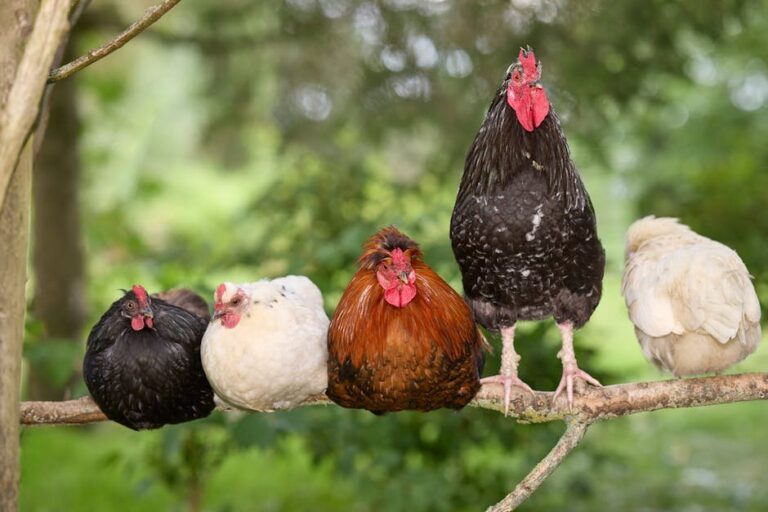
Planning Your Backyard Flock
When planning your backyard flock, it’s essential to consider not just the number of birds you want to keep, but also their individual needs and personalities. This involves setting clear goals for your flock’s health and productivity.
Choosing the Right Breed(s) for Your Climate and Experience
When it comes to choosing the right breed(s) for your backyard flock, climate and experience play crucial roles. A bird that thrives in a scorching desert climate won’t do well in a humid subtropical region, and vice versa. Similarly, breeds with high energy requirements may not be suitable for small spaces or inexperienced owners.
To research different breeds, start by considering your local climate and its challenges. Look for breeds that are heat-tolerant, cold-hardy, or resistant to humidity, depending on your area’s conditions. For example, in hot climates, breeds like Leghorns or Australorps are good choices due to their high egg production and tolerance for heat.
Consider your management style as well. If you’re new to backyard flock management, start with hardy breeds that are easy to care for, such as Rhode Island Reds or Plymouth Rocks. These birds are known for their friendly nature and adaptability, making them perfect for beginners.
It’s also essential to research the breed’s space requirements and growth rates. Some breeds, like Silkies or Polish, are compact and don’t require a lot of space. Others, like Orpingtons or Sussex, need more room to roam.
Setting Goals and Priorities for Your Backyard Flock
When it comes to setting goals for your backyard flock, it’s essential to be realistic and prioritize your flock’s needs and resources. Start by deciding what you want to achieve with your flock: do you want to focus on egg production, meat production, or both? Consider how many chickens you can realistically care for and the space you have available.
For egg production, aim to collect around 280-300 eggs per year from each hen. This translates to about 5-6 eggs per week per bird. For meat production, plan for around 3-4 pounds of chicken per year per bird. Keep in mind that these numbers can vary depending on breed, age, and health factors.
Prioritize your flock’s needs by allocating resources accordingly. Make sure you have enough space, feed, water, and shelter to meet the demands of your flock. Consider factors like ventilation, lighting, and egg collection systems when planning your coop design. By setting realistic goals and prioritizing your flock’s needs, you’ll be well on your way to successfully managing your backyard flock.
Understanding Local Regulations and Ordinances
Researching and complying with local regulations is crucial to establishing a successful backyard flock. Start by visiting your city’s website or contacting your local government office to gather information on zoning laws, ordinances, and permits required for keeping backyard chickens.
Some key factors to consider include setbacks from property lines, coop requirements, and the number of birds allowed per household. For instance, some cities have specific regulations regarding the proximity of coops to neighboring homes or schools.
In addition to zoning laws, you’ll also need to familiarize yourself with health department requirements. This may involve registering your flock, obtaining a permit, and adhering to biosecurity protocols to prevent the spread of diseases.
To protect yourself and others in case of an accident or injury related to your backyard flock, consider investing in liability insurance. Many cities require this coverage as part of their regulations.
When researching local regulations, be sure to review and understand all relevant laws and ordinances before bringing birds onto your property. This will help you avoid costly fines, penalties, or even the removal of your flock.
Building a Safe and Healthy Environment for Your Flock
When it comes to backyard flock management, creating a safe and healthy environment is crucial for your chickens’ well-being. This section will cover essential tips on setting up a secure and clean living space.
Providing Adequate Shelter and Ventilation
Providing adequate shelter and ventilation is crucial for maintaining a safe and healthy environment for your flock. A well-designed coop should prioritize airflow, temperature regulation, and predator protection. Ventilation systems are essential to remove ammonia from droppings, which can be toxic to birds. You can install windows, vents, or use fans to circulate air, but ensure they’re not too large, as this can make the coop drafty.
When it comes to nesting boxes, provide one box per 3-4 hens to encourage healthy egg-laying habits and prevent stress. Ensure each box is at least 12 inches wide, 12 inches deep, and 18 inches tall. The entrance should be around 6-8 inches off the ground for easy access.
Predator protection involves securing doors with hardware cloth or chicken wire, extending it at least 1 foot underground to prevent burrowing. Consider using a secure latch system and regular inspections to maintain coop integrity. A well-built coop is a long-term investment in your flock’s health and safety, so take the time to design and construct one that meets their needs.
Ensuring Access to Fresh Water and Feed
Providing clean, fresh water and high-quality feed is essential for maintaining the health and well-being of your flock. A reliable source of water should be readily available at all times, with a good rule of thumb being to provide one gallon of water per bird per day.
When it comes to waterers, consider the type that best suits your needs. Hanging waterers are convenient but can be prone to contamination, while bowl-type waterers are easier to clean and maintain. Make sure to change the water frequently to prevent bacterial growth.
Feeders should also be designed with ease of access in mind. Consider feeders with adjustable gates or automated feeding systems to ensure that each bird is receiving its fair share. A good feeding schedule involves providing 1-2% of your flock’s body weight in feed daily, divided into multiple meals to prevent overeating and maintain digestive health.
Regularly inspecting waterers and feeders can help identify any issues before they become major problems. Consider the size of your flock and adjust your watering and feeding systems accordingly to ensure everyone has access to these essential resources.
Implementing Biosecurity Measures to Protect Your Flock
As a backyard flock owner, you’re aware of the importance of maintaining a healthy environment for your birds. However, disease transmission is a significant risk that can quickly spread through your flock and even to neighboring flocks if not properly managed.
To protect your flock from diseases such as avian influenza, Newcastle disease, and salmonella, it’s essential to implement effective biosecurity measures. Start by establishing a sanitation protocol for your coop and run. This includes regular cleaning of feeders, waterers, and perches with a disinfectant solution, and removing any soiled bedding or debris.
Implementing quarantine procedures is also crucial in case you introduce new birds into your flock. Isolate the new birds for at least 30 days before integrating them with the rest of your flock to prevent disease transmission. Consider using separate coops or enclosures for new birds to ensure they’re not exposed to existing birds while still under observation.
Regularly inspecting your coop and run, as well as practicing good hygiene habits, can also help minimize the risk of disease transmission. Always wash your hands before and after handling your birds, and ensure that visitors follow the same protocol when visiting your flock.
Managing Health Issues in Your Backyard Flock
Health issues can arise unexpectedly, so it’s essential to know how to identify common problems and take prompt action to protect your flock’s well-being. Learn what signs to look for and how to provide proper care.
Recognizing Signs of Common Diseases and Parasites
As a backyard flock owner, it’s essential to be aware of the common health issues that can affect your birds. Diseases and parasites are among the most prevalent problems you may encounter. Here are some of the most common ones:
Marek’s disease is a viral illness that causes symptoms such as lethargy, loss of appetite, and swelling around the eyes. You’ll also notice changes in your bird’s feathers, including frizzing or brittleness. If left untreated, Marek’s can lead to paralysis or even death.
Another common issue is respiratory problems, often caused by bacteria like E. coli or Pasteurella multocida. Symptoms include labored breathing, coughing, and discharge from the eyes and nostrils. In severe cases, birds may develop pneumonia, which requires immediate veterinary attention.
Parasites are another significant threat to backyard flocks. Mites, lice, and fleas can infest your birds, causing discomfort, anemia, and even death. Look for signs like excessive preening, hair loss, or tiny eggs attached to your bird’s feathers.
Regular monitoring of your flock’s behavior and physical condition is crucial in identifying potential health issues early on. Always inspect your birds daily, checking for unusual behaviors, changes in appetite or droppings, and visible signs of illness.
Developing a Health Monitoring Plan
Regular health checks are crucial for maintaining the well-being of your backyard flock. A regular check can help you identify potential health issues early on, preventing them from escalating into more severe problems. To develop a health monitoring plan that suits your flock’s needs, start by scheduling regular check-ups with a veterinarian who has experience in poultry care.
Determine which aspects of your flock’s health to monitor most closely, such as egg production, growth rates, or behavior. Keep a record of the results and observations from each check-up to track any changes over time. This will enable you to make informed decisions about vaccination schedules, parasite control, and nutrition.
Pay particular attention to signs of stress, which can manifest in various ways, including decreased appetite, lethargy, or unusual droppings. Keep an eye out for these warning signals and take prompt action if you notice any deviations from the norm. By staying vigilant and proactive, you can help maintain your flock’s health and prevent costly veterinary bills down the line.
Seeking Professional Help When Needed
When faced with a health issue in your backyard flock, it’s essential to seek professional help from veterinarians or poultry experts. They have the knowledge and experience to diagnose and treat specific diseases or conditions that may be affecting your birds.
A veterinarian or poultry expert can provide a proper diagnosis based on physical examination, lab tests, and medical history. They can also recommend the most effective treatment options, which may include medications, vaccinations, or quarantine procedures. For instance, if you notice a sudden increase in mortality rates among your chickens, a vet can help determine the cause and suggest measures to prevent further losses.
It’s crucial not to self-medicate or rely on online advice without consulting an expert. This can lead to misdiagnosis, ineffective treatment, and potentially harm your birds. If you’re unsure about any aspect of your flock’s health, don’t hesitate to seek professional help. Remember, a healthy backyard flock is a safe and happy one – it’s always better to err on the side of caution when it comes to their well-being.
Keep in mind that regular check-ups with a veterinarian or poultry expert can also help identify potential issues before they become serious problems. Schedule a visit every 6-12 months for a comprehensive health examination, vaccinations, and advice on maintaining optimal flock health.
Managing Predators and Pests in Your Backyard Flock
When it comes to maintaining a healthy backyard flock, managing predators and pests is crucial to prevent losses and ensure your birds stay safe and secure. We’ll cover essential strategies for controlling these threats in this next section.
Identifying Common Predator Threats and Prevention Methods
When it comes to managing predators and pests in your backyard flock, being aware of potential threats is crucial. Foxes, coyotes, raccoons, and hawks are some common predators that can attack chickens and other birds.
Foxes are known to be sly and opportunistic, often attacking during the night or early morning when birds are most vulnerable. Coyotes, on the other hand, are a significant threat to backyard flocks in rural areas. They’re highly adaptable and can jump high fences. Raccoons may seem cute, but they’re also notorious for raiding chicken coops and eating eggs.
Hawks, particularly red-tailed hawks and Cooper’s hawks, are known to prey on chickens, especially during the day. Prevention methods should focus on securing your flock’s enclosure. Fencing is a must-have; aim for a sturdy fence at least 3 feet high with openings no larger than 1 inch. Netting can also be effective, covering top and sides of coops. Another option is to introduce guard animals, such as dogs or donkeys, that will alert you to potential threats.
When selecting prevention methods, consider the specific predators in your area and take a multi-layered approach for maximum protection.
Implementing Integrated Pest Management (IPM) Strategies
Implementing Integrated Pest Management (IPM) Strategies is crucial for maintaining a healthy and thriving backyard flock. IPM involves using natural and chemical controls to minimize pest populations, reducing the risk of disease transmission and promoting a balanced ecosystem.
When it comes to common pests like mites, lice, and fleas, IPM strategies can be more effective than relying solely on chemical treatments. For example, regular cleaning and disinfection of coops, run areas, and equipment can help prevent pest infestations. You can also use natural deterrents such as diatomaceous earth, which dehydrates pests without harming your flock.
Chemical controls should only be used as a last resort, and always follow the recommended dosage and application instructions to minimize harm to both your flock and the environment. It’s also essential to monitor for signs of pest infestations regularly, checking for symptoms such as excessive scratching or preening, weight loss, or visible pests.
By implementing IPM strategies, you can reduce the need for chemical treatments and create a healthier environment for your flock. This approach requires ongoing effort and vigilance but is worth it in the long run to maintain a robust and resilient backyard flock.
Maintaining a Balanced Ecosystem in Your Backyard Flock
A balanced ecosystem is crucial for your backyard flock’s health and well-being, and maintaining it requires regular monitoring of their habitat and social dynamics. By doing so, you’ll create a harmonious living environment for all your birds.
Understanding the Importance of Biodiversity in Your Flock
Maintaining a diverse flock is crucial for preventing disease transmission and promoting overall health. When you have chickens of various breeds, ages, and sizes together, it’s more challenging for diseases to spread quickly through the group. A diverse flock acts as a natural barrier against illness, allowing healthier birds to help fight off infections.
For instance, some chicken breeds are naturally resistant to certain diseases. By mixing these breeds with others that may be more susceptible, you can create a flock where no single breed dominates and spreads disease. For example, combining Leghorns (which tend to be healthy) with Orpingtons (which may be more prone to disease), can help balance out the health of your flock.
To promote diversity in your flock, consider introducing new birds gradually, allowing them to integrate into the existing group. This helps prevent stress and competition for resources, which can lead to health issues. By creating a diverse and robust flock, you’ll reduce the risk of disease outbreaks and enjoy healthier, more resilient birds overall.
Implementing Rotational Grazing or Foraging Strategies
Implementing rotational grazing or foraging strategies can have a profound impact on maintaining a balanced ecosystem in your backyard flock. By mimicking nature’s own grazing patterns, you can promote healthy pastures, reduce waste, and maintain soil fertility.
When chickens are confined to the same patch of land, they can quickly deplete the nutrient levels, leading to overgrazing and soil erosion. Rotational grazing or foraging strategies involve moving your flock to a new area daily or weekly, allowing each section to rest and recover. This approach allows for more even distribution of nutrients, reducing waste and the risk of disease.
To implement rotational grazing in your backyard flock, consider dividing your pasture into smaller sections or paddocks. Then, move your chickens between these areas on a regular schedule. For example, you could move them to a new area every morning or every few days. This will give each section time to recover and regrow before the next batch of chickens is moved in.
By adopting rotational grazing or foraging strategies, you can create a balanced ecosystem that supports healthy pastures, reduces waste, and maintains soil fertility. Your flock will thrive on this diverse diet, and your efforts to manage your backyard flock will be rewarded with increased productivity and lower environmental impact.
Monitoring and Recording Performance Metrics for Your Backyard Flock
To effectively manage your backyard flock, it’s essential to keep track of key performance metrics such as egg production, health issues, and feed consumption. This will help you make informed decisions about their care and well-being.
Tracking Egg Production, Hatch Rates, and Mortality
Tracking key performance metrics is essential for making informed decisions about your backyard flock’s health and productivity. Start by monitoring egg production, which can indicate overall bird health and nutrition levels. Record the number of eggs laid daily, weekly, or monthly to identify trends and patterns.
To track hatch rates, keep a record of how many eggs are set under the brooder and how many chicks hatch successfully. This will help you determine if there’s an issue with incubation temperature, humidity, or egg fertility. Aim for a hatch rate of 70-80% or higher.
Mortality is another critical metric to track. Record the number of birds that die each week or month, noting the cause of death (e.g., disease, predation, injury). This will help you identify potential health issues and take corrective action.
To make record-keeping easier, consider using a spreadsheet or mobile app specifically designed for backyard flock management. Some popular options include FlockNote, Backyard Chickens, and Chicken Keeper. Set aside time each week to update your records, and use this data to inform your decision-making process.
Analyzing Data to Inform Decision-Making
Analyzing data collected from monitoring your flock’s performance metrics is crucial to inform decision-making and make adjustments as needed. As you gather data on feed consumption, egg production, mortality rates, and other key indicators, take the time to review and analyze it regularly.
Start by setting clear goals for what you want to achieve with your analysis. Are you looking to increase egg production or reduce feed costs? Once you have a clear understanding of your objectives, begin reviewing your data against these benchmarks. Look for trends, patterns, and correlations between different metrics. For example, if you notice that egg production is decreasing during the summer months, you may need to adjust your flock’s nutrition or provide additional shade.
By regularly analyzing your data and making adjustments as needed, you can optimize your backyard flock’s performance and make informed decisions about their care. Remember, data-driven decision-making is key to successful backyard flock management. Take the time to review your numbers and make changes accordingly – it’ll pay off in the long run!
Conclusion and Next Steps for Your Backyard Flock Management Journey
Congratulations on completing this comprehensive backyard flock management checklist! By following these guidelines, you’ve taken a significant step towards ensuring the health and well-being of your feathered friends. Now that you have a solid foundation in place, it’s essential to stay vigilant and continually adapt to changing circumstances. Regularly inspect your coop and run for signs of damage or predators, and make adjustments as needed. Remember to keep accurate records of vaccinations, births, and mortalities to help you track the health and productivity of your flock.
As you continue on this journey, don’t hesitate to seek guidance from local experts, online forums, or poultry associations when faced with challenges. Stay up-to-date on best practices and recommendations by attending workshops, webinars, or conferences focused on backyard flock management. By committing to ongoing learning and improvement, you’ll be well-equipped to tackle any obstacles that come your way.
Frequently Asked Questions
How can I ensure my flock’s health monitoring plan is effective?
Developing a comprehensive health monitoring plan involves tracking performance metrics, recognizing signs of common diseases and parasites, and implementing regular veterinary check-ups. Consider creating a logbook or spreadsheet to record your flock’s vital statistics, including weight, egg production, and fertility rates.
What are some common predator threats and prevention methods I should be aware of?
Common predators include foxes, coyotes, hawks, owls, and raccoons. Prevention methods include securing coop doors, using hardware cloth or chicken wire, and implementing IPM strategies that involve removing attractants (e.g., food waste) and habitat modification.
Can I use my flock’s existing infrastructure for rotational grazing or foraging?
Yes, if your flock is already accustomed to foraging in a specific area. However, consider introducing new plants, trees, or water features to maintain biodiversity and stimulate exploration. Gradually introduce changes to prevent stress on your birds.
How do I balance the needs of different breeds within my backyard flock?
When integrating multiple breeds, research their individual requirements regarding space, nutrition, and climate tolerance. Consider allocating specific areas for high-energy breeds and providing adequate shelter and ventilation for those sensitive to extreme temperatures or humidity.
What if I notice a sudden drop in egg production – what should I investigate first?
Begin by monitoring feed intake, water quality, and coop cleanliness. Check your flock’s health and vaccination records, as well as their living conditions (e.g., temperature, light exposure). If issues persist, consult with a veterinarian or poultry expert to rule out underlying problems.