
Are you tired of mowing your lawn every week, only to have it grow back again? You’re not alone. But what if we told you there’s a way to reduce your grass height and maintain a healthy lawn without breaking the bank or using harsh chemicals? Enter: chickens as natural lawn care assistants! That’s right; with a little creativity and some expert advice, you can use chickens to manage waste, fertilize your soil, and even help control pests. In this article, we’ll explore the benefits of using chickens for lawn care, share best practices for integrating them into your outdoor space, and provide tips on how to keep them happy and healthy while they work their magic. By the end of this post, you’ll be a pro at using chickens as natural lawn care assistants!
Benefits of Keeping Chickens in Your Yard
Keeping chickens in your yard can bring numerous rewards, from improved soil health to reduced pest problems and increased egg production for your family. Let’s explore these benefits up close!
Reducing Grass Height and Weed Control
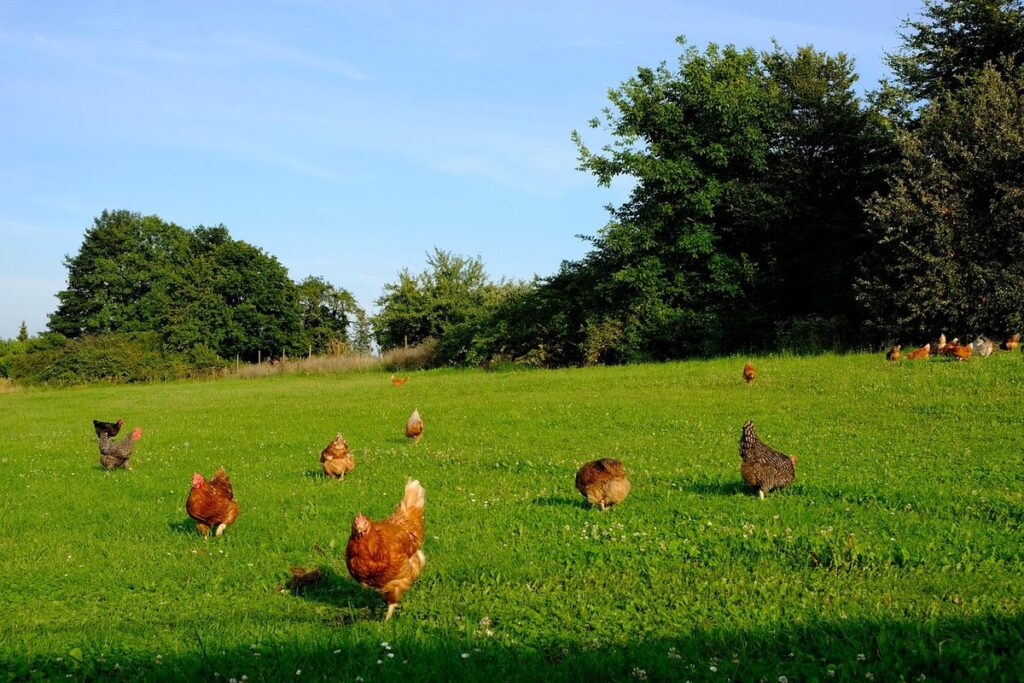
When you keep chickens in your yard, they can be an invaluable asset for maintaining a healthy lawn. One of the primary ways they contribute is by reducing grass height and controlling weeds. Chickens love to scratch and peck at the ground, which not only aerates the soil but also helps to control weeds.
By eating away at weed seedlings, chickens prevent them from growing into mature plants. This natural form of lawn maintenance can significantly reduce the need for herbicides and other chemicals that harm the environment. Additionally, the nitrogen-rich droppings left behind by your flock act as a natural fertilizer, promoting healthy grass growth.
To maximize the benefits, consider incorporating some specific strategies into your chicken-keeping routine. For example, you can let your chickens graze freely on your lawn during the day and then confine them to their coop or run at night. This will allow them to forage on your lawn without overgrazing it.
Fertilizer Production and Lawn Health
As you’ve probably gathered by now, keeping chickens can be a fantastic way to maintain a lush and healthy lawn without relying on synthetic fertilizers. Chicken manure is an excellent organic fertilizer that can promote soil health and fertility when used correctly.
To get the most out of chicken manure as fertilizer, it’s essential to handle and store it properly. This means separating it from other waste materials and keeping it in a well-ventilated area to prevent ammonia buildup. You should also mix it with other organic matter like compost or peat moss before applying it to your lawn.
A general rule of thumb is to apply about 1/4 inch (6 mm) of chicken manure per application, ideally during the spring and fall when the soil is cooler and more receptive to nutrient uptake. It’s also crucial to alternate between chicken manure and other fertilizers to avoid overloading your lawn with too much nitrogen.
Some gardeners find it helpful to set up a worm composting bin or vermicomposting system to further break down the manure and create a rich, humus-like fertilizer. By incorporating this natural process into your lawn care routine, you’ll not only reduce waste but also maintain a vibrant, chemical-free landscape that’s perfect for families with pets or children who play outdoors.
Choosing the Right Chickens for Lawn Care
When it comes to using chickens for lawn care, selecting the right breed is crucial. Let’s explore the factors to consider when choosing chickens that can help keep your grass looking its best.
Selecting Breed Types Suitable for Small Yards
When it comes to small yards or urban settings, choosing the right chicken breed is crucial for effective lawn care. You’ll want birds that are compact, low-maintenance, and produce minimal mess. Some popular breeds that fit the bill include the Silkie, Polish, and Bantam.
Silkies are a great choice for small spaces due to their gentle nature and low-shedding feathers. They’re also quiet and won’t disturb neighbors. Another benefit is their egg-laying ability – Silkies can produce up to 200 brown eggs per year. Their compact size (about 10-12 inches tall) makes them perfect for patios or tiny backyards.
Polish chickens are another excellent option, known for their friendly demeanor and striking appearance. They’re relatively quiet and low-maintenance, requiring less space than other breeds. Bantams, while small in stature, can produce up to 200 eggs per year and require minimal care. All three breeds are ideal for urban settings where noise levels and mess need to be kept under control.
Remember, regardless of breed, make sure to research local regulations before introducing chickens to your yard. A happy and healthy flock is just one step away with the right choice!
Housing Requirements and Space Considerations
When it comes to choosing chickens for lawn care, housing requirements and space considerations are crucial aspects to keep in mind. A well-designed coop can ensure the health and safety of your flock while also maintaining a tidy and pest-free yard.
First and foremost, consider the location of your coop. Ideally, it should be situated at least 10-15 feet away from any neighbor’s property line and preferably under a shaded area to protect your chickens from harsh sunlight. You’ll also want to choose a spot that’s close enough to your back door for easy access but far enough not to disturb the rest of your household.
In terms of coop design, think about the size and ventilation requirements. A good rule of thumb is to provide at least 2-4 square feet per chicken inside the coop and an additional 8-10 square feet in a fenced run or enclosed area for exercise. Make sure there are adequate windows for natural light and airflow as well as secure nesting boxes for each hen.
In terms of space, consider the following:
* If you have a small yard (less than 1/4 acre), opt for bantam breeds that require less space.
* For medium-sized yards (1/4-1/2 acre), choose medium-sized chickens like Orpingtons or Rhode Island Reds.
* Large yards (over 1/2 acre) can accommodate larger breeds like Brahmas or Jersey Giants.
Remember, these are general guidelines and the specific needs of your flock may vary depending on breed, age, and climate.
Health and Safety Precautions
When it comes to lawn care with chickens, prioritizing health and safety is crucial. This section will cover essential precautions for protecting both you and your flock from potential risks and hazards.
Disease Prevention and Vaccinations
When working with chickens on your lawn, it’s essential to take health measures seriously to prevent disease transmission between humans, chickens, and other animals. This includes practicing good hygiene, maintaining a clean living space for your chickens, and taking preventative steps against parasites.
To start, make sure you’re washing your hands thoroughly after handling chicken feed, droppings, or feathers. You should also wear protective clothing such as gloves and masks when cleaning the coop to avoid exposure to bacteria like Salmonella.
Regular vaccinations are crucial in preventing diseases that can be transmitted between humans and chickens, such as Newcastle disease and avian influenza. Consult with a veterinarian to determine the best vaccination schedule for your flock.
Parasite control is another vital aspect of lawn care with chickens. Regularly inspect your birds for signs of mites, lice, or fleas, and use appropriate treatments if necessary. You should also maintain a clean coop by removing soiled bedding material and replacing it with fresh sand or straw.
Zoning Laws and Local Regulations
Before bringing home those adorable chickens, it’s essential to understand the local regulations regarding backyard chickens. Zoning laws and ordinances can vary significantly from one area to another, and ignorance of these rules can lead to fines or even having to relocate your feathered friends.
To start, check with your local government for information on zoning laws related to chicken keeping. Look for keywords like “backyard chickens,” “poultry,” or “urban agriculture” in the ordinance language. Some cities have specific areas designated for backyard chicken keeping, while others may allow it throughout the neighborhood but have restrictions on the number of birds allowed.
You can also check with your local animal control agency to see if there are any specific regulations regarding noise levels, coop construction, and waste management. Be aware that some neighborhoods may have homeowner association (HOA) rules that supersede municipal ordinances. Always familiarize yourself with these regulations before bringing home your chickens to avoid any potential conflicts or fines.
Integrating Chickens into Your Lawn Care Routine
Adding chickens to your lawn care routine can be a game-changer, providing free fertilizer and pest control, but it requires some strategic planning. Here’s how to integrate them seamlessly into your yard work.
Scheduling Feeding and Cleaning
When integrating chickens into your lawn care routine, it’s essential to establish a regular schedule for feeding and cleaning tasks. This ensures the health and well-being of your chicken population while maintaining a lush and thriving lawn.
Feeding your chickens should be done twice a day, once in the morning and again in the evening. Provide about 1/4 cup of layer feed per bird per day, adjusting amounts based on age, breed, and production level. Consider using a timed feeder or automated feeding system to simplify the process and reduce waste.
Cleaning tasks typically involve removing soiled bedding material from the coop, replacing it with fresh straw or shavings, and cleaning any dirty areas with mild detergent and water. Aim for daily spot cleaning and thorough weekly cleanings to maintain a clean and healthy environment for your chickens.
Remember to schedule regular maintenance tasks like changing water sources, inspecting feeders and waterers, and monitoring chicken health. By prioritizing feeding and cleaning schedules, you’ll create an ideal living situation for your flock while maintaining a beautiful lawn.
Managing Chicken Waste and Run Maintenance
Managing chicken waste is one of the most significant challenges you’ll face when integrating chickens into your lawn care routine. A clean and healthy living environment for your flock requires regular maintenance and attention to their waste management needs. To keep your yard smelling fresh and prevent disease, it’s essential to have a plan in place for collecting and disposing of chicken droppings.
Here are some tips to help you manage chicken waste effectively:
* Build or purchase a coop with easy access for cleaning, and consider adding a drop pan or tray underneath the roosts to catch any stray droppings.
* Scoop out soiled bedding material daily, replacing it as needed with fresh pine shavings or straw.
* Consider using a deep litter method, where you add new bedding material on top of existing dry litter, which acts as a natural composting agent.
Regular cleaning and maintenance also help keep your flock healthy by preventing parasites and disease. Aim to clean the coop thoroughly every 6-8 weeks, disinfecting all surfaces with a pet-safe cleaner and replacing any soiled materials. By prioritizing chicken waste management, you’ll be able to enjoy the benefits of lawn care with chickens while keeping both your yard and your flock healthy.
Troubleshooting Common Issues
When unexpected problems arise, don’t let them ruin your lawn care progress with chickens – we’ve got solutions to common issues right here.
Parasite Infestations and Skin Conditions
When keeping chickens, it’s essential to be aware of potential parasite infestations and skin conditions that can arise from their presence. As they forage and roam on your lawn, chickens can inadvertently pick up parasites such as mites, lice, or fleas, which can then spread to other animals and even humans.
To prevent these issues, it’s crucial to regularly monitor your chickens’ health and take proactive measures. Start by checking their feathers, legs, and underbelly for signs of infestation, such as excessive scratching, lethargy, or a noticeable drop in appetite. Regular dust baths can help control parasites; make sure your chicken run is equipped with a designated dusting area.
Some common skin conditions to watch out for include scaly leg mites, which cause the legs to become red and inflamed, and eczema-like patches on their feathers. To treat these issues, ensure your chickens have access to clean water and food, and consider using natural remedies such as diatomaceous earth or apple cider vinegar.
By being vigilant about your chickens’ health and taking prompt action when needed, you can prevent parasite infestations and skin conditions from becoming major problems on your lawn.
Chickens Escaping or Injured Fowl
As you’re well aware, a happy and healthy flock is essential for successful lawn care with chickens. However, there are times when your feathered friends may get injured or decide to make a break for it. Preventing escapes and providing proper care for injured birds requires attention to detail and a proactive approach.
To prevent escapes, ensure that your coop is secure and escape-proof. Check the doors, windows, and any gaps around the perimeter for potential entry points. You can also consider installing hardware cloth or chicken wire with openings of 1 inch or less to deter digging.
In case an escape does occur, stay calm and act quickly to coax them back into their coop. Keep in mind that chickens are intelligent birds and may return on their own if they associate the coop with food and shelter.
If a bird becomes injured, provide first aid by gently wrapping it in a towel or cloth to prevent further injury. Contact your veterinarian for guidance on treating the specific type of injury.
Frequently Asked Questions
How Can I Integrate Chickens into My Existing Lawn Care Routine?
Integrating chickens into your existing lawn care routine can be as simple as adjusting your feeding schedule to coincide with mowing days or incorporating chicken-friendly plants into your garden design. Start by assessing your yard’s specific needs and identifying areas where chicken assistance would be most beneficial.
What Are the Best Ways to Manage Chicken Waste in My Yard?
Effective waste management is crucial for maintaining a healthy lawn and happy chickens. Consider implementing a composting system or using a dedicated run for your chickens, where you can collect their droppings and turn them into nutrient-rich fertilizer.
Can I Use Chickens as an Alternative to Chemical Fertilizers?
Yes, using chickens as an alternative to chemical fertilizers is not only possible but also highly effective. By allowing your chickens to roam freely in your yard, they will naturally disperse their manure throughout the lawn, providing a natural source of fertilizer and improving soil health.
How Do I Choose the Right Breed for My Small Yard?
Choosing the right breed for your small yard is crucial to maintaining a healthy and happy flock. Consider breeds that are specifically suited for small spaces, such as Silkies or Polish chickens, which require minimal space and exercise but still provide ample eggs.
What Are Some Common Health Issues I Should Be Aware of in My Chickens?
Common health issues in backyard chickens include mites, lice, and respiratory problems. Regularly inspect your flock’s coop and run for signs of pests or disease, and keep a clean and well-ventilated living space to prevent the buildup of bacteria and other pathogens.