
Are you tired of running on slippery or uneven surfaces that can lead to injuries? As a runner, you know how crucial it is to have a safe and stable terrain to train on. But did you know that pea gravel can be a game-changer for your runs? This small, rounded aggregate improves drainage, stability, and traction on running surfaces, making it an ideal solution for runners who want to stay on their feet without breaking the bank.
In this article, we’ll delve into the benefits of using pea gravel in runs and explore how it can be a cost-effective and sustainable alternative to traditional materials. We’ll discuss the ways in which pea gravel improves drainage, reducing the risk of slipping and falling, and provide tips on how to incorporate it into your running routine. Whether you’re a seasoned marathon runner or just starting out, read on to discover why pea gravel is an essential tool for any serious runner.
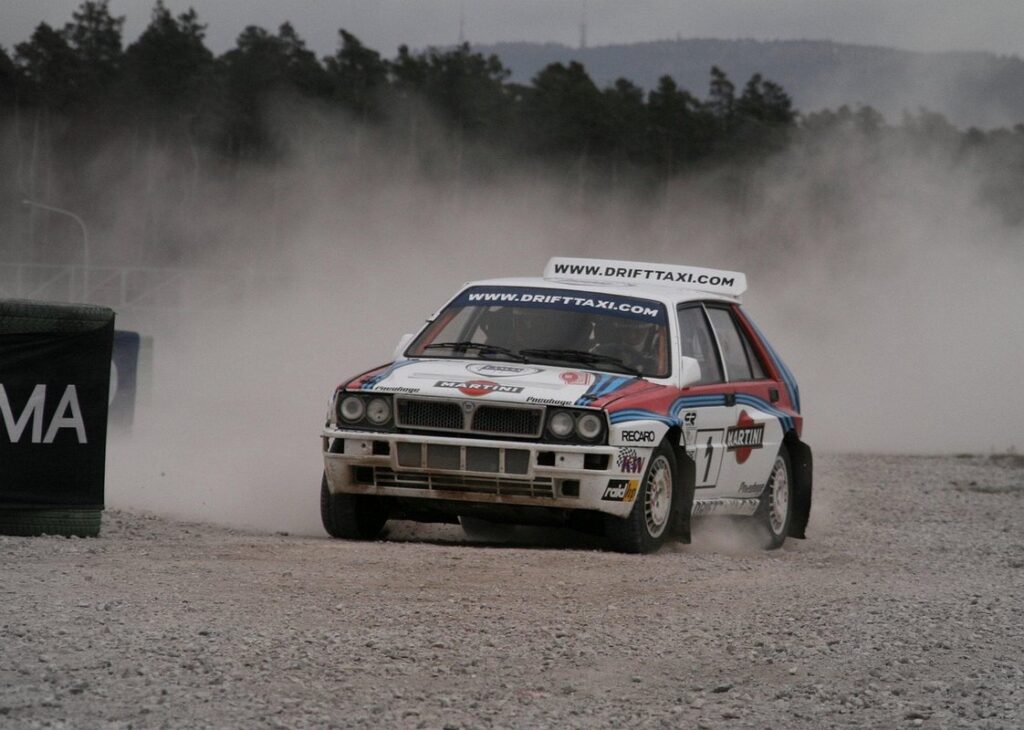
Improving Drainage and Erosion Control
Effective drainage and erosion control are crucial for a well-maintained run, preventing damage to your investment and keeping your family safe. We’ll explore ways to improve these critical aspects using pea gravel effectively.
Reducing Water Accumulation
When installing pea gravel in runs, one of the key benefits is its ability to prevent water accumulation on the surface. This is particularly important for running surfaces as standing water can lead to erosion and damage the underlying soil structure. Pea gravel’s porous nature allows it to absorb excess water, reducing the risk of puddles forming.
In areas with high rainfall or poor drainage, pea gravel is an excellent solution for mitigating water accumulation. By installing a layer of pea gravel on top of the existing surface, you can ensure that water drains freely and doesn’t collect in low-lying areas. This not only reduces maintenance needs but also helps to prevent erosion and damage to surrounding vegetation.
To effectively reduce water accumulation with pea gravel, it’s essential to install it at the correct depth. A minimum depth of 2-3 inches is recommended to ensure adequate drainage. Additionally, consider incorporating a slight slope into your run design to direct water away from the surface. By taking these simple steps, you can enjoy a safe and durable running surface that minimizes maintenance needs and protects against erosion.
Preventing Soil Washing Away
When using pea gravel in runs, one of the most significant advantages is its ability to prevent soil and vegetation from being washed away by rainwater or irrigation. This is particularly important for runners who prefer a smooth and consistent surface. Pea gravel’s rounded shape and loose texture allow water to drain through it easily, reducing the risk of erosion.
As a result, pea gravel helps maintain a stable running surface that doesn’t become slippery when wet. This feature is especially beneficial in areas with heavy rainfall or where irrigation systems are used frequently. By preventing soil from being washed away, pea gravel also reduces the likelihood of tripping hazards and injuries.
To ensure optimal performance, apply a 2-3 inch layer of pea gravel over the existing surface. Regularly inspect the area for signs of erosion and replenish the gravel as needed to maintain its effectiveness. Additionally, consider using geotextiles or landscaping fabric under the pea gravel to further enhance drainage and prevent weed growth.
Enhancing Run Surface Stability
When you’re pounding the pavement, a stable run surface can make all the difference. We’ll explore practical ways to enhance stability and reduce your risk of injury while running on pea gravel.
Providing Traction
When running on pea gravel, you’ll notice that it provides better traction compared to other types of surfaces. This is largely due to its smooth texture, which allows runners to maintain their footing even during high-intensity workouts. Unlike rough or uneven surfaces, pea gravel doesn’t pose a significant risk of slips and falls.
To put this into perspective, consider running on a standard concrete surface versus one with pea gravel. On concrete, the absence of traction can cause you to slip and lose your balance, especially if you’re not paying attention to your foot placement. This is less likely to happen when running on pea gravel, as it provides enough friction for you to maintain stability.
In addition to its smooth texture, pea gravel also doesn’t accumulate water like other surfaces might. This reduces the risk of slipping and falling even further, making it an ideal choice for runners who prefer a low-maintenance surface that still offers superior traction.
Distributing Pressure
When running on pea gravel, you may notice that it’s much easier on your joints and muscles compared to traditional asphalt or concrete surfaces. This is largely due to the way pea gravel distributes pressure evenly across the surface.
Pea gravel consists of small rounded stones that sit close together, forming a flexible layer. As you run, your foot strikes the surface, but instead of concentrating all the force on one point, it’s dispersed over a larger area. This reduces the impact on individual joints and muscles, making it a more forgiving option for runners.
Think of it like walking on sand versus a hard sidewalk – with sand, you sink slightly into each step, distributing your weight evenly across a broader surface. Similarly, pea gravel provides a natural shock-absorbing quality that helps minimize the strain on your body. This makes it an excellent choice for runners who experience joint pain or want to reduce their risk of injury.
Designing a Pea Gravel Run Surface
When designing a pea gravel run surface, there are several factors to consider, including drainage and erosion control. Let’s dive into some tips for creating a successful pea gravel path.
Choosing the Right Depth
When it comes to designing a pea gravel run surface, choosing the right depth is crucial. You want to strike a balance between ensuring good drainage and providing sufficient traction for runners. A general rule of thumb is to aim for a minimum depth of 2-3 inches (5-7.5 cm) of pea gravel. This will allow for adequate drainage while still providing enough surface area for your feet to grip.
If you’re planning for high-intensity or high-traffic areas, consider increasing the depth to 4-6 inches (10-15 cm). However, be cautious not to overdo it – excessive depth can lead to a spongy feel that’s uncomfortable for running. For example, if you’re installing pea gravel on a steep slope, you may need to use a deeper layer to prevent erosion and ensure safe passage.
To determine the optimal depth for your specific project, consider factors like drainage, soil type, and intended usage. Consult with local experts or conduct site-specific tests to make an informed decision. By selecting the right depth of pea gravel, you’ll create a run surface that’s both functional and enjoyable to use.
Selecting the Proper Gravel Size
When designing a pea gravel run surface, selecting the proper size of pea gravel is crucial. This decision is influenced by your running style and the terrain you typically encounter on your runs. A general rule of thumb is to choose a pea gravel size that allows for good traction while minimizing the risk of slipping or rolling an ankle.
For runners with a heavier stride or those who frequently run on hills, a larger pea gravel size (around 1/4 inch) is recommended. This size provides adequate stability and prevents excessive rolling underfoot. On the other hand, runners with lighter strides may prefer smaller pea gravel sizes (about 3/8 inch), which offer greater flexibility and reduce the likelihood of getting caught on uneven terrain.
It’s also essential to consider the specific terrain you’ll be running on. For example, if you frequently run on trails or uneven surfaces, a larger pea gravel size can provide added stability and support. Conversely, for runners who primarily hit paved roads or tracks, a smaller pea gravel size may suffice.
Maintenance and Upkeep of Pea Gravel Runs
To keep your pea gravel runs looking their best, regular maintenance is essential, which we’ll cover next, including tips on cleaning and replenishing the gravel.
Cleaning and Raking
Regular cleaning and raking are crucial to maintaining the effectiveness and appearance of pea gravel surfaces. Over time, pea gravel can accumulate debris, dirt, and weeds that can compromise its drainage capabilities and aesthetic appeal. To keep your pea gravel run looking its best, start by sweeping away loose debris with a broom or a leaf blower. Next, use a garden rake to gently loosen any compacted areas and redistribute the gravel.
It’s essential to remove any weeds or unwanted vegetation as soon as possible, before they have a chance to spread and create more extensive problems. Use a tool like a weeding fork or a garden knife to carefully dig out the roots of any weeds, taking care not to damage the surrounding gravel. For larger areas, consider using a lawn aerator to loosen compacted soil and promote healthy drainage.
To maintain your pea gravel surface’s effectiveness, rake it every 2-3 months during peak usage periods. This will help prevent settling and ensure that water can continue to drain freely through the gravel layer. By incorporating regular cleaning and raking into your maintenance routine, you’ll be able to enjoy the benefits of a well-maintained pea gravel run for years to come.
Replenishing and Refreshing
As pea gravel settles over time, it’s essential to replenish and refresh the surface to maintain its effectiveness. This involves adding new material to compensate for the lost particles and ensuring the run remains stable and even.
To determine if your pea gravel needs replenishing, inspect the surface regularly for signs of wear and tear. Check for areas where the gravel has sunk or become uneven, and assess the overall depth of the gravel layer. If you notice a significant drop in depth or an increase in bare spots, it’s time to refresh the surface.
Add new pea gravel gradually, starting at one end of the run and working your way down. Use a rake to spread the material evenly, making sure to fill any low areas first. This will help prevent the formation of puddles and ensure a smooth, even surface. It’s also essential to compact the new gravel using a hand tamper or plate compactor to prevent settling over time. By following this process, you can maintain a safe and effective pea gravel run that provides years of enjoyment for runners.
Cost-Effectiveness and Sustainability
When considering the long-term impact of pea gravel on your running routes, cost-effectiveness and sustainability are likely top priorities. This section breaks down these crucial factors for you to weigh in your decision-making process.
Comparing Costs
When considering installing a pea gravel run surface, one of the primary concerns is often cost. While it’s true that some materials like rubber mulch and poured-in-place rubber can be more expensive upfront, they may also require frequent replacement every 5-7 years due to damage from weather conditions or heavy use.
In contrast, pea gravel requires little maintenance and can last for up to 10 years with proper installation. This makes it a cost-effective option in the long run. Additionally, pea gravel is generally less expensive than other decorative stone options like decomposed granite or crushed shell.
To give you a better idea of costs, here’s a rough breakdown:
* Pea gravel: $2-$4 per square foot for materials and installation
* Rubber mulch: $3-$5 per square foot for materials and installation
* Poured-in-place rubber: $6-$8 per square foot for materials and installation
Keep in mind that these are just estimates, and actual costs may vary depending on your location and specific project requirements. However, pea gravel’s durability and low maintenance needs make it a solid choice for those looking to save money over time.
Environmental Benefits
Using pea gravel in runs is not only cost-effective but also environmentally beneficial. One of the significant advantages of pea gravel is its ability to reduce water consumption. Unlike traditional lawn surfaces that require frequent watering and maintenance, pea gravel requires minimal watering, making it an excellent choice for areas prone to drought or water restrictions.
In addition to reduced water consumption, using pea gravel in runs generates minimal waste. Pea gravel is a byproduct of rock crushing, which means its production process does not involve any significant environmental degradation. Furthermore, pea gravel can be easily reused or recycled at the end of its lifespan, reducing the amount of waste sent to landfills.
Another benefit of pea gravel is its natural drainage properties, which help prevent waterlogging and erosion in run areas. This reduces the risk of muddy puddles and ensures a safe playing surface for children and pets. By choosing pea gravel for your runs, you can enjoy both environmental benefits and long-term cost savings.
Frequently Asked Questions
Can I use pea gravel on existing running surfaces without excavating the entire area?
Yes, you can install pea gravel on top of an existing surface, but make sure to clear any debris and level the ground first. This will help ensure even drainage and prevent settling issues.
How long does it take for pea gravel to fully stabilize a running surface after installation?
Pea gravel typically takes several weeks to fully stabilize a running surface. During this time, you can still use the area, but be aware that the surface may be slippery until it’s fully compacted.
What is the ideal depth of pea gravel for a running track or trail?
The ideal depth of pea gravel depends on various factors, including the intensity of usage and drainage requirements. A general rule of thumb is to install 2-3 inches (5-7.5 cm) of pea gravel for light to moderate use.
Can I mix different types of gravel together with pea gravel in my running surface?
Yes, you can mix other types of gravel with pea gravel, but it’s essential to consider the varying particle sizes and drainage characteristics. A general rule is to keep the aggregate size consistent to prevent uneven wear and tear.
How often should I replenish and refresh the pea gravel on my running track or trail?
Replenishing and refreshing pea gravel every 6-12 months can help maintain its effectiveness and prevent erosion. The frequency may vary depending on usage, climate, and other environmental factors.