
Are you in the market for a new egg-laying friend, but not sure which breed to choose? With so many options available, it can be overwhelming to decide between Ameraucanas, Araucanas, and Easter Eggers. These three breeds share some similarities, but also have some key differences that set them apart. If you’re considering bringing one of these unique birds into your home, it’s essential to understand their distinct characteristics, temperaments, and egg-laying abilities. In this article, we’ll delve into the world of Ameraucanas, Araucanas, and Easter Eggers, exploring what makes each breed special and which one might be the best fit for you and your lifestyle. By the end of this guide, you’ll have a better understanding of these fascinating breeds and be well-equipped to make an informed decision about your new feathered companion.
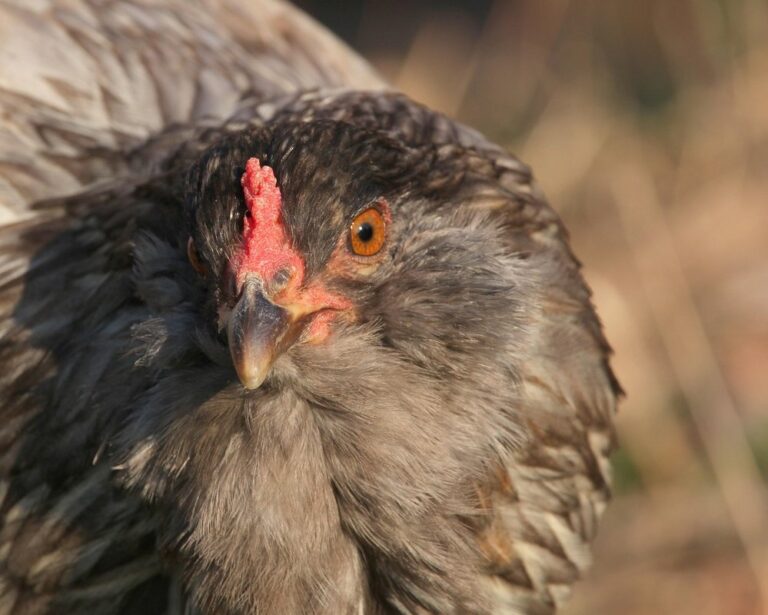
Introduction to Ameraucanas, Araucanas, and Easter Eggars
Let’s dive into the fascinating world of these three unique breeds: Ameraucanas, Araucanas, and Easter Eggers. In this section, we’ll explore what sets them apart from one another.
History and Origin of Each Breed
The origins of the Ameraucana, Araucana, and Easter Egger breeds are deeply intertwined. The Araucana breed hails from South America, specifically from Chile and Argentina, where it was highly valued for its hardiness and ability to thrive in harsh environments. These birds were often used as working chickens, helping small farmers with tasks like pest control and fertilization.
The Ameraucana breed, on the other hand, has its roots in the United States, developed from imported Araucanas in the 1970s. Breeders sought to create a more robust, cold-hardy bird with better egg-laying abilities. Today’s Ameraucanas boast impressive characteristics inherited from their Araucana ancestors.
Easter Eggers, while not recognized as a distinct breed by most poultry associations, are often crossed-breed birds that inherit the genetic trait for blue eggs from either an Ameraucana or Araucana parent. Their unpredictability makes them fascinating additions to any flock. By understanding the origins of each breed, you’ll be better equipped to choose the right chicken for your needs – whether it’s exceptional egg-laying capacity, impressive hardiness, or simply a unique flair to add to your backyard coop.
Brief Overview of Each Breed’s Key Features
When it comes to choosing the perfect breed for your backyard flock, understanding each breed’s key features is crucial. Let’s break down the essential characteristics of Ameraucanas, Araucanas, and Easter Eggers.
Ameraucanas are a cold-hardy breed originating from the United States, known for their medium-sized bodies, blue or green legs, and pea-comb. They possess a calm temperament, making them an excellent choice for families with children or for those new to chicken-keeping. Ameraucanas are also prolific egg-layers, producing around 200 large brown eggs per year.
Araucanas, on the other hand, hail from Chile and boast unique characteristics such as their rumpless tails and blue or green legs. They tend to be more skittish than Ameraucanas but can make great pets for experienced chicken owners. Araucanas are also prolific layers, producing around 180-200 large white eggs per year.
Easter Eggers are a cross between an Ameraucana or Araucana and another breed, resulting in their unique egg-laying abilities. They often produce blue or green eggs but can lay any color depending on the parent breeds. Their temperament varies greatly depending on their heritage, making it essential to research specific traits before bringing one home.
When choosing a breed, consider your climate, experience level, and desired egg production. Each breed has its unique characteristics, so it’s vital to pick the right fit for your needs and lifestyle.
Ameraucana Chicken Breed Characteristics
The Ameraucana breed boasts several distinctive characteristics that set it apart from other chicken breeds. Let’s take a closer look at what makes them unique.
Origin and History of the Ameraucana Breed
The origins of the Ameraucana breed date back to the 1970s when American breeders sought to create a chicken that combined the hardiness and foraging ability of the Araucana with a more docile temperament. To achieve this, they crossed the Araucana with other breeds, including the Rhode Island Red and the Barred Plymouth Rock.
This breeding program resulted in a new strain of chicken that retained many of the characteristics of the Araucana but was more suited to backyard flocks and small-scale commercial production. One key difference between the Ameraucana and the Araucana is the lack of the latter’s genetic disorder, which causes eggshell edema and often leads to egg breakage.
Today, the Ameraucana breed is recognized by most major poultry associations and comes in a range of colors, including blue, black, and wheaten. If you’re considering adding an Ameraucana to your flock, be aware that they are known for their friendly, curious nature and can thrive on a diet of pasture-raised grains.
While both the Araucana and the Easter Egger share some similarities with the Ameraucana, their egg-laying abilities differ significantly. The Ameraucana lays blue eggs, which range from pale blue to deep turquoise in color.
Physical Characteristics of Ameraucanas
When it comes to the physical characteristics of Ameraucanas, there are several distinct features that set them apart from other breeds. One of the most recognizable traits is their plumage pattern, which can come in a variety of colors including blue, black, and red, often with white accents. They have a unique way of producing this coloration – rather than relying on pigmentation like many other birds, Ameraucanas achieve their hues through a process called “dilution” that lightens the existing pigment.
In terms of size, Ameraucanas are generally medium-sized chickens, weighing in around 4-5 pounds and standing about 10-12 inches tall. This makes them a great choice for backyard flocks where space is at a premium – they don’t require as much room to roam as larger breeds but still provide plenty of eggs.
Their body type is also worth noting: Ameraucanas have a sturdy build with a broad chest and well-defined wings, making them well-suited to foraging and scratching in the yard. This compact size and robust physique contribute to their overall hardiness and ability to thrive in a variety of environments.
As you consider adding an Ameraucana to your flock, remember that their unique appearance is just one aspect of what makes this breed so attractive – their friendly, outgoing personalities and high egg-laying abilities are equally compelling reasons to give them a try.
Temperament and Egg-Laying Abilities of Ameraucanas
Ameraucanas are known for their friendly and docile nature, making them an excellent choice for families with children or for those who want a low-maintenance pet. They are not as flighty as some other breeds, which means they are less likely to escape from the coop if it’s not secure. This breed is also relatively quiet compared to others, producing around 4-6 eggs per week. While their egg-laying abilities may not be as prolific as some other breeds, Ameraucanas have a unique trait: their blue or green eggs will retain this color due to the genetics of the breed.
Ameraucanas are social birds and thrive on interaction with their owners. They can become quite tame if handled regularly from an early age. In fact, they often follow their owners around the yard and enjoy being part of family activities. This friendly nature makes them a great addition to any backyard flock. If you’re looking for a breed that’s relatively easy-going and enjoys human interaction, Ameraucanas are certainly worth considering.
One important note when choosing an Ameraucana is to ensure you’re getting one from a reputable breeder who has selected for the genetics responsible for their blue eggs. This will guarantee that your bird lays true-blue or green eggs rather than pale or off-color ones.
Araucana Chicken Breed Characteristics
Let’s take a closer look at the Araucana breed, one of the most unique and fascinating chicken breeds out there. We’ll dive into their characteristics that set them apart from other fowl.
Origin and History of the Araucana Breed
The Araucana breed has its roots in South America, where it was developed by the Incas over 1,000 years ago. These hardy birds were highly valued for their unique characteristics and were often used as a source of protein in Inca cuisine. The name “Araucana” is derived from the Mapuche language, which was spoken by the indigenous people of Chile and Argentina.
In the early 20th century, the Araucana breed was introduced to North America, where it quickly gained popularity among backyard chicken keepers. Breeders were drawn to the bird’s striking appearance, with its slate-blue eggs and fluffy, tufted feathers. However, the breed faced significant challenges as it adapted to new environments, including a high incidence of genetics-related health issues.
Despite these challenges, the Araucana has remained a beloved breed among chicken enthusiasts, prized for its unique egg-laying abilities and charming personality. Today, you can find Araucanas in many backyard flocks across North America, where they continue to thrive thanks to careful breeding and management practices.
Physical Characteristics of Araucanas
The Araucana chicken breed is known for its unique physical characteristics that set it apart from other breeds. One of the most distinctive features of the Araucana is its beak mutation, also known as erythrocytism. This condition causes the beak to become blue or partially blue due to a reduction in melanin production. However, this doesn’t affect the bird’s ability to eat or peck at food.
In terms of claw structure, Araucanas have small, partially blue or completely blue claws due to the same genetic mutation that affects their beaks. This unique feature is one reason why some people are drawn to the breed. Another notable trait is their small size, which makes them a great choice for backyard flocks where space is limited.
Araucanas typically weigh between 6-8 pounds and stand about 20 inches tall, making them a compact and manageable option for many chicken keepers. If you’re considering bringing an Araucana into your flock, be aware that their small size means they may require extra care to ensure their health and well-being, particularly during extreme weather conditions.
Temperament and Egg-Laying Abilities of Araucanas
The Araucana breed is known for its unique characteristics, and one of the most notable traits is their active nature. They are high-energy birds that require regular exercise to stay happy and healthy. If you’re considering bringing an Araucana into your flock, be prepared to provide them with plenty of space to roam and engage in physical activity.
In terms of egg-laying abilities, Araucas are prolific layers, producing around 200-220 brown eggs per year. However, they can also lay blue or green eggs due to their genetic makeup. But what’s unique about the Araucana breed is their beak mutation, which can lead to a condition called Beak Necrosis. This condition occurs when the beak grows abnormally and eventually dies off, causing pain and discomfort for the bird.
As an owner, it’s essential to keep an eye on your Araucana’s beak health and provide regular trimming to prevent this condition from occurring. With proper care and attention, the Araucana can make a wonderful addition to any backyard flock.
Easter Egger Chicken Breed Characteristics
The Easter Egger chicken breed is a unique and intriguing choice, known for its striking appearance and colorful egg-laying abilities. Let’s take a closer look at what makes this breed special.
What Makes an Easter Egger? Understanding Their Genetic Makeup
Easter Eggers are not a specific breed of chicken themselves, but rather the result of cross-breeding Ameraucanas or Araucanas with other breeds to produce blue or green eggs. This unique genetic combination is what sets Easter Eggers apart from their purebred counterparts.
When you purchase an Easter Egger, it’s likely that the breeder has crossed an Ameraucana or Araucana with another breed, such as a Marans or a Barred Plymouth Rock, to introduce new characteristics and traits. This can include differences in egg production, temperament, and even feather pattern. For example, an Easter Egger might inherit the blue-egg-laying trait from its Ameraucana parent, but also develop the larger body size of its other parent.
This genetic mixing is what allows breeders to create a wide range of Easter Eggers with unique characteristics. However, it’s essential to note that these birds are not purebred and may not exhibit all the desired traits of their parent breeds. If you’re interested in raising an Easter Egger, be sure to research the specific breed history and genetic makeup to understand what you can expect from your bird.
Physical Characteristics and Temperament of Easter Eggars
Easter Eggars are a fascinating breed, often considered a hybrid between Ameraucanas and Araucanas. However, their unique characteristics set them apart from purebred birds. In terms of physical appearance, Easter Eggers can display an array of colors, including blue, black, white, and various shades in between. Their plumage may exhibit a mix of solid or mottled patterns, while some individuals might possess the iconic “blue-egg gene” that gives them their distinctive appearance.
Temperament-wise, Easter Eggers are known for being friendly and outgoing, often described as having an extroverted personality. They tend to be more social than purebred Ameraucanas and Araucanas, making them excellent additions to backyard flocks where interaction is encouraged. As a bonus, Easter Eggers are generally hardy birds that can thrive in various climates, provided they receive proper care and nutrition.
It’s worth noting that while Easter Eggars inherit the blue-egg trait from their Ameraucana or Araucana heritage, not all individuals will lay blue eggs. Many will produce brown or tan eggs instead, making them an excellent choice for those who want a varied egg-laying schedule without sacrificing overall health and temperament.
Health Considerations for Each Breed
When choosing a chicken breed, it’s essential to consider their specific health needs, and each of our featured breeds has its own unique requirements when it comes to wellness. Let’s take a closer look at the key health considerations for Ameraucana, Araucana, and Easter Egger chickens.
Common Health Issues in Ameraucanas, Araucanas, and Easter Eggars
When it comes to these three breeds, there are some unique health concerns you should be aware of. As we mentioned earlier, Ameraucanas and Araucanas have a genetic mutation that can lead to beak and claw problems. In fact, according to the American Livestock Breeds Conservancy, beak deformation is one of the top health issues in these breeds. This can make it difficult for them to eat, drink, and even perch comfortably.
Another issue you may encounter with these breeds is vitamin A deficiency. Since they have a genetic mutation that affects their ability to convert beta-carotene into vitamin A, they require a special diet rich in this essential nutrient. You’ll need to supplement their feed or provide high-vitamin A foods like dark leafy greens and sweet potatoes.
Additionally, Easter Eggers are known for laying large eggs, which can put strain on their reproductive system. This may lead to issues like egg yolk peritonitis, where the egg yolk gets stuck in the hen’s body cavity. Regular health checks and monitoring their overall well-being will help you catch any potential problems early on. By being aware of these potential health concerns, you can take proactive steps to keep your flock healthy and happy.
Tips for Keeping Your Chickens Healthy
When it comes to keeping your flock healthy, nutrition is a top priority. Ameraucana, Araucana, and Easter Egger breeds have similar dietary needs. Ensure they’re getting high-quality layer feed, supplemented with fresh fruits and vegetables daily. Provide access to clean water at all times, changing the water frequently to prevent bacterial growth.
A well-ventilated coop with adequate space per bird is also crucial for overall health. Regularly inspect your coop for signs of pests, mold, or mildew, taking prompt action if issues arise. Monitor your flock’s behavior and body language for any signs of illness, such as lethargy, labored breathing, or changes in droppings.
Aim to collect eggs regularly to prevent overcrowding, which can lead to stress and disease transmission. Keep a close eye on egg production, as irregularities can indicate health issues. Vaccinations may not be necessary for backyard flocks, but consult with a veterinarian to determine the best approach for your birds.
By maintaining a clean living environment, providing proper nutrition, and monitoring their health regularly, you’ll be well-equipped to keep your flock thriving.
Choosing the Right Breed for You: Factors to Consider
When deciding between an Ameraucana, Araucana, and Easter Egger, several key factors come into play to ensure you choose a breed that fits your lifestyle. Let’s break down what to consider.
Space and Living Conditions
When it comes to choosing the right chicken breed for your backyard flock, space and living conditions are crucial factors to consider. If you live in a small urban area or have limited yard space, some breeds may not be suitable due to their size, noise level, or exercise needs.
For example, Araucanas and Ameraucanas can thrive in smaller spaces as long as they receive regular exercise and mental stimulation. However, if you’re short on space, Easter Eggers might not be the best choice due to their larger size and energetic nature. They require plenty of room to roam and may become bored or restless if confined.
Consider your climate as well – some breeds are better suited for warmer temperatures while others prefer cooler climates. For instance, Araucanas tend to handle heat more easily than Ameraucanas, who can be more sensitive in hot weather. Research the breed you’re interested in to determine its specific needs and ensure they align with your living situation.
Purpose and Goals for Keeping Chickens
When deciding which breed of chicken is best for you, it’s essential to consider their purpose and goals. Are you looking for a reliable egg supplier, a friendly companion, or a combination of both? The Ameraucana, Araucana, and Easter Egger breeds each have unique characteristics that cater to different needs.
If you’re interested in backyard chickens primarily for egg production, the Easter Egger is an excellent choice. These birds are hybrids, bred specifically for their high egg-laying capacity, producing an average of 280-300 eggs per year. On the other hand, if you prioritize companionship and don’t mind a slightly lower egg yield, the Ameraucana or Araucana breeds may be more suitable.
Consider your lifestyle, available space, and experience level when making this decision. For instance, if you’re new to chicken keeping, the Easter Egger’s forgiving nature and high productivity might make them an ideal choice. However, if you’re willing to invest time and effort into caring for a more sensitive breed, the Ameraucana or Araucana could reward you with rich brown eggs and affectionate personalities.
Ultimately, choose a breed that aligns with your priorities and resources. With proper care and attention, any of these three breeds can thrive in a home environment.
Conclusion and Final Thoughts
In conclusion, choosing between Ameraucana, Araucana, and Easter Egger breeds ultimately comes down to your personal preferences and needs. If you’re looking for a bird that’s easy to care for and can handle cold temperatures, the Ameraucana might be the best choice. On the other hand, if you’re interested in a breed with an extra special trait – the ability to lay blue eggs – then either the Araucana or Easter Egger could be the way to go.
Remember that each of these breeds has its own unique characteristics and traits, so it’s essential to do your research before making a final decision. Don’t forget to consider factors like space, noise level, and overall maintenance when choosing the right breed for you. By taking the time to weigh your options carefully, you can select a bird that will bring joy and eggs to your life for years to come.
Frequently Asked Questions
Can I keep multiple breeds of chickens together, including Ameraucanas, Araucanas, and Easter Eggers?
Yes, it’s possible to keep these breeds together, but ensure you research their compatibility and provide a spacious environment with enough resources for all birds. Introduce them slowly, under close supervision, and monitor their behavior. Keep in mind that some chickens may establish dominance or experience stress due to breed differences.
How do I determine the sex of my Ameraucana, Araucana, or Easter Egger chicks?
Determine the sex of your chicks by about 16-18 weeks old. Use a sexing chart or consult with an experienced breeder to help identify characteristics that indicate male or female birds. Be aware that some breeds may exhibit more pronounced sex-linked traits than others.
Are Ameraucanas, Araucanas, and Easter Eggers prone to specific health issues?
Yes, all three breeds can be susceptible to certain health concerns. Ameraucanas are often affected by Marans-type syndrome, while Araucanas may experience a high incidence of osteomalacia due to their genetic makeup. Easter Eggars, being a crossbreed, might inherit traits from both parent breeds, increasing the risk of some health issues.
How do I ensure my chickens receive adequate nutrition and live a long, healthy life?
Provide your flock with a balanced diet that includes high-quality feed, supplements, and access to fresh water. Ensure they have enough space to exercise and engage in natural behaviors. Regularly check for signs of disease or nutritional deficiencies and consult with a veterinarian if you suspect any health issues.
What are the key differences between an Ameraucana and an Araucana?
Ameraucanas originated from a breed developed in the United States, while Araucanas come from South America. The main difference lies in their genetic makeup: Araucanas have a recessive gene that causes them to lay blue eggs due to the lack of pigment in their ovaries. Ameraucanas also possess this gene but often express it differently.