
If you’re a duck owner, you know that summer months can be especially challenging for your feathered friends. Heatwaves can put your ducks at risk of heatstroke and dehydration, which can be life-threatening if not addressed promptly. As temperatures soar, it’s essential to take proactive measures to ensure your ducks stay cool and safe. In this article, we’ll share expert advice on providing effective heat protection for your ducks, including DIY cooling solutions that are easy on the budget and won’t harm the environment. We’ll also cover nutrition tips to help your ducks stay hydrated and healthy during hot weather. Plus, learn how to create an emergency plan in case of a heatwave so you’re always prepared to keep your ducks cool and safe.
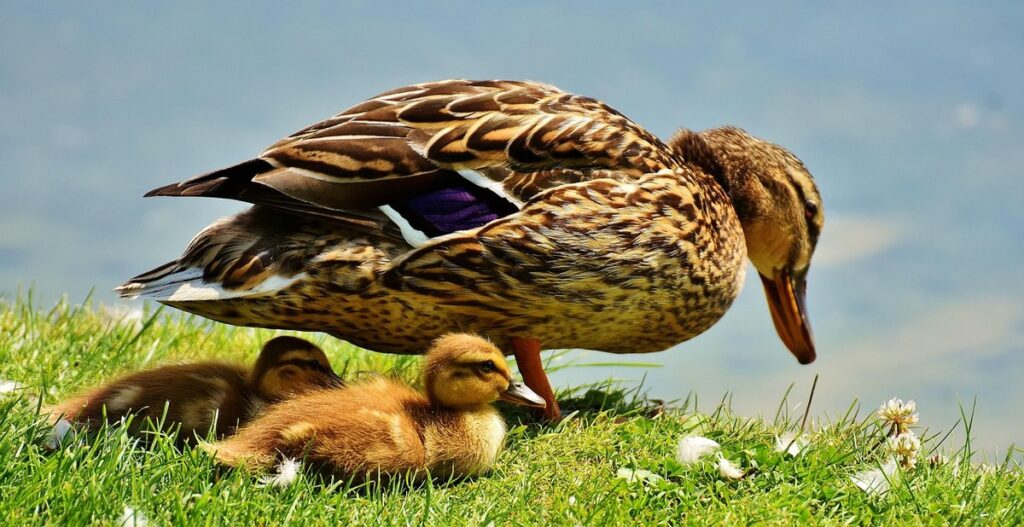
Understanding Duck Behavior and Temperatures
To keep your ducks safe during hot weather, it’s essential to understand how their behavior changes with temperature fluctuations. We’ll explore these temperature-sensitive behaviors below.
Understanding Normal Body Temperature Ranges
Ducks have unique thermoregulation abilities that help them adapt to various temperatures. A duck’s normal body temperature range is around 104°F (40°C), which is slightly higher than that of humans. However, this can vary depending on several factors such as age, health, and environmental conditions.
For example, baby ducks, also known as ducklings, have a higher metabolic rate than adult ducks, so their normal body temperature may be up to 106°F (41°C). On the other hand, older ducks or those with certain health issues might experience a slight drop in body temperature due to decreased mobility and metabolism.
Environmental factors like temperature, humidity, and exposure to wind also influence an individual duck’s body temperature. In hot environments, ducks can sweat through their skin and pant to cool down. However, if the temperature is extremely high or they are exposed to direct sunlight for extended periods, their body temperature may rise above normal levels, putting them at risk of heat stress.
When checking a duck’s body temperature, it’s essential to consider its individual circumstances and adjust accordingly.
Recognizing Signs of Overheating in Ducks
When you’re watching over your ducks on a hot summer day, it’s essential to recognize signs of overheating to prevent heat-related illnesses. But what does an overheated duck look like? One common sign is panting or rapid breathing – if you notice your duck is breathing more quickly than usual, it could be a sign that they’re getting too hot.
Another indicator is drooling or foaming around the mouth. This is a clear warning signal that your duck needs some relief from the heat. Lethargy is also a telltale sign of overheating – if your usually energetic and active duck seems sluggish or lethargic, it’s likely too hot for them.
If you notice any of these signs in your ducks, take action immediately! Move them to a cooler area, provide plenty of water, and consider using fans or misting systems to help lower the temperature. Remember, prevention is key – make sure your duck’s enclosure is shaded, provide adequate ventilation, and ensure access to cool water at all times to keep your feathered friends safe and healthy during the hot summer months.
Choosing the Right Heat Protection Methods for Your Flock
When selecting heat protection methods for your ducks, it’s essential to consider their unique needs and environments to ensure they stay cool and comfortable. This section will explore various options to help you make an informed decision.
Introduction to Cooling Systems for Duck Houses
When it comes to keeping your feathered friends cool during the hot summer months, a well-designed cooling system for their duck house is essential. You have several options to consider when it comes to cooling systems for duck houses.
Misting systems are one popular choice, dispersing fine water droplets throughout the air to lower the temperature and reduce humidity. This can be especially effective in areas with high temperatures and low humidity levels. Evaporative coolers work on a similar principle but use a wet pad or membrane to cool the air before it reaches your ducks. Both of these systems require regular maintenance, including checking for leaks and cleaning the misting nozzles.
Another option is to focus on improving ventilation in your duck house. This can be as simple as installing windows, vents, or fans to increase airflow and reduce the heat buildup inside. Proper ventilation not only keeps your ducks cooler but also helps prevent the spread of diseases by removing stale air from their living space.
To maximize the effectiveness of any cooling system, make sure it’s integrated with other heat protection methods, such as shading and insulation.
DIY Cooling Solutions: Tunnels and Shelters
When it comes to providing relief from direct sunlight for your ducks, creating shaded areas or tunnels can be an effective and budget-friendly solution. One DIY option is to build a simple tunnel using PVC pipes or wooden framing covered with shade cloth or chicken wire. This allows you to create a cool passageway that connects two pens or shelters, giving your ducks a place to escape the sun.
Another DIY option is to create a shaded shelter using tarps or canopies. You can hang these over existing coops or build a freestanding structure using wooden frames and cover it with shade cloth or umbrellas. Some farmers even use old pallets or crates to create a shaded area for their ducks.
Remember to consider factors like wind direction, sun orientation, and drainage when designing your DIY cooling solutions. Also, ensure that the materials you choose are durable and can withstand the elements. By providing your ducks with these shaded areas or tunnels, you’ll help them stay cool and comfortable during hot summer days.
Health Considerations for Heat-Stressed Ducks
When caring for ducks during hot weather, it’s crucial to be aware of potential health risks associated with heat stress. Let’s examine some key considerations to keep your feathered friends safe and healthy.
Dehydration in Ducks: Prevention and Treatment
When it comes to heat protection for ducks, ensuring they have access to fresh, clean water is crucial. Dehydration can set in quickly, especially during hot weather, and it’s essential to recognize the signs so you can intervene promptly.
Ducks will often start to pant, similar to dogs, when they’re dehydrated. You may also notice a decrease in their appetite or lethargy. In severe cases, dehydration can lead to sunken eyes, dry skin, and even organ damage.
To prevent dehydration, make sure your ducks have access to plenty of clean water at all times. Change the water frequently to keep it fresh and free from bacteria. A good rule of thumb is to provide one gallon of water per duck per day during hot weather.
If you notice any signs of dehydration in your ducks, treat them immediately by offering electrolyte-rich fluids such as chicken broth or a commercial duck rehydration solution. You can also try adding a small amount of apple cider vinegar to their water to help replenish lost salts and minerals.
Managing Respiratory Issues in Hot Weather
When ducks are exposed to extreme heat, they can be prone to various respiratory issues. One common problem is heat stress-induced respiratory problems, such as pneumonia and bronchitis. These conditions occur when the duck’s body temperature rises, causing its respiratory system to become overwhelmed.
To prevent respiratory issues in hot weather, it’s essential to provide your ducks with adequate ventilation and shade. You can do this by ensuring their enclosure has proper airflow, installing misting systems or fans, and providing a shaded area for them to rest. Keeping your ducks’ living space clean and well-maintained will also help reduce the risk of respiratory problems.
If you notice any signs of respiratory issues in your ducks, such as labored breathing, discharge from the eyes or nostrils, or lethargy, consult a veterinarian immediately. Treatment strategies may include administering antibiotics, providing supportive care to manage symptoms, and addressing underlying causes such as poor nutrition or inadequate ventilation.
Nutrition for Heat-Stressed Ducks: Key Nutrients and Supplements
When caring for heat-stressed ducks, it’s essential to provide them with a balanced diet that includes key nutrients and supplements to help their bodies recover from the effects of heat stress. This section will cover those must-have nutrients.
Essential Vitamins and Minerals for Heat Protection
Vitamin E is one of the most crucial vitamins that help ducks cope with heat stress. This antioxidant plays a significant role in protecting cells from damage caused by free radicals, which are unstable molecules formed as a result of intense heat exposure. A deficiency in vitamin E can lead to cell membrane damage and oxidative stress, making it harder for your duck to regulate its body temperature.
Potassium is another essential mineral that helps maintain proper bodily functions during hot weather. This electrolyte plays a key role in regulating water balance within the body, which is vital when dealing with heat stress. When potassium levels are low, ducks may experience muscle weakness, cramping, and even paralysis due to excessive sweating and dehydration.
Magnesium also comes into play as it helps regulate the duck’s heart rate, muscle function, and nervous system. As a result of intense heat exposure, magnesium deficiency can cause muscle spasms, tremors, and erratic behavior in your duck.
To ensure your ducks receive adequate levels of these essential vitamins and minerals, consider supplementing their diet with foods rich in vitamin E (sunflower seeds), potassium (leafy greens), and magnesium (dark leafy greens).
Hydration-Focused Feed Options for Hot Weather
When temperatures soar, it’s not just the duck’s comfort that’s at stake – their hydration needs are equally crucial. A duck’s body is about 70% water, and they lose a significant amount of moisture through evaporation from their skin and respiratory system. In hot weather, they require access to extra water and electrolytes to replenish what’s lost.
Hydration-focused feed options can be tailored to support your ducks’ needs during periods of high heat. Some specialized feeds contain added moisture-rich ingredients like alfalfa or seaweed meal, which help maintain fluid balance. Others include electrolyte supplements that mimic the natural salts found in their bodies, helping regulate water absorption and retention.
When choosing a hydration-focused feed, look for products specifically designed to support duck health in hot climates. These may also include cooling agents or antioxidants to aid in heat stress prevention. Consider adding a small amount of plain yogurt or kefir to your ducks’ diet, as the probiotics can help maintain gut health – essential for efficient water absorption.
Be sure to introduce these specialized feeds gradually to prevent digestive upset. Monitor your flock’s response closely and adjust their hydration support plan as needed.
Implementing Heat Protection Strategies on Your Farm or Homestead
When temperatures soar, it’s crucial to have a plan in place to protect your feathered friends from heat stress. In this next part, we’ll explore effective ways to implement heat protection strategies on your farm or homestead.
Developing an Emergency Plan for Heatwaves
Creating an emergency plan to protect your ducks from heatwaves is crucial. When extreme temperatures hit, every minute counts. Start by identifying potential heat-related hazards on your farm or homestead, such as lack of shade, inadequate ventilation, or insufficient water supply.
Next, establish a warning system that alerts you when high temperatures are predicted. This can be done through weather apps, farm-specific alerts, or even a simple watch with temperature tracking features.
Develop a response plan that outlines specific actions to take during heatwaves. For example, ensure your ducks have access to deep water pools for immersion, provide them with cool shelters or misting systems, and reduce their exercise to prevent overheating.
Designate multiple people on the farm or homestead who are responsible for monitoring temperature levels and taking necessary precautions. This team should also be trained in recognizing signs of heat stress, such as panting, lethargy, or droopy wings.
Long-Term Solutions: Designing Duck Habitats with Climate Resilience in Mind
When designing duck habitats with climate resilience in mind, it’s essential to prioritize long-term solutions that can withstand extreme heat conditions. One key principle is to create a microclimate within the habitat by incorporating natural features such as trees, shrubs, and vines. These plants not only provide shade but also help cool the air through evapotranspiration.
Consider using native plant species that are adapted to your region’s climate and require minimal watering. For example, in hot and dry climates, succulents like aloe vera or agave can thrive with minimal care. Incorporate water features such as ponds, pools, or even small waterfalls to increase evaporative cooling and provide a source of fresh water for the ducks.
Incorporate structural elements that allow for natural ventilation, such as windows, vents, or skylights. Consider using materials like metal or plastic for walls and roofs, which can reflect sunlight and reduce heat absorption. By designing duck habitats with these principles in mind, you’ll create a more resilient environment that protects your birds from extreme heat conditions.
Additional Tips for Ensuring Your Ducks’ Safety in Extreme Heat
When temperatures soar, even the most prepared duck owners can overlook crucial details that put their feathered friends at risk. To ensure your ducks stay safe in extreme heat, here are some vital considerations to keep in mind.
Recognizing the Importance of Air Circulation and Ventilation
When it comes to keeping your ducks safe during extreme heat, air circulation and ventilation play a crucial role in preventing heat-related issues. Adequate airflow helps to reduce the temperature inside their enclosure, minimizing the risk of heat stress and related illnesses.
Proper ventilation ensures that stale air is replaced with fresh air, which can help to reduce ammonia levels caused by their droppings. Elevated ammonia levels can exacerbate respiratory problems in ducks, making ventilation a top priority.
To ensure adequate air circulation, consider installing windows or vents on opposite sides of the enclosure to create a cross breeze. You can also use fans strategically placed within the enclosure to circulate air and promote cooling. Don’t forget to provide shade for your ducks during peak heat hours to prevent them from seeking refuge in poorly ventilated areas.
Regularly inspecting your duck’s living space is essential to ensure that it remains well-ventilated and free from any obstructions. By prioritizing air circulation and ventilation, you can create a safer environment for your feathered friends to thrive in during the hottest months.
Using Misting Systems or Water Features Strategically
Misting systems and water features can be incredibly effective in keeping your ducks cool during hot weather. By strategically placing these elements, you can create a microclimate that’s more comfortable for your feathered friends. For example, installing a misting system near the duck run or enclosure can provide a cooling breeze that helps lower the ambient temperature.
When using misting systems or water features, it’s essential to consider factors such as air circulation and evaporation rates. This will help you determine the best placement and frequency of use to achieve optimal results. A general rule of thumb is to maintain a fine mist at least 3-4 feet away from your ducks’ living area to prevent over-cooling.
You can also get creative by incorporating multiple water features, such as shallow pools or sprinkler systems, to create a cooling effect that’s both visually appealing and functional. By thinking outside the box and experimenting with different configurations, you can provide your ducks with a refreshing oasis even on the hottest summer days.
Frequently Asked Questions
Can I use commercial cooling products for my duck house, or do I need to create DIY solutions?
Commercial cooling products can be a convenient option, but they may not always be the most cost-effective or environmentally friendly solution. Before investing in a product, consider creating a DIY cooling solution using materials like tarps, shade cloth, or even a misting system. This approach allows you to tailor your heat protection strategy to your flock’s specific needs and budget.
How often should I check on my ducks during hot weather, especially if they’re housed outdoors?
Regular monitoring is crucial when it comes to ensuring your duck’s safety during heatwaves. Check on your ducks at least twice a day, preferably in the early morning and late afternoon, when temperatures are usually more moderate. Keep an eye out for signs of overheating, such as panting, lethargy, or changes in appetite.
What if I live in an area with extreme temperature fluctuations – how can I plan ahead?
If you reside in a region with unpredictable weather patterns, it’s essential to have a contingency plan in place. Consider installing a backup cooling system or creating a shaded area for your ducks to retreat to during heatwaves. Also, make sure to stock up on emergency supplies like food, water, and veterinary care.
Can I use regular duck feed as the sole source of hydration for my flock during hot weather?
Regular duck feed may not provide enough moisture to keep your birds hydrated during extreme heat. Supplement their diet with a high-moisture feed or consider adding electrolyte-rich treats to help prevent dehydration. You can also encourage your ducks to drink more by providing multiple water sources and keeping them clean.
What’s the best way to ensure my ducks are getting enough essential vitamins and minerals during hot weather?
A balanced diet is crucial for maintaining your duck’s health, especially during heatwaves. Consider adding supplements rich in vitamin E, selenium, or other essential nutrients that can help combat heat stress. You can also adjust their feed according to age, breed, and nutritional needs to ensure they’re getting the right mix of vitamins and minerals.